
Rodent problems are common in both large grain and vegetable storage facilities and small warehouses. Bromadiolone is a great way to get rid of mice, rats, and voles. This anticoagulant doesn't cause pain when ingested, so rodents aren't wary of bait. While it's easy to use, safety precautions are necessary due to its toxicity to humans.
What is included in the composition and dosage form
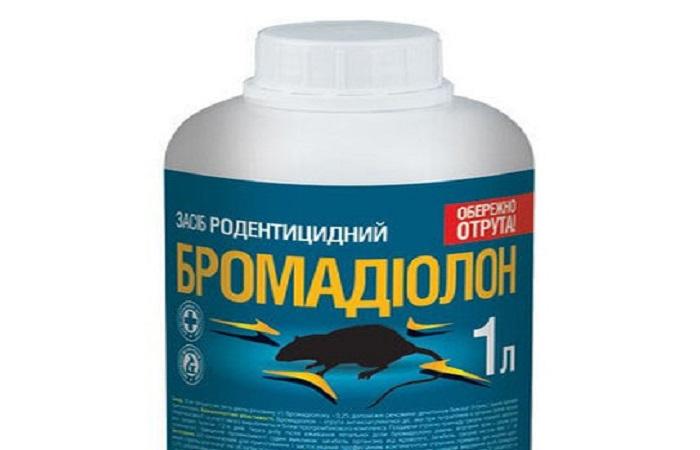
The active ingredient of the product is bromadiolone (0.25 g per 100 ml). It also contains denatonium, triethylene glycol, and food coloring. The product is sold in liter plastic bottles or 0.5- and 5-liter canisters.
Mechanism of action and purpose
Bromadiolone is a type of anticoagulant poison. The bait contains a non-lethal dose of the drug, so the animals don't notice it when they eat it. With repeated use, the toxic substance accumulates in the body.
The pesticide disrupts the formation of vitamin K1 and inhibits the synthesis of prothrombin and thrombotrophin in the liver, which impairs blood clotting. This leads to bleeding in the internal organs, and the rodents die within 3-15 days.
Bromadiolone is a second-generation anticoagulant used to prepare and administer poisoned baits. It is effective in killing various rodents (mice, voles, and rats).
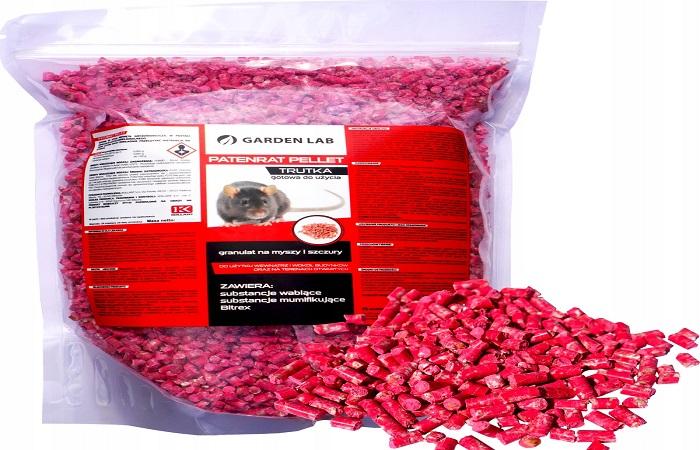
Instructions for use and consumption rates
This product is classified as a Class III moderately hazardous product according to the Rodenticide Toxicity and Hazard Classification System. It is important to follow the instructions for use:
| A species of rodent | Consumption rates | Features of use |
| Rats | 20 ml per 1 kg of food base | The bait is placed around the room in portions of 50-100 g |
| Mice, voles | The bait is placed in portions of 10-25 g around the warehouse (poisoned food is renewed more often than rat bait) |

When using a food base, it's important to consider the rodents' preferences and the availability of a specific food source. Bromadiolone is typically thoroughly mixed with clean, crushed grain or cereals, or pelleted feed until a homogeneous mixture is achieved. Do not use the dishes or containers in which the concentrate and food additives were mixed for any other purpose.
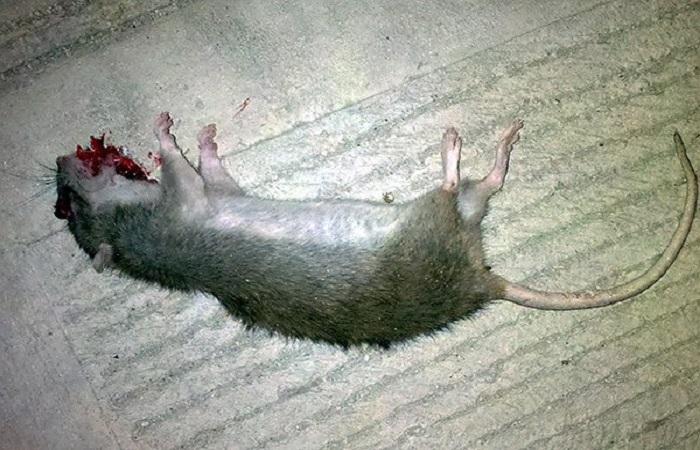
Place the bait in areas where rodents live (near burrows, along walls or partitions, on shelves, mezzanines, or racks). Do not place the mixture within reach of children or pets (especially birds or rabbits), or scatter it near bodies of water. In open areas, protect the bait from precipitation.
Precautionary measures
The toxicity level of the pesticide "Bromadiolone" is quite high, so it is important to observe safety precautions when preparing the bait and placing it:
- It is recommended to work with toxic substances in open areas or in specially designated rooms equipped with fresh air ventilation;
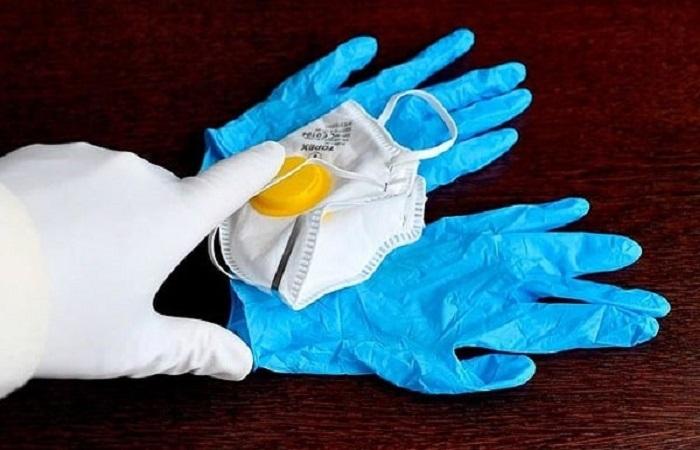
- work is carried out using personal protective equipment (respirators, dust-proof goggles, suits made of dust-proof textiles, rubber gloves, special footwear);
- While working, drinking, smoking, and eating are prohibited. Before breaks and after finishing work, carefully remove protective clothing, wash your hands thoroughly with soap, and take a shower.
It is strictly forbidden to use sunflower seeds, pumpkin seeds or other products of interest to people as a food base.
What to do in case of poisoning
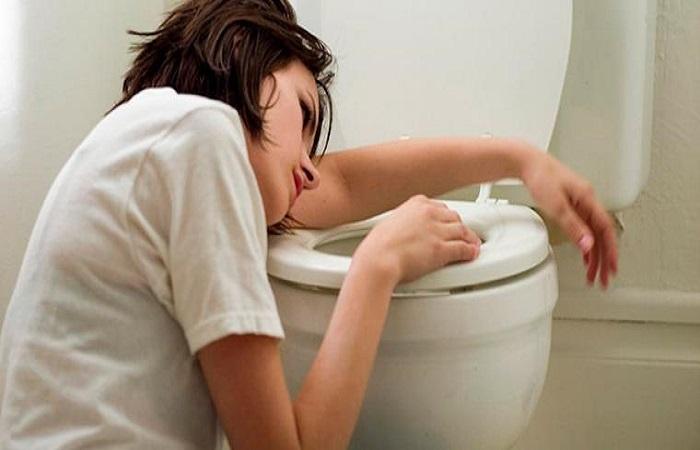
If the pesticide comes into contact with your eyes or skin, rinse with plenty of water. Accidental ingestion can cause poisoning. Symptoms of toxicity include nosebleeds, nausea and vomiting, general weakness, and bleeding gums. Back pain may develop after a few days.
Expiration date and proper storage
A separate room is designated for storing toxic substances. Food and animal feed are prohibited in this room. The poison's shelf life is 4 years at temperatures from -20°C to +40°C.
Prepared and unused bait is placed in special, tightly sealed, labeled containers. The following information must be included on the container: pesticide name, preparation date, warning labels "POISON" or "TOXIC," and "For Special Use Only."
Any accidentally spilled concentrate should be covered with fine sawdust or sand. The mixture should be carefully collected in a closed container and disposed of.
Analogues
Various preparations can be used as pesticides to help get rid of rodents.
- Brodifacoum has a 100% mortality rate for pests, with small rodents typically dying within 24 hours. The drug is used to control various types of rodents (common and Eastern European voles, brown rats, and house mice).
- Difethialon powder is used to kill house mice, black rats, and gray rats. Bait containing the poison is placed in both household premises and food processing facilities.
To control rodents, it's advisable to use specialized chemicals. Due to the toxicity of Bromadiolone, it's important to follow safety precautions when using this poison.