
"Planriz" is a biological product that helps combat many diseases. It effectively destroys pathogens causing brown rust, late blight, and various types of rot. It also helps eliminate powdery mildew and bacterial diseases. To ensure the product achieves the desired results, it's important to use it correctly. Safety precautions should also be followed.
What is included in the composition and dosage form
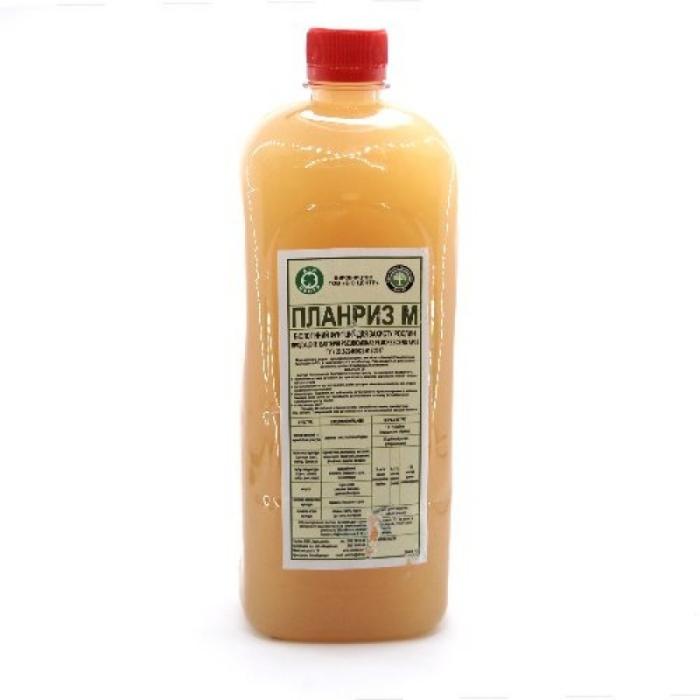
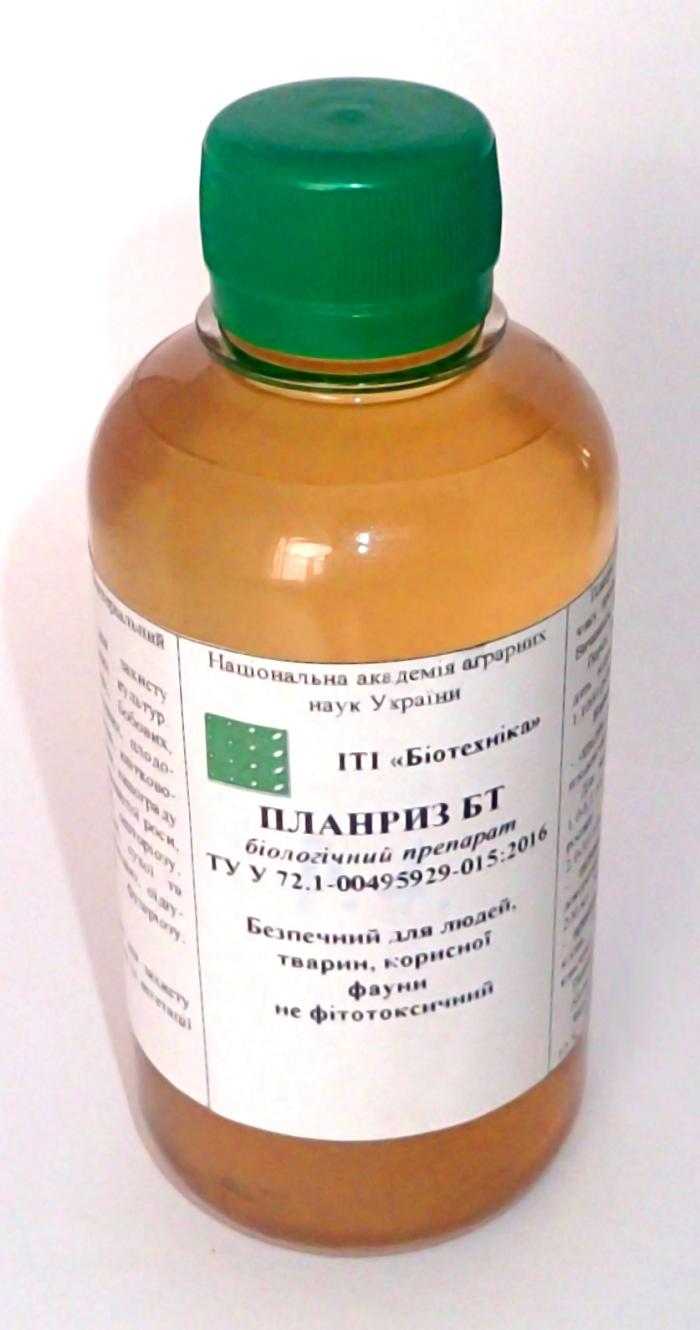
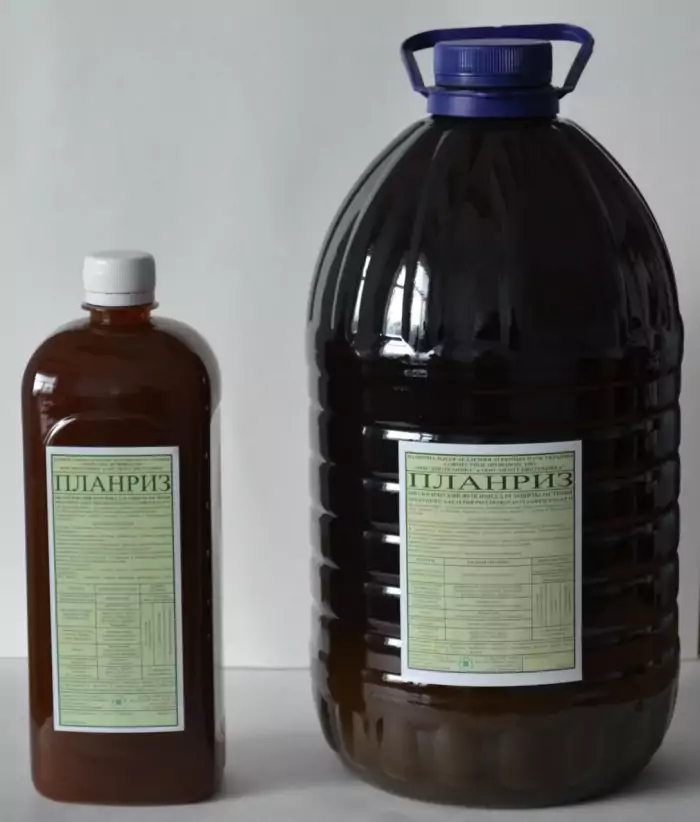
Planriz is a biological pesticide. Its active ingredient is a specific strain of Pseudomonas fluorescens, strain AP-33. Its titer is at least 2×10^9. The product is produced as a culture medium.
Purpose and mechanism of operation
Pseudomonas fluorescens AP 33 bacteria thrive on a variety of organic substrates. During growth, they produce the following:
- enzymes and antibacterial drugs that suppress the development of root rot and other phytopathogens;
- organic acids that dissolve hard-to-reach minerals and are subsequently absorbed by crops;
- Siderophores – these compounds bind and transport iron ions into bacterial cells. This limits the development of phytopathogens and improves crop growth;
- growth stimulants.
The product is used at different stages of plant development:
- Seeds before planting. Active substances produced during fermentation disinfect the seeds.
- Seedlings. Bacteria produce special substances that suppress the development of pathologies and activate growth processes.
- Growing season. Active ingredients help suppress the development of pathogens that cause various diseases.
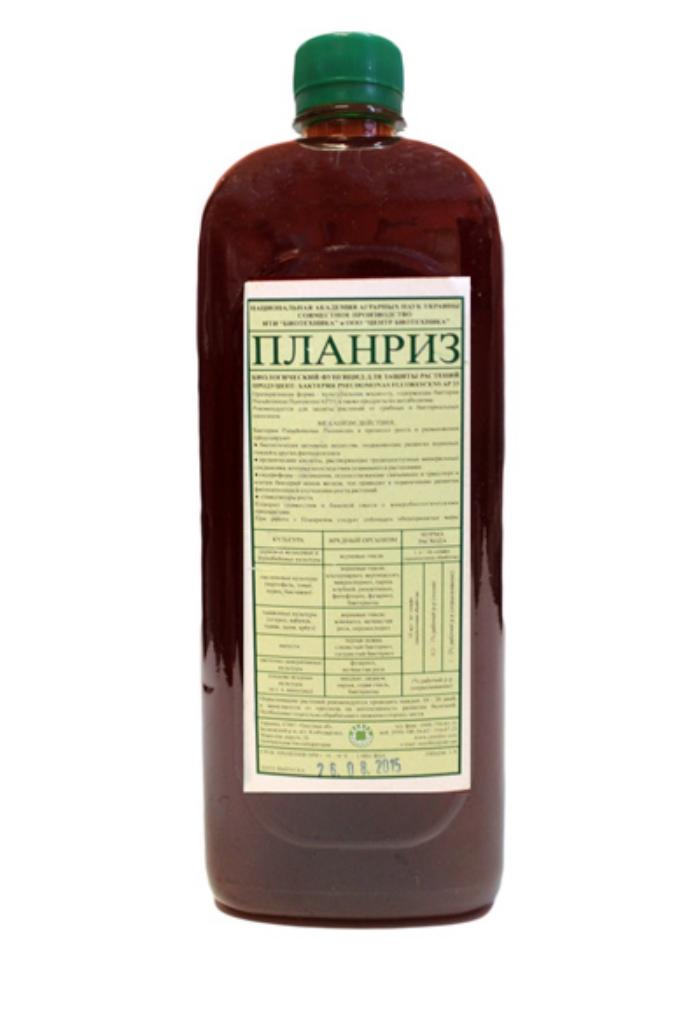
Planriz can be used on the following plants:
- Solanaceae – this product helps combat bacterial diseases, rhizoctonia, and macrosporiosis. It also effectively eliminates verticillium wilt, alternaria, and scab.
- Pumpkin plants – in this case, the drug is effective against ascochyta blight, root rot, powdery mildew, and downy mildew.
- Cabbage – the preparation successfully combats mucous and vascular bacterial infections. It is also effective against blackleg.
- Grapes – the substance helps to destroy mildew, gray rot, and oidium.
- Fruit plants – the product successfully copes with scab and bacterial diseases.
- Flower crops – the substance destroys pathogens of fusarium and powdery mildew.
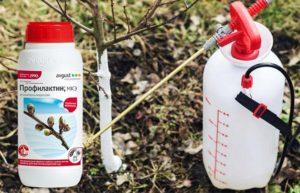
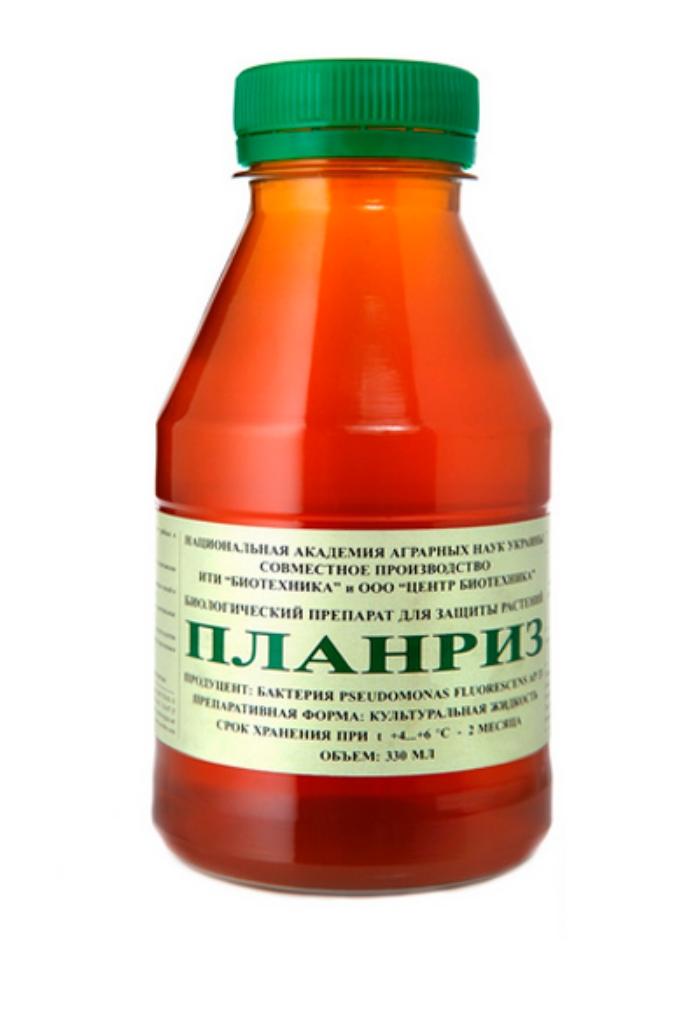
The main advantages of Planriz include the following:
- possibility of application at different stages of plant development;
- no waiting period – this helps to process plants during fruit ripening;
- the presence of a pronounced growth-stimulating effect;
- no risk of suppression of indigenous bacterial flora;
- the absence of the possibility of development of resistance in phytopathogens – this allows for multiple treatments;
- safety for people, warm-blooded animals, bees and fish;
- Compatibility with various chemicals - the only exception are products containing mercury.
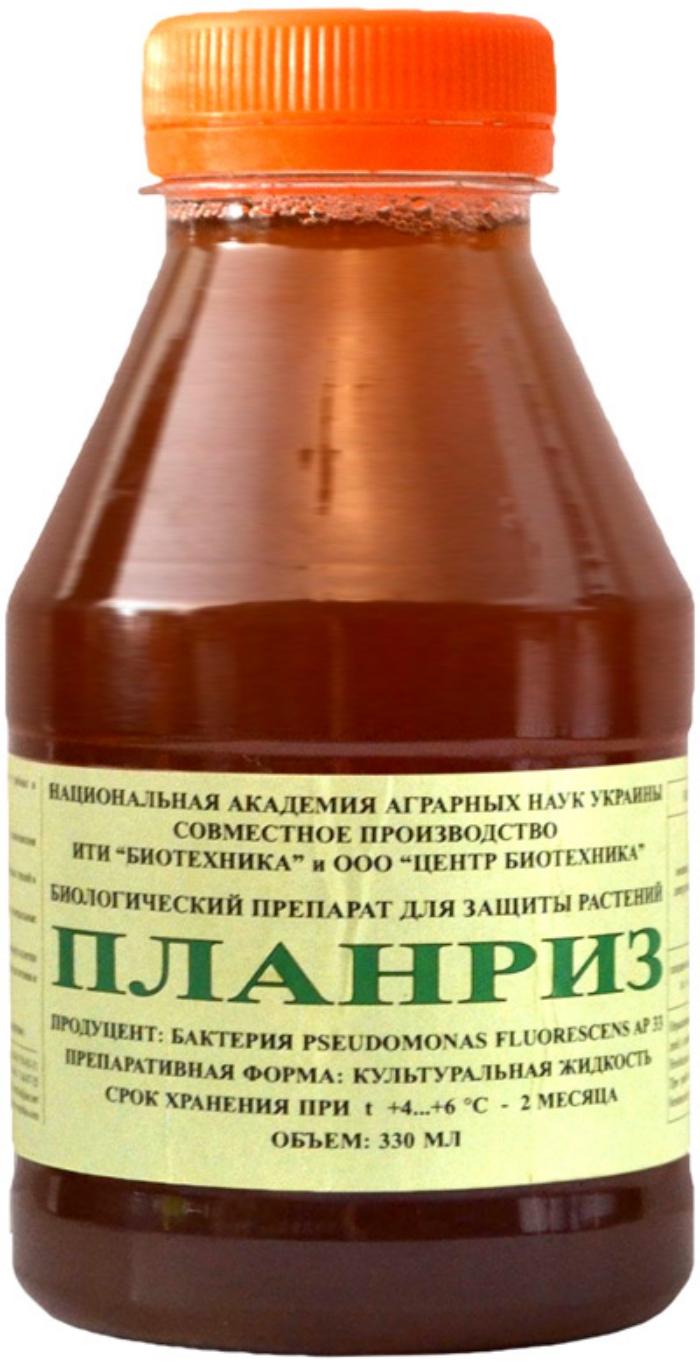
Instructions for use
The product should be applied 1-2 days before planting or on the day of sowing. Grain seeds should be treated using standard semi-dry seed treatment technology.
Spraying vegetable plants and rapeseed is recommended at the stage of appearance of 3-4 true leaves.
Subsequent treatments should be carried out at intervals of 7-10 days. When the first signs of downy mildew appear on cucumbers, this interval should be reduced to 5-7 days.
To combat potato blight, treatments should be carried out at intervals of 7-10 days. Preventative spraying should be performed on other plants. This should be done at the first signs of the disease.
At least 300 liters of working solution should be used per hectare. The mixture should be applied in the evening. In cloudy weather, spraying can be continued throughout the day. Shake the mixture before use. This will help improve the homogeneity of the mixture.
When using Planriz, it is worth considering that it can be used for the following crops:
- Cereal crops. For pre-sowing treatment, use 1 liter of the product per 1 ton of seed. For treatment of growing crops, it is recommended to use 1 liter of the product per 1 hectare.
- Vegetables and ornamental crops. For treating planting material, it is recommended to apply 10 milliliters of the product per kilogram. When applying the solution to seedling holes, apply 5 milliliters of Planriz per plant. For watering crops, it is recommended to use 100 milliliters of the product per 10 liters of water.
- Fruit and berry plants. To treat them, use a mixture of 50 milliliters of the product and 10 liters of water.
Precautionary measures
The product is considered safe for humans, fish, and animals. It does not accumulate in plants and does not cause environmental pollution. However, it is important to follow generally accepted safety precautions when using the product.
Is compatibility possible?
This product can be combined with various chemical and biological substances. The exception is those containing mercury. Mixing should be done immediately before use. Planriz can be combined with root and foliar fertilizers.
How to store it correctly and for how long
It is recommended to store the medication in an airtight container in a dry, dark place at a temperature of 4-6 degrees Celsius. The shelf life is 3 months from the date of manufacture.
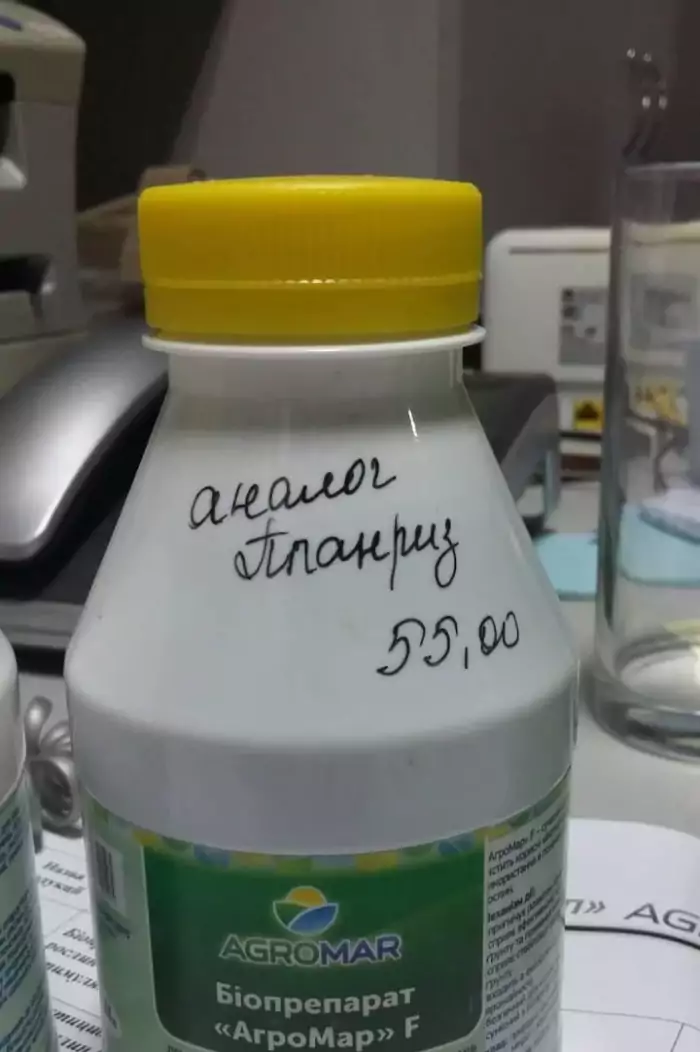
What to replace it with
Effective analogues of Planriz include the following drugs:
- "Agromar F";
- "Rhizoplan".
Planriz is an effective treatment for a variety of conditions. It's considered a biological product, meaning it's harmless to humans and animals. Furthermore, its ingredients don't accumulate in plants. To ensure the desired results, it's important to follow the instructions carefully.