
Modern plant cultivation is unimaginable without weed and insecticides. Pesticides help increase yields and preserve fruit. Manufacturers produce products for various purposes, so it's important to familiarize yourself with the classification, mechanism of action, and composition of each product before using it.
Pros and cons
When using any pesticide, it's important to consider the pros and cons of the products. Advantages of the products:
- ease of use;
- increasing crop yields;
- long period of action;
- pests and weeds are destroyed at the initial stages of development;
- high efficiency;
- extension of crop storage life.
The following disadvantages can be noted: substances can accumulate in living organisms and plants, remain for a long time without decomposing in soil and water, can be toxic to animals and humans, and cause addiction in pests and pathogens.
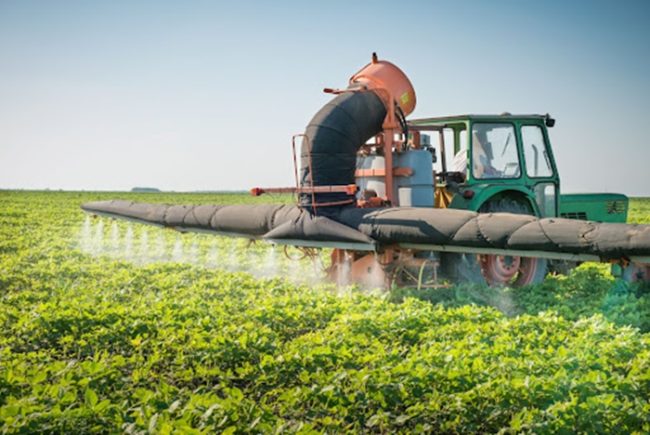
What are pesticides?
Preparations include substances of chemical or biological origin intended to combat harmful insects, rodents, and weeds.
Some products act as desiccants, defoliants, and growth regulators. These products can be characterized by the following parameters:
- appointment;
- degree of security;
- method of penetration and mechanism of action;
- form of the drug.
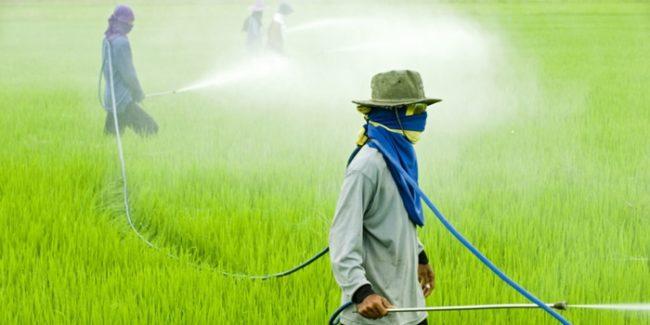
Any pesticide is a toxic chemical, so when using it, it is important to follow the manufacturer's instructions for application and consumption rates.
The best substances
Biological
Organic farming advocates avoid the use of pesticides when tending crops. To increase yields and control weeds, they employ highly biologically active chemical compounds synthesized by living organisms or living objects. Common types of these chemicals include:
- The bacterial insecticide "Spinosad" is created using crystal-forming bacteria, a fermentation product of a natural soil organism. It is cost-effective, has a long-lasting effect, and exhibits increased activity.
- Fungicides based on antagonist bacteria are used to combat plant diseases. These products (Baktofit and Fitosporin) are effective in suppressing root rot pathogens and preventing plant wilting.
Biological agents act selectively against phytopathogens and harmful insects, are environmentally friendly, and are compatible with chemical pesticides.
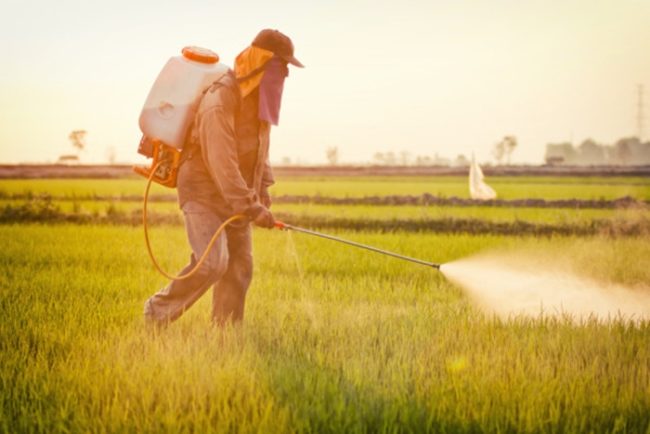
Chemicals
A wide range of preparations for various purposes are produced on the basis of chemical substances:
- Herbicides are used to control weeds over large areas. Depending on the type of crop being grown, Roundup and Hephaestus are used in agriculture;
- Insecticides help kill harmful insects. Popular insecticides for growing vegetables in the garden include "Aktara," "Aktellik," and "Florestin."
- Fungicides are used to treat plants and prevent the emergence and spread of fungal diseases. Seed treatments are also recommended. Popular products include Fundazol, Bordeaux mixture, and Magnicur.
When using chemical pesticides, it is necessary to take into account the increased toxicity of individual products, both for humans and animals.
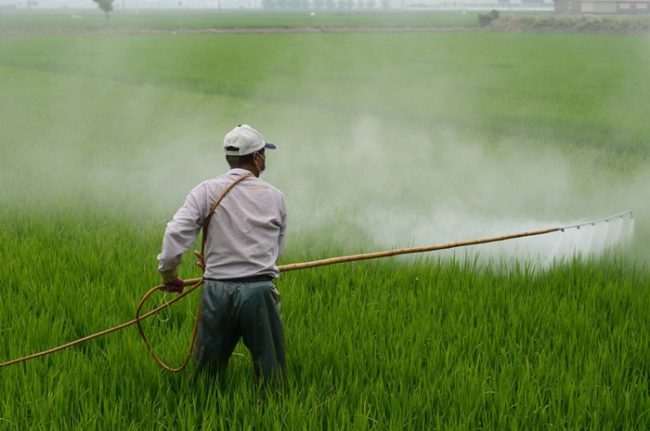
Which substance is better to use?
Weeds are a major problem in agriculture. These harmful plants steal light, nutrients, and moisture. Herbicides, which are divided into selective and non-selective herbicides, effectively control weeds. It's important to note that non-selective herbicides (such as Uragan and Roundup) destroy all vegetation in a given area. Selective herbicides (such as Lintur, Gezagard, and Oberig) target specific weeds.
Fungicides are used to combat fungal diseases. The most popular pesticides are Skor, Topaz, Thanos, Strobi, and Abika Peak.
When using insecticides (Sherpa, Inta-Vir, Fastak) to kill rodents and insects, keep in mind that pests often develop resistance to the products. To ensure effectiveness, application rates or frequency of treatments must be increased. Alternatively, alternate the use of the products according to a schedule.
Pesticides require careful use, as insufficient amounts will be ineffective, while excess can harm plants and the environment.