
Auxins are a group of plant hormones characterized by increased physiological activity. These substances can improve the growth of shoots and fruits, stimulate root development, and increase crop yields. Many effective products based on substances in this category are now available. To ensure effective results, it's important to follow the instructions carefully.
How do auxins work?
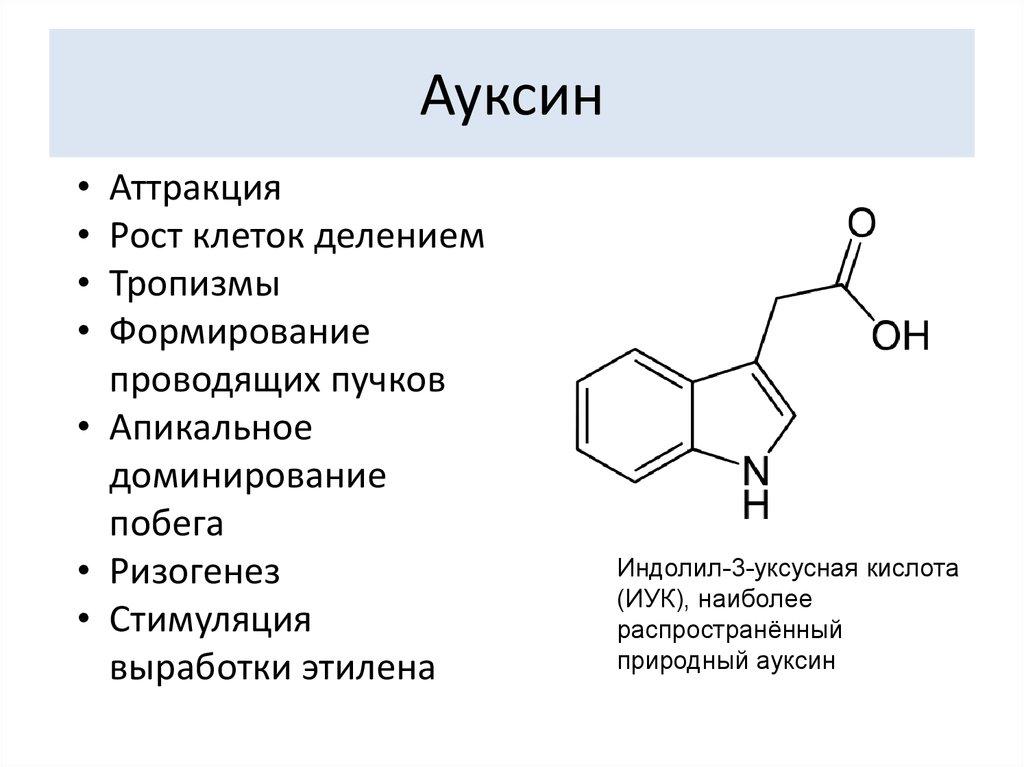
Substances in this category are responsible for root system development and promote the proper distribution of beneficial elements within plants. Their characteristic feature is their ability to spread throughout plant tissues. This effect is achieved through sap flow.
Auxins promote apical dominance. This means stems grow more upward and are less prone to tillering. At the same time, the root system grows downward. This promotes more efficient absorption of moisture from deeper soil layers.
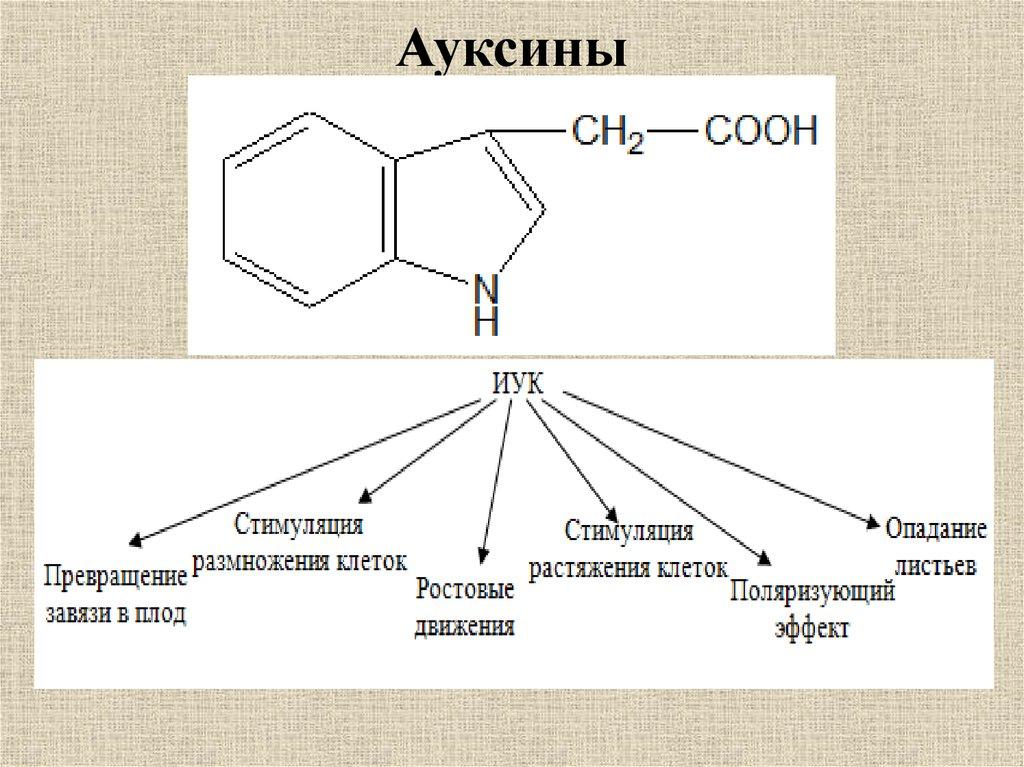
The most commonly used auxin is heteroauxinic acid. Today, this substance is produced synthetically. Phytohormones participate in important processes and help achieve the following results:
- Stimulate cell development during the active growth stage. This helps maintain tissue elasticity. Auxin deficiency can be detected by wilting leaves.
- Improve the growth of cambium tissue, which is located beneath the outer layers of the plant. Cambium facilitates the distribution of nutrients synthesized by the foliage and transported to the root system.
- Coordinate the interaction of various plant organs. This effect is achieved through the movement of phytohormones.
- Accelerate the growth of hairy roots. This helps absorb nutrients from the soil. The formation of root suckers promotes crop adaptation when planted in the ground and stimulates their development after exposure to stress factors. These include prolonged rainfall, drought, high humidity, and temperature fluctuations. Pests and diseases also have a negative impact on plants.
Auxins are not considered fertilizers or crop protection products. However, they have pronounced supportive properties and significantly enhance the effectiveness of fungicides and insecticides.
Which plants need them?
Products in this category are suitable for use on any plant. They help quickly achieve positive results:
- Treating fruit trees can reduce the amount of fallen fruit and improve the marketability of ripe fruit. However, in this case, auxin treatments must be applied seasonally. Uncontrolled use in the garden can lead to rapid soil depletion.
- Treating beets, carrots, and tomatoes improves germination rates and increases crop resistance to pest attacks and disease. The solution dosage depends on the seed size. For example, 500-600 milligrams per liter of water is sufficient for tomatoes, carrots, and cucumbers. Beets require a more concentrated solution. For this purpose, 800 milligrams of auxin per liter of water is used.
- Using concentrated solutions helps control weeds without harming crops.
Advantages of the product and instructions for use
Using auxins in plant growing has many advantages. The main benefits of these agents include the following:
- facilitating vegetative propagation, planting or transplanting of crops;
- increasing the yield parameters and commercial characteristics of vegetable plants;
- reducing the loss of fruits from trees;
- thinning out excess ovaries during lean periods;
- improving seed germination;
- weed control.
Which preparations contain auxins as a base?
Today, a wide range of auxin-based products are manufactured. The most effective products in this group include the following:
- "Kornevin" is a product made from indolebutyric acid. It promotes the rooting of tree and shrub seedlings. It is also useful for garden and ornamental plants. It promotes root formation when propagated by cuttings.
- "Heteroauxin" is a product made from synthetically produced indoleacetic acid. After application, the substance stimulates root development in plants. This promotes more intensive growth of the above-ground part and increases crop yields.
- "Kelpak" is considered a systemic growth regulator. It contains seven types of auxins. It also contains 12 other types of phytohormones. This allows the substance to have a comprehensive effect on plants.
Safety precautions
Auxin-based products can be harmful to the body. To prevent this, standard safety precautions must be followed when working with them. It is recommended to use personal protective equipment, such as goggles, gloves, and a respirator.
It is not recommended to prepare the working solution in containers intended for food. Furthermore, eating, drinking, and smoking are prohibited while using the substance. After finishing work, take a shower and change clothes.
Is compatibility possible?
Auxin-based products can be combined with fungicides and insecticides. To assess compatibility, mix a small amount of the products. If flakes or sediment form, do not use the product.
Auxins are effective phytohormones that have a complex effect on plants. To ensure they produce the desired results, it's important to carefully read the instructions for the specific product and strictly adhere to the dosage.