
Conifers stand out from other plants in their appearance and aroma. Even in winter, they continue to attract attention with the richness of their color palette. To maintain their decorative appeal, these plants require proper fertilization. Many fertilizers for conifers are available today, varying in composition and properties. To ensure safe application, it's important to consider a few important factors.
What are the main differences in the nutrition of conifers and ordinary trees?
A key difference between conifers and deciduous plants is the lack of large leaf blades. Furthermore, these plants do not shed their needles. Therefore, these plants require significantly less energy and nutrients. Use fertilizers. for pine, spruce and other conifers do not require this too often – at the stage of planting in the ground and several times during the growing season.
It's best to feed your spruce or pine tree with specialized mineral fertilizers. Organic fertilizers include compost or vermicompost. However, using manure is strictly prohibited. It contains a large amount of nitrogen, which negatively impacts conifers. Mature trees become ill from such fertilizer, and in young trees, it can even cause root burn.
Complex fertilizers contain substances essential for coniferous plants. These include:
- Magnesium – this element is structurally similar to natural chlorophyll. Therefore, it activates photosynthesis and gives the needles their emerald color.
- Iron – a deficiency of this element increases the risk of chlorosis. As a result, the needles first become pale and then turn yellow.
- Sulfur – a deficiency of this nutrient causes a yellow tint to the needles. Additionally, needle development is slowed, causing them to not reach their normal length.
- Boron – a deficiency of this nutrient makes plants less resistant to frost and drought. Therefore, the risk of crop failure when exposed to adverse factors is high.
Why is nitrogen dangerous for evergreens?
Increased nitrogen concentrations in the soil promote the formation of new shoots, which don't always have time to grow before winter. Consequently, there's a risk of their death during the cold season. Branches that survive the winter become severely diseased in the spring and summer. This also negatively impacts the development of conifers.
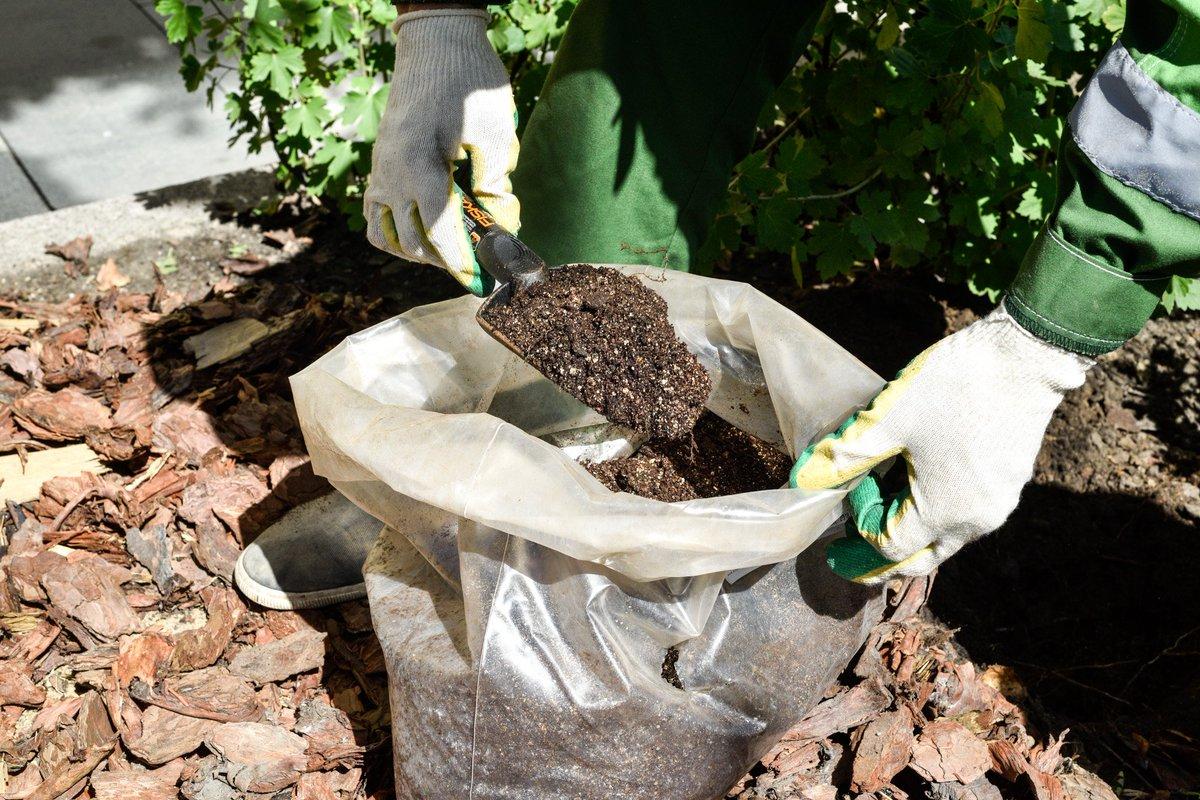
The very formation of shoots in such conditions and the subsequent struggle to maintain their viability drain conifers' energy. Therefore, they should be fed with mineral fertilizers, compost, and vermicompost.
What is the best way to fertilize trees and how to do it correctly?
Today, there are quite a lot of effective fertilizers that can be used for coniferous crops.
Suitable mineral fertilizers
Mineral fertilizers are recommended for spring fertilization. Special combination formulations are best for this purpose. Fertilizers containing potassium and magnesium are also acceptable. Conifers need these nutrients for proper photosynthesis. Potassium magnesium sulfate is a good option. However, urea is not recommended for this purpose.
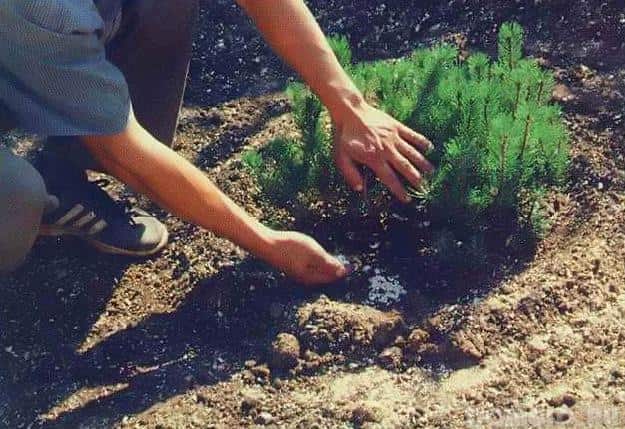
Another suitable mineral fertilizer is ash. It contains many minerals that trees require. When growing trees in acidic soil, dolomite flour should be used. It contains a lot of potassium, which has an alkalizing effect on the soil. When applying this fertilizer, it's important to exercise moderation, as conifers require a slightly acidic substrate.
We use organic matter
Compost is the best organic material for conifers. Vermicompost is also acceptable. However, it's best to avoid using nitrogen, as it contains a lot of nitrogen. Excessive amounts of this component negatively affect seedlings.
Herbal infusions are also not very suitable for conifers. Such remedies are recommended for garden plants that require rapid growth. Conifers don't need to develop new crowns every year, so they don't need excess nitrogen.
What special additives are there?
In spring and summer, conifers can be fed with balanced fertilizers. The most effective fertilizers include the following:
- "Khvoinka" is a product suitable for low-growing plants. To prepare a solution, mix 20 grams of the product with 20 liters of water and apply 3-4 times. This should be done at two-week intervals.
- "Fertility Universal" stimulates shoot development. When planting, apply 100-200 grams of the product per plant. For additional feeding during the growing season, prepare a solution of 30 grams of the product per 10 liters of water.
- Fertika Lux is a nitrogen- and magnesium-free product. It should be used once every 5 years. To prepare the working solution, use 20 grams of the product per 10 liters of water.
- "Akvarin" helps maintain the healthy appearance of conifers and makes them more resistant to diseases and pests. The solution should be applied five times during the spring and summer, with a final application in early fall. To prepare the working solution, use 20 grams of the substance per 10 liters of water.

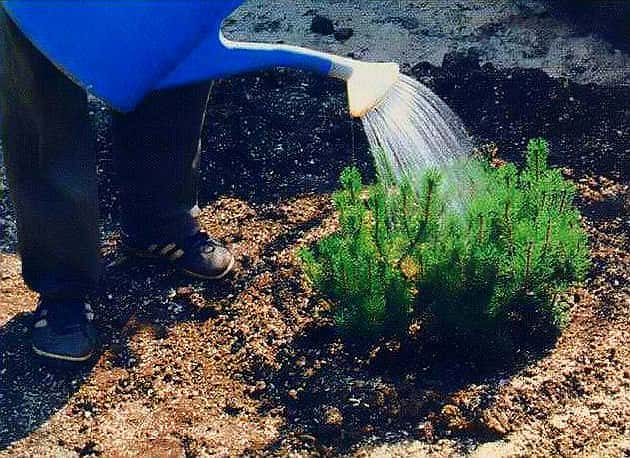
These products make caring for conifers easier and provide them with nutrients, resulting in healthier plants.
Common mistakes gardeners make
When using fertilizers for conifers, novice gardeners often make the following mistakes:
- too much nitrogen is applied;
- magnesium-based products are used incorrectly;
Selecting fertilizers for conifers is considered a crucial and responsible undertaking. To achieve the desired results, it's essential to analyze the product's composition and strictly follow the instructions for use.