
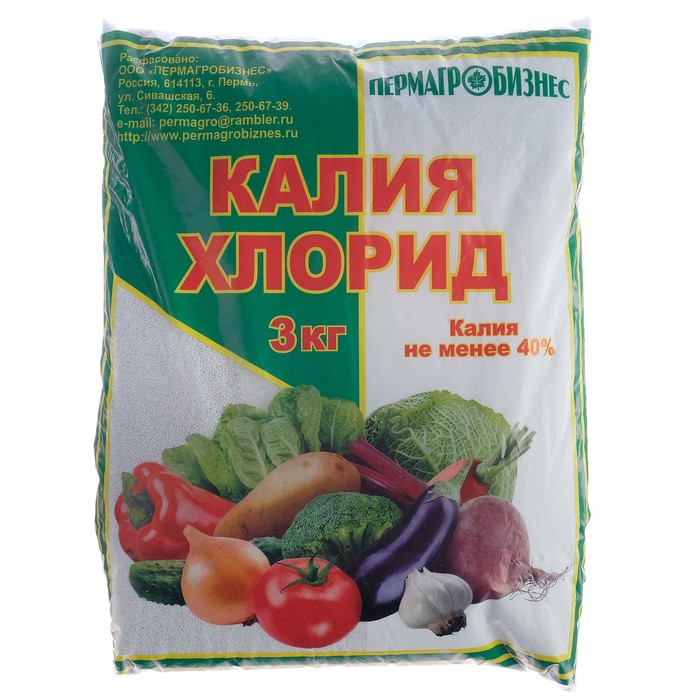
Potassium is one of the most important nutrients for crops. It is not part of the organic composition of plants, so it must be added as a supplement. Potassium chloride is used as a base for many fertilizers. This naturally occurring substance is extracted from potash ores. The use of potassium chloride accelerates crop development and strengthens their immunity.
Brief description and physicochemical characteristics of potassium chloride
This substance is a highly concentrated potassium supplement. Depending on the manufacturing process and classification, the fertilizer can retain 52-99% potassium.
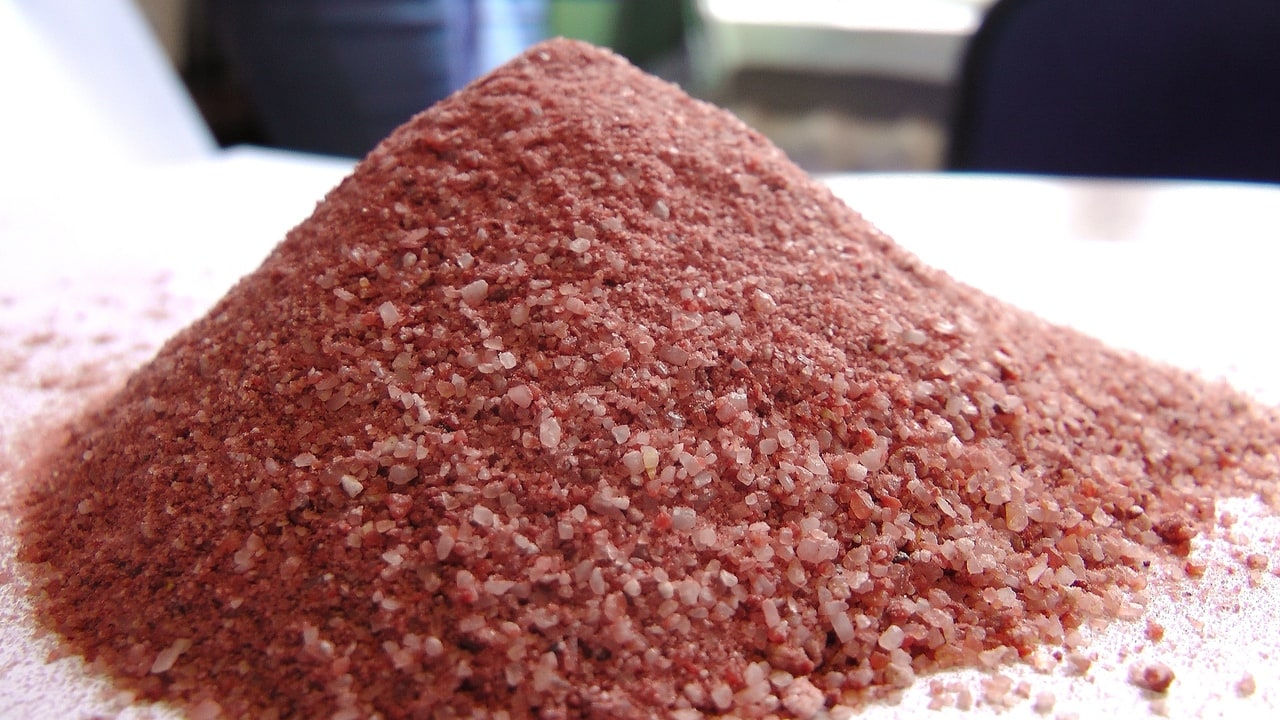
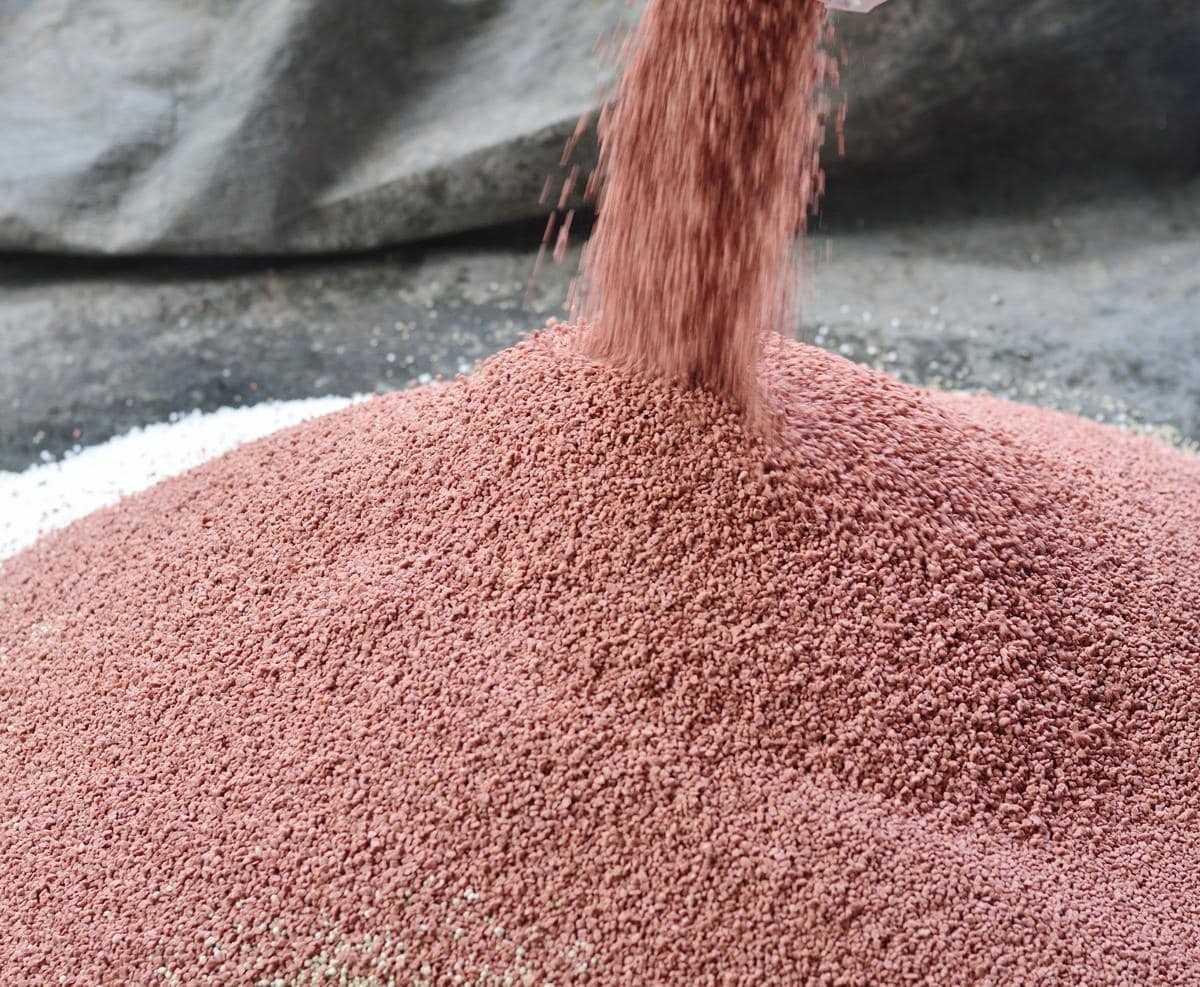
The product is available in the form of granules or crystals, which are white, gray, pink, or brown in color. The substance is formed by the reaction of potassium hydroxide and hydrochloric acid. The primary raw material for the fertilizer is potassium-containing salt. In nature, the substance is present as sylvinite. It can also occur as sylvite and carnallite.
How is deficiency or excess expressed?
Potassium deficiency causes crops to weaken and lag in growth and development. A deficiency can be identified by the plants' appearance:
- The leaves lose chlorophyll and become wrinkled. Rusty spots may appear. The edges dry out and turn brown.
- The stems become weak and deformed. They also develop poorly and turn pale.
- The roots weaken and don't grow very well. Therefore, the crops have difficulty anchoring in the soil and are easily pulled out.
- The fruits are small and develop poorly.
- Plants become sick and covered with a coating.
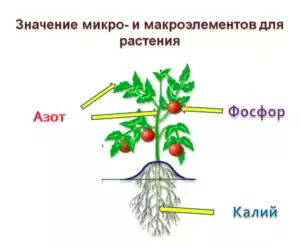
Excess potassium can also be harmful to plants. Oversupply can be identified by the following signs:
- The culture develops poorly. Sometimes its growth stops altogether.
- Old leaves become dark in color, while young leaves become small.
- The ends of the roots begin to die off.
It's important to note that excessive amounts of the substance reduce the absorption of magnesium, calcium, and boron by crops. This leads to crop death.
Dosage and instructions for use
Potassium chloride-based fertilizers are sold as a powder that mixes easily with water. The amount of active ingredient is not related to the form or color. Therefore, the instructions for preparing solutions for different products are the same.
Grape
Fertilizing this crop with potassium chloride is not recommended. This is because grapes are chlorine intolerant. However, the bush does require potassium fertilizers. They make it more frost-resistant, accelerate berry ripening, and promote vine growth. However, for grapes, potassium sulfate is required.
Cucumbers
Insufficient potassium reduces cucumber yields. Furthermore, a deficiency leads to a deterioration in the taste of the fruit. To detect a deficiency, a simple test is recommended.
To do this, pour 500 milliliters of the solution under one of the vines and observe the reaction after a few days. If the crop begins to grow vigorously, you can fertilize the entire bed. During the season, cucumbers in greenhouses require fertilization 2-3 times, while those in the open ground require 5 applications.
Fruit trees
These plants require potassium and tolerate chlorine well. An average of 150 grams of fertilizer is required per tree. However, it's important to consider the soil type. Apply 120 grams to black soil, and 180 grams to light soil.
Flowers
The product should be applied to ornamental crops several times per season. For large-bulb crops, 20 grams of the product should be applied per bucket of water; for small-bulb crops, 10 grams is sufficient.
Potato
Potato beds are fertilized once with potassium chloride. This should be done in the fall to ensure the optimal amount is available for spring. For plants, apply 100 grams of the substance per square meter. This dosage is suitable for loam and clay soils. Light soils are best fertilized with cement dust and flour.
Tomatoes
Tomatoes don't tolerate chlorine well. Therefore, this fertilizer should be applied in the fall during soil tillage. Apply 100 grams of the fertilizer per square meter.
Is compatibility possible?
The product should not be used simultaneously with chalk, dolomite flour, and lime. It can be combined with ammonium sulfate, manure, and chicken manure. It also exhibits good compatibility with ammonium phosphate and diammonium phosphate. Immediately before application, the product can be mixed with various types of nitrate and superphosphates.
Precautionary measures
The substance is moderately hazardous. It can cause irritation upon contact with skin. Therefore, protective equipment is required when working with potassium chloride.
When exposed to air, the substance does not form toxic elements that pose a threat to the body. The composition is non-flammable and does not cause corrosion.
How and how long to store
The product's shelf life is six months. However, even after this period, the product retains its beneficial properties. It may only change in appearance and color.
Take a look Also
Potassium chloride should be stored in a dry, dark place with low humidity. When stored outdoors, it is recommended to keep the mixture in sealed plastic bags or sacks. These should be stored under cover.
Potassium chloride is an effective fertilizer that has beneficial effects on plants. Using this fertilizer helps improve crop growth and strengthen their immune system. To ensure the desired results, it's important to strictly follow the instructions for use. Adherence to safety regulations is also crucial.