
- The main benefits of use and possible harm
- What problems might arise and how to solve them
- Types of sawdust and which ones to choose
- Rules for use in spring
- For sprouting potatoes
- Creating beds
- Mulching
- Germination of seeds
- Site planning
- For seedlings
- How to use in autumn
- Fertilizing the area
- Insulation of plants
- Storage of the harvest
Wood shavings are a popular material in the garden. There are various ways to use sawdust in the garden. Popular uses for this loose material include insulation, mulch, seed or potato growing medium, garden path decoration, and composting. Finding this inexpensive organic material is easy.
The main benefits of use and possible harm
The size of sawdust is determined by the type and technological parameters of the cutting tool. At the garden site, sawdust is used for various purposes, offering several advantages:
- give the soil a loose structure;
- retain moisture in the soil;
- make it difficult for weeds to germinate;
- an easy-to-use mulching material that protects plant root systems from drying out and frost;
- provide easy maintenance of paths.
It is also important to consider the disadvantages of sawdust: it acidifies the soil in the beds and takes nitrogen from plants, absorbing it from the soil.
What problems might arise and how to solve them
Soil acidification can negatively impact the growth and development of plants. To deacidify the soil, water it with a soda solution (2-2.5 tablespoons per bucket of water). A common method is to water the soil with a slaked lime solution.
It's also important to prevent wood shavings from absorbing nitrogen from the soil. Timely application of nitrogen fertilizers is the solution. Infusions of mullein or bird droppings can be used as organic matter. Mineral additives (urea, ammonium nitrate) are also effective.

Types of sawdust and which ones to choose
To choose the right material (coniferous, deciduous), you need to take into account the characteristics of the wood:
- Pine and spruce sawdust contain resin, which promotes greater nitrogen absorption during decomposition. At the same time, resinous substances provide plants with essential micronutrients;
- Wood shavings rot faster, consuming less nitrogen.
When choosing a material, first of all, consider its availability.
The easiest way to use sawdust is to use dried and cut fruit tree branches, which are finely chopped. To increase the usefulness of sawdust, use rotted wood shavings.

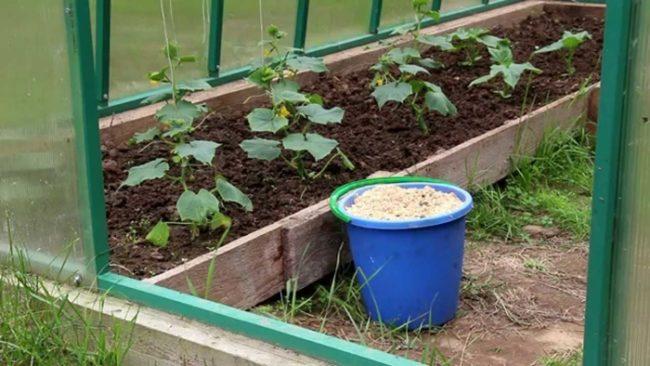
Rules for use in spring
Sawdust is an excellent material for tidying up garden paths, garden beds at the beginning of the season, and for germinating seeds.
For sprouting potatoes
For pre-sprouting tubers, select high-quality seed material. Using sawdust accelerates the germination of planted potatoes by 1.5-2 weeks. An advantage of this material is that it eliminates the need for additional lighting and turning the tubers.
The boxes are filled with small wood shavings. The potatoes are placed on a layer of moistened sawdust (spaced 1-2 cm apart) and covered with shavings. It is important to control the substrate moisture. The potato sprouting period is 2-3 weeks.
Creating beds
Sawdust is an essential component when creating warm garden beds at the dacha. Compost beds, consisting of several layers, are laid out in the fall.
Branches, thick stems, and tree roots are used for drainage. Then, layers are added: leaves, compacted organic matter, leaves, and soil with compost. Several elements are used to prepare the compost (most often, wood shavings are added to chicken manure at a ratio of 1:1). Sawdust is recommended as a mulch in the garden to prevent the soil from drying out.

Mulching
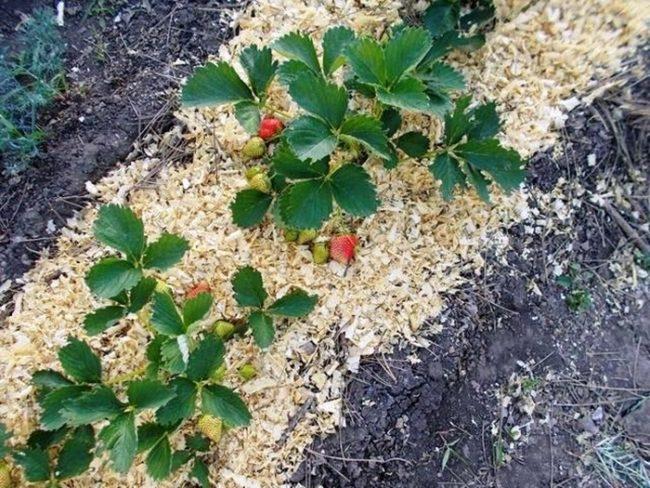
Sawdust is used for mulching berry bushes, strawberry beds, carrots, beets, and bulbous crops (flowers and vegetables). Here are some features of the material:
- the space between the rows is filled with a layer of chopped wood 3-4 cm thick, and the beds are fertilized with biocompost;
- As the plants grow, bulk material is added and the beds are loosened.
With this method of mulching the area with sawdust, soil oxidation does not occur, since they are not mixed with the soil.

Germination of seeds
To ensure rapid seed germination, it is recommended to sow the seeds in loose, moist soil. A mixture of peat and sand is a standard option for sowing seeds. However, rotted wood can also be used.

A mixture of sawdust and soil creates a loose structure rich in micronutrients. The seeds germinate fully because the root system expands easily, receiving the necessary nutrients.

Site planning
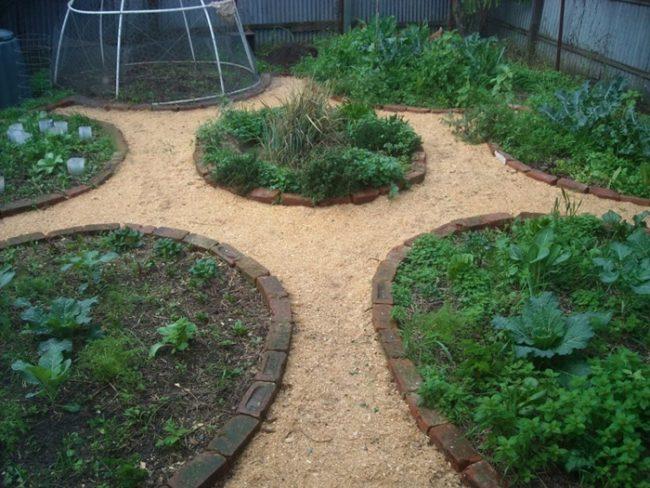
Sawdust is often used as a decorative and practical material for paths, especially when there's a lot of waste. Remarkably, this practical, loose wood allows for the creation of paths of any shape. Steps for creating a path:
- dig a shallow trench of the required shape and length;
- The recess is tightly filled with shavings, which are then compacted.
Over time, the sawdust layer will compact, as if "sagging." Therefore, it's necessary to periodically add more shavings. In winter, sawdust is traditionally used to sprinkle paths to prevent the formation of a slippery, icy layer.

For seedlings
The formation and growth of seedlings directly depend on the structure and composition of the soil. The root system of seedlings is weak enough to germinate in ordinary soil. To strengthen the seedlings, they are first grown in cups or containers. It is recommended to prepare a special soil mixture for seedlings: humus, rotted sawdust, and garden soil.
The grown seedlings are planted in prepared beds on the plot. Trenches or holes are dug in the garden, and a thin layer of sawdust and manure mixture is poured into the bottom. The mixture is moistened with bifidobacteria preparations, and topped with a layer of soil.

How to use in autumn
Some winterization processes can also involve using wood chips.

Fertilizing the area
In the fall, wood shavings mixed with soil loosen the soil. This material is useful in areas with "tired" soil, where plants have been actively grown for several seasons, and in gardens with poor fertility. However, it's important to remember that wood shavings shouldn't be used as a primary fertilizer. Most often, shredded wood is used as part of a compost mixture.
Insulation of plants
A thick layer of sawdust can be used to cover plants in flowerbeds or along paths (roses, clematis). To insulate the plants, the shoots are bent to the ground and covered with sawdust. Alternatively, plastic bags can be filled with shredded wood and placed around the shoots of overwintering plants.
In the garden, sawdust is used as a mulch around the trunks to protect trees, seedlings, and berry bushes. It is recommended to use the material in late autumn to prevent the emergence and spread of rodents in the shredded wood.

Storage of the harvest
Wood shavings are ideal for winter storage of harvested crops. To create a comfortable storage area, it's advisable to install wooden boxes or containers in a pantry or basement. Vegetables or fruits are arranged in layers in the boxes, generously sprinkling each layer with wood shavings.
The advantages of using sawdust: the harvest is protected from freezing, and the fruit does not rot or dry out. If the boxes are placed on a balcony, they are lined with insulating material to protect them from low temperatures.
Wood particles in the form of sawdust are formed during the sawing or grinding process. Adding sawdust to the soil improves the soil structure and normalizes air and water conditions.