
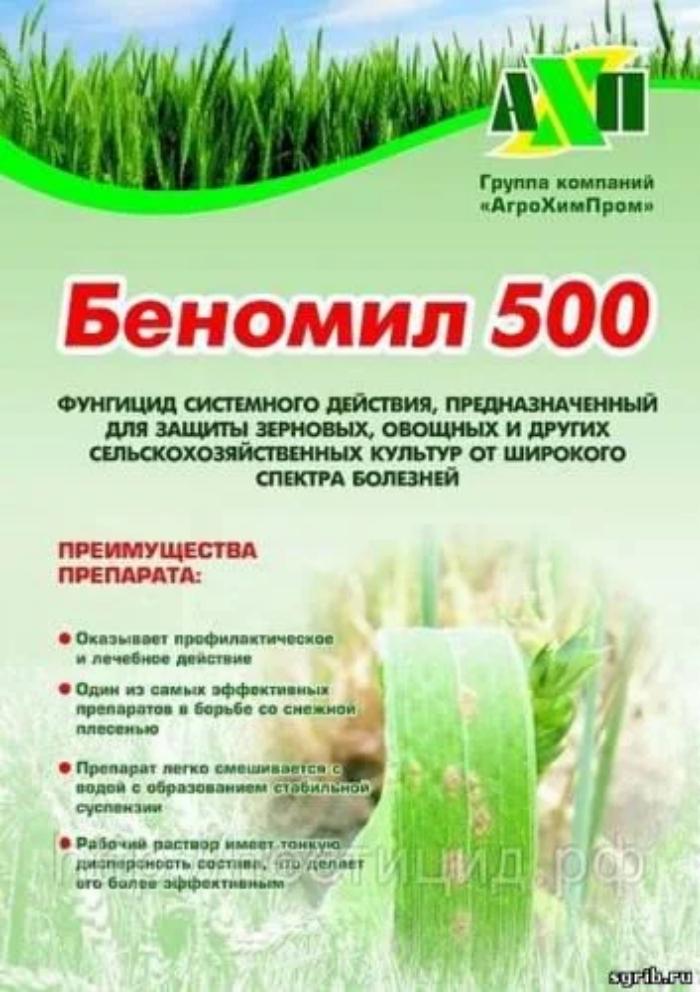
Seed treatment with fungicides is a reliable method for preventing and protecting plants from fungal diseases. Some products can be used as sprays during the growing season. "Benomyl" is used to treat grain crops against various rots and other fungal diseases. This substance promotes plant health and exhibits a wide range of protective properties.
What is included in the composition and existing forms of release
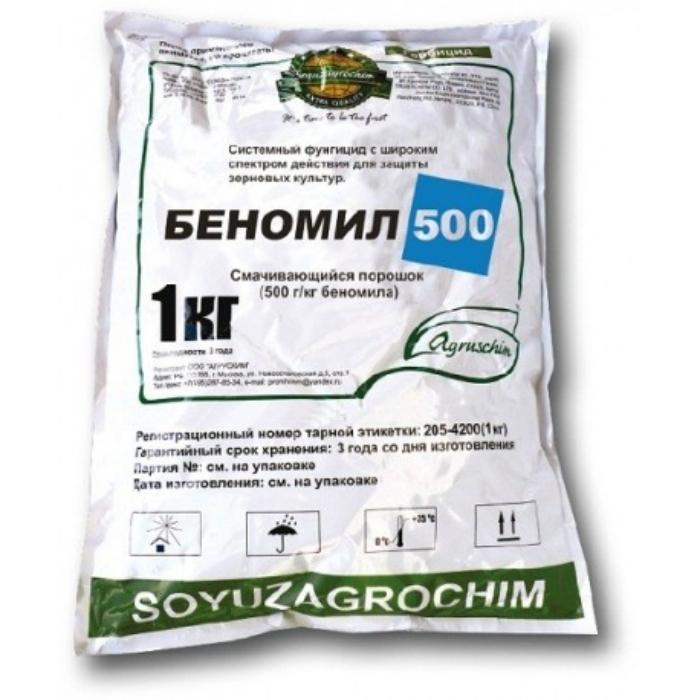
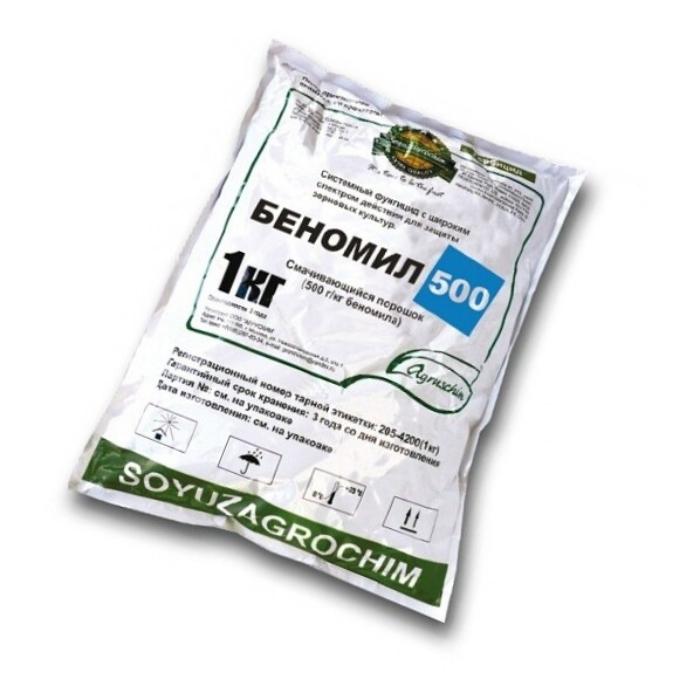
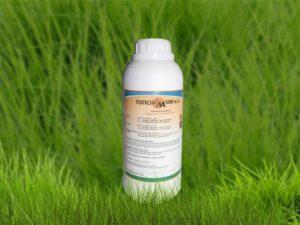
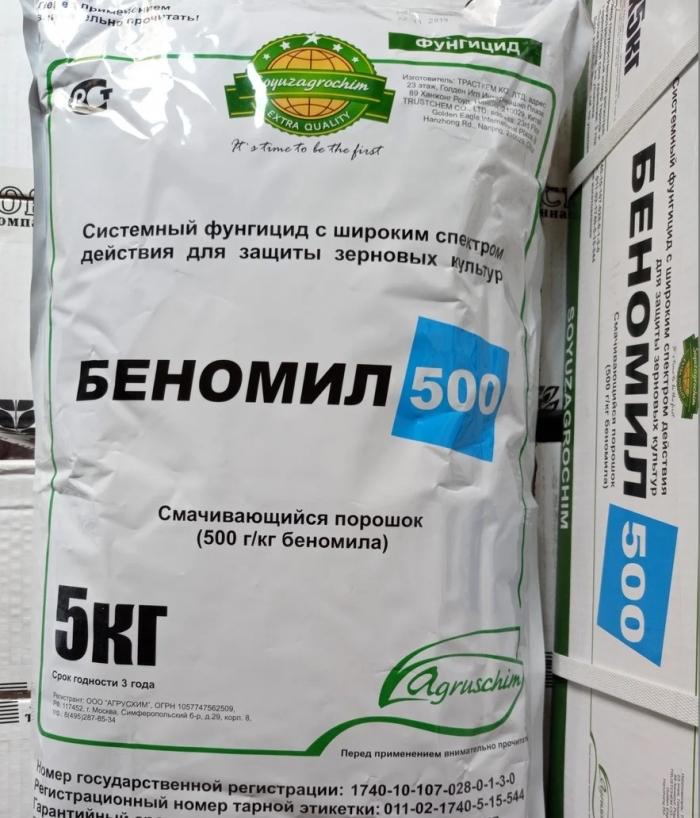
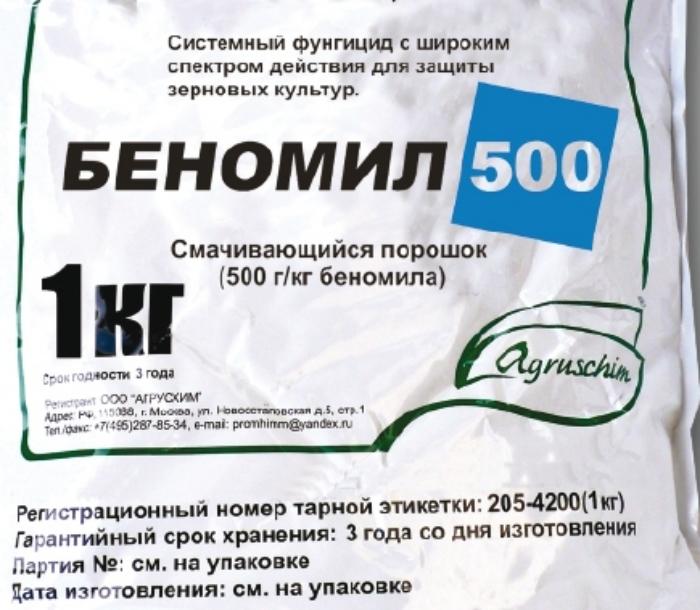
The active ingredient of the drug is benomyl – a white crystalline powder, practically insoluble in water and most organic solvents. It exhibits a broad spectrum of actions: preventative, eradicative, and protective. The powder is packaged in polyethylene bags (weight 1-5 kg).
How does the product work?
Due to its fungicidal action, benomyl disrupts the reproductive function of pathogenic fungi (by interacting with microtubule proteins, it disrupts cell division in the nucleus). The product's protective function is to prevent pathogens from penetrating plant tissue.
During treatment, the working solution is absorbed by the roots, leaves, and stems of plants. The product is non-phytotoxic when applied according to the manufacturer's instructions. However, be aware that benomyl can become toxic when applied to soil at elevated rates. The substance is highly toxic to fish.
Purpose
The product is used to combat a variety of diseases and to protect various plant crops:
- When growing coniferous trees, seed treatment is practiced to prevent mold and lodging of seedlings;
- bulbs and tubers of flower crops are treated before planting or after digging (before storing for winter);
- The seed material of winter wheat, sugar beet, winter and spring barley is treated.
Regular seed treatments are practiced to protect grain crops from snow mold, fusarium root rot, stone smut, loose smut, powdery mildew, phomosis, and false loose smut.
Rules for using the seed dressing
When using the working solution, it is important to follow the manufacturer's instructions and benomyl consumption rates.
| Processing object | Consumption rates | Type of disease | Features of use |
| Winter and spring wheat | 10 l/t | loose and hard smut, snow mold, cercosporella root rot | the seed material is treated before sowing |
| 300 l/ha | powdery mildew | grains are sprayed during the growing season | |
| Winter and spring barley | 10 l/t | Fusarium root rot, stone smut, loose smut, false loose smut | seeds are treated before sowing |
| Oats | 10 l/t | covered smut, loose smut, Fusarium root rot | seed treatment before sowing |
| Winter rye | 10 l/t | Fusarium snow mold, Fusarium root rot, stem smut | the seeds are treated before sowing |
| 300 l/ha | Cercosporella root rot, Ophiobolese root rot | sprayed during the growing season | |
| Sugar beet | 400 l/ha | powdery mildew, cercospora | spraying during the growing season |
When treating growing crops, it's important to remember that the active ingredient moves only within the tissue of the treated leaf, not into other leaf blades. Therefore, after the protective effect wears off, repeat spraying. Double treatment is permitted.
Grains can be processed 30 days before harvest.
Safety precautions
The product is non-toxic to bees and birds. It is considered moderately toxic to humans. When using and preparing the working solution, adhere to the following safety standards:
- work is carried out using personal protective equipment (respirator, safety glasses, rubber gloves and shoes, special clothing);
- During the process of processing plants, you must not remove protective equipment, drink, smoke, or eat;
- Spraying of plants is carried out in dry, windless weather.
When sprayed, the concentration of the product's particles in the air increases and, if inhaled without a respirator, may cause discomfort. Without protective goggles, short-term exposure may cause eye irritation.
If irritation symptoms occur, provide first aid: move from the area to fresh air, remove contaminated clothing, wash the skin with soap, and rinse the mouth. If the solution comes into contact with the eyes, flush them with plenty of clean water for several minutes.
Is compatibility possible?
Benomyl can be used in tank mixes with pesticides or with fertilizers for foliar application. Do not mix Benomyl with alkaline agents (copper sulfate, Bordeaux mixture).
How to store it correctly and for how long
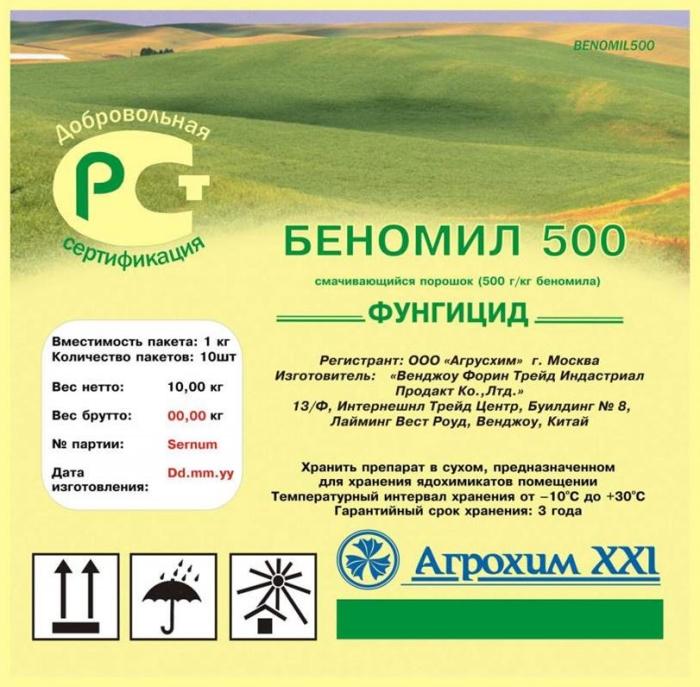
Store in a dry, ventilated area. Do not store the product together with food, drinking water, or animal feed. The active ingredient remains active for up to 3 years from the date of manufacture.
Analogues
For seed treatment, manufacturers produce various fungicide preparations.
- Benorad is packaged in 12 kg polyethylene bags. It is effective against powdery mildew, snow mold, and brown rot of grain crops. It is used for seed dressing and plant spraying during the growing season.
- Nor-bi seed treatment is used to treat grain crops and sugar beets. It can also be sprayed on plants for therapeutic and protective purposes.
Proper use of Benomyl provides long-term protection against fungal diseases. It is effective against a wide range of pathogens. The active ingredient is non-toxic to the crops being treated.