
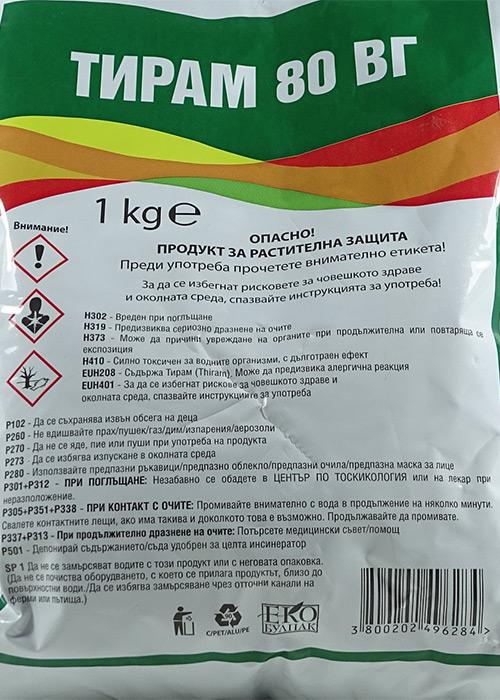
"Thiram" is a highly effective contact fungicide. It helps control fusarium, bacterial wilt, anthracnose, and phoma. It also effectively combats smut, stem and root rot, cercospora leaf spot, and other infections. It is typically used to treat planting stock and the root system of plants.
Main components and release form
The fungicide "Thiram" is an effective protective and therapeutic agent with a contact effect. Its active component is tetramethylthiuram disulfideThis substance is used in agriculture as a treatment for various conditions. It is a white crystalline substance. It is odorless and insoluble in water.
The drug is produced as an aqueous suspension concentrate. A flowable paste and a suspension concentrate are also available. The protective effect of the substance lasts for 4-6 weeks.
The product's contact mechanism of action somewhat limits its effectiveness. It only controls pathogens present on the plant surface. The compound inhibits spore development and mycelial growth in the root system, stems, leaves, and seeds. Therefore, Thiram is usually combined with other products used for treating plant material.
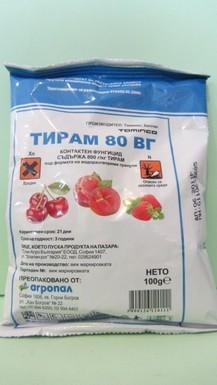
A disadvantage of this product is its tendency to accumulate in plant tissue. It also persists for a long time in water and soil. Therefore, in its pure form, the product is only approved for use on seeds before planting.
Thiram is often used as an active ingredient in other products, including Kemikar-T, Zdorovaya Zemlya, and Vitaros. When used at the manufacturer's recommended concentration, it does not have a phytotoxic effect.
Mechanism of action
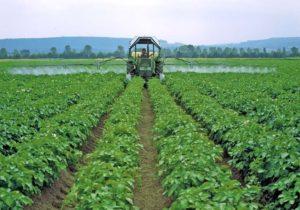
Thiram has a contact effect. This means it doesn't penetrate or accumulate in plants. However, the substance remains active for 1.5 months on the surface of leaves and fruits, as well as within the structure of seeds. It also helps combat fungal pathogens and prevents them from penetrating the plant. This helps prevent crop failure.
Purpose
Thiram is used to combat a variety of diseases. It helps eliminate rot, anthracnose, and ascochyta blight. It also effectively combats fusarium wilt and seed mold.
The product is approved for use on a wide variety of crops. It can be used on beets, wheat, and sunflowers. It also helps combat fungal infections in corn.
How to use correctly
When using Tiram, it's important to strictly adhere to the dosage. The product is typically used to treat seed. Typically, 5-15 liters of the working solution is required per 1 ton of seed. Treatment is performed once per season.
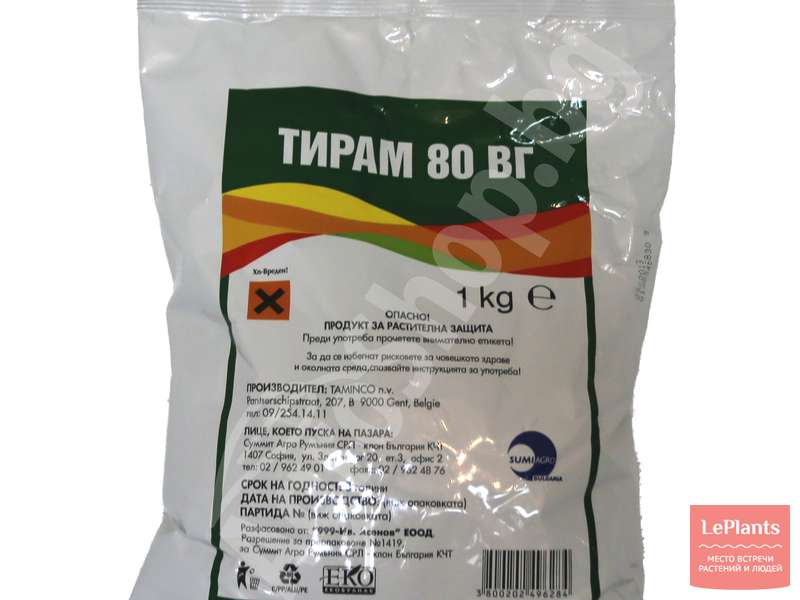
The dosages for using the product depending on the crops are indicated in the table:
| Plant | Suspension consumption rate, liters per 1 ton |
| Corn | 3-4 |
| Sunflower | 4-5 |
| Sugar beet | 8 |
| Winter rapeseed | 3 |
| Winter wheat | 3-4 |
| Winter barley | 3-4 |
| Soybeans | 6-8 |
The working solution must be prepared immediately before use. Since the composition is a colloidal suspension, it easily separates during storage and loses its effectiveness.
Precautionary measures
Thiram is classified as a hazard class 2-3 pesticide. Therefore, it must be used with extreme caution. The substance poses a significant risk to animals, fish, and beneficial insects. People working with the fungicide are advised to observe the following rules:
- Work in protective clothing. It is also necessary to wear goggles and a respirator.
- While performing work, eating, drinking and smoking are prohibited.
- Do not consume alcoholic beverages while handling this substance. This combination can cause severe intoxication. Thiram and its derivatives are a poison with a lipotropic effect. It can cause kidney and liver damage and headaches. It also causes nausea, blood pressure fluctuations, and arrhythmia.
- Contact with skin can cause dermatitis. If the substance gets into the eyes, there is a risk of conjunctivitis. Therefore, if Thiram comes into contact with the eyes or skin, it is important to rinse the affected area with plenty of clean water and consult a doctor.
After using the substance, you must immediately change clothes and take a shower. Even a minor deterioration in health should prompt medical attention. If ingested, the drug can even cause death. Drinking alcohol while using Tiram reduces the lethal dose by half.
Is compatibility possible?
Thiram is non-phytotoxic. It can be combined with many fungicides and seed dressings. It does not inhibit the growth of root nodule bacteria. It also does not reduce the activity of bacterial-based fertilizers. However, Thiram must be applied before such other products.
How to store it correctly and for how long
It is recommended to store the product separately from food. This is best done in a designated area. The product has a shelf life of 3 years.
Analogues
You can replace Thiram with the following means:
- Vitavax;
- "Vitaros";
- Granuflo;
- Vitalon.
Thiram is a fairly effective fungicide that helps combat many diseases. However, it is considered quite toxic. Therefore, it must be used strictly according to the instructions.