Many gardeners face a number of difficulties and problems when growing plants. Crops begin to become diseased and even die. This is often due to various types of rot. Fungal infections present in the soil can also cause problems. Various products can be used to eliminate pathogens, including Trichocin.
What is included in the composition and dosage form
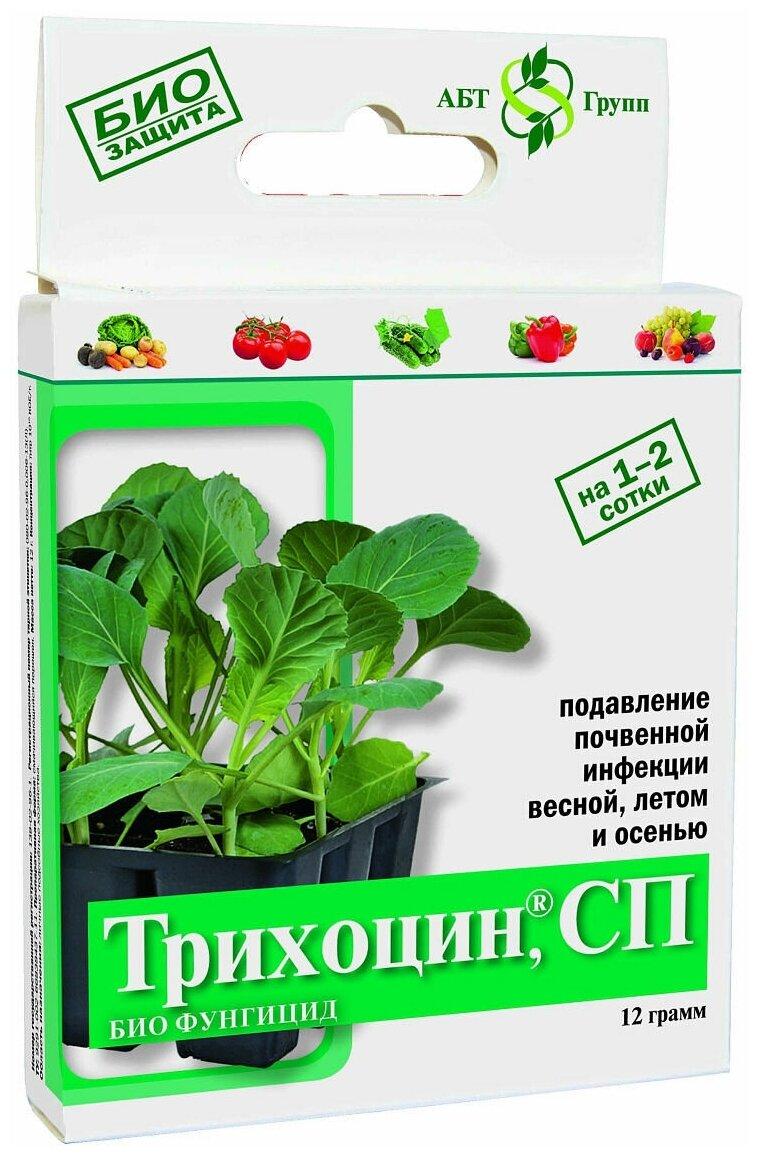
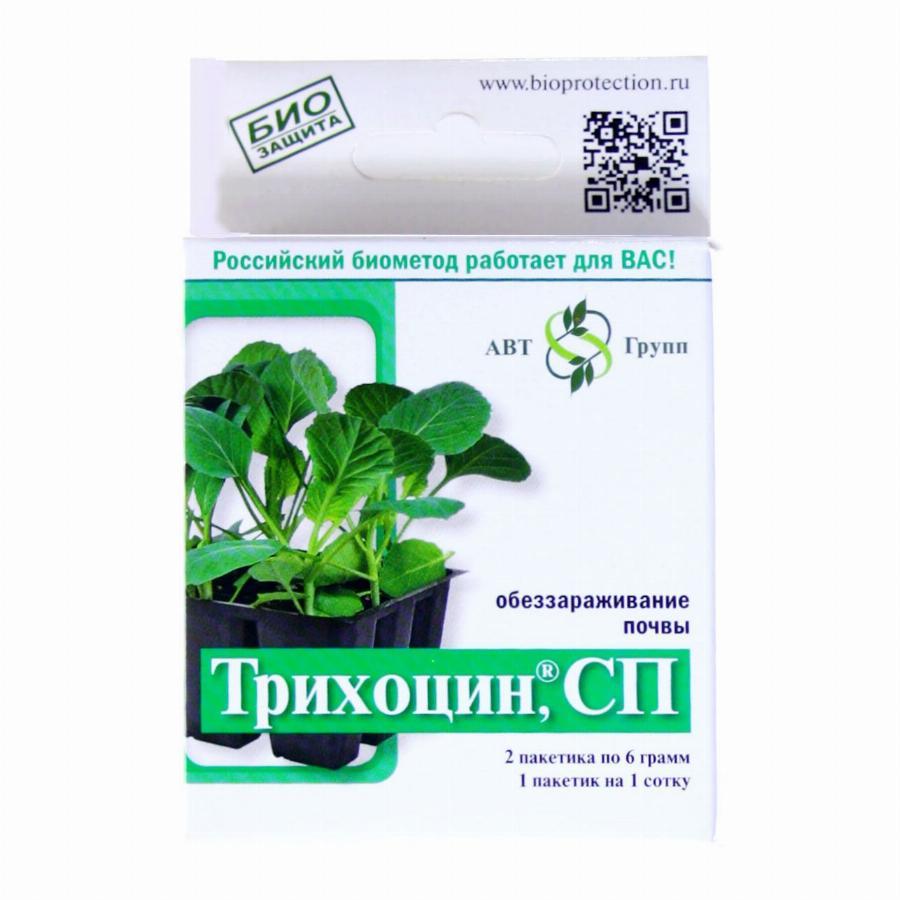
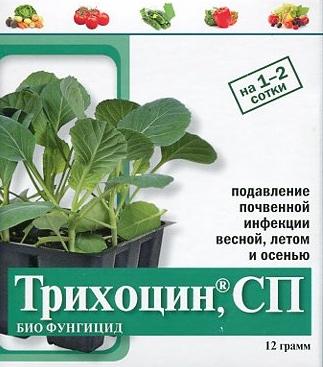
Trichocin is an effective biological soil fungicide based on a strain of beneficial fungi called G 30 VIZR. This component is the active ingredient in the product.
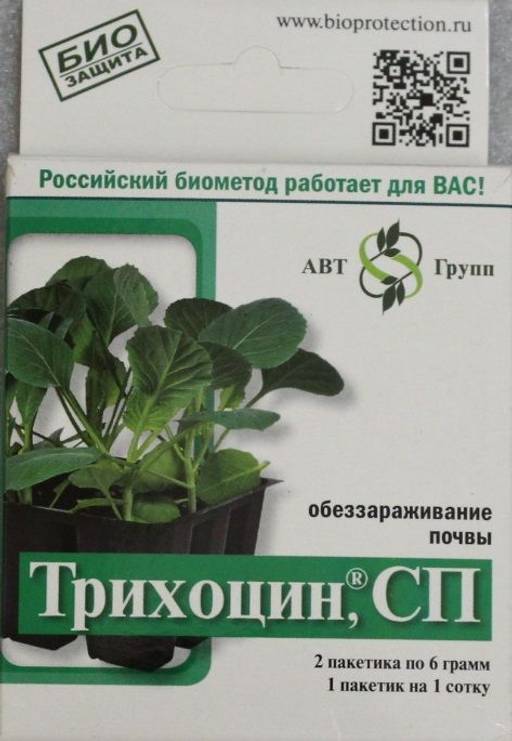
The fungicide is available as a powder that must be diluted with water before use. It is available in paper packaging or plastic containers.
Purpose and principle of operation
The product is intended for soil treatment. It can be used during planting or after harvest. It can also be used during the growing season, for root irrigation. The product helps suppress pathogens that cause various types of fungal rot present in the soil.
A distinctive feature of Trichocin is its compatibility with various medications. Therefore, it can be used not only to combat rot but also to treat other diseases. This medication has many advantages:
- Safe composition. This ensures that the fruits of processed crops are environmentally friendly.
- Increasing plant yields.
- Enhances the flavor of vegetables, fruits, and grains. This substance helps increase sugar content and vitamin content.
- Relieving stress in plants after improper or excessive use of fertilizers or other products.
- Suitable for use with various irrigation systems. The composition does not clog drippers or other components.
- Permissibility of use in sanitary zones near fisheries complexes.
- Long protection period, up to 30 days. Even after a single treatment, the product begins working immediately.
- Restoration of beneficial soil microflora.
- No harm to the environment. The substance poses no danger to humans, birds, or animals.
- Convenient to use and store.
- Long shelf life. If unopened, the shelf life is up to 2 years.
Instructions for use
Trichocin is widely used for soil disinfection. It can be used to protect garden beds from fungal infections. It is particularly beneficial for cucumbers and tomatoes. Garden beds can be treated at various stages of soil preparation and for growing seedlings. Experts recommend using the compound for preventative purposes. It helps suppress the development of root rot.
In addition, the substance is suitable for treating vegetables grown in greenhouses. Experienced gardeners use the composition not only to treat the soil and plants, but also the greenhouse structure itself.
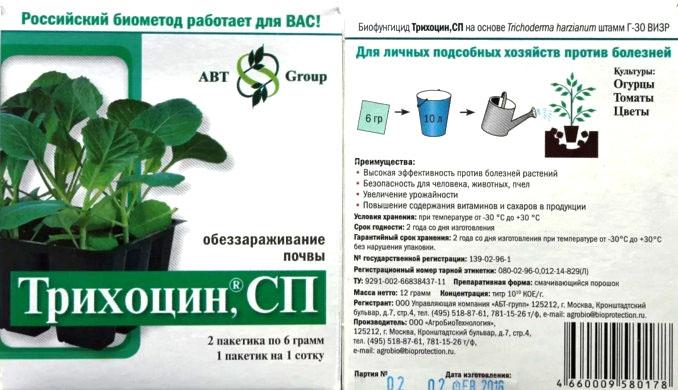
When preparing the working solution, consider the recommended application rates and the type of work. Typically, the contents of the sachet should be diluted with 10 liters of water. Typically, this amount of solution requires 6 grams of the substance. This volume of solution is sufficient for 100 square meters of garden beds before planting seedlings.
The working solution can also be used to water the beds when planting young bushes. In this case, 100-150 milliliters of liquid is required per bush. For ornamental plants, 2.5-3 liters per square meter is recommended. The solution is suitable for disinfecting the soil before planting and for treating already planted crops.
Trichocin is used to moisten the soil before planting cabbage, lettuce, and beets. In this case, 40 grams of the product is required per hectare. For grapes, the product should be applied during the growing season. In this case, the dosage is increased to 80 grams.
The composition can also be used for soybeans and potatoes. It is also effective for treating carrots and rapeseed. In this case, 40 grams of the product should be used per hectare of crops. Trichocin is also often used when growing cereals. The composition is also suitable for soaking seeds before planting. To achieve the desired results, 20 grams of the product is used per ton. During the growing season, 20-40 grams of the product should be used per hectare.
Another advantage of Trichocin is its ability to combat gray mold on strawberry bushes. This is because it's the only product approved for use during harvest. To combat the disease, rotten berries and damaged foliage should be removed. The bushes should then be treated with the product. This treatment should be repeated several times, spaced weekly.
Precautionary measures
Trichocin is classified as a Class III bee hazard. To protect your apiaries from its effects, it's important to follow these recommendations:
- Treat the soil and plants before insects fly in. This should be done early in the morning or late in the evening.
- Do not spray the solution if the wind speed exceeds 4-5 meters per second.
- If possible, take the apiary away for a day at a distance of at least 2 kilometers.
Trichocin is not particularly harmful to humans. However, when using it, certain precautions should be taken: do not drink, smoke, or eat. To prevent allergic reactions on the skin, wear gloves when handling the solution.
Is compatibility possible?
Trichocin works well with various fertilizers, including mineral ones. It can be combined with fungicides and pesticides of biological origin. However, combining the product with chemicals is strictly prohibited.
Expiration date and storage conditions
It is recommended to store this product in a dry place. Temperatures should range from -30 to +30 degrees Celsius. Store separately from food and medications.
What to replace it with
Effective analogues of the substance include:
- "Gamair";
- "Arcerid";
- "Clean barrel".
Trichocin is a useful product that effectively combats various types of fungi. It can be used on any crop. However, it's important to strictly adhere to the dosage and application instructions.