Growing grains often carries the risk of damage to some plants from fungal diseases. Fungicides are used to prevent or treat these diseases. Let's look at the composition and operation of the fungicide "Kazim," its purpose, dosage, and application rate. We'll also discuss its compatibility, storage times, and possible substitutes.
What is included in the composition and existing forms of release
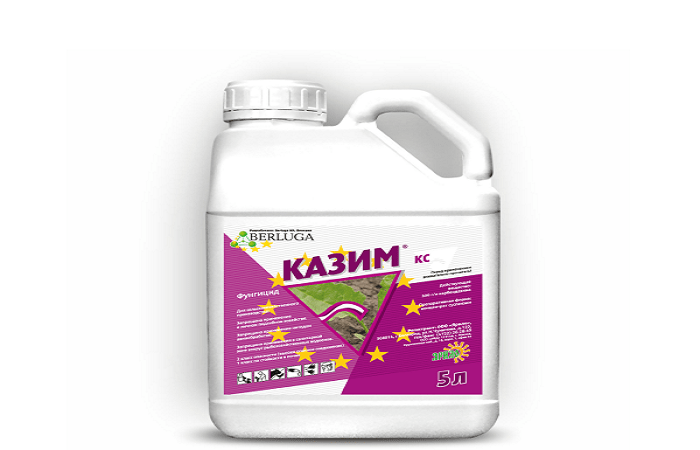
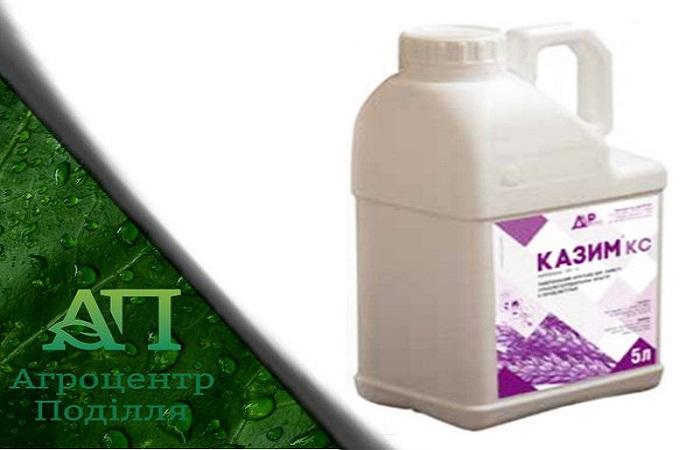
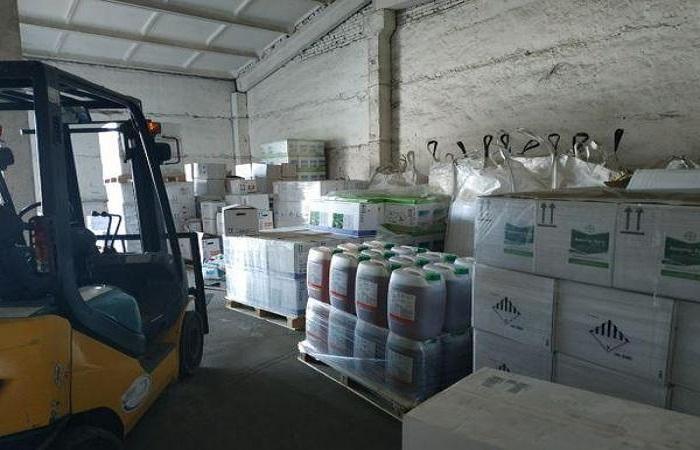
The manufacturers of the fungicide "Kazim"—Garant Optima and AFD LLC—produce it as a concentrated suspension in 5-liter canisters. The active ingredient is carbendazim, at a concentration of 500 g per liter. This product has a systemic, protective, and therapeutic effect.
Operating principle and purpose
"Kazim" is used for spraying wheat, barley, and rye crops, treating sugar beets, and as a seed dressing. In grain crops, it combats root and basal rot, powdery mildew, and helminthosporiosis, preventing lodging; in sugar beets, it combats cercosporiosis and powdery mildew.
Carbendazim inhibits cell division and is effective in a wide range of weather conditions, not always favorable. It does not negatively affect the activity of enzymes involved in DNA replication. It penetrates plants quickly, and the solution is virtually impervious to rain.
When applied prophylactically, the fungicide prevents infection and delays the development of symptoms for a while. If the disease has already developed, it treats the plants. The effect lasts 2-4 weeks, depending on the weather and the severity of the disease. Plants are protected until they reach the tillering stage (the appearance of the second node).
When seed treatment is applied 1-30 days before sowing, the substance penetrates the plants 10-29 days after planting. If soil moisture is optimal, the product's effect begins as early as the second day after the seeds are placed in the soil.
Calculation of consumption
For root and basal rot, the dosage is 0.3-0.6 l per hectare, for powdery mildew and helminthosporiosis – 0.5-0.6 l per hectare, for beet spraying – 0.6-0.8 l per hectare. The solution consumption is 300 l per hectare. Number of treatments: against rot – 1, against helminthosporiosis and powdery mildew – 2, beet is treated 3 times. The waiting period for grain crops is 40 days, for beets – 48 days.
Terms of Use
The fungicide "Kazim," when used according to the instructions and not exceeding the recommended dosage, is non-toxic to plants. It does not affect crop rotation. Furthermore, if used correctly, pathogens do not develop tolerance to it. To reduce the risk of tolerance, it is recommended to alternate "Kazim" with products containing active ingredients from other classes.

Safety precautions
Kazim's toxicity to humans is hazard class 2, and to bees, it's hazard class 3. The product is also toxic to fish and aquatic organisms, so it should not be used in fields located near water.
Do not remove protective equipment while working. If the solution does come into contact with your skin, be sure to rinse it off with water. Do the same if the solution gets into your eyes. Rinse your eyes with clean water for at least 15 minutes.

Is compatibility possible?
"Kazim" can be combined with all major pesticides, growth regulators, and fertilizers, except those with an alkaline reaction. Do not use the fungicide on the same plot for three or more consecutive seasons. Carbendazim can accumulate in the soil and negatively affect plants.

Before diluting a solution together, a compatibility test should be performed. To do this, dilute each of the preparations with a small amount of water and mix them together. If they are compatible, the solution will remain unchanged—its color, temperature, and consistency will remain the same. If a color change, increase in temperature, or precipitation is noticeable, do not mix the preparations.
How and how long can it be stored?
The Kazim fungicide can be stored for two years from the date of production. It should be stored in a dry, ventilated, and darkened area. Store the concentrate only in its original, undamaged, and sealed container. Do not use the fungicide after the expiration date. Diluted with water, the product should be used on the same day it is prepared. The fungicide solution has a shelf life of only one day, after which it loses its effectiveness.
Substitute products
In agriculture, the fungicide "Kazim" can be replaced with products containing carbendazim: "Cardinal 500", "Karzibel", "Carbonar", "Doctor Crop", "Derozar Euro", "Kardon", "Azorro", "Carbenzym", "Colfugo Super", "Comfort", "Zimoshans", "Credo", "Kazimir", "Strekar", "Sarfun", "Colfugo Duplet", "Impact Exclusive", "Axiom", "Ferazim", "Novus-F", "Zim 500", and "Ferazim Green". All products contain carbendazim, but in different quantities, their purpose and application are similar. "Kazim" is not intended for use in private farms.
Kazim has a fungicidal effect and is used against rot, powdery mildew, and other fungal diseases on grains and beets. It combats existing diseases or prevents them. It can be used as a preventative spray or when signs of disease are present, as well as for seed treatment. It is effective and economical.
Related posts:
 The best eggplant varieties for growing in a polycarbonate greenhouse: planting and care
 Methods for planting and propagating cherries at home
 How to control carrot flies with medications and folk remedies
 Is it possible to plant carrots in July or at the end of June? What are the best days and care instructions?
 The best grape varieties for growing in the Urals, planting and care rules in summer
 How to properly plant peas in a greenhouse and open ground
 Instructions for use and composition of the fungicide Zim 500, dosage and analogues
 The health benefits and contraindications of black currants