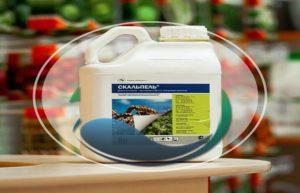
Grains and vegetables grown commercially require protection from disease-causing fungi. Let's explore the composition of the fungicide "Zim 500," its effect on plants, its mechanism of action, proper application, and solution consumption. We'll also discuss safety precautions for handling it, its compatibility with other fungicides, storage instructions, and similar products.
What is included in the composition and existing forms of release
Zim 500 is manufactured by Shchelkovo Agrokhim CJSC. It contains the active ingredient carbendazim at a concentration of 500 g per liter. The fungicide is available as a suspension concentrate in 10-liter plastic canisters. It is classified as a systemic fungicide in terms of penetration and a protective agent in terms of its action.
What plants does it affect?
"Zim 500" begins to work 3-5 hours after spraying, and its effectiveness lasts up to 3 weeks. It is used to treat wheat and barley seeds against hard smut and loose smut, root and basal rot, and mold. It is also used during the growing season for wheat against rot, powdery mildew, and helminthosporiosis, and to prevent lodging; and for sugar beets against cercospora leaf spot and powdery mildew.
Mechanism of action
Carbendazim is absorbed by plants through the roots and leaves, and the substance travels upward through the tissues. The compound inhibits fungal cell division. Because it spreads throughout the plant, the fungicide can affect areas missed by spraying. Due to its therapeutic action, Zim 500 can suppress an already established disease after its first symptoms appear.

Calculation of consumption
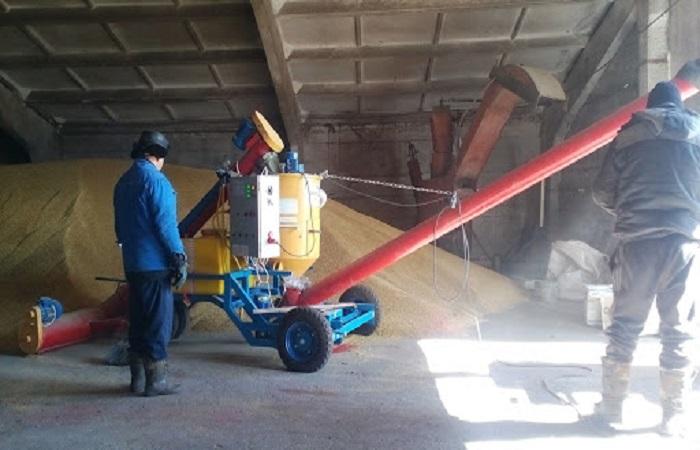
For seed treatment, the dosage is 1-1.5 liters per ton, and the consumption of the prepared solution is 10 liters per ton. Treatment is carried out either before sowing or beforehand. The solution dries on the seed surface without shedding, and upon contact with the soil, it protects the seeds and seedlings from fungal pathogens.
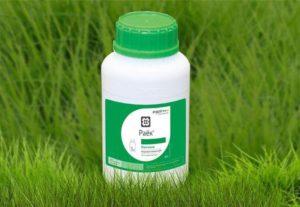
Wheat is sprayed with a solution of "Zima 500" at a rate of 0.3-0.6 liters per hectare against rot, and 0.5-0.6 liters per hectare against powdery mildew and helminthosporiosis. Beets are treated with a solution at a rate of 0.6-0.8 liters per hectare. 300 liters of the solution are used per hectare of grain and vegetables. The waiting period is 30-35 days, and the number of treatments required for wheat against rot is one, for powdery mildew and helminthosporiosis – one-two, and for beets – three.
Terms of Use
"Zim 500" is used only in agriculture. It should be applied during the growing season, to prevent disease outbreaks, or when the first symptoms are detected.
If you follow the consumption rates and rules for using the fungicide, the likelihood that fungi will become accustomed to the product is low.
Safety precautions
Zim 500 is quite toxic, classified as hazard class 2 for humans and hazard class 3 for bees. It should not be used near bodies of water due to its toxicity to aquatic organisms. It is permitted to use aircraft to treat fields with this fungicide.

When working with the fungicide, wear protective clothing, a respirator, gloves, and plastic goggles to protect your skin, eyes, and respiratory system from the toxic substance. Do not remove clothing or protective equipment while working.
If the solution splashes onto skin or mucous membranes, immediately rinse with water for several minutes. If swallowed, take activated charcoal tablets with water. After 15 minutes, induce vomiting to clear the stomach.
Is compatibility possible?
Zim 500 can be combined with many pesticides used for treating grains. However, before mixing two products, they should be tested for compatibility. Take a small amount of each product, dissolve them in water, and mix the solutions. If there is no change in the solution's properties, the products can be combined. If a rise in temperature, a change in color or consistency, or precipitation or flakes are observed, do not mix the products.

How and how long can it be stored?
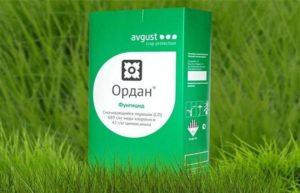
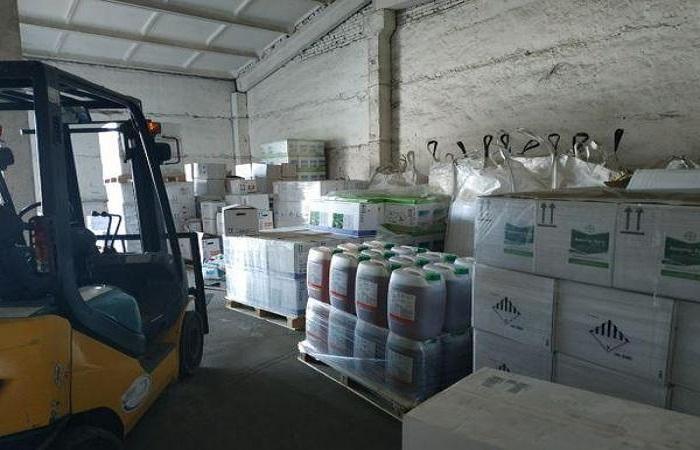
Store Zim 500 fungicide in a room used for pesticides, chemicals, and fertilizers. It should be dry, moderately lit, and kept at temperatures between -10°C and +30°C. Protect from sunlight and moisture, so store it only in its original containers, undamaged, with the lids closed. The shelf life, under proper storage conditions, is 2 years.
Do not store food, medications, or household products near the product. Do not use Zim 500 fungicide after its expiration date. The prepared solution should be stored for no more than 24 hours; after that, it is not recommended for use due to loss of effectiveness.
Analogues
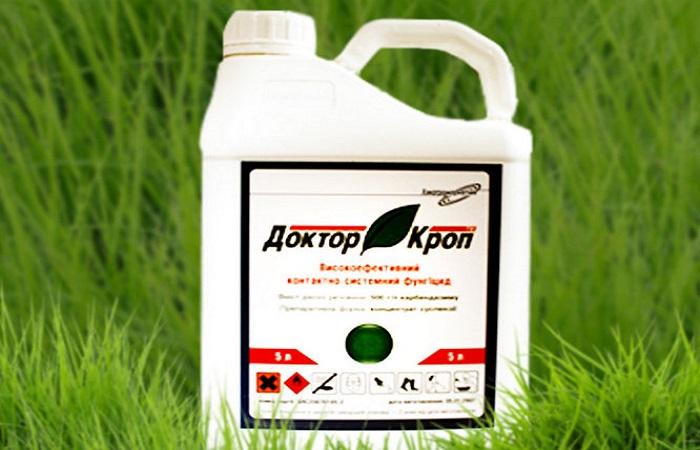
"Zim 500" can be replaced with drugs that contain carbendazim: "Zimoshans", "Kardon", "Karzibel", "Derozal Euro", "Carbonar", "Kazimir", "Novus-F", "Azorro", "Colfugo Duplet", "Axiom", "Strekar", "Doctor Krop", "Credo", "Sarfun", "Impact Exclusive", "Kazim", "Ferazim", "Ferazim Green", "Colfugo Super", "Carbenzim", "Comfort", "Cardinal 500".
The fungicide "Zim 500" is used for spraying wheat and sugar beets against common fungal diseases and for treating wheat seeds before sowing. It comes in a convenient formulation and packaging. The solution penetrates all parts of the plant due to its systemic action. It can provide both preventative and therapeutic action at the first signs of disease. It prevents lodging of wheat plants. Its low dosage makes it economical to use. It is toxic to humans, so only use with protective equipment.
Related posts:
 The best eggplant varieties for growing in a polycarbonate greenhouse: planting and care
 Methods for planting and propagating cherries at home
 The best grape varieties for growing in the Urals, planting and care rules in summer
 The health benefits and contraindications of black currants
 The health benefits and harms of cherries, rules of consumption, and their effects on the body
 Tornado 500 instructions for use, dosage, and analogues
 How to control carrot flies with medications and folk remedies
 Top 40 DIY New Year's Baking Recipes for 2020