
Agrochemicals called fungicides are designed to protect plants from various types of infections. These products contain various active ingredients and come in various formulations and are used to protect cereals, vegetables, fruit trees, forage grasses, and other crops. For example, the fungicide "Scalpel" is used to treat cereals and sugar beets.
What is included in the composition and dosage form
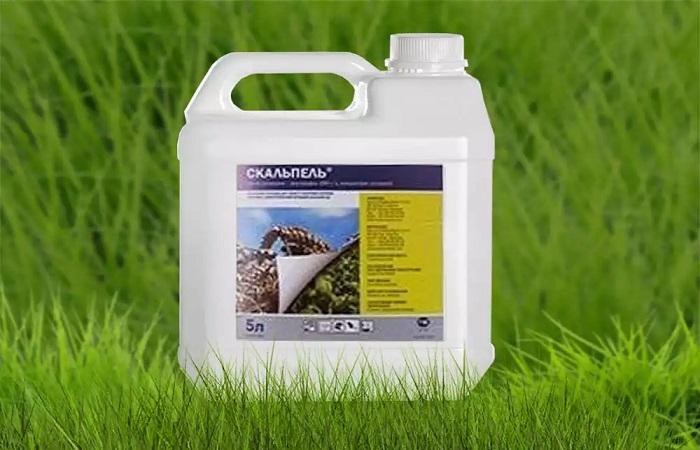
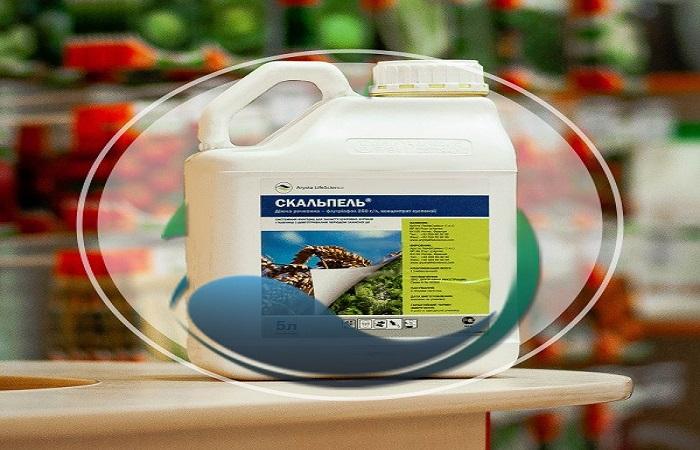
"Scalpel" suspension concentrate contains flutriafol at a concentration of 250 grams per liter. It is intended for the preventive and therapeutic treatment of crops against fungal pathogens. It is a broad-spectrum systemic fungicide and belongs to the triazole class of chemicals.
The product is supplied to the market in 5-liter canisters. Each package comes with manufacturer's instructions, detailing the product's intended use, name, and method of use. The fungicide should be used strictly according to the instructions, and do not exceed the recommended dosage.
Mechanism of operation
After plant treatment, the product penetrates various planting systems within a few hours. The fungicide acts on the intercellular membranes of fungi, destroying the mycelium if the plant is already infected.
It can be used as a preventative treatment for crops. In this case, it protects healthy crops by preventing fungal penetration into plant tissue.
What is it used for?
This fungicide is used to protect and treat cereals (winter and spring wheat, winter and spring barley) and sugar beet crops. It is not used in private farms. The advantages of "Scalpel" include:
- cost-effectiveness of the product;
- impact on a significant number of fungal plant diseases;
- compatibility with other agrochemicals.
This is an imported (produced in France) highly effective fungicide. When used according to the manufacturer's instructions, it is non-phytotoxic.

Calculation of consumption
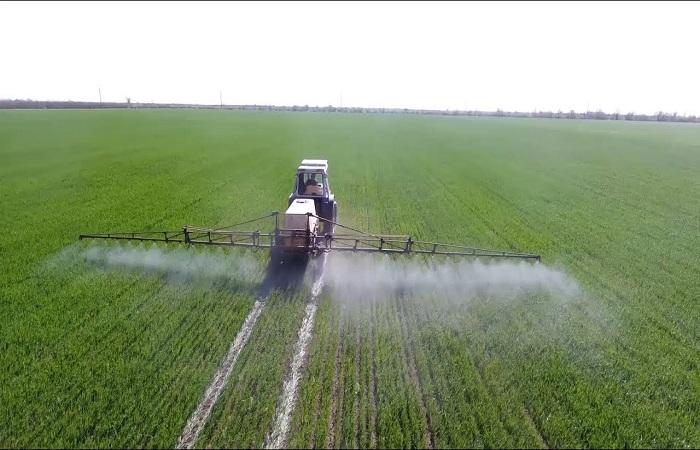
The plantings are treated with a working solution of the product. It is used immediately after preparation; after 24 hours, the effectiveness of the product decreases.
| Consumption of concentrated suspension | Cultivated crops | What diseases does the drug treat? | Method and period of treatment, consumption of working fluid, in liters/hectare | Number of sprayings per season |
| 0.25 | Sugar beet plantings | With phomosis, powdery mildew, cercospora | Treatment during the growing season, when the first signs of infection are detected, repeat spraying of the crop - after 1.5-2 weeks, 300-400 | 30 (1-2) |
| 0.5 | Crops of spring and winter barley | With rincosporiosis, net and dark brown spot, dwarf rust, powdery mildew | Processing in the flank leaf-ear extension phase, 300 | 40 (1) |
| 0.5 | Spring and winter wheat crops | With fusarium head blight, powdery mildew, yellow rust, brown rust, stem rust, pyrenophorosis | During the period of flag leaf emergence.
In case of fusarium head blight - the period of heading/flowering, 300 |
40 (1-2) |
Entering the fields to treat crops after exposure to the fungicide is permitted no earlier than 3 days later.
Terms of Use
Work begins with preparing a working solution of the fungicide. Pour 1/3 of the calculated amount of water into the tank, add the suspension concentrate with the mixer running, top up with the remaining water, and continue mixing for 7-10 minutes.
Important: When treating plants during flowering, beekeepers should be warned and insect flight should be controlled. The product is prohibited for use in water protection zones of bodies of water.
Safety precautions
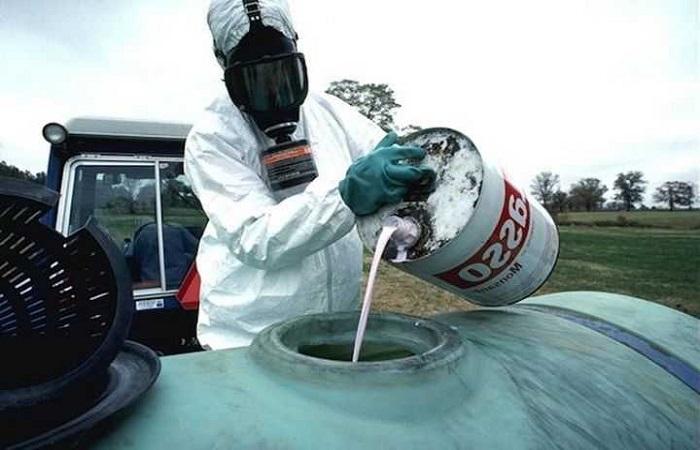
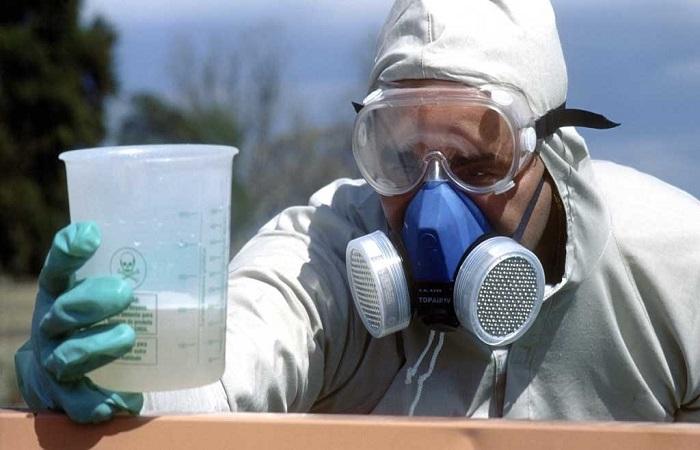
The product is moderately toxic (class 3 hazard for humans and bees). The working solution must be prepared in specially equipped areas. Personnel handling the fungicide must undergo appropriate training and be provided with personal protective equipment (suits, rubber gloves, respirators, goggles or protective shields, and rubber boots). Eating and smoking are prohibited until the work is completed.
How and how long can it be stored?
The product is stored in warehouses designed for agrochemicals. The area must be dry, ventilated, and out of direct sunlight. Unauthorized persons, children, and pets and farm animals are not allowed into the warehouse. It is kept tightly sealed in the manufacturer's packaging. The fungicide canister must be labeled with the name and intended use of the product.
The shelf life of the product is 3 years from the date of manufacture.
What to replace it with
There are fungicides with identical composition: "Alpha-Phoenix" KS; "Fitolekar" KS; "Triafol" KS; "Fluplant" KS.
Related posts:
 Types of garden fungicides and descriptions of the top 24 best, instructions for use
 Instructions for using Falcon fungicide for treating grapes
 Instructions for use of Fitosporin for grape diseases and dosage
 List of the top 16 fungicides for grapes and instructions for their use
 Instructions for using the top 17 fungicides for tomatoes and their types
 Instructions for use and composition of the fungicide Teldor, application rates
 Types of fungicides for cucumbers in a greenhouse and instructions for use
 Instructions for use of the fungicide Topaz for plants, composition and analogues