
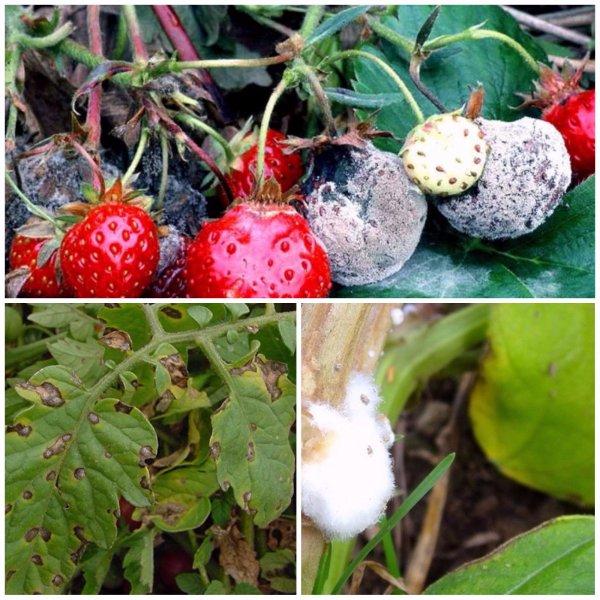
Fungal infections of fruit crops lead to reduced yields and plant death. To prevent and eliminate microorganisms at the early stages of infection, farmers and small gardeners use fungicides. These destroy fungal spores and prevent re-infection. The instructions for the fungicide "Teldor" recommend using it to treat white and gray mold.
Composition, existing forms of release and purpose
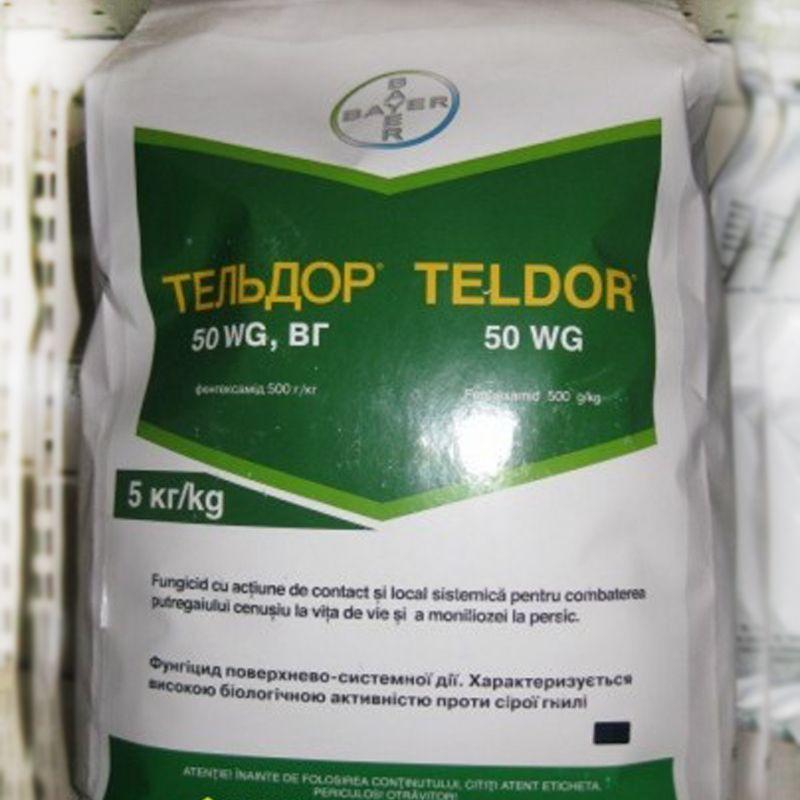
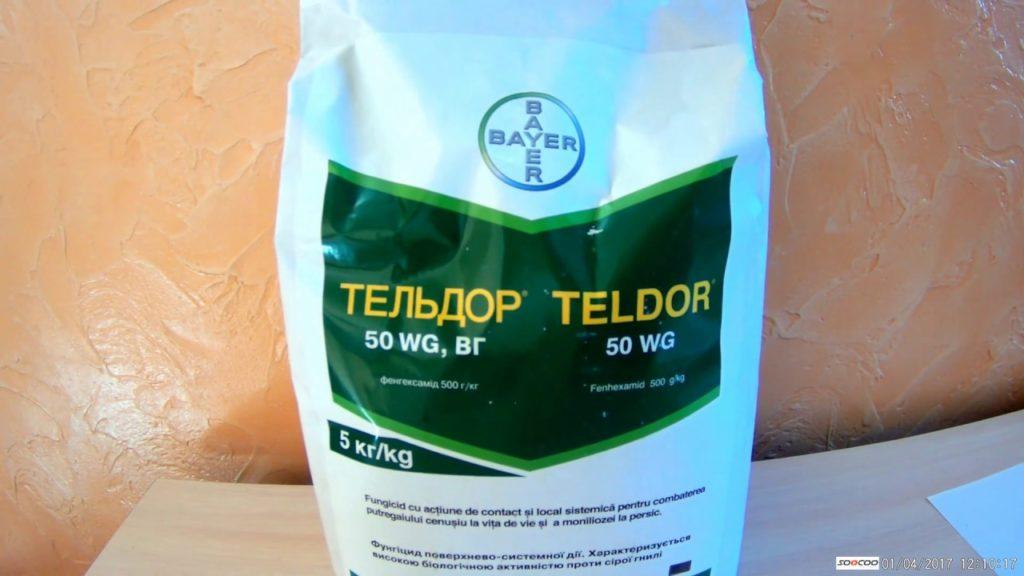
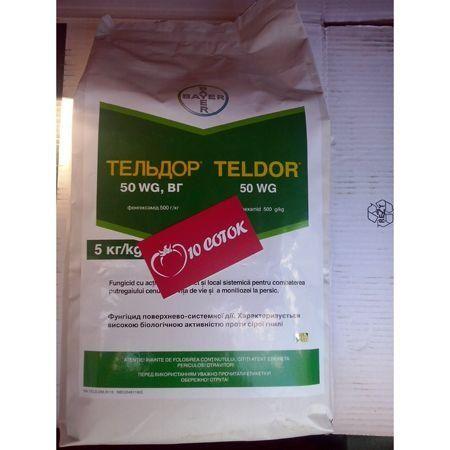
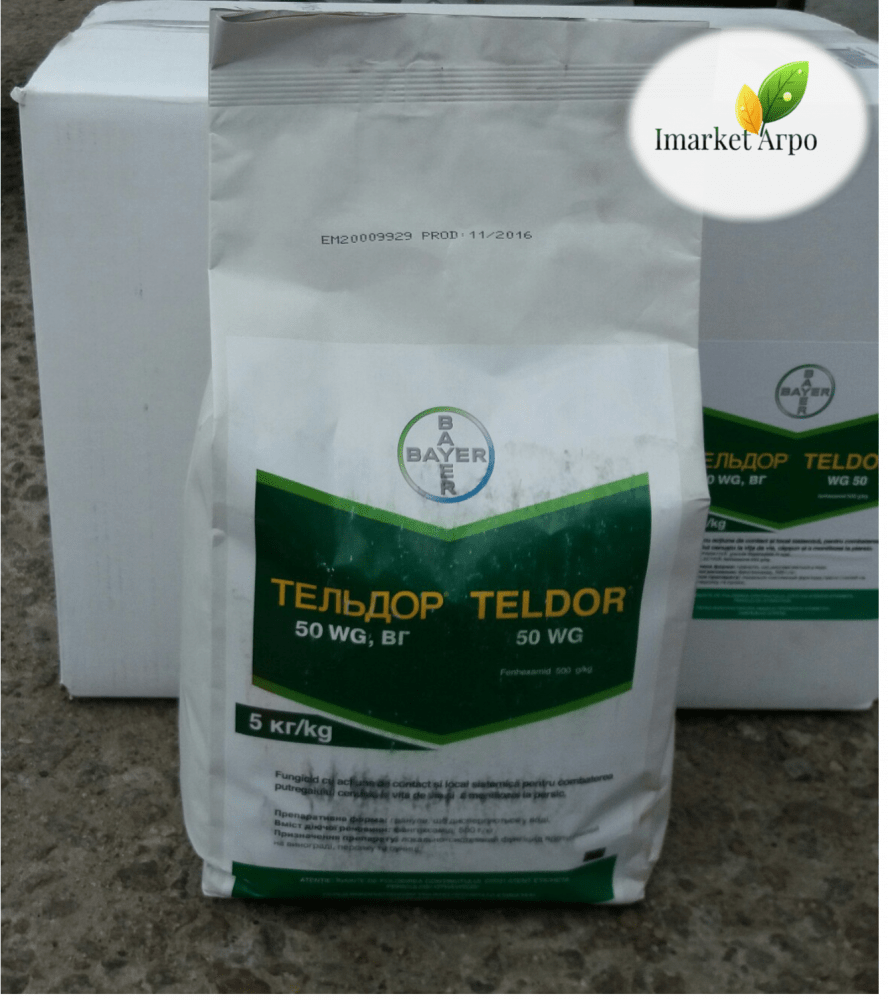
Teldor is a local-systemic fungicide designed to both combat and prevent fungal diseases. Its main active ingredient is fenhexamide. One kilogram of Teldor fungicide contains 500 grams of fenhexamide.
The product is sold in 5-kilogram packages. It is produced as water-soluble granules. It effectively combats various types of rot on fruit crops and prevents the development of storage diseases.
If plants have developed resistance to standard pesticides, Teldor comes to the rescue.
The favorable ecotoxicological properties of the local-systemic fungicide contributed to the fact that the product was registered in a short time, even in countries with strict requirements for the composition of chemical preparations.
Mechanism of action
The active ingredient in the fungicide "Teldor" has an innovative mechanism of action against fungal pathogens that cause fruit crops. Fenhexamide inhibits C-3 reductase in ergosterol synthesis, thereby blocking the development and growth of the fungal germ tube and mycelium.
A few hours after treating plants with Teldor, a protective film forms on the foliage surface, preventing pathogens from penetrating the fruit tree. Rainfall occurring 2-3 hours after spraying does not wash away the product or negatively affect its effectiveness.
Advantages of fungicide
Farmers and gardeners have identified several advantages of the locally systemic fungicide "Tel'dor" over the years of using it, distinguishing it from other chemical means of protecting fruit plants.
Calculation of consumption
To ensure that a local-systemic fungicide can achieve its intended purpose and demonstrate maximum effectiveness, it is necessary to correctly calculate the application rate for each plant variety.
Teldor standards are presented in the table.
| Cultivated crop | The causative agent of the disease | Norm of the drug | Number of treatments |
| Grape | Gray rot | 1 kg of the preparation per hectare of treated plantation | Twice during the growing season |
| Peach trees | Scab and moniliosis | 800 grams of fungicide per hectare of plantings | Twice a season |
| Garden strawberries | Gray rot | 800 grams of product per hectare of plantings | One-time preventive spraying |

How to prepare a working mixture
Before preparing the working solution, you need to prepare a container in which to dilute the fungicide. It is advisable to use plastic buckets for this purpose, as metal ones may oxidize.
The preparation of the solution depends on the crop being treated and the purpose of spraying:
- Strawberry and strawberry bushes. Use this product as a preventative measure against gray mold. Pour 2.5 liters of water into a container and add 8 grams of Teldor granules. Stir until completely dissolved, then add another 2.5 liters of water, stir again, and then add to the sprayer.
- Fruit trees. Treatment for moniliosis and scab. Use 8 grams of granules per 10 liters of filtered water. This volume of solution is typically sufficient to treat 100 square meters of fruit trees.
- Grape plantations. Spraying is used to prevent the development of gray mold. Apply 10 grams of local-systemic fungicide per 10 liters of clean water. The working solution is sufficient to spray 100 square meters of the plantation.
After treating trees and other plants, harvesting can begin no earlier than after 10 days have passed.
Instructions for use
Spraying of fruit crops is permitted throughout the entire growing season - the first treatments are carried out at the flowering stage, and the last ones - during the ripening period of the fruits.
All work is recommended to be carried out on a clear day with low wind speeds. If precipitation occurs a few hours after treatment, this does not reduce the fungicide's effectiveness, as it quickly penetrates plant tissue and begins its action. The protective effect lasts for 14-16 days. It is recommended to carry out no more than three sprayings per season.
Safety precautions
When working with chemicals, it is necessary to adhere to safety precautions:
- The entire body must be protected by a work suit or overalls, and gloves must be worn on the hands.
- Hair is hidden under a headscarf, and a respirator is used to protect the respiratory tract.
- Any remaining working solution should be disposed of away from the site; under no circumstances should the fungicide be poured into a nearby body of water.
- After finishing work, wash your clothes and take a shower to wash off any accidental drops of the preparation.
The container is washed under running water and put away in a utility room, without subsequently being used for harvesting.
Phytotoxicity
When the recommended dosage and frequency of use of the local-systemic chemical were observed, no cases of phytotoxicity were identified.
Possible compatibility
The fungicide cannot be used in tank mixes due to incompatibility with other chemicals. At least 10 days must elapse after previous treatment with another product.
Storage conditions
The shelf life of this chemical for treating fruit crops is two years from the date of manufacture, provided the packaging is sealed. Once opened, the fungicide should be used as soon as possible before it loses its effectiveness.
When storing Teldor, adhere to the following rules:
- The utility room should be located away from residential buildings to ensure that pets and small children do not have access to the product.
- The temperature should not exceed 25 degrees Celsius, and the humidity should not exceed 70%.
- It is necessary to prevent the drug from being exposed to direct sunlight.
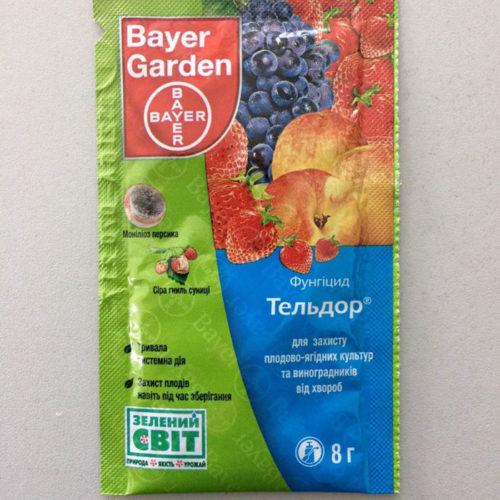
If the drug accidentally comes into contact with your skin or eyes, rinse with plenty of water and seek medical attention.
Similar means
The fungicide can be replaced with the following chemicals:
- Magnicur Gard is a systemic fungicide used to treat fungal and bacterial diseases of fruit plants. After treatment, it forms an impermeable film on the upper surface of the foliage, preventing pathogens from penetrating into the plant tissue. The effect is observed within 5 days of treatment.
- Baktofit. Effective in both the prevention and treatment of fungal and bacterial diseases. Microorganisms die within a week of spraying.
In addition, products such as Ronilan, Bayleton, Sumilex, Kumulus, and Tekto have earned positive reviews. Before using any chemical plant treatment, it is essential to read the instructions and follow the recommended dosage to achieve the desired results.
Related posts:
 Instructions for use and composition of the fungicide Fitosporin-M, application rates
 Instructions for using Falcon fungicide for treating grapes
 Types of garden fungicides and descriptions of the top 24 best, instructions for use
 Composition and instructions for use of the fungicide Kumulus, application rates and analogues
 Instructions for use and composition of the fungicide Optimo, application rates and analogues
 Instructions for use of the fungicide Topaz for plants, composition and analogues
 Instructions for use and composition of the fungicide Raek, application rates and analogues
 How to propagate and grow peas, cultivation technology, and care in open ground