
Contact fungicides are used to protect fruit trees, shrubs, and other crops by both farmers and small-scale gardeners. They help prevent widespread infestations and increase yields. The fungicide "Kumulus" is used to treat apple trees, pear trees, berry bushes, and grapevines. This product has many more advantages than disadvantages, making it a popular choice among gardeners.
Composition, existing forms of release and purpose
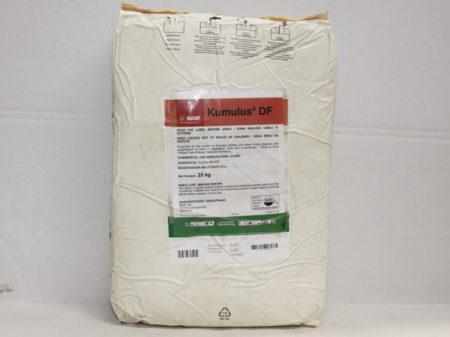
"Kumulus" is used both for plant treatment and as a preventative measure against fungal diseases. The main active ingredient in this contact fungicide is sulfur, of which 1 kg of "Kumulus" contains 800 grams. The product is sold as water-dispersible granules packaged in 40-gram sachets and 25-kg sacks. The latter option is most often purchased by farmers with large fields or orchards.
A contact fungicide is used to control diseases of fruit crops such as oidium, scab, powdery mildew and rust.
Method of work
The fungicide's main active ingredient inhibits the vital processes of fungal microorganisms and prevents the germination of their spores. "Kumulus" is characterized by high gas-phase activity.
Advantages of fungicide
Due to its list of advantages, contact fungicide is often used by gardeners to protect trees and shrubs.
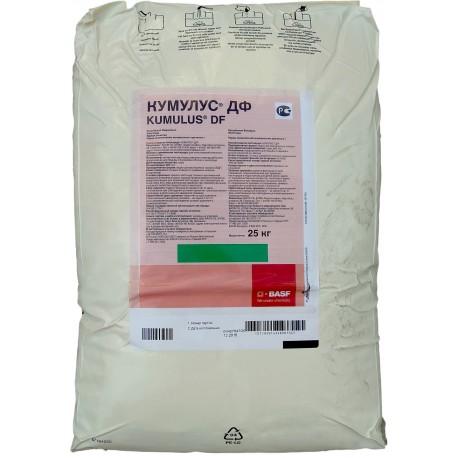
Calculation of consumption for different crops
In order for the drug to effectively combat pathogens, it is necessary to correctly calculate the required dose.
| Culture | Disease | Cumulus norm | Number of treatments |
| Grape plantations | Oidium | 40 grams per 10 liters of water | Three times per season |
| Blackcurrant and gooseberry bushes | Powdery mildew | 30 grams per 10 liters of water | Twice a season |
| Rose bushes | Powdery mildew | 20 grams per 10 liters of water | No more than 4 times per season |
| Pear, apple and quince trees | Scab and powdery mildew | Depending on the degree of damage, from 30 to 80 grams per liter of water | No more than 6 times per season |
How to prepare a working solution
To prepare the working solution, prepare a special container. It's best to use plastic buckets, as iron ones can cause oxidation. Fill halfway with lukewarm water, add the required amount of fungicide, and mix thoroughly.
After this, add water to the full volume and pour into the sprayer.
Instructions for use
The instructions for use recommend working on a dry, clear day, as natural precipitation reduces the product's effectiveness. Crops are treated during the active growing season. Typically, the first spraying is done immediately after flowering, with subsequent applications spaced two weeks apart. The product concentration is gradually reduced with each treatment.

How long does the effect last?
The fungicide begins to work within 24 hours of application. Its effect typically lasts until the next treatment. If the application frequency is met, plants are protected for the entire season.
Safety precautions
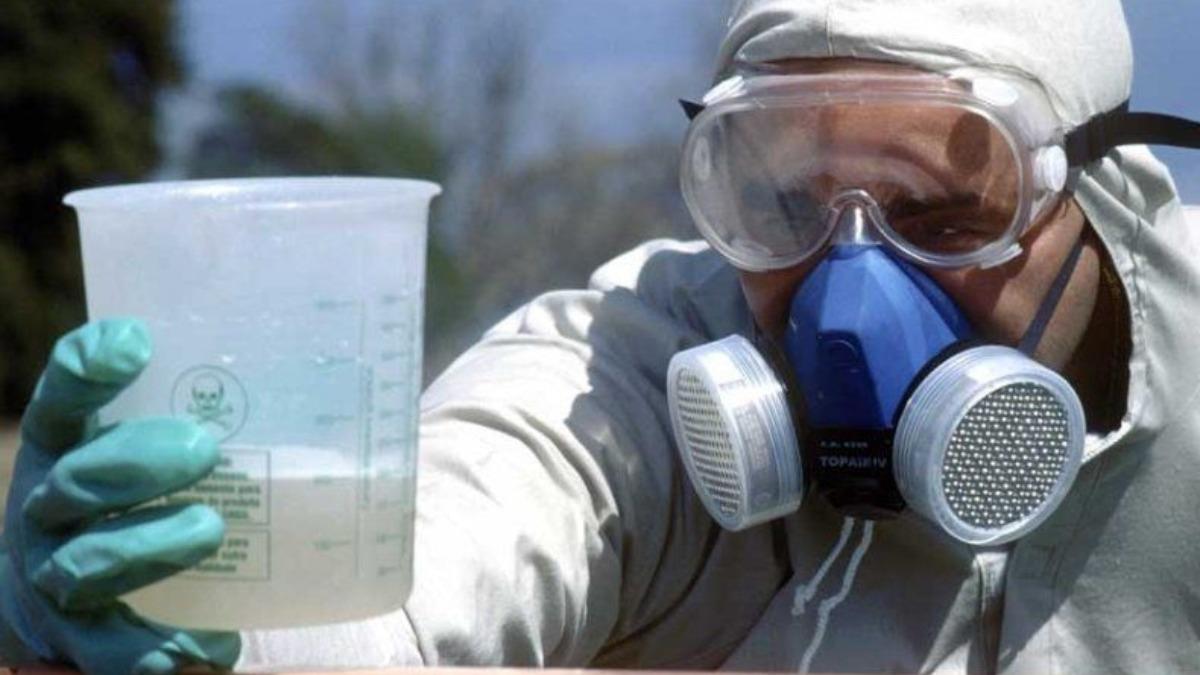
When working with chemicals, it's important to follow simple safety rules. Even though the fungicide is classified as toxicity class 3, skin should be covered with protective clothing.
After finishing work, all protective clothing must be washed and hung outdoors to air. The person who performed the treatment should take a shower. If the fungicide comes into contact with eyes or skin, seek medical attention after flushing the affected areas with copious amounts of water.
Phytotoxicity
When used at the recommended dosage, the fungicide does not exhibit phytotoxicity. However, there have been cases of leaf drop in some gooseberry varieties after treatment with Kumulus.
Possible compatibility
One of the fungicide's advantages is its ability to be used in tank mixes with other chemicals for spraying crops. The only exceptions are iron sulfate-based products and organophosphorus insecticides.
Storage rules
"Kumulus" belongs to toxicity class 3 and poses little risk to humans, animals, bees, and fish. However, like any chemical, it requires proper storage. The shelf life of the fungicide granules is 2 years from the date of production, provided the packaging is sealed.
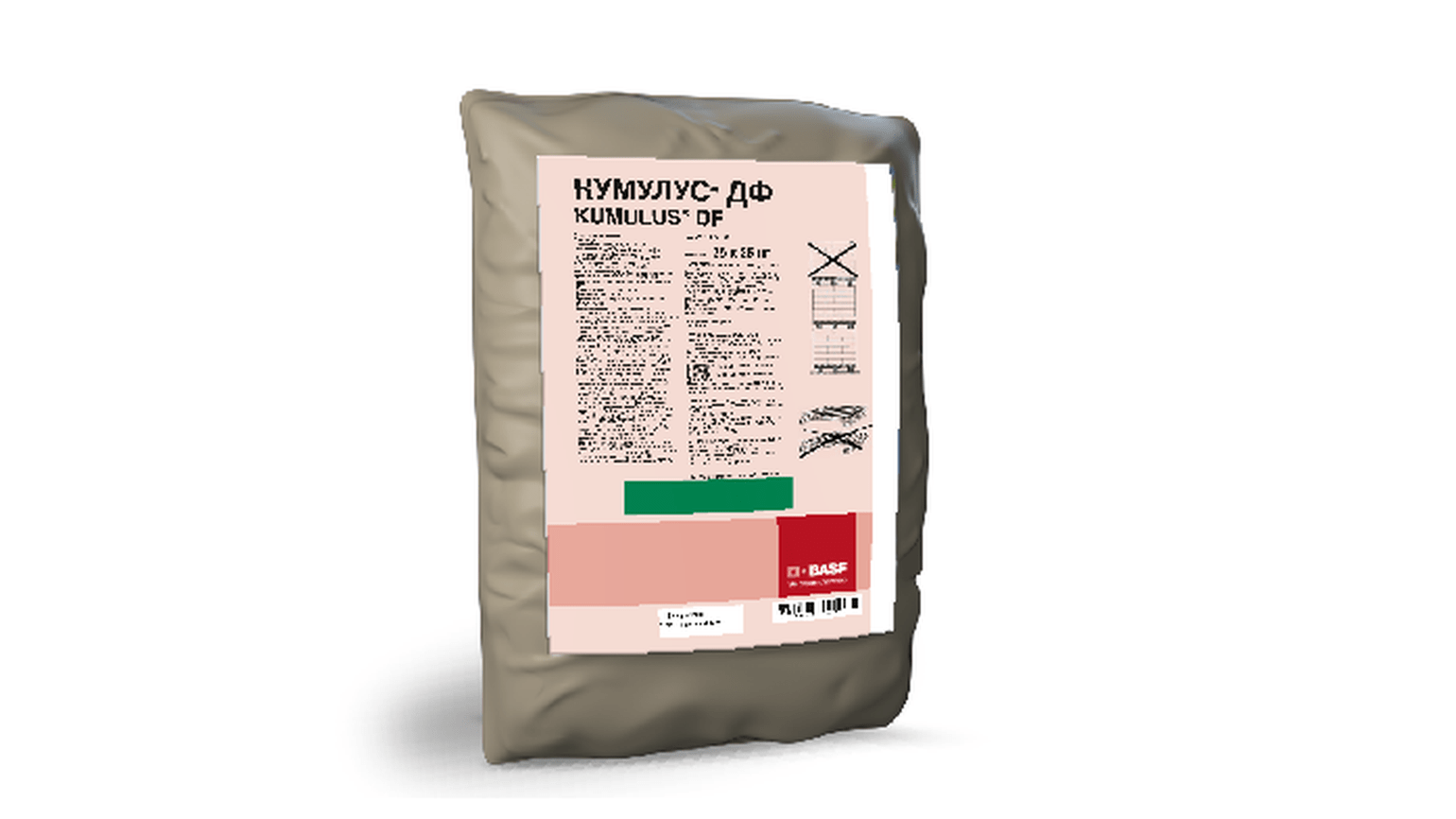
The chemical container should be stored in a utility room, away from food, and out of reach of children and pets. It's important to maintain a constant temperature of 15 to 30 degrees Celsius and low humidity in the room. Direct sunlight should also be avoided.
Similar drugs
If the contact fungicide "Kumulus" is not available, purchase a product with the same active ingredient. This could be "Vitashans," "Microtiol Special," or "Tiovit Jet." Before using any purchased alternative, carefully read the instructions and follow the recommended dosage.
Related posts:
 Instructions for use and composition of the fungicide Fitosporin-M, application rates
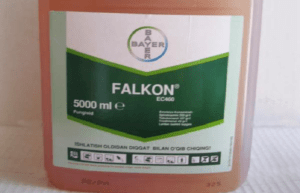
 Instructions for using Falcon fungicide for treating grapes
 Instructions for use and composition of the fungicide Teldor, application rates
 Instructions for use and composition of the fungicide Optimo, application rates and analogues
 Instructions for use of the fungicide Topaz for plants, composition and analogues
 Instructions for use and composition of the fungicide Raek, application rates and analogues
 Instructions for use and composition of the fungicide Ferazim, application rates
 Instructions for use and composition of the fungicide Discor, application rates and analogues
