
- Description of the product
- Composition, existing forms of release and purpose
- Mechanism of action
- Pros and cons
- Calculation of consumption for different plants
- How to prepare a working mixture
- Sugar beet
- Indoor flowers
- Wheat, barley and rye
- Instructions for use
- Precautions for handling
- Phytotoxicity
- Possible compatibility
- Storage terms and conditions
- Similar means
Farmers who plant grain crops and sugar beets often face the need to treat their plants for fungal diseases. If action is not taken promptly, pathogenic microorganisms will ruin the harvest and reduce its yield. Using chemical pesticides helps prevent infection and cure already affected crops. The instructions for the fungicide Ferazim recommend the product for both treatment and prevention.
Description of the product
The chemical product's annotation indicates the composition of the preparation and its mechanism of action, while farmer reviews help identify the fungicide's strengths and weaknesses.
Composition, existing forms of release and purpose
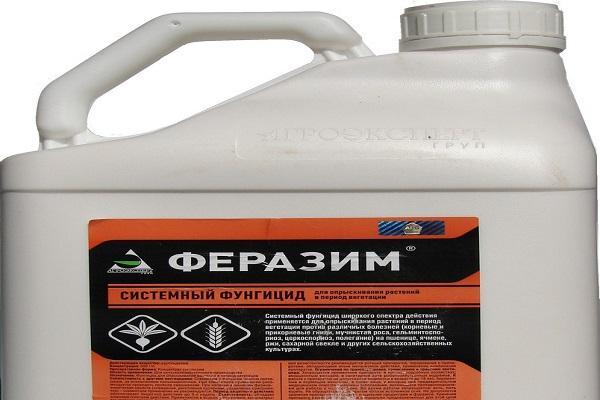
The systemic fungicide "Ferazim" contains only one active ingredient: carbendazim, which belongs to the benzimidazole class of chemicals. One liter of the chemical contains 500 grams of the active ingredient.
The instructions included with the product state that it effectively treats fungal diseases of sugar beets and grain crops, such as septoria leaf spot and powdery mildew, various rots, rhynchosporium leaf spot, cercospora leaf spot, and snow mold. Some gardeners use Ferazim for the prevention and treatment of crops grown on apartment windowsills.
Mechanism of action
The active ingredient of this systemic fungicide is characterized by rapid action—after just 3-4 hours, it penetrates the leaves and root system of the treated plant and begins to spread throughout all tissues of the crop. Because the chemical acts systemically, it protects even those areas of the crop that weren't exposed to the active ingredient during spraying.
After treatment with the preparation, the pathogen's cell division process slows down. As a result, spore formation and fungal growth cease. Furthermore, a film forms on the surface of the crop, preventing pathogens from penetrating into the plant tissue.
Pros and cons
Based on farmers' reviews, several advantages of the drug can be identified, which is why it is popular.
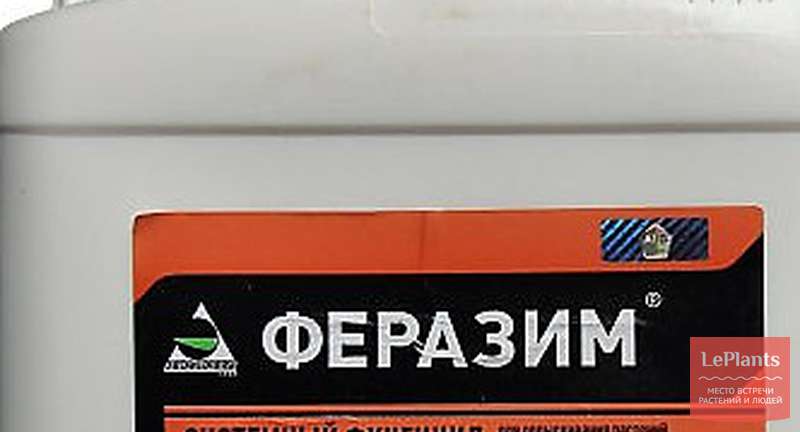
Gardeners consider the product's packaging in 10-liter canisters to be a drawback, making it inconvenient for those with small plots. Another drawback is the limited list of plants approved for use with the chemical.
Calculation of consumption for different plants
The instructions for the preparation indicate the consumption rates that should be followed when preparing the working solution.
The calculation of consumption is shown in the table:
| Cultivated crop | Pathogen | Consumption rate | Redness of sprays throughout the growing season |
| Rye, barley and wheat | Helminthosporium and powdery mildew | From 500 to 600 ml per hectare of field | 2 times |
| Rye, barley and wheat | Different types of rot | From 300 to 600 ml per hectare of plantings | One time |
| Sugar beet | Powdery mildew and cercospora leaf spot | From 600 to 800 ml per hectare | No more than 3 times |
How to prepare a working mixture
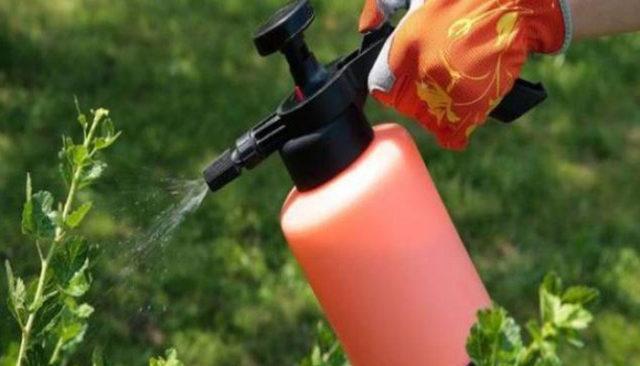
To ensure the drug is effective, the working solution must be prepared according to the instructions. It must be prepared immediately before use.
Sugar beet
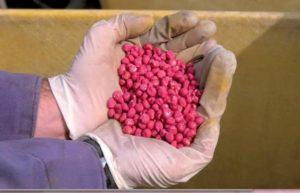
Pour 10 liters of clean water (not cold) into a plastic container and add 20 to 27 ml of emulsion concentrate. Mix thoroughly and pour into the sprayer. Top up with water until the volume is full and mix thoroughly again. Use 300 liters of working solution per hectare of field.
Indoor flowers
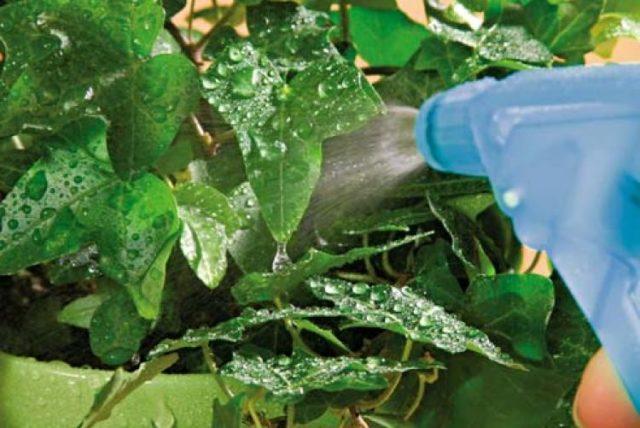
To treat indoor plants against fungal diseases, use a lower concentration of the fungicide. Add 0.35 ml of the product to one liter of water and mix thoroughly. The protective effect lasts for two weeks. No more than two sprayings are allowed per season.
Wheat, barley and rye
If a farmer wants to treat seeds before sowing, take 10 liters of clean water and add 1 liter of fungicide. This amount is enough to treat a ton of planting material. To spray planted crops, use 10 to 20 ml of emulsion per 10 liters of water, depending on the severity of the infestation.
After thorough mixing, the mother solution is poured into the sprayer tank, water is added to the full volume and the mixer is turned on.
Instructions for use
All work should be carried out on a dry, clear day with minimal wind speed. It takes some time for a protective film to form on the plant surface, so rain is undesirable on this day.
Precautions for handling
When working with the chemical, wear protective clothing and a respirator to prevent inhalation. After spraying, shower with soap and wash your clothes.

Phytotoxicity
When the rules for using the preparation and the consumption rates were observed, no cases of phytotoxicity were recorded.
Possible compatibility
Ferazim fungicide can be used in tank mixes with other chemicals. The only exception is alkaline products.
Storage terms and conditions
The product's shelf life in sealed factory packaging is 2 years from the date of manufacture. Store the fungicide in a dark storage area where the temperature does not exceed 30 degrees Celsius.
Similar means
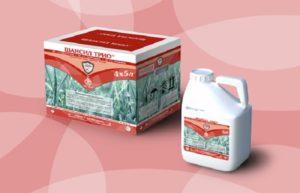
Ferazim can be replaced with drugs with a similar active ingredient - Cardinal, Karzibel or Sarfun.
Related posts:
 Instructions for use and composition of the fungicide Fitosporin-M, application rates
 Instructions for using Falcon fungicide for treating grapes
 Instructions for use and composition of the fungicide Teldor, application rates
 Instructions for use and composition of the fungicide Optimo, application rates and analogues
 Instructions for use of the fungicide Topaz for plants, composition and analogues
 Composition and instructions for use of the fungicide Kumulus, application rates and analogues
 Instructions for use and composition of the fungicide Raek, application rates and analogues
 Instructions for use and composition of the fungicide Zato, application rates and analogues