
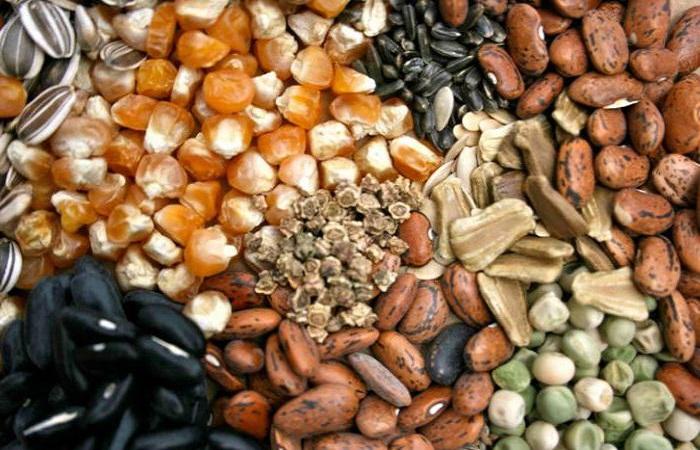
Gardeners and farmers use fungicides for pre-sowing treatment of seeds and tubers. This agricultural practice helps prevent fungal diseases and ensure a bountiful harvest. Despite Tebuconazole's relative obscurity, it is no less effective than advertised products and can be used on a wide range of crops. It is recommended to read the instructions before use.
What is included in the composition and dosage form
The fungicide "Tebuconazole" contains a single active ingredient of the same name, which belongs to the chemical class of triazoles. One liter of the treatment contains 60 grams of the active ingredient.
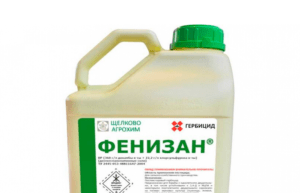
The fungicide is sold as an emulsifiable concentrate, which is diluted with water before use. It is packaged in 5-liter plastic containers. It can be purchased at gardening stores or ordered online. The fungicide is manufactured by the Russian company Soyuzagrokhim.
Mechanism of action
This fungicide for treating planting material has multiple effects—curative, preventative, and eradicative. Due to this effect, it is considered the number one choice among chemical seed treatments.
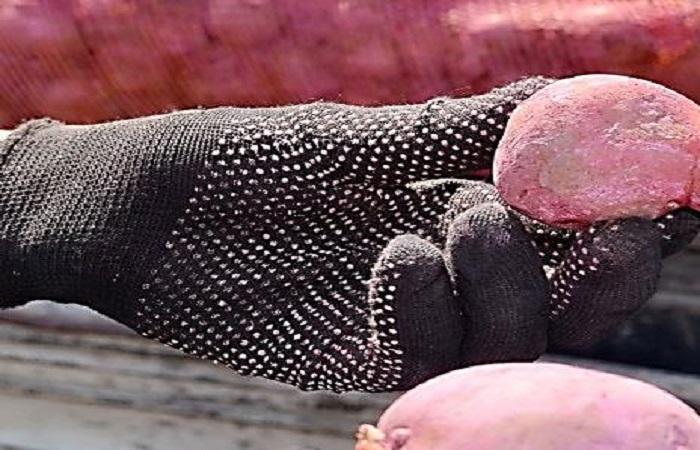
Another advantage of the chemical treatment "Tebuconazole" is that its active ingredient is equally effective both inside and outside the seed. Once it penetrates the seed, it provides protection against fungal microorganisms in both the root system and young seedlings. Furthermore, the fungicide is characterized by its ability to migrate to the growing points. As soon as the treatment solution contacts the seed coat, it begins to suppress pathogen activity by disrupting biosynthesis in cell membranes.
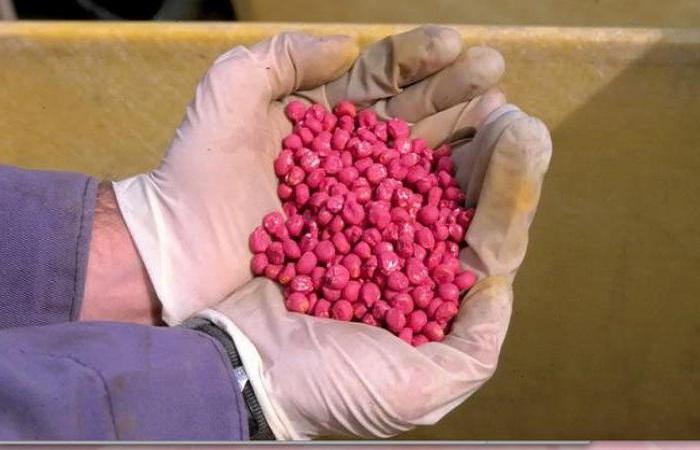
The fungicidal effect of the active ingredient becomes apparent two days after the seed is introduced into the soil. Over the next two weeks, the majority of the active ingredient is absorbed by the crop.
Purpose
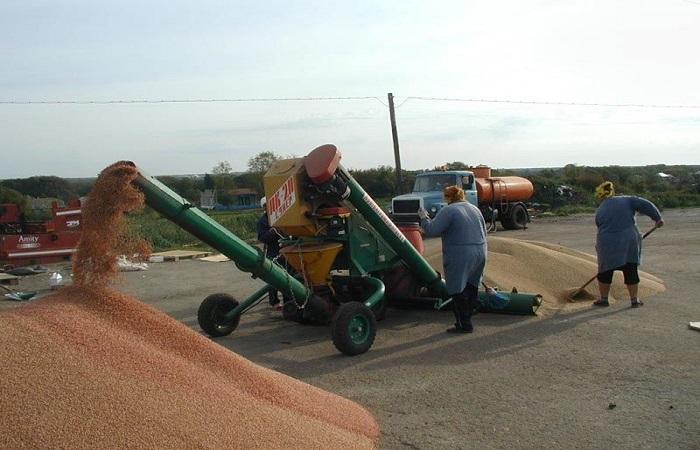
The manufacturer's instructions indicate that the fungicide "Tebuconazole" is intended for pre-sowing treatment of grain crops such as wheat, rye, barley, as well as other agricultural crops such as tomatoes, onions, potatoes, grapes, and beans.
The active substance of the chemical successfully destroys pathogens of the following diseases:
- root rot and mold of grains;
- various types of spotting and stem smut;
- powdery mildew and alternaria;
- Fusarium mold, scab and leaf rust.
Gardeners and farmers who have tested the chemical's performance properties in practice have identified a number of advantages of Tebuconazole:
- broad spectrum of action of the drug;
- the possibility of use for both therapeutic and preventive purposes;
- long-lasting protective effect of the fungicide;
- the speed of distribution of the active ingredient throughout all parts of the plant;
- economical consumption and affordable cost of the drug.
One of the fungicide's significant drawbacks is its retardant effect, which occurs in hot or humid weather. This significantly slows down not only seed germination but also the development of existing seedlings.
Calculation of consumption
The instructions for use indicate the application rates for the preparation, which vary slightly for different plants and are shown in the table:
| Cultivated plant | Chemical norm | Working fluid consumption |
| Winter and spring wheat | From 0.4 to 0.5 liters of suspension | 10 liters of working fluid are used per ton of seeds |
| Winter and spring barley | From 0.4 to 0.5 liters of suspension | 10 liters of working fluid are used per ton of seeds |
| Winter and spring rye | From 0.4 to 0.5 liters of suspension | 10 liters of working fluid are used per ton of seeds |
| Legumes | From 120 to 250 grams of chemical per hectare of plantings | |
| Vegetable crops | From 150 to 200 grams of the preparation per hectare of field |
Terms of Use
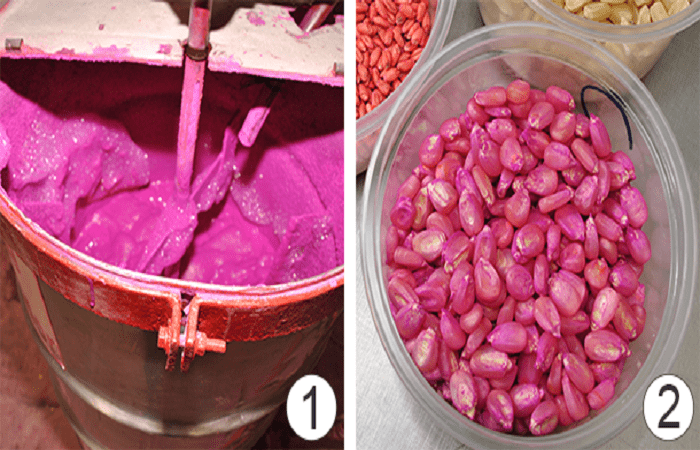
The chemical should be applied in calm weather, preferably in the morning or evening, after sunset. Rinse the spray bottle with water to remove dust and dirt. Then, measure out the prescribed amount of the product and dilute it in 2 liters of lukewarm water. Once the suspension is completely dissolved, pour the stock solution into the spray bottle, top it up with clean water, and stir.
The working solution must be prepared immediately before spraying, otherwise it will lose its effectiveness.
Other cultures
The seed treatment "Tebuconazole" is also used for vegetable crops. The working solution is applied once to the emerging seedlings.
Cereals
The seedlings are soaked in the working solution before planting, a week before sowing the seeds into the soil. The sprouted seedlings are also treated if they show signs of fungal diseases.
Safety precautions
This fungicide belongs to toxicity class 2, so safety precautions must be observed when handling it. It is also not recommended to use it near bodies of water or apiaries.
Is compatibility possible and what can I replace it with?
Tebuconazole is approved for use in tank mixtures with other insecticides and fungicides, but a chemical compatibility test is recommended first.
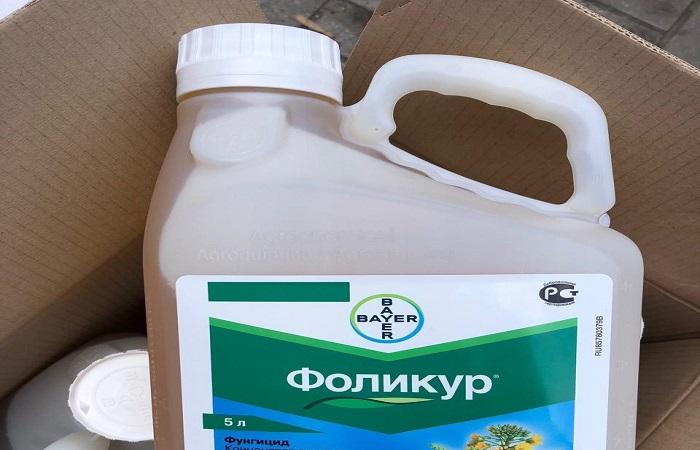
If necessary, the chemical can be replaced with products such as Folicur, Stinger or Kolosal.
Storage conditions
The product has a shelf life of 2 years. Store the fungicide in a utility room out of reach of children. The recommended temperature is no higher than 27 degrees Celsius.
Related posts:
 Instructions for use and composition of the fungicide Discor, application rates and analogues
 Types of garden fungicides and descriptions of the top 24 best, instructions for use
 Instructions for use of the Falcon fungicide for roses and other plants, analogues
 Instructions for use of the fungicide Topaz for plants, composition and analogues
 Types of fungicides for cucumbers in a greenhouse and instructions for use
 Instructions for use and application rates of the fungicide Horus for different crops
 Cabrio Top instructions for use, composition, dosage, and fungicide analogues
 Instructions for use of Ditan M-45 and the composition of the fungicide, dosage, and analogues