
- Characteristics and features of the product
- Dosage form and composition
- Operating principle
- Advantages and disadvantages
- How to make a working mixture
- Calculation of consumption and rules of use
- For vegetable crops
- For flowers in flower beds
- For roses
- For grapes
- For strawberries
- For indoor plants
- For fruit trees
- For berry bushes
- Toxicity and safety precautions
- Is compatibility possible?
- Storage terms and conditions
- What is the shelf life of the diluted drug?
- What to replace it with
The use of fungicides helps reduce the risk of fungal diseases in plants. The instructions for the fungicide Topaz state that it is used for both preventative and curative purposes. The broad spectrum of pathogens it effectively combats makes it one of the most popular chemicals among both farmers and small gardeners.
Characteristics and features of the product
The drug, which belongs to the class of pesticides called "Topaz", is intended to protect cultivated and ornamental plants from fungal and viral diseases; in particular, it is used against powdery mildew, rust, and other diseases caused by the activity of pathogenic microorganisms.
The list of diseases against which the chemical agent is effective also includes:
- American powdery mildew and oidium;
- gray mold and purple spot;
- coccomycosis and fruit rot.
The instructions for use indicate that this protective fungicide is approved for use on outdoor fruit and berry crops, ornamental garden plants, and indoor flowers. This broad spectrum of activity makes it a leader among similar fungicidal products.
Preventative treatments are permitted from spring to late summer. However, it's important to remember that triazoles are only effective against the initial stages of crop infestation; once the fungal spores have penetrated deeply, the chemical is ineffective.
Since Topaz is not an insecticide, its use against insect pests is impractical; the active substance does not have a detrimental effect on parasites.
Dosage form and composition
The fungicide's performance is determined by a single active ingredient, penconazole, which belongs to the triazole class of chemicals. One liter of the chemical contains 100 grams of the active ingredient.
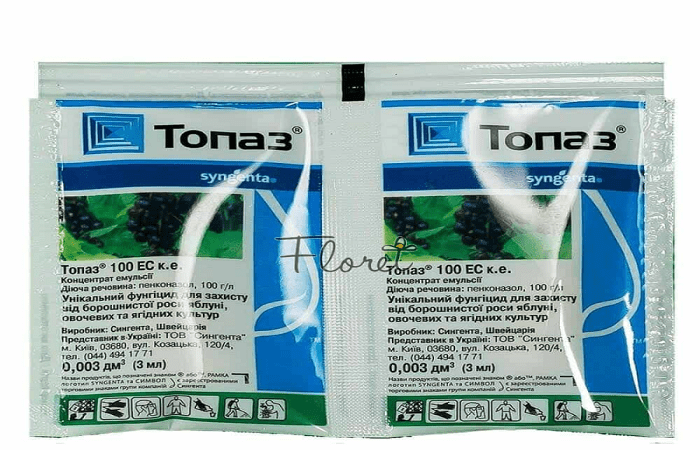
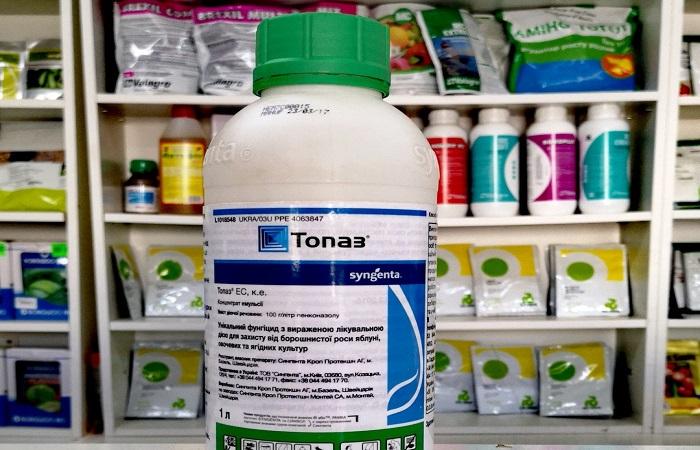
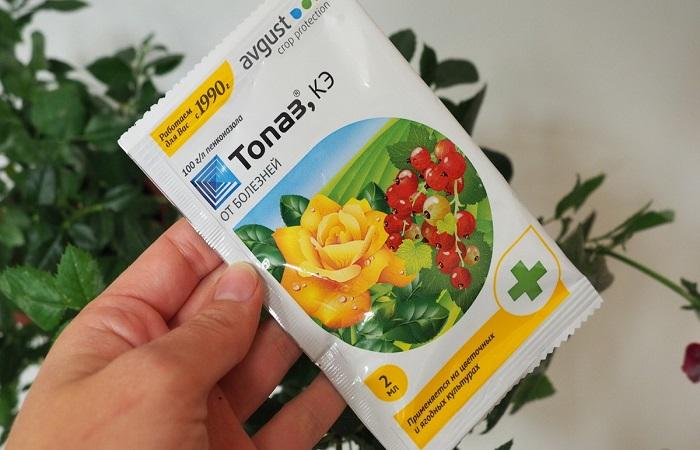
The fungicide is available in stores as an emulsifiable concentrate packaged in 1-liter plastic containers. 2-ml ampoules and 3-ml sachets, which are often used in indoor gardening, are also available. This systemic fungicide is manufactured by Syngenta.
Operating principle
The therapeutic and preventative effect of this systemic fungicide is based on its active ingredient, which inhibits biosterol synthesis. Three hours after penetrating the treated plant tissue, it completely blocks the development of the fungal pathogen. Furthermore, the component is resistant to temperature fluctuations and provides a protective effect for three weeks after treatment.
Advantages and disadvantages
Gardeners and houseplant enthusiasts have had a chance to evaluate the advantages and disadvantages of this fungicide firsthand. They noted the following as advantages of the chemical:
- a wide spectrum of action and the ability to use the preparation for both fruit and ornamental plants;
- low cost of the chemical agent and economical consumption;
- convenient packaging, thanks to which the fungicide can be used both for large beds and for indoor flowers;
- long shelf life if certain requirements are met;
- high degree of efficiency and rapid penetration into the tissues of treated plants;
- long period of protective action;
- resistance to precipitation and temperature changes;
- the possibility of using it both for the treatment of crops and for the prevention of fungal diseases;
- absence of phytotoxicity when dosage and application instructions are followed;
- the possibility of using the chemical in tank mixtures with other fungicides after preliminary testing for chemical compatibility;
- absence of resistance when following the instructions for use.
Topaz does have its drawbacks, but they're few compared to its advantages. The fungicide's disadvantages include:
- toxicity to aquatic life;
- long period of decomposition of the active substance in the soil, provided that it is used for more than 3 years in a row on the same site.
How to make a working mixture
The principle of preparing the working fluid depends on what kind of plants you plan to treat – garden or indoor:
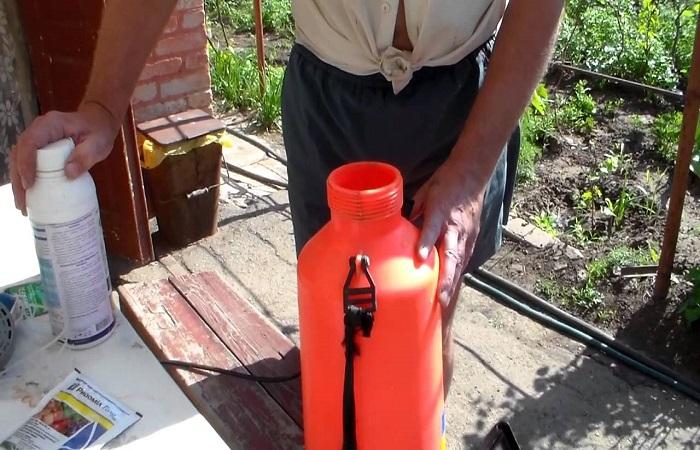
- For preventative spraying of outdoor crops, pour 10 liters of settled, warm water into a bucket. It is recommended to use spring or well water for this purpose. Add the amount of fungicide specified in the instructions to a small amount of the liquid (in a separate container) and mix thoroughly until the chemical is completely dissolved. Then, pour the stock solution into the bucket and mix thoroughly again using a wooden stick.
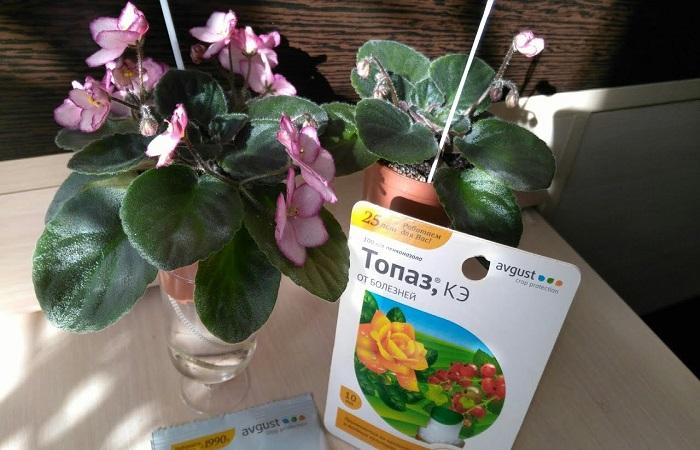
- If you need to treat indoor plants, use 2 ml ampoules of the chemical, as there's no point in purchasing a 1-liter bottle. The principle of preparing the liquid is the same, but the dosage will differ.
To prepare the working solution, use a plastic container, which you won't mind throwing away afterwards; the container can no longer be used for storing food products.
Calculation of consumption and rules of use
The manufacturer's instructions specify the amount of chemical needed for each specific plant and the best time to apply the treatment. To avoid harming the crops, do not exceed the specified dose of fungicide.
For vegetable crops
Topaz is used to treat cucumbers, tomatoes, bell peppers, and other vegetable crops against powdery mildew, which occurs in cool, damp weather. To prepare the solution, dissolve 1.5 ml of the fungicide in 10 liters of clean water. This amount of solution is sufficient to treat crops over an area of 100 square meters.

For flowers in flower beds
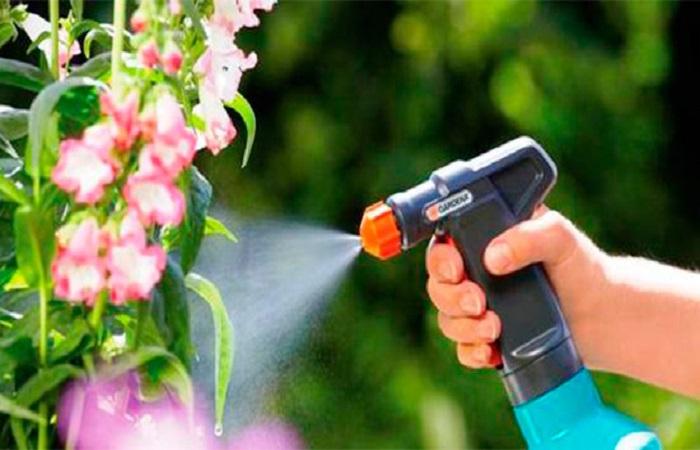
If flowers in the garden are affected by rust or powdery mildew, prepare a treatment solution consisting of 10 liters of water and 2-4 ml of the solution (the concentration depends on the severity of the infestation). Use 15 liters of the solution per 100 square meters of area. Treat flowers no more than three times per season, with two-week intervals between treatments. This solution can also be sprayed on plants as a preventative measure (10 liters per 100 square meters).
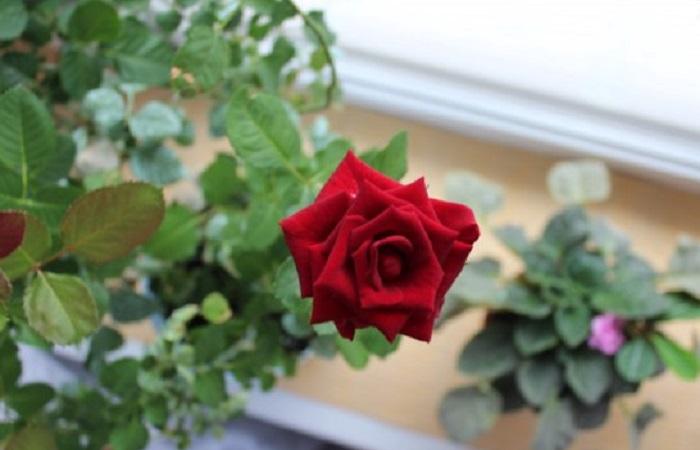
For roses
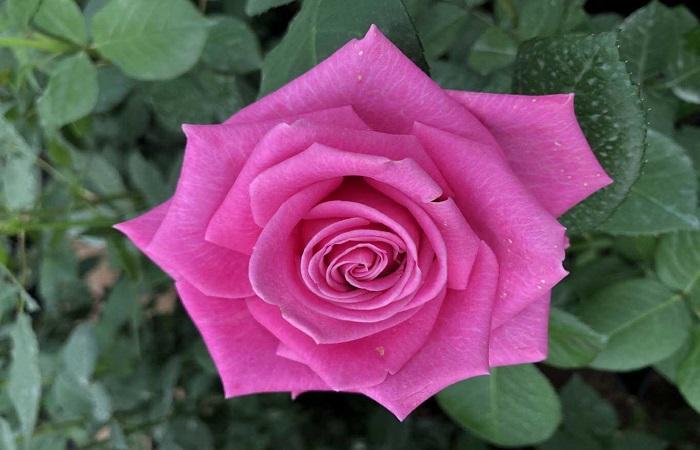
A solution for treating garden roses is prepared from 10 liters of liquid and 4 ml of fungicide. For a 10-square-meter front garden, use 1.5 liters of the solution. The maximum number of treatments per season is three.
For grapes
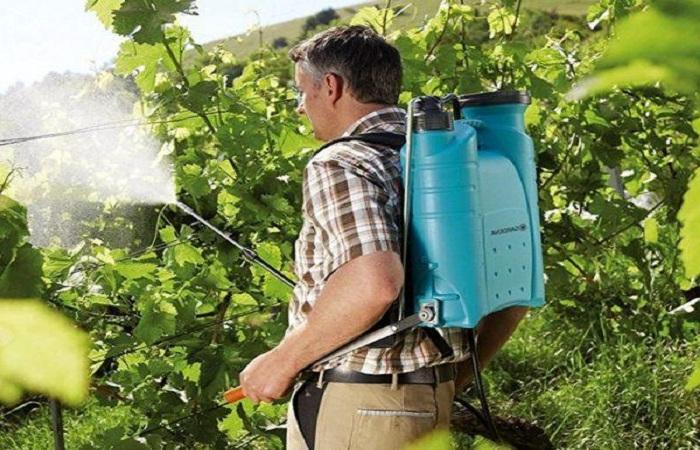
In horticulture, the fungicide "Topaz" is also used to spray grapevines against the dangerous disease powdery mildew, to which only a few varieties are immune. If the disease is allowed to progress, it will be impossible to cure the plant, so preventative treatment with the chemical is used before yellow spots and white plaque appear on the leaves.
For every 10 liters of water, you'll need 2 ml of fungicide. Pour the prepared solution into a sprayer and apply it to the vineyard. Ensure the solution thoroughly wets the leaf blades but doesn't run off onto the soil. The recommended dosage for a 10-square-meter vineyard is 1.5 liters of solution. Treatments are necessary during bud break and after flowering.
For strawberries
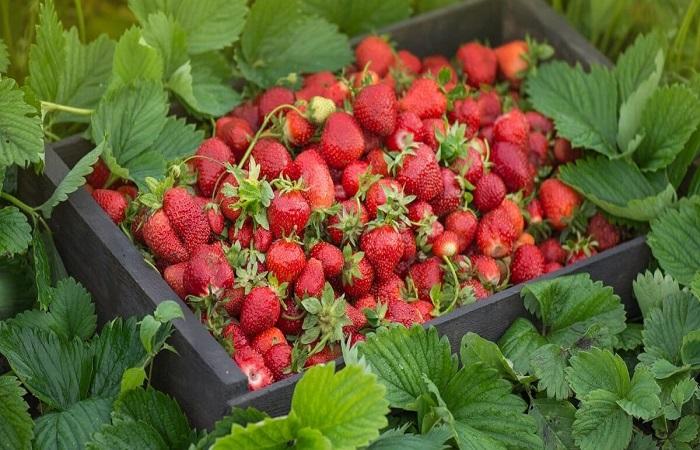
Using Topaz on fast-ripening berries, including strawberries, is not recommended due to its high toxicity. At least three weeks must pass after treatment before harvesting, as this will cause the fruit to overripe and fall from the bushes. For garden strawberries, it's better to use a milder chemical or folk remedies for prevention. As a last resort, apply the solution before flowering and after harvesting, using 10 liters of water and 2 ml of the chemical.
For indoor plants
Indoor plants are treated when the first symptoms of rust or powdery mildew are detected. To combat fungal infections, use 2 ml of fungicide per 5 liters of water. This solution is sufficient to spray 50 square meters of planting area. A total of no more than three treatments are performed throughout the season, spaced two weeks apart.
For fruit trees
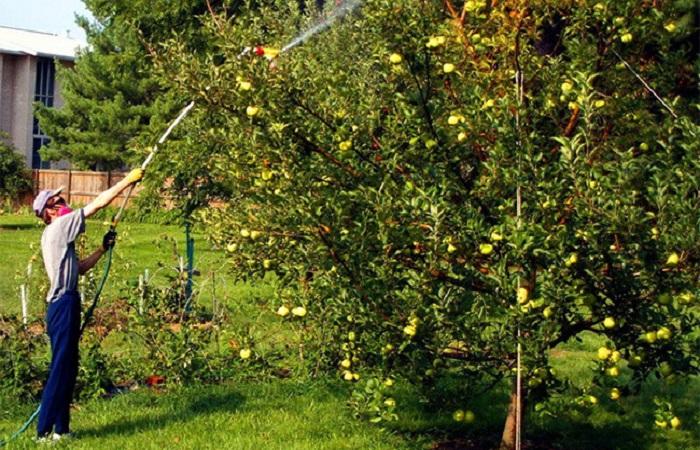
To treat apple, pear, and other fruit trees, prepare a solution of 10 liters of water and 3 ml of the chemical. This solution helps prevent fruit rot and powdery mildew. Preventative treatments with the product are carried out before and after flowering, using 15 liters per 100 square meters of orchard.
For berry bushes
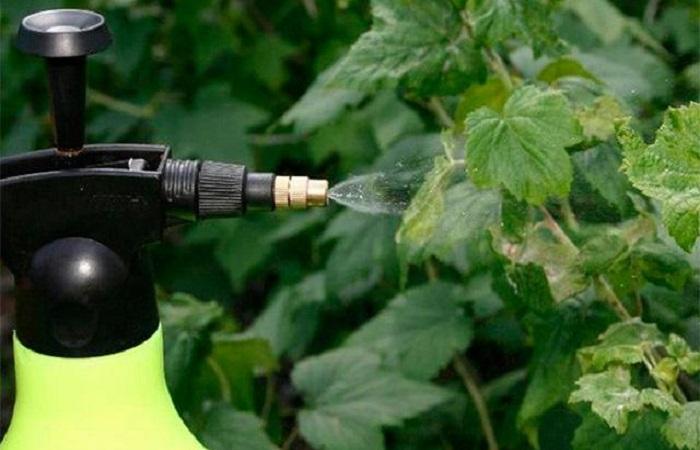
Berry bushes (currants, gooseberries) are treated to prevent powdery mildew. The solution requires 10 liters of water and 2 ml of the product. For each mature bush, use 1.5 liters of solution, applying the treatment before flowering and after harvest.
Toxicity and safety precautions
The chemical "Topaz" is classified as moderately toxic and belongs to hazard class 3. This means that when working with it, avoid contact with skin and mucous membranes. Protective clothing, rubber gloves, and a respirator are required.
Since the fungicide poses a danger to aquatic life, never pour any remaining liquid into a river or lake.
Is compatibility possible?
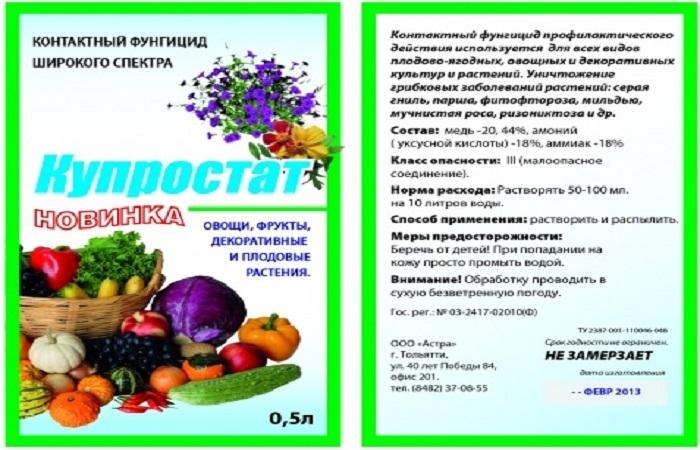
The fungicide "Topaz" can be used with chemicals containing a different active ingredient, such as "Horus" and "Kuprostat." To simultaneously control pest larvae, use "Kinmiks."
Storage terms and conditions
Topaz has a shelf life of 4 years from the date of manufacture. Store in a dark, dry, locked storage area.
What is the shelf life of the diluted drug?
The working solution of the drug retains its effectiveness for 8 hours after preparation.
What to replace it with
Topaz can be replaced with drugs such as Almaz and Avarta.
Related posts:
 How to propagate and grow peas, cultivation technology, and care in open ground
 Instructions for using Falcon fungicide for treating grapes
 Nitrophoska composition and instructions for use of fertilizer, errors
 Instructions for the use of Sporobacterin for plants and its composition, analogues
 Targa Super herbicide instructions, dosage, and analogues
 The best grape varieties for growing in the Urals, planting and care rules in summer
 Instructions for use of the insecticide Aktara, what pests it helps against
 Instructions for use of Baktofit for plants and the composition of the fungicide