
- Composition, existing forms of release and how it works
- Pros and cons
- What plants is it used for?
- Calculating consumption and when to process
- For cucumbers
- For tomatoes
- Garden flowers
- For cabbage
- For potatoes
- How to prepare a working mixture
- Rules of application
- For vegetables
- For trees and shrubs
- For seedlings
- For indoor flowers
- Disinfection of a greenhouse
- How to treat the soil
- Precautionary measures
- Degree of toxicity
- Possible compatibility
- Storage rules and shelf life
- Similar means
Fungal and bacterial diseases of garden crops and houseplants cause significant damage to plants. To combat these diseases, gardeners use chemicals. The instructions for the fungicide Fitosporin state that this microbiological product is equally effective against diseases of trees and shrubs, as well as houseplants. When using the product, adhere to the recommended application rates to avoid harming the crops.
Composition, existing forms of release and how it works
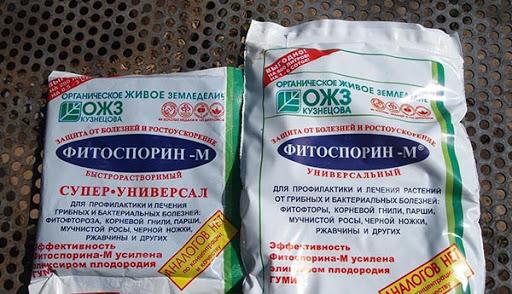
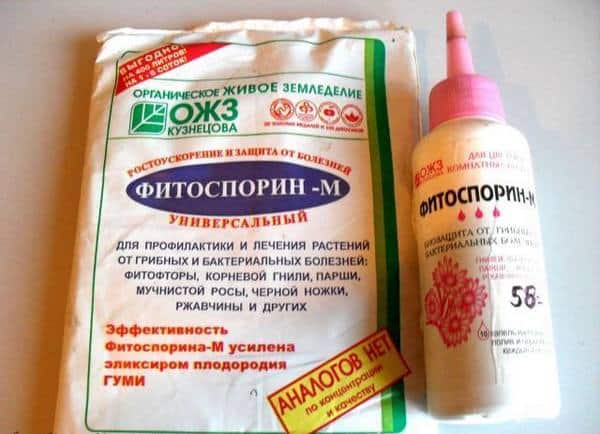
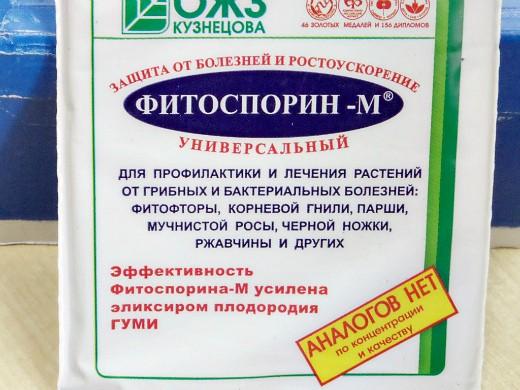
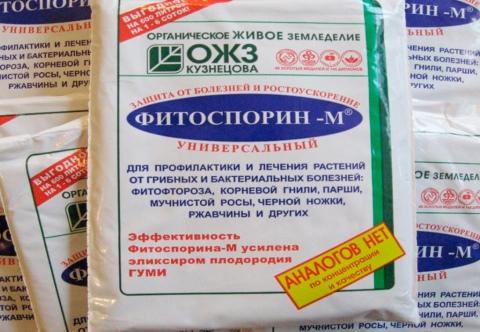
The new generation systemic fungicide contains the bacterial culture Bacillus subtilis, which prevents the development and reproduction of pathogenic microorganisms. Fitosporin-M is available commercially in three forms, each with a similar effect: powder, paste, and aqueous suspension. The formulation of the fungicide only affects the time it takes to prepare the working solution; for example, a powder will take longer to dissolve in water than a paste.
The instructions for use of the product indicate that it is suitable for the prevention and treatment of bacterial and fungal diseases, such as powdery mildew and black rot, rust and late blight, early blight, and phoma. The chemical is also used to disinfect soil before planting seedlings.
Pros and cons
After using the product on their plots and in their apartments, gardeners identified several advantages of the systemic fungicide:
- No harmful effects on health even when used at home.
- Possibility of consuming fruits immediately after plant processing.
- Convenience of dosage forms.
- Increasing the immunity of treated crops.
- Increasing crop yield.
A disadvantage of the drug is the sensitivity of active bacteria to the effects of rain and bright sunlight, so treatments are carried out either early in the morning, before sunrise, or late in the evening.
What plants is it used for?
A systemic fungicide is used to treat vegetable crops, berry and fruit trees and bushes, houseplants, and to disinfect soil and greenhouses.
Calculating consumption and when to process
The instructions for use indicate the optimal dosages and periods for using the fungicide Fitosporin-M.
For cucumbers
To treat cucumbers, use 6 to 10 ml of the product per 10-liter bucket of water. Apply at the beginning of the growing season, at two-week intervals. A total of three applications is permitted.
For tomatoes
Use 15 ml of fungicide per 10 liters of water. The first spraying is carried out at the beginning of the crop's growing season, followed by subsequent sprayings two weeks later, with a total of no more than three treatments per season.
Garden flowers
For 10 liters of liquid, take 6 to 10 ml of the preparation; use it when the first signs of damage appear throughout the entire growing season.
For cabbage
Add 6 to 10 ml of fungicide to 10 liters of water. The first treatment is carried out one week after planting the seedlings in the soil. Repeat the treatment after 2-3 weeks.

For potatoes
The first treatment of potatoes with Fitosporin is carried out at the row closure stage and is repeated after two weeks. Use 10 ml of the product per 10 liters of water.
How to prepare a working mixture
Prepare a mixture for treating plants before beginning work. Filter the water and pour the required amount into a plastic bucket. Add the appropriate amount of fungicide and stir with a wooden stick until completely dissolved.
Rules of application
The effectiveness of the drug in the fight against pathogenic microorganisms depends on compliance with the rules for its use.
For vegetables
The fungicide can be used both as a preventative measure and at the first sign of disease. Pour the solution into a sprayer and thoroughly cover the entire plant. It's important that there's no rain on the day of application. A small amount can also be applied to the roots of the plant.
For trees and shrubs
Fruit bushes and trees are also treated by spraying, thoroughly covering the entire surface of the green mass.
For seedlings
Dip the roots of the seedlings in the prepared working solution and plant them in their permanent growing location. A week later, it is recommended to perform a root treatment using the same concentration of the solution.
For indoor flowers
A water-based emulsion is most often used for spraying houseplants. Add two drops of fungicide to a liter of cool water and stir. Apply using a small spray bottle, ensuring the solution covers the entire plant surface.
Disinfection of a greenhouse
A systemic fungicide is also used to treat greenhouses, cellars, and basements against pathogens. Mix 200 ml of the solution with 800 ml of water and mix thoroughly. Pour the resulting solution into a sprayer and apply a thin layer to the walls, ceiling, and floor of the room. This amount is sufficient to disinfect 100 square meters of greenhouse space.
How to treat the soil
The soil is disinfected in the spring, before sowing seeds or planting seedlings. A powder form is used for this purpose. Add 5 grams of fungicide to a 10-liter bucket of water and mix thoroughly. This amount of working solution is enough to treat 1 square meter of soil. This procedure improves seed germination and seedling survival.

Precautionary measures
Although the fungicide is considered safe, avoid contact of the working solution with eyes and mucous membranes. Wear rubber gloves and a mask or respirator while working.
Degree of toxicity
Fitosporin is one of the safest fungicides, classified as toxicity level 4. It is also harmless to animals and beneficial insects.
Possible compatibility
The only thing that Fitosporin is not recommended for use with is growth stimulants. Before using in tank mixes with other chemicals, conduct a test.
Storage rules and shelf life
Store the product in a closed, dark place at a temperature no higher than 30 degrees Celsius. The shelf life of the chemical is 4 years.
Similar means
There is no complete alternative to this fungicide. If necessary, it can be replaced with a product with a similar mode of action, such as BioShield or FitoDoctor.
Related posts:
 Instructions for using Falcon fungicide for treating grapes
 Instructions for use and composition of the fungicide Teldor, application rates
 Instructions for use of the fungicide Topaz for plants, composition and analogues
 Instructions for use and composition of the fungicide Raek, application rates and analogues
 Composition and instructions for use of the fungicide Kumulus, application rates and analogues
 Instructions for use and composition of the fungicide Optimo, application rates and analogues
 Instructions for use and composition of the fungicide Discor, application rates and analogues
 Instructions for use and composition of the fungicide Ferazim, application rates