
- Composition, purpose and existing forms of release
- Pros and cons
- How does the fungicide work and how quickly does it react?
- How long does the effect last?
- Calculation of consumption
- Rules for preparing a working solution
- Instructions for use
- Safety precautions at work
- Degree of phytotoxicity
- Is there resistance?
- Possible compatibility
- Storage conditions
- Similar means
Barley, wheat, and vegetable crops are susceptible to fungal diseases. To protect the plants, gardeners use chemicals. One such chemical is the highly effective fungicide Carbendazim, whose protective and therapeutic properties are described in the instructions for use. The chemical is effective for the prevention and treatment of already widespread crop diseases.
Composition, purpose and existing forms of release
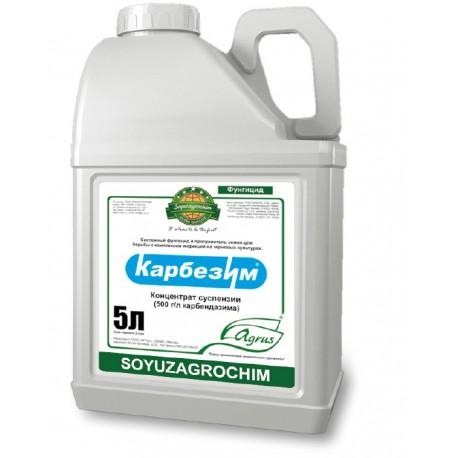
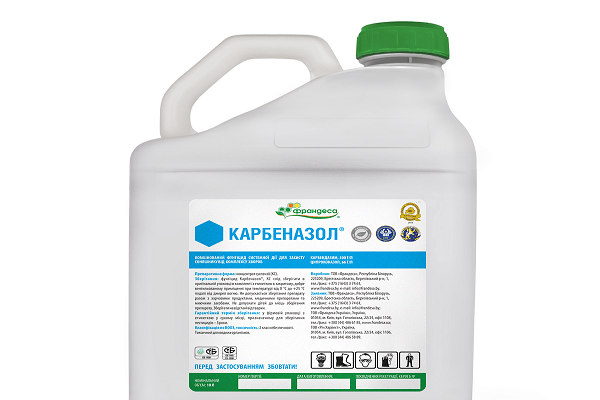
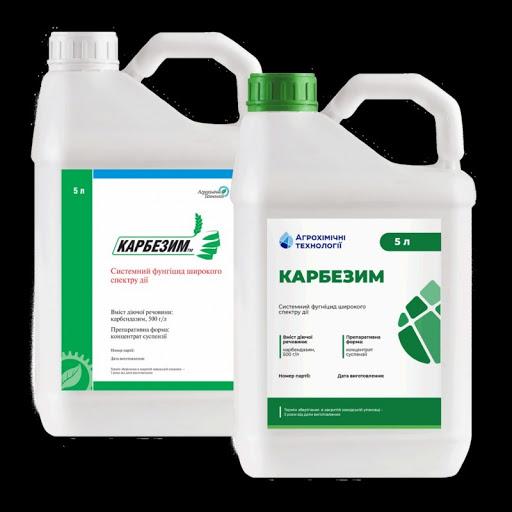
The pesticide belongs to the benzimidazole class. Its main active ingredient is carbendazim, applied at a concentration of 500 grams per liter. The fungicide is sold as a powder for solution preparation. Carbendazim is designed to combat fungal diseases on legumes, vegetables, fruits, and flowers. It is also used for post-harvest storage.
Pros and cons
This systemic medication is widely used in the agricultural industry and on private farms. Its popularity is due to several advantages:
- Broad-spectrum action. Used as a preventative measure and for treating affected areas. It has protective and eradicating properties.
- Safe to use. Classified as a low-hazard substance, Carbendazim is harmless to humans, animals, and bees.
- Compatibility with other medications. The only exceptions are alkali-based products.
The fungicide has no significant drawbacks. Its only drawback is that it is incompatible with insecticides. Before mixing agrochemicals, a compatibility test is performed. To do this, a small amount of the components is mixed in a separate container and the reaction is tested.
How does the fungicide work and how quickly does it react?
The active ingredient penetrates the crop, migrates through the xylem, and causes damage by halting mitotic division. This stops the fungus from reproducing and spreading. Once applied to the affected areas of the plant, the active ingredient penetrates through the leaves and stems within a few hours.
How long does the effect last?
The protective period lasts 2-3 weeks. The substance persists in the soil for a long time. The active period can last up to six months, so the fungicide can protect crops throughout the season.
Calculation of consumption
The regulations for the use of the pesticide are indicated in the table:
| Cultivated crop | Harmful object | Fungicide consumption rate, l/ha | Working fluid consumption, l/ha | Processing method |
| Wheat, rye, barley | Rot of various types | 0.3-0.6 | 300 | Spraying during the growing season |
| Powdery mildew, helminthosporiosis | 0.5-0.6 | |||
| Vegetable crops | Cercospora leaf spot, powdery mildew | 0.6-0.8 |
Rules for preparing a working solution
Prepare the mixture before spraying. Measure out the required amount of powder for one spraying session. Use clean, filtered water; otherwise, the chemical's effectiveness will be reduced, and the spray will not produce the desired results. Fill the sprayer halfway with water, add the pesticide, and stir. Then add water until the desired volume of the working solution is reached, and mix again with a mixer. The mixture preparation process is carried out in a separate area, which is then disinfected.
Instructions for use
Plants are treated during the growing season or when signs of fungal disease are first detected. If necessary, the procedure is repeated after 10 days. Treatment is carried out during the period most favorable for secondary infection development.
Safety precautions at work
When working with the fungicide, wear special clothing with long sleeves to prevent the solution from coming into contact with exposed skin. Protect your respiratory system with a respirator and your eyes with a protective mask. Gloves and a hat are required.
After handling the product, wash your hands with soap. It is recommended to strictly follow the instructions and pay close attention to the dosage.
Degree of phytotoxicity
The fungicide is not phytocidal when applied to crops or soil. The key to using the product is precise adherence to the proportions and application rates.

Is there resistance?
With regular pesticide treatment, fungi develop tolerance to the product's components. Therefore, it is recommended to use the product in combination with chemicals that work differently. By alternating agrochemicals, you can achieve maximum effectiveness in combating fungal diseases.
Possible compatibility
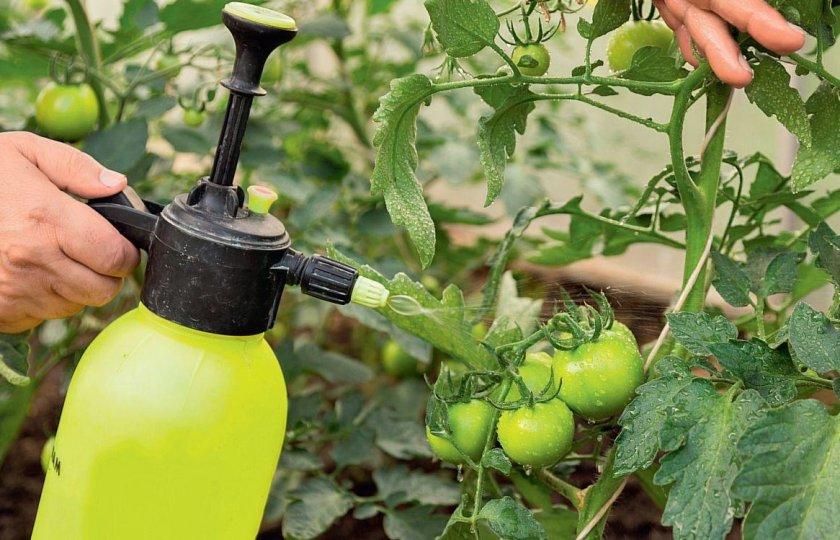
The fungicide Carbendazim works with pesticides and various agrochemicals. Before using the products together, compatibility testing is performed.
Storage conditions
Store the pesticide in its original container at temperatures between -10 and +30°C (14 to 86°F) in a dry place, away from food and seeds. Keep out of reach of children and animals. The shelf life is 3 years from the date of manufacture.
Similar means
Carbendazim is a component of most broad-spectrum agricultural chemicals. Products containing this active ingredient include:
- "Derosal";
- "Ferozim";
- "Fundazol";
- "Kazim";
- "Bavestin";
- "Battal".
The systemic fungicide Carbendazim is a next-generation product that effectively combats fungal and bacterial plant diseases. Experience has shown that the chemical effectively treats affected crops, preventing the onset and progression of diseases. Seeds treated with the pesticide produce excellent germination and a high-quality harvest.
Related posts:
 Instructions for use and composition of the fungicide Kazim, dosage and analogues
 Instructions for use and composition of the fungicide Zim 500, dosage and analogues
 Instructions for use and composition of the fungicide Raek, application rates and analogues
 Instructions for use and composition of the fungicide Teldor, application rates
 Instructions for use and composition of the fungicide Strekar, application rates and analogues
 Composition and instructions for use of the Bravo fungicide, application rates and analogues
 The best eggplant varieties for growing in a polycarbonate greenhouse: planting and care
 Types of garden fungicides and descriptions of the top 24 best, instructions for use