
- What are fungicides used for and what are their types?
- Varieties by composition
- Varieties by purpose
- Mechanism of action and what fungicides are intended for
- The most effective remedies for tomatoes
- "Barrier"
- Fitosporin-M
- Kresoxim-methyl
- Quadris
- Thanos
- "Acrobat"
- "Sulfur"
- Agat 25K
- Triadimefon
- Ridomil
- Maxim
- Bayleton
- Bordeaux mixture
- Consento
- Fundazol
- "Azoxystrobin"
- "Tranquility Moon"
- Which product should I choose?
- Rules of application
Fungicides for tomatoes are used according to the instructions and the specified dosage. Commercially available products may be biological or chemical. The more severe the fungal infestation, the more potent the control product should be. Fungicides are recommended not only for treatment but also for prevention, seed treatment, and protection of the harvested crop.
What are fungicides used for and what are their types?
Fungicides are used to protect gardens and vegetable plots from fungal diseases. These products can be chemical or biological. Fungicides are used to prevent and treat the most dangerous fungal diseases, which not only affect the appearance of fruits and yields but can also lead to the death of crops.
Varieties by composition
The main types of fungicides:
- simple, consisting of one active substance;
- combined, including several active components.
Varieties by composition:
- chemicals that affect pathogens (Bordeaux mixture, Abiga-Peak, Topaz and others);
- biological, based on spores of beneficial fungi and bacteria (Gamair, Fitosporin-M and others).
By release form:
- powders;
- solutions;
- suspensions;
- emulsions.
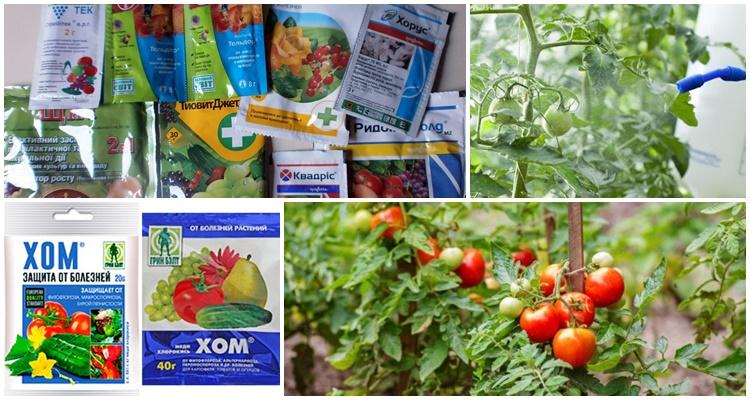
Varieties by purpose
Fungicidal agents are used:
- for processing planting and sowing material;
- for preventive spraying during the growing season;
- for the treatment of diseased crops;
- for preventive soil treatment;
- for spraying the harvested crop.
Mechanism of action and what fungicides are intended for
The very definition of "fungicide" consists of two words: "fung" (fungus) and "cide" (to destroy). The term itself refers to a substance that kills fungi. Fungicides, or more accurately, bactericides, are agents that act against bacterial infections. Types of fungicidal agents based on their mode of action:
- protective or preventive;
- curative or eradicative;
- immunizing or increasing resistance to a pathogen.
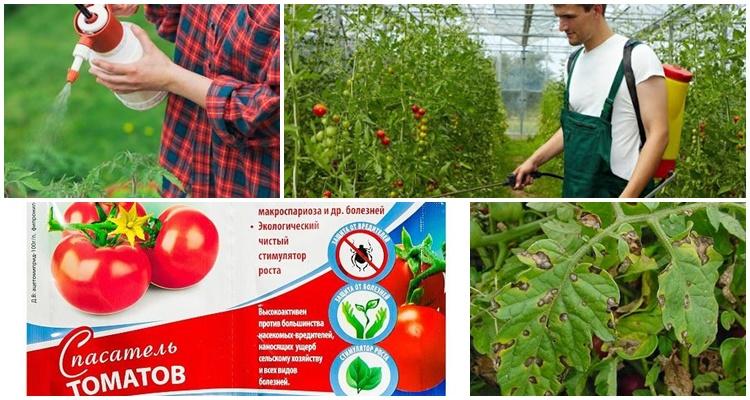
Fungicidal agents are:
- contact - affecting the pathogen through direct contact (based on sulfur, copper and other components);
- systemic – penetrating into plants (based on triazole, oxathiin, benzimidazole);
- contact-systemic.
Fungi initially establish themselves on the surface, but soon penetrate through openings and pores. Pathogen development can occur both externally and internally in crops. This is why fungicides are produced that destroy fungi not only on the surface but also internally. Types of fungicides based on selective activity:
- only against downy mildew fungi;
- only against powdery mildew fungi;
- against true and false powdery mildew.
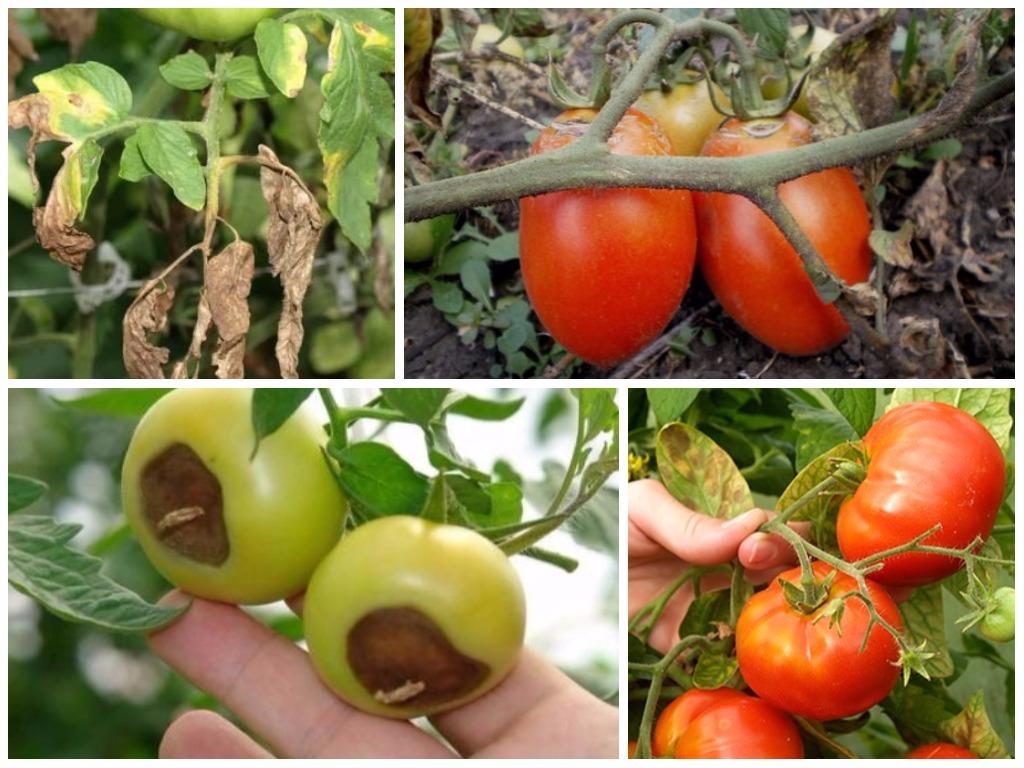
The mechanism of action of fungicides on the pathogen:
- drugs of chemical origin - disrupt respiration, suppress nuclear division, inhibit energy metabolism, suppress the formation of nucleic acids, block the formation of ergosterol, etc.;
- Biological preparations - compete with pathogenic strains, secrete toxins to destroy pathogens, and immunize the culture.
The most effective remedies for tomatoes
A large number of fungicides have been developed to protect and treat tomato fungal diseases. It's best to begin treating crops with biological products, as they are less toxic. If biological products are ineffective, chemical treatments can be used. The key to controlling pathogens is to detect the pathogen as early as possible and begin treatment immediately.
"Barrier"
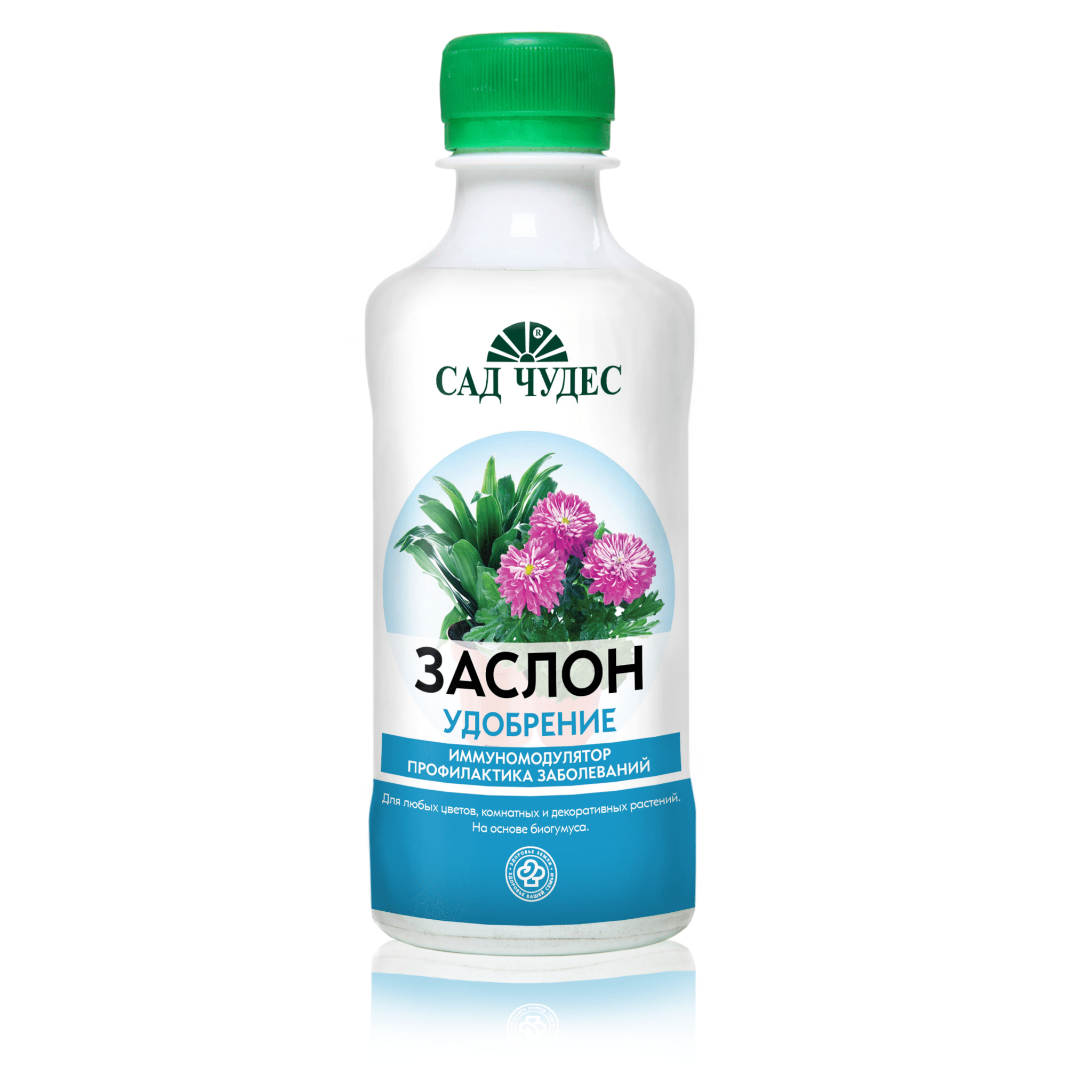
A biological product based on Bacillus subtilis bacteria, which inhibits the growth and development of pathogens. It is also a bacterial fertilizer containing azotobacterin. It is used to prevent late blight, blackleg, and root rot.
Fitosporin-M
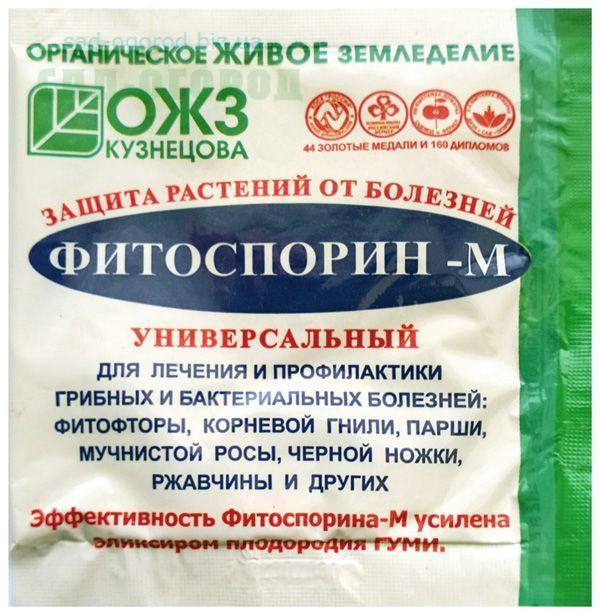
This biological product is based on a live spore culture of Bacillus Subtilis 26 D. The fungicide's metabolic products inhibit the growth of this dangerous pathogen. It is used to protect tomatoes from rot, downy and powdery mildew, as well as rust, scab, spotting, late blight, and bacterial blight.
Kresoxim-methyl

This product is based on a chemical from the strobilurin class. It is systemically absorbed and has therapeutic properties. It inhibits spore germination and treats powdery mildew, spotting, rot, and late blight.
Quadris
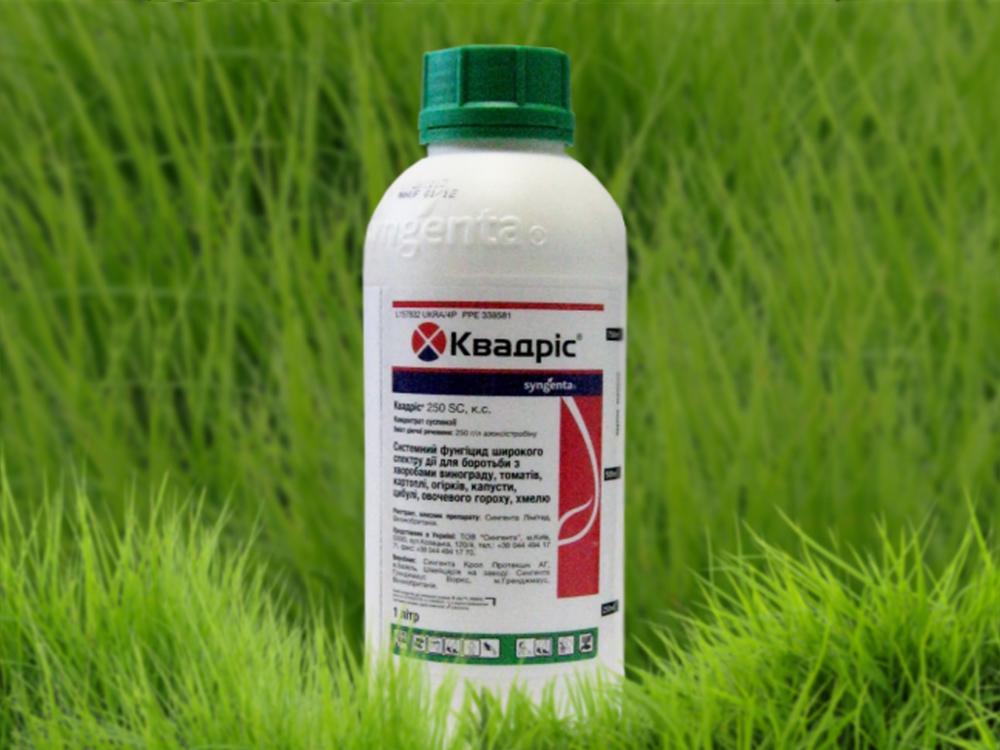
A chemical compound based on azoxystrobin, a strobilurin. This fungicide inhibits pathogen sporulation. This contact and systemic agent is used to treat late blight, powdery mildew, and early blight.
Thanos
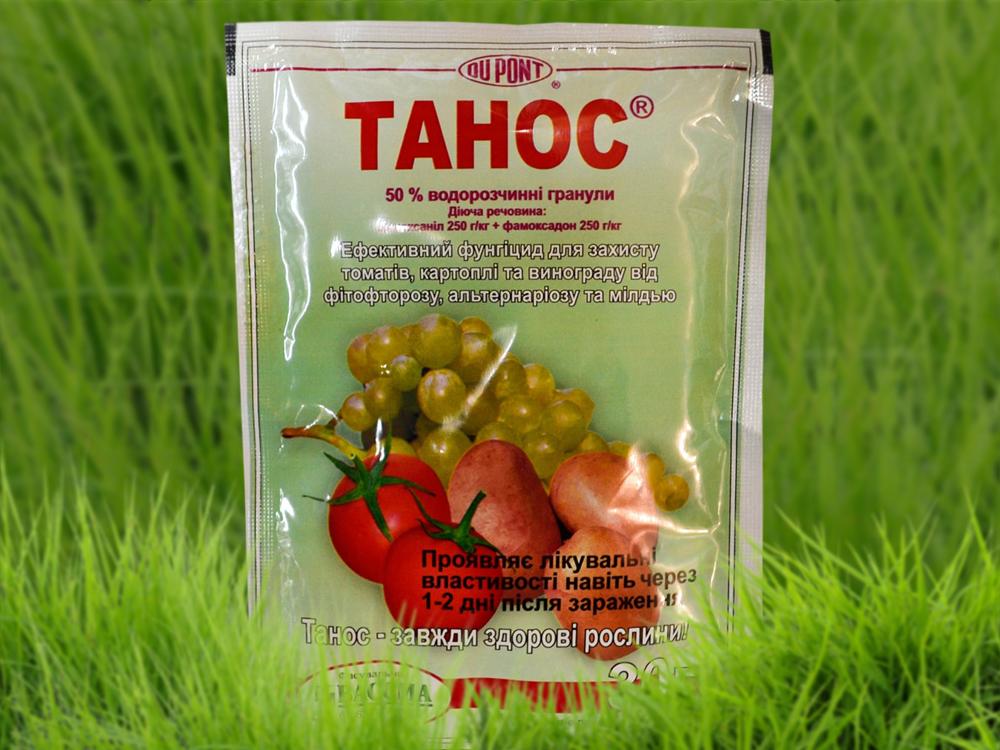
A chemical fungicide based on cymoxanil and famoxadone. It is used to treat late blight, powdery mildew, and Alternaria. It destroys mycelium and prevents sporulation. This fungicide has both contact and systemic activity.
"Acrobat"
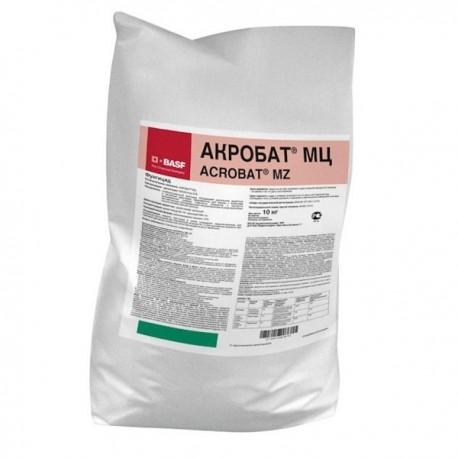
A chemical product based on mancozeb and dimethomorph. It has systemic and contact activity. It destroys mycelium and prevents sporulation. It is used against late blight, fusarium, rot, blackleg, and powdery mildew.
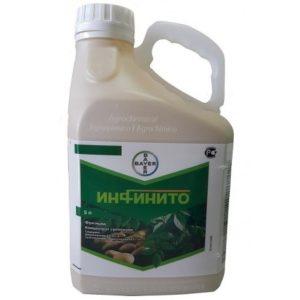
"Sulfur"
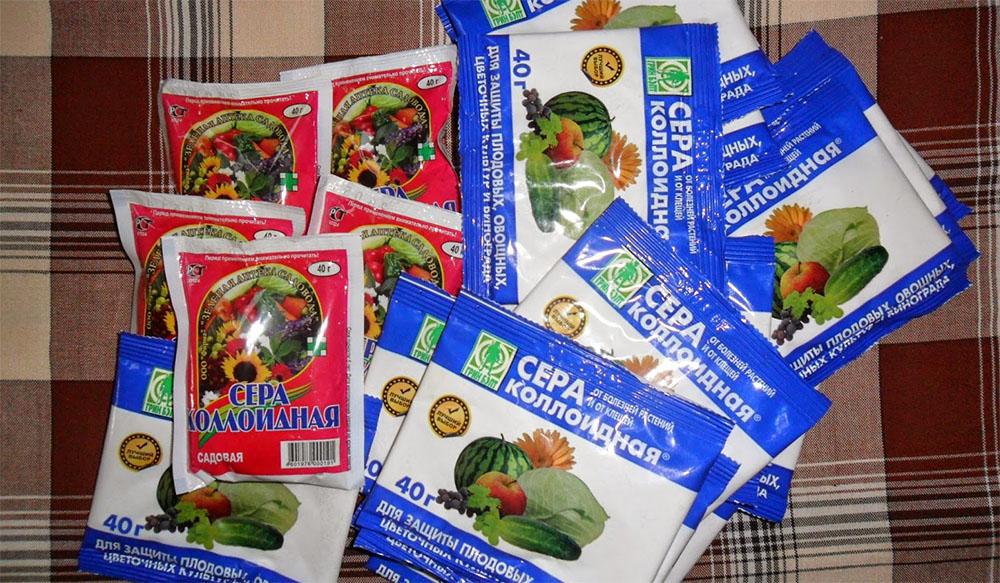
A fungicide containing colloidal sulfur is used against anthracnose, powdery mildew, scab, and rust. It works only on the surface of plants. The product emits vapors that attack the mycelium and spores of the fungus.
Agat 25K
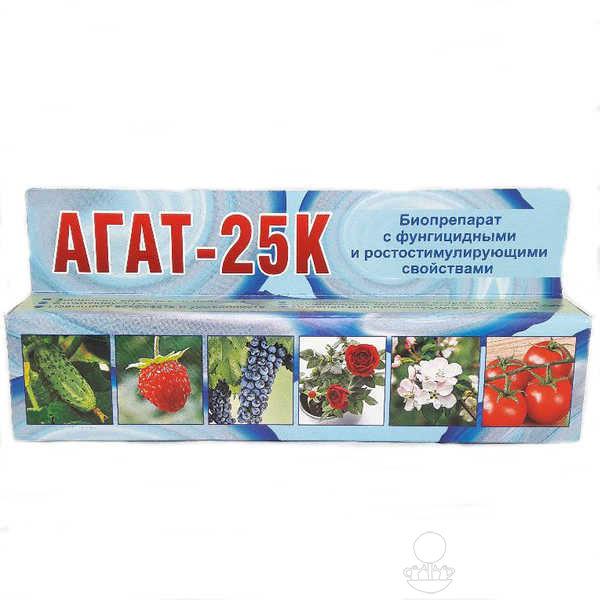
A biological product based on the bacteria Pseudomonas aureofaciens H16. This fungicide boosts crop immunity, developing resistance to late blight, early blight, rot, and powdery mildew.
Triadimefon

A chemical fungicide containing a triazole compound. It treats powdery mildew, rust, and fusarium. It has systemic activity and kills fungi.
Ridomil
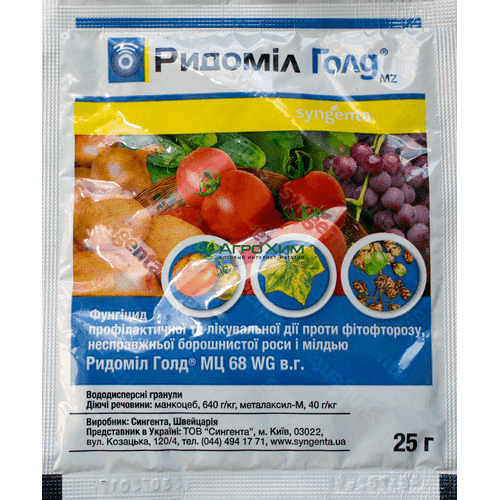
A chemical fungicide based on mancozeb and mefenoxam, Ridomil Gold is used to treat late blight, early blight, and anthracnose. It has systemic and contact activity.
Maxim
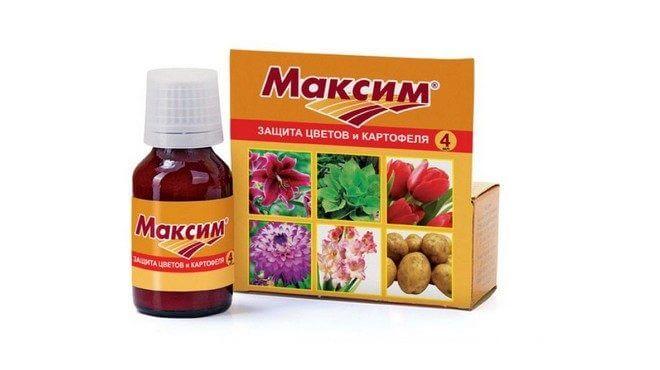
A product containing fludioxonil. It is a contact fungicide for treating tubers and seeds. It creates a protective film on planting material. It protects against mold, rot, fusarium, and phoma.
Bayleton
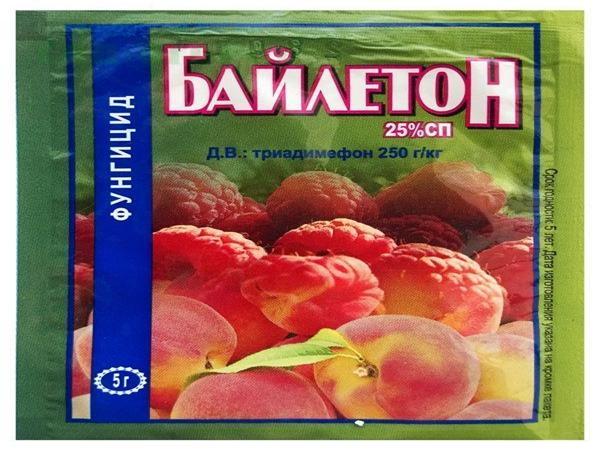
A fungicide containing triadimefon. Treats rot, fusarium, and powdery mildew. It has systemic activity.
Bordeaux mixture
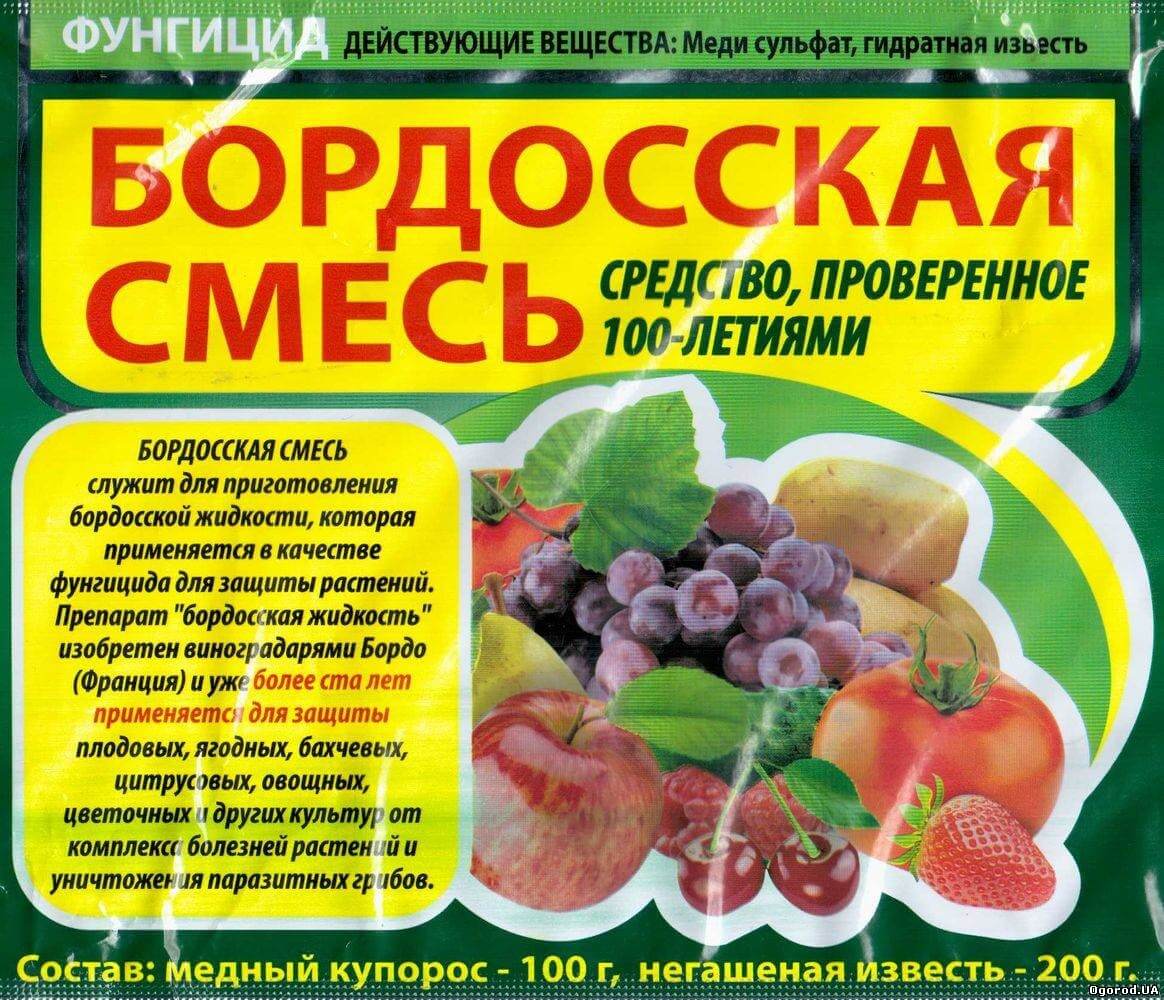
A popular product based on copper sulfate and lime. Treats spotting, scab, leaf curl, rot, and rust. It has contact activity.
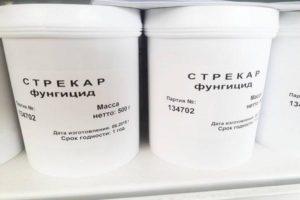
Consento
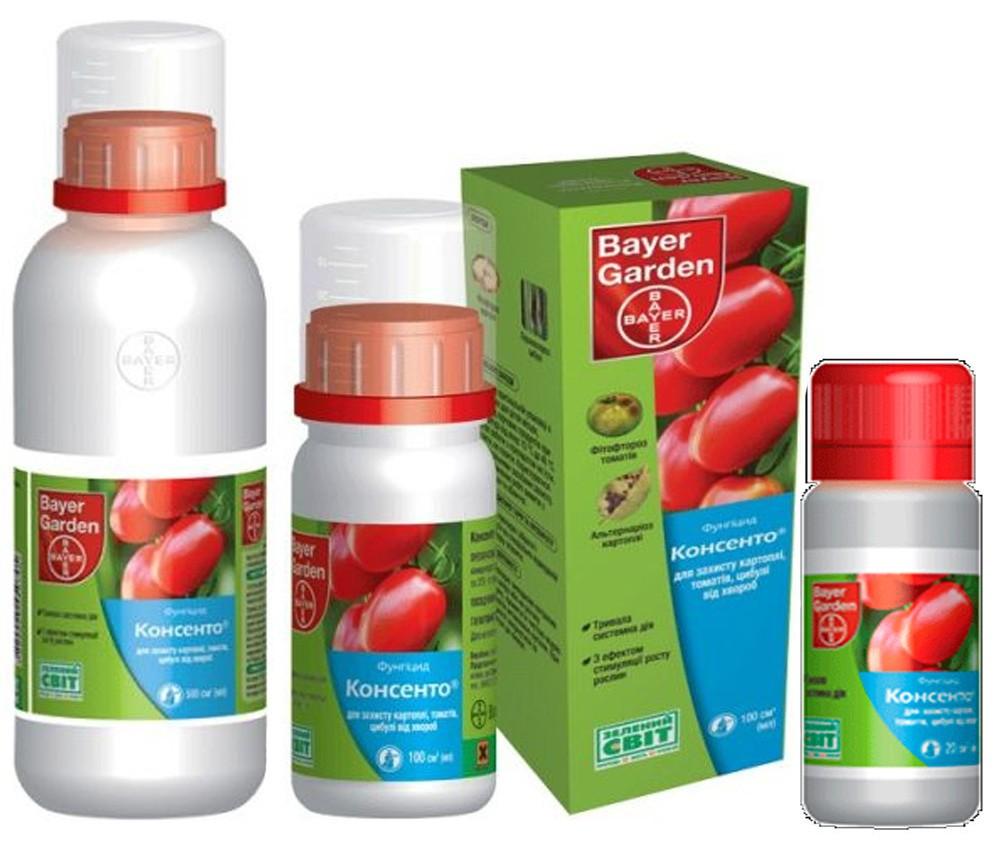
A chemical product based on fenamidone and propamocarb hydrochloride. It has contact and systemic action. It treats late blight, early blight, and downy mildew.
Fundazol
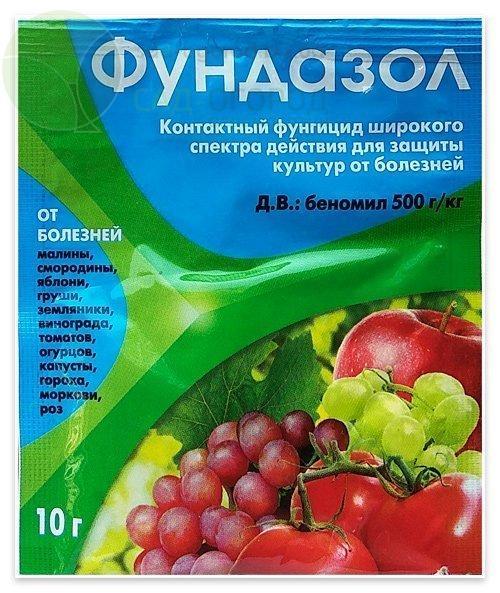
A benomyl-based chemical fungicide with contact and systemic activity. Treats rot, powdery mildew, fusarium, and mold.
"Azoxystrobin"
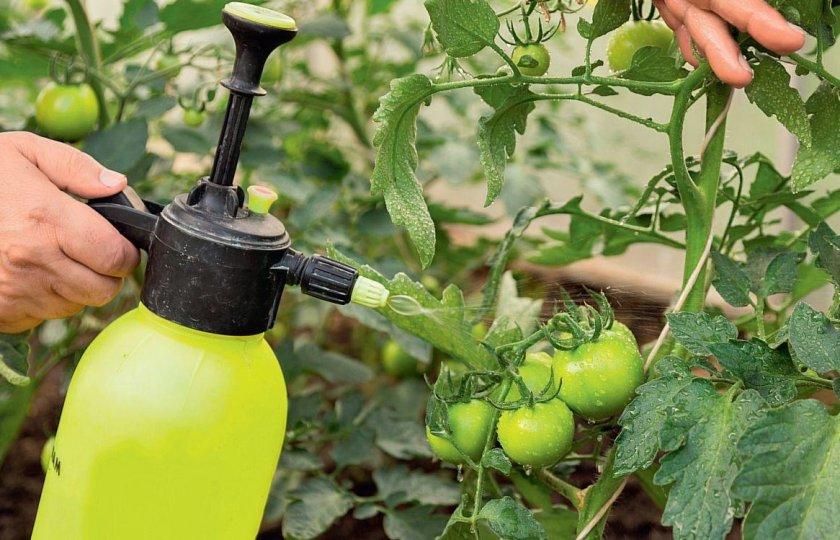
A product based on an active ingredient from the strobilurin class. It has contact and systemic activity. It treats late blight, downy mildew, powdery mildew, and alternaria.
"Tranquility Moon"
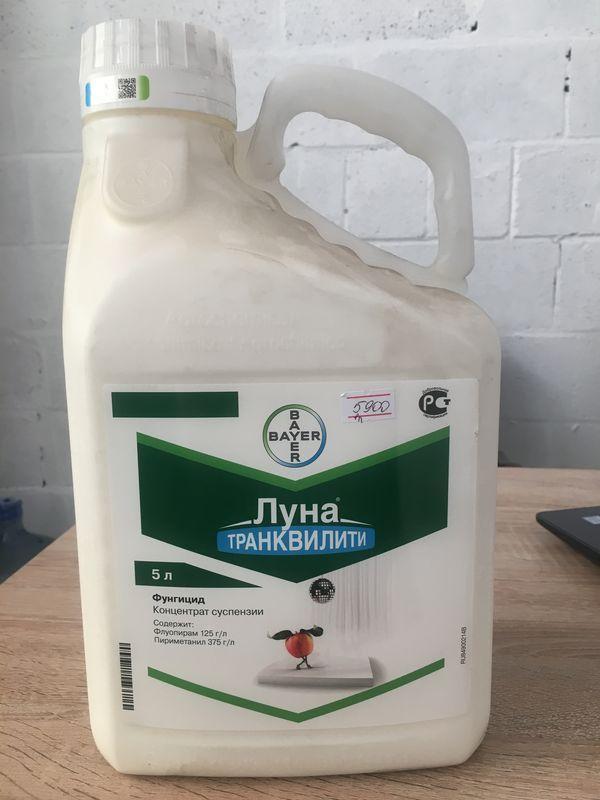
This chemical fungicide is based on fluopyram and pyrimethanil. It has contact and systemic activity and treats powdery mildew, rot, and Alternaria.
Which product should I choose?
The vast variety of fungicides presents gardeners with a dilemma of choice. It turns out it's simple. Biofungicides and seed dressings are used for preventative purposes.
Rules of application
Fungicides are typically sold in concentrated form. They must be diluted with water before use. The spray solution is prepared on the day of application. Wear a respirator and rubber gloves when handling the protective equipment. Pour the prepared solution into the sprayer tank. Apply the solution to the garden in dry, windless weather, either in the morning after the dew has dried, or in the evening.
Related posts:
 Descriptions of hosta species and the top 25 most beautiful varieties, growing rules
 List of the top 16 fungicides for grapes and instructions for their use
 Description of the top 20 most beautiful tulip varieties and types, their planting and care
 Top 16 Best Hybrid Tea Rose Varieties: Planting and Care in the Open Ground
 Top 16 Peony Rose Varieties, Planting and Caring for Them in the Open Ground
 Top 15 Korean Chrysanthemum Varieties, Planting and Care in the Open Ground
 Instructions for using the top 10 fungicides for cucumbers and which one to choose
 Top 10 Chrysanthemum Varieties, Planting and Care Guidelines for Outdoor Plants