
Since the mid-20th century, there has been an outbreak of fungal diseases affecting cultivated plants. With the proper use of fungicides for grapes, it is possible to control all pathogenic infections. In practice, in private gardens and farms, organic and inorganic chemical compounds with contact and systemic action are used.
Key features of fungicides for grapes
The most significant damage to grapevines is caused by fungi that attack leaves and fruit. Organic pesticides are most often used to protect the plants.
Existing varieties
According to the mechanism of action, fungicides are divided into 3 groups: contact, systemic and complex.
Complex
Mixed fungicides include 2-3 components with local and intra-tissue action properties.
Systemic
Fungicides are absorbed into the leaf blades and redistributed throughout the plant's vascular system. Within 7-10 days, they suppress or kill mycelium and spores. Effectiveness depends on the type of active ingredient in the fungicide and the severity of the plant infestation.
Contact
The product is intended for surface treatment of sheet plates.
The best drugs
Among the wide range of fungicidal substances capable of partially or completely suppressing the development of pathogens, the following preparations can be distinguished.
Convertible top
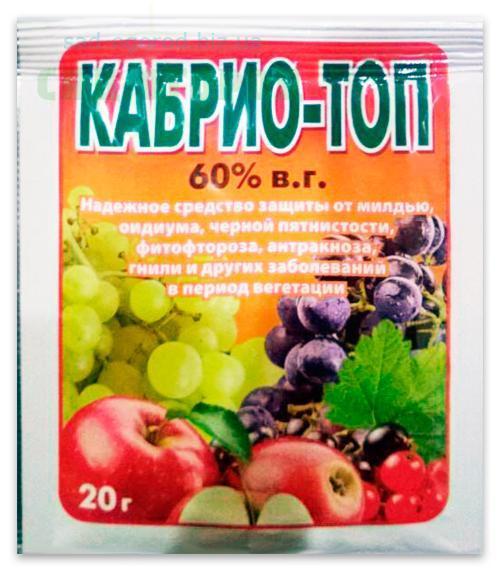
A comprehensive, two-component product for controlling downy mildew and powdery mildew. Apply after flowering, before bunch formation.
The preparation is intended not only for grapes, but also for tomatoes.
Polyram
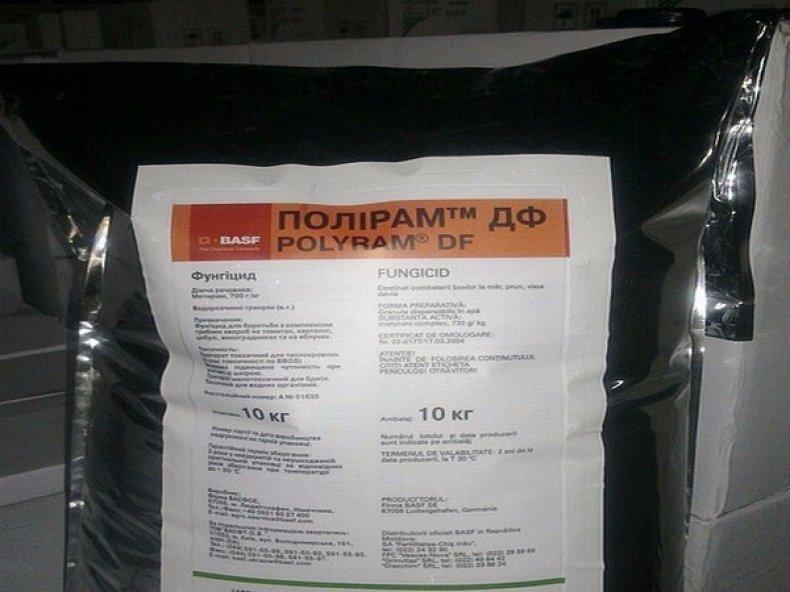
An organic fungicide that prevents the development of fungal infections such as:
- mildew;
- anthracnose;
- downy mildew;
- smallpox.
The protective properties of the drug also extend to apple trees, pears, onions, tomatoes, and potatoes.
Paracelsus

A systemic, contact, and fumigating agent. Application periods: before flowering, after flowering, until cluster closure (45 days before harvest). Purpose: Control of mildew and oidium.
The fungicide is also intended for the protection of grain, fruit and berry crops, and sugar beets.
Antracol
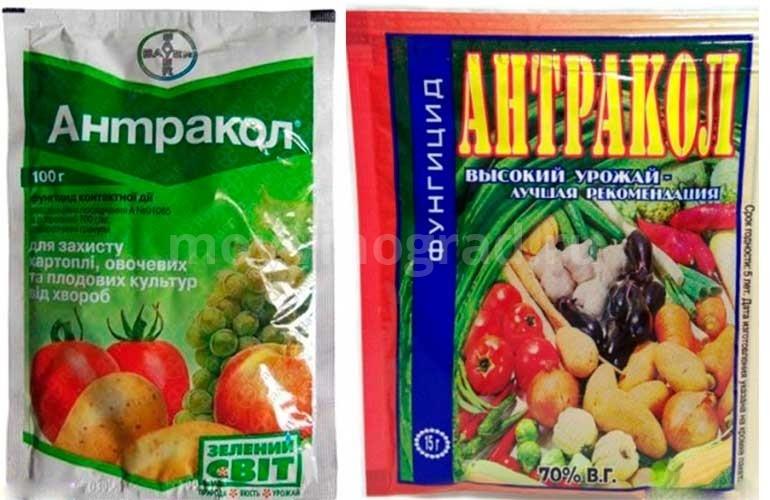
A contact fungicide. Purpose: to protect vineyards from mildew and black spot. Available as a wettable powder.
The drug is also used to treat tomatoes, apple trees, and potatoes against fungal infections.
Strobie
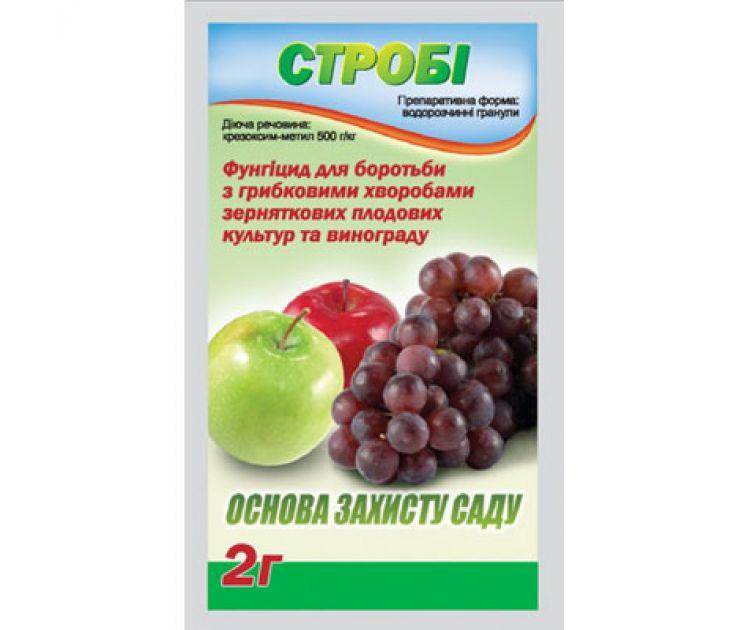
Fungicidal agent for protection against mildew and oidium.
It is also intended to suppress fungal infections on apple and pear trees.
Tilt
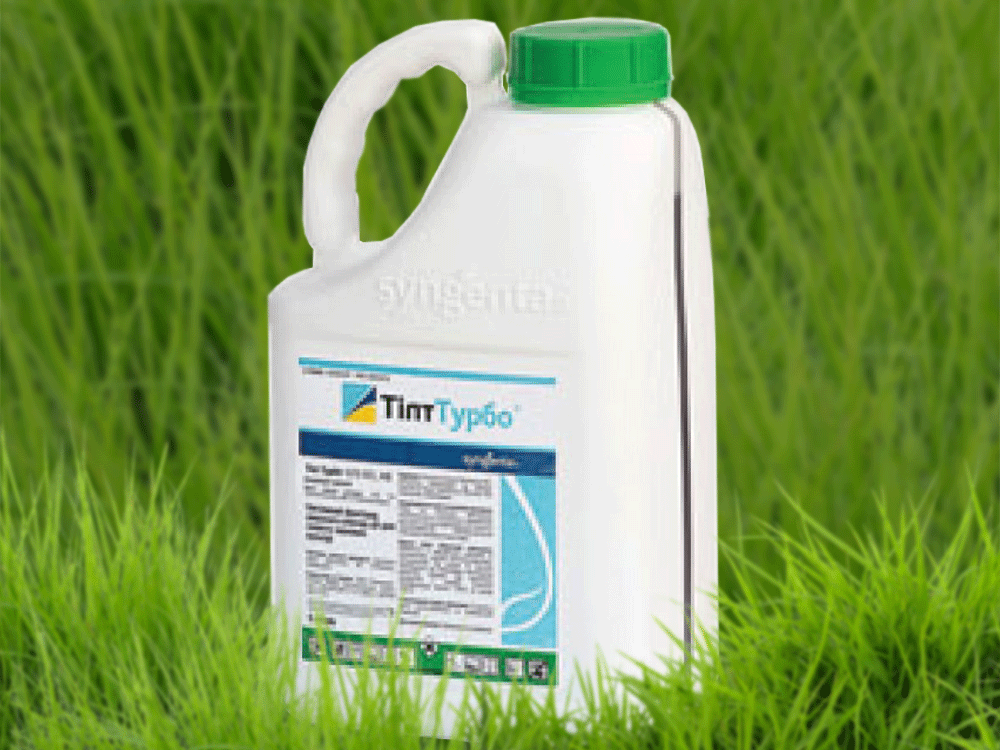
A systemic fungicide. Available in ampoules and canisters of 1 milliliter and 5 liters, respectively.
The drug is prohibited for use in private households.
"Skor"
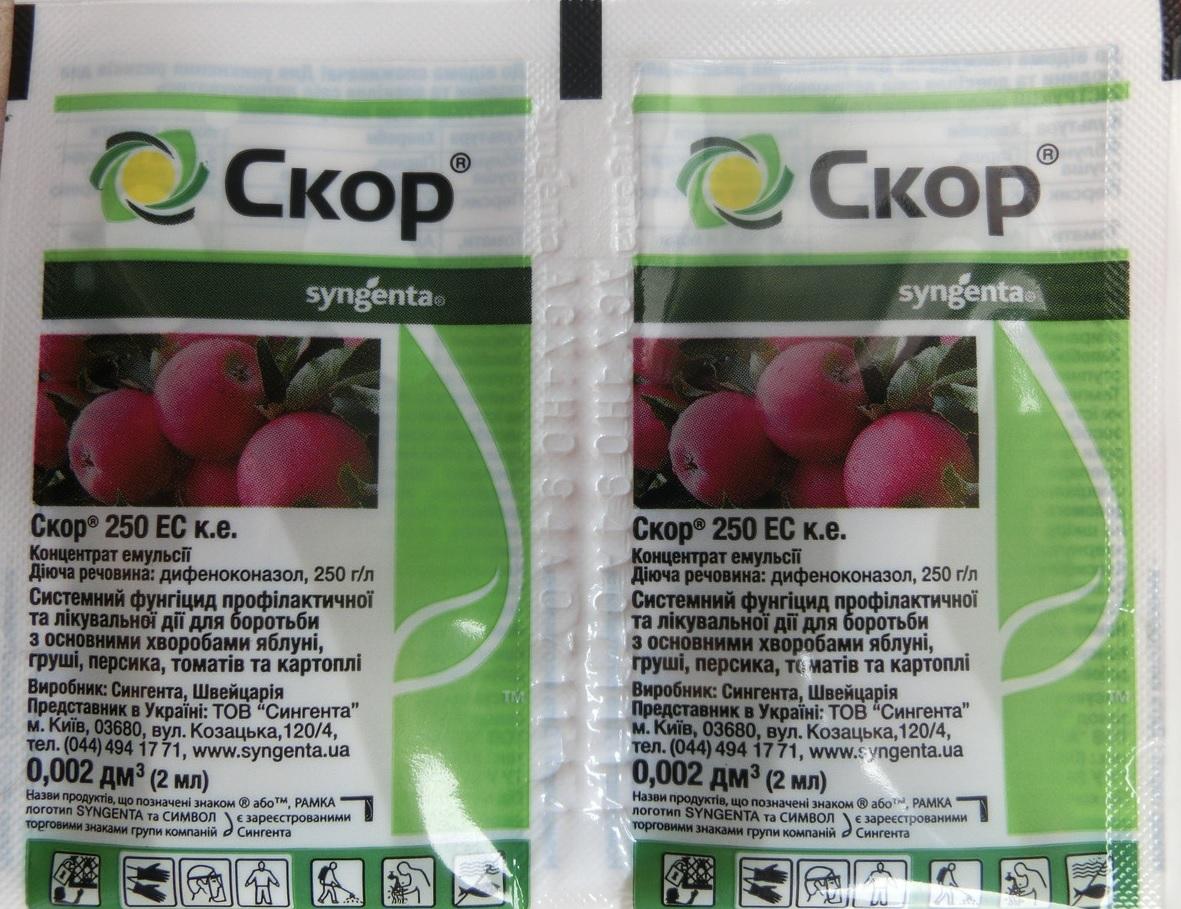
A systemic fungicide. Emulsion for protection against powdery mildew, rubella, and black rot.
The drug is approved for use in private household plots.
Garth

A contact fungicide for the treatment and prevention of mildew. Available as a wettable powder.
The drug is recommended for use in private household plots.
Mikal
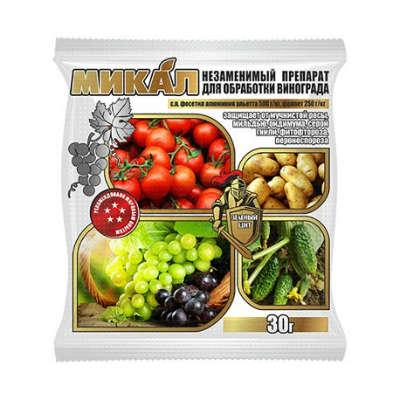
A systemic fungicide. Available as a wettable powder. Intended for prevention and early treatment.
The product is also used to protect vegetable crops from late blight and downy mildew.
Shavit
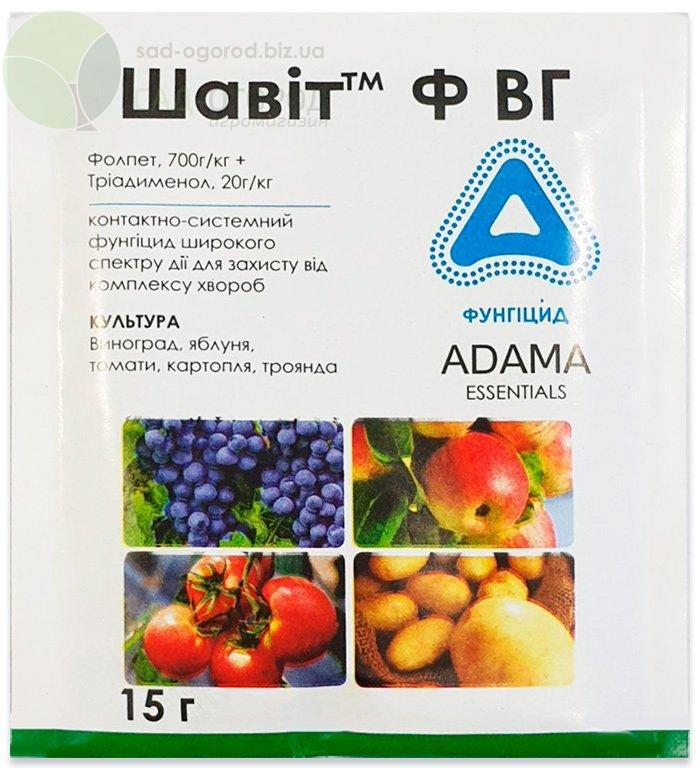
Complex drug.
The product is intended for antifungal protection of agricultural plants.
Thanos
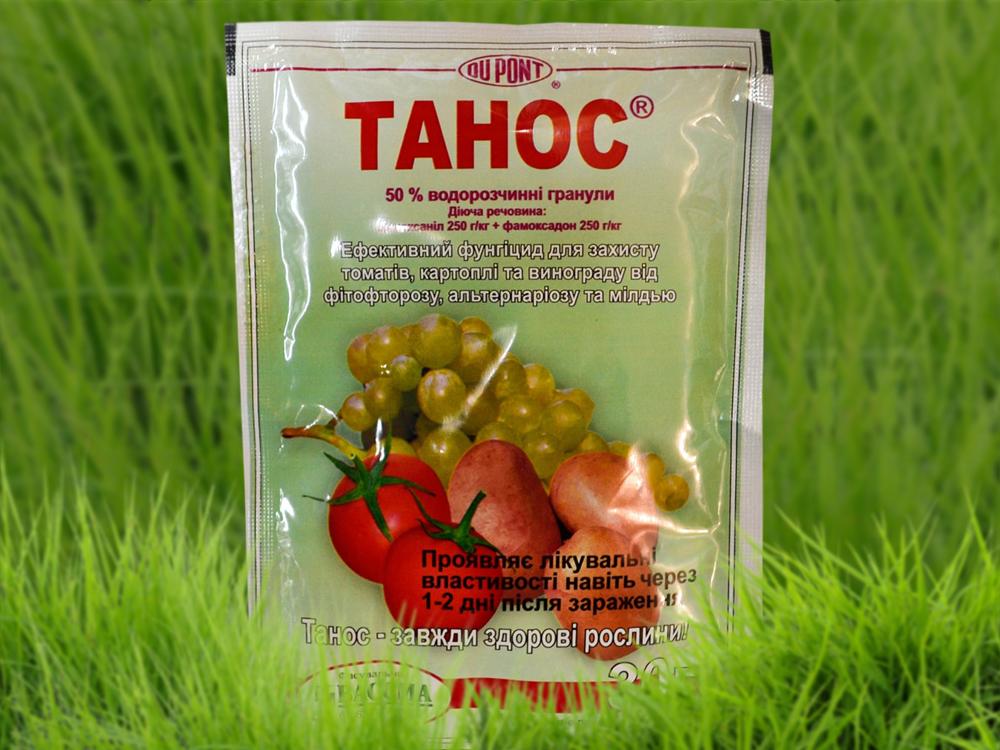
A two-component contact fungicide available in soluble capsule form. It is used in vineyards to protect against downy mildew.
The product is used for treatment and prevention of sunflowers, potatoes, and tomatoes.
Colloidal sulfur
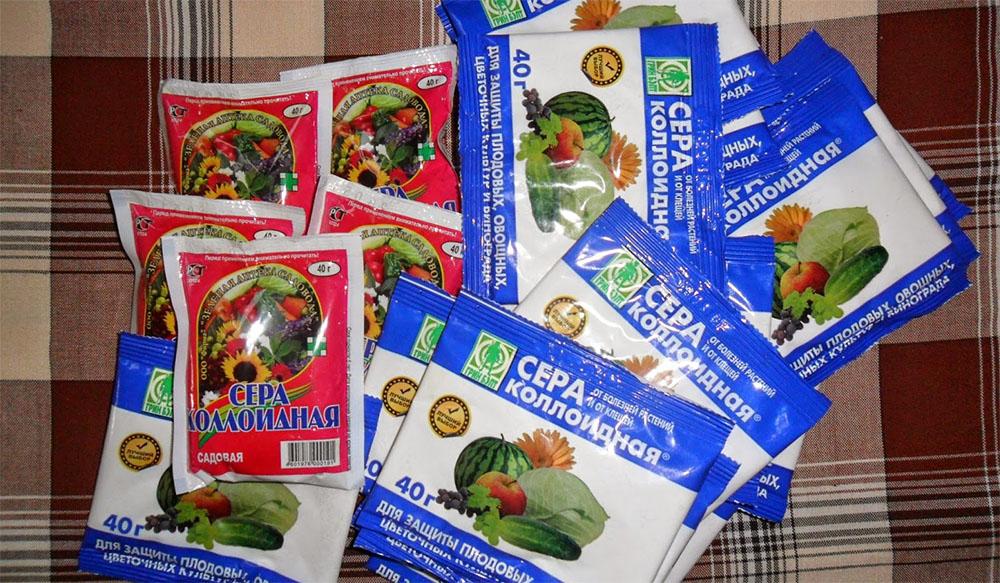
An inorganic, single-component preparation. The powder is diluted in water in the specified proportions.
To avoid the accumulation of sulfur in the berries, treatment is stopped at the end of July.
Soda solution
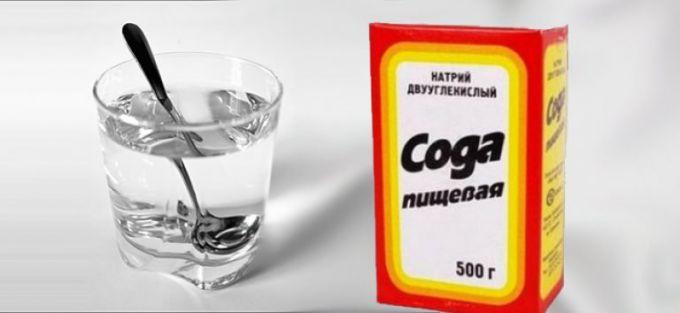
A soda solution is used to protect against powdery mildew. For preventative purposes, spray three weeks before flowering, and for curative purposes, spray every five days. The soda concentration is 5 grams per liter. Add 2 grams of soap to the preventative solution.
The soda solution can cause leaf burn if the recommended concentration is not used.
Bordeaux mixture
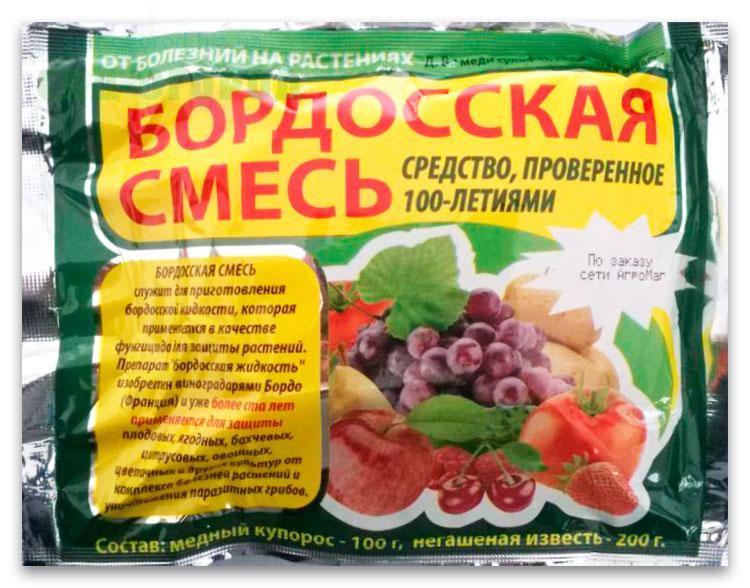
An inorganic compound with contact action. Solution composition: copper sulfate and lime milk.
When processing, please follow the instructions carefully.
Azure water
Contact fungicide based on copper sulfate and ammonia water.
Not permitted for use in private households.
Ferrous sulfate
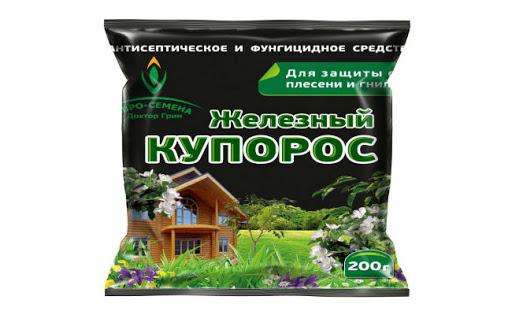
An inorganic contact fungicide. It is used for prevention and treatment, before the growing season begins and after leaf shedding.
The solution is prepared in strict accordance with the instructions.
Selection rules
When treating vineyards infected with fungi, alternate contact and systemic fungicides or use 2-3 systemic fungicides from different chemical groups.
Grape Use Scheme
To protect plants, chemical treatment is carried out throughout the growing season in several stages:
- Before bud swelling. Contact inorganic fungicide against black spot.
- Bud break. Contact organic fungicide against black spot.
- Appearance of 4-5 leaves. Contact inorganic against mildew and oidium.
- After flowering. Systemic drug.
- After leaf shedding. Iron sulfate.
Chemicals should be used according to the instructions for use. Contact fungicides should be sprayed evenly over all vine leaves. For systemic agents, a single treatment is sufficient.
Related posts:
 Descriptions of hosta species and the top 25 most beautiful varieties, growing rules
 Instructions for using the top 17 fungicides for tomatoes and their types
 Description of the top 20 most beautiful tulip varieties and types, their planting and care
 Top 16 Best Hybrid Tea Rose Varieties: Planting and Care in the Open Ground
 Top 16 Peony Rose Varieties, Planting and Caring for Them in the Open Ground
 Top 15 Korean Chrysanthemum Varieties, Planting and Care in the Open Ground
 Instructions for using the top 10 fungicides for cucumbers and which one to choose
 Top 10 Chrysanthemum Varieties, Planting and Care Guidelines for Outdoor Plants