
It's impossible to get a good cucumber harvest without using additional fungicides. This vegetable is extremely susceptible to fungal diseases, including downy mildew, anthracnose, macrosporiosis, and rootworm. Instructions for using fungicides on cucumbers vary widely, depending on the active ingredient, the timing and location of application, and the weather.
What are fungicides used for and what are their types?
Fungicides are chemical compounds with a wide range of effects, designed to destroy fungal pathogens and their spores. The classification of these compounds is arbitrary and based on their chemical properties and mode of action.
There are several main classes of fungicides: preventative, curative, and immunizing. As the names suggest, preventative fungicides prevent fungal growth on cucumber leaves and stems, curative fungicides eliminate existing spores, and immunizing fungicides provide crops with lasting immunity to any pests.
There is also a classification by method of action:
- True fungicides act directly on the fungus, inhibiting biochemical processes, which leads to the death of the parasite.
- Immunizers - use the plant's own organism to fight the fungus, forcing it to develop conditions that lead to the death of spores.
- Antagonists of disease-causing agents are strains of microbes that inhibit the growth and development of pathogenic fungi.
Fungicides are also divided by the method and purpose of application, the place of accumulation in plants, the method of penetration and the mechanism of action.

How do the funds work and what are their functions?
Fungicides have a number of functions, the most important of which is the destruction of microscopic fungi. Most products only work on mature plants, but periodic treatments every 2-3 weeks are more effective to completely destroy spores and young fungi.
Most fungicides act on the organism of the microscopic fungus, altering its normal life processes, for example, by blocking the work of an enzyme.
The substance often forms a dense layer on the soil or plant surface, preventing the pest from gaining entry. The method of action depends largely on the product itself and is adjusted based on weather conditions, the equipment used, the spray rate, and other factors.
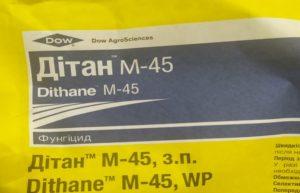

Description of the best drugs
The rating of the best drugs includes both domestic and foreign-made products.
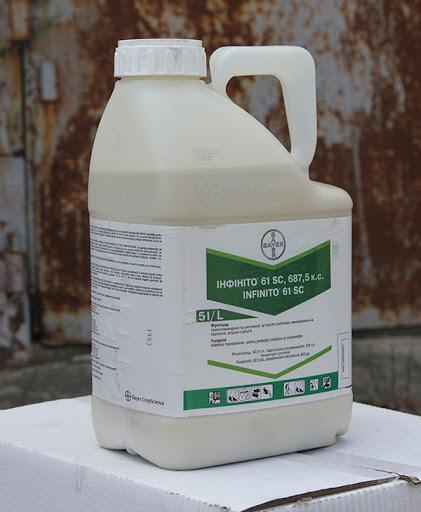
Infinito
Infinito contains fluopicolide, which effectively combats downy mildew. The product penetrates deep into the plant and blocks the parasite's enzyme production, preventing the fungus from reproducing.
Kurzat
"Kurzat" has a broad spectrum of action and protects cucumbers from late blight.

"Acrobat"
A medicinal fungicide that can be used to control fungal diseases in cucumber crops. It blocks the synthesis of fungal cell wall enzymes, making the fungus sensitive to changes in temperature and humidity and causing it to die quickly.

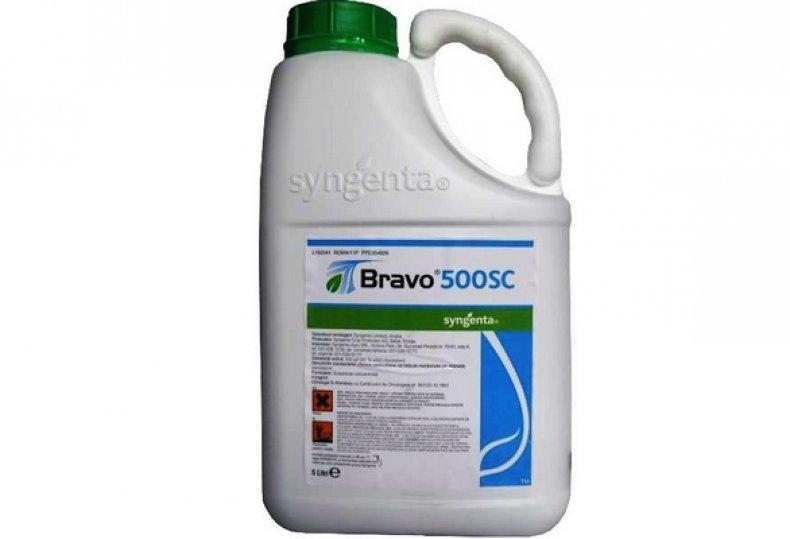
Fungicide "Bravo"
The fungicide contains a high concentration of organochlorine pesticides, which are considered to be among the most powerful available today.
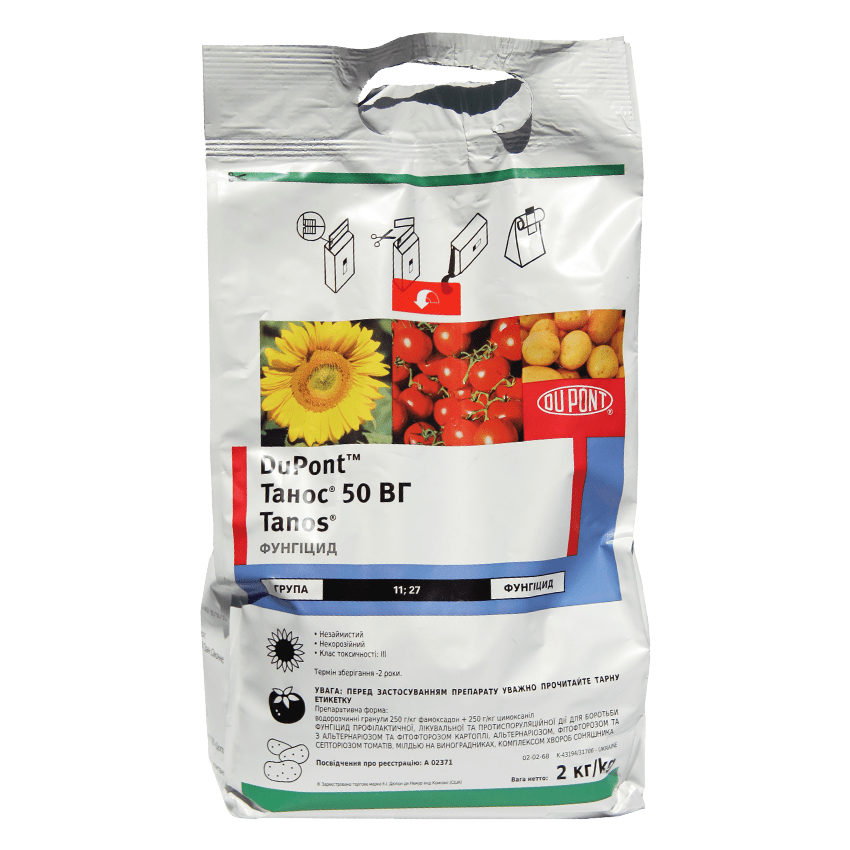
Thanos
"Thanos" contains cymoxanil, which has a preventative and therapeutic effect on potatoes, corn, and cucumbers.
Quadris
A relatively new drug containing strobilurins, low-toxic substances that are effective against fungal infections.

Strobie
It acts as a preventative measure, preventing fungal spores from entering the plant.

"Topaz"
Highly effective fungicide against powdery mildew of cucumbers.

Polyram
Designed for preventative use. One treatment provides protection for a week.

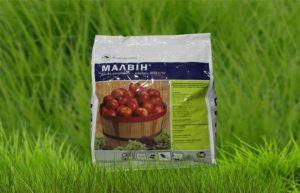
Khometsin
Powder containing copper sulfate is a proven folk remedy for fungus.

Which drug should I choose?
A fungicide should be selected based on the characteristics of the field, crops, soil, and climate. It's impossible to find the perfect product; it's best to conduct a chemical soil analysis in advance to identify the risk of infection by a particular fungus.
Directions for use with cucumbers
When working with the fungicide, wear protective gloves and a mask, as well as protective clothing. Rinse the tank regularly with running water. Storing the working solution in the tank is prohibited; drain and dispose of any remaining solution after each use. Average application rate is 2-3 liters per hectare.
Related posts:
 Descriptions of hosta species and the top 25 most beautiful varieties, growing rules
 Instructions for using the top 17 fungicides for tomatoes and their types
 List of the top 16 fungicides for grapes and instructions for their use
 Description of the top 20 most beautiful tulip varieties and types, their planting and care
 Top 16 Best Hybrid Tea Rose Varieties: Planting and Care in the Open Ground
 Top 16 Peony Rose Varieties, Planting and Caring for Them in the Open Ground
 Top 15 Korean Chrysanthemum Varieties, Planting and Care in the Open Ground
 Top 10 Chrysanthemum Varieties, Planting and Care Guidelines for Outdoor Plants