
For years, chemicals were used to protect cultivated and ornamental plants from insects, diseases, and weeds. These chemicals gradually poisoned the environment, accumulating in the soil and agricultural products. A need arose for gentler solutions—biological products—that would not harm plants and would also eliminate diseases and pests.
What are biopreparations and their types?
The range of biological products used for plant protection is quite broad. It includes the following varieties:
- Bioinsecticides.
- Biofungicides.
- Antibiotics.
- Biofertilizers.
- Destructors.
- Adhesives.
- Biocomplexes.
All existing biopreparations can be divided into the following groups:
- Based on live cultures of microorganisms.
- Based on the waste products of microorganisms, like most antibiotics.
- Plant-based extracts.
Each of these biopreparations has its own area of action, and their functioning is based on active substances of natural origin.
Advantages and disadvantages of funds
Biopreparations have both positive qualities and some drawbacks. Among the advantages of using them in the home, garden, and vegetable patch is their safety for the environment and humans. However, some of these products can also have a negative impact on beneficial insects, such as bees.
Not all biological products are highly effective; some are inferior to chemical treatments but are superior in terms of toxicity. For example, the main drawback of biofungicides is that they must be selected precisely for the specific problem, or disease, otherwise they will be ineffective.
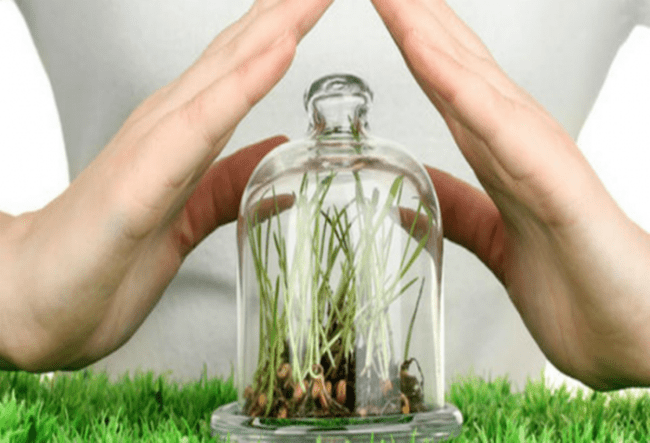
Biological products also require special storage conditions, as they have a short shelf life, are sensitive to sunlight, and ready-to-use formulations must be used immediately after dilution. All these drawbacks are offset by their safety and the minimal or no waiting time before harvesting.
Take a look Also
What products are suitable for pest control?
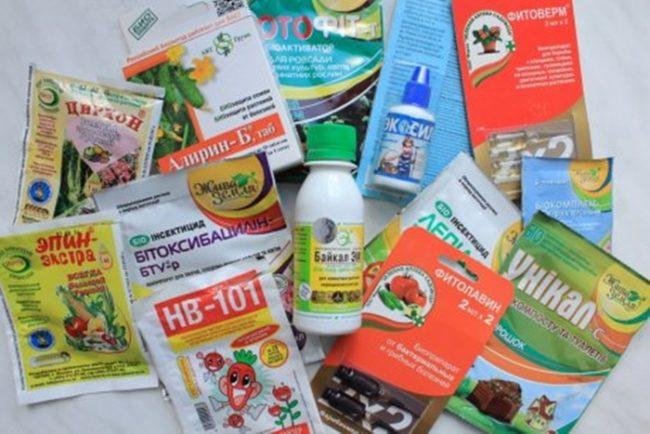
The following preparations are used among bacterial-based bioinsecticides to protect plants:
- "Lepidocid" is most often used against Lepidoptera, contains the endotoxin Bacillus thuringiensis, and copes well with the apple moth.
- Bitoxibacillin is effective against harmful insects and spider mites. This latter fact makes it popular not only for outdoor use but also for treating indoor plants and greenhouses. These plants are particularly susceptible to spider mite attacks.
Avermectin-based insectoacaricides are also used, the most well-known of which is Fitoverm. It is non-toxic to humans when used correctly and can be used in indoor gardening to kill such dangerous and difficult-to-remove pests as mealybugs.
Preparations based on plant extracts
Such biopreparations contain biological extracts and infusions with a wide spectrum of action:
- Improving soil composition by accelerating the decomposition of plant residues.
- Acceleration of plant growth.
- Stimulation of crop yield.
- Resistance to various diseases due to the destruction of fungal spores and viruses.
- Cleansing from toxins.
- Protection from the harmful effects of excess ultraviolet radiation.
- Reducing the spread and development of various fungal diseases, rust, rot, etc.
The selection of preparations based on plant extracts and infusions is carried out individually for specific plants, soils and growing conditions.
Only in this case can we achieve maximum effectiveness of this type of biopreparations.

For seed treatment
Seeds are susceptible to various hazards when they reach the soil. They are primarily susceptible to various rots, the pathogens of which can be present on the seed itself or in the soil. If seeds are not treated with special agents, some will inevitably perish when sown in the soil or in the early stages of vegetation, for example, from blackleg when growing seedlings or sowing directly into the soil. This means that such sowing will result in a significant reduction in yield, and the plants themselves will be weakened during growth. They will require additional care, which will lead to increased expenses and production costs.
Pre-sowing treatment with biological products protects not only the seeds but also the young plants. This prevents harmful chemical components from entering the soil, and the biological products, having fulfilled their function, decompose and have no toxic effect on either the plants or the soil. Products such as Rizoplan, Rizotorfin, Rizoagrin, and others are used for this purpose.
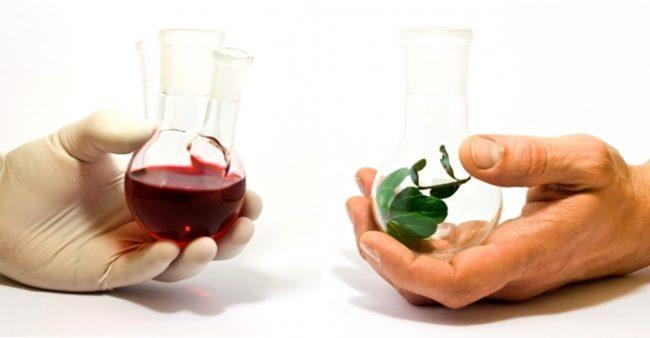
For disinfection and soil preparation
Soil contains a huge number of pathogens that cause dangerous plant diseases, so when planting outdoors, plants are at significant risk of infection. To prevent this, you can heat the planting soil at home, pour boiling water over it, or treat it with a potassium permanganate solution. However, this is not possible in open ground. Soil biopreparations can help.
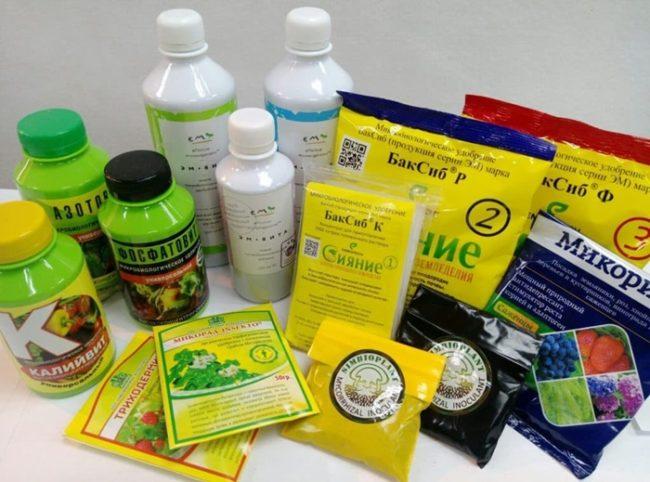
A prime example of such products is the EM series. They are produced using bacteria, fungi, yeast, and other ingredients.
Humates—naturally occurring substances—can also be considered an example of complex products that can be used for seed treatment, soil treatment, and spraying growing plants. While not biological fertilizers in the true sense of the word, they can act as soil cleansers, conditioners, and growth promoters, increasing plant resistance to diseases, pests, and negative environmental impacts. Another useful product is Trichodermin, based on the soil fungus Trichoderma.
For spraying plants during the growing season
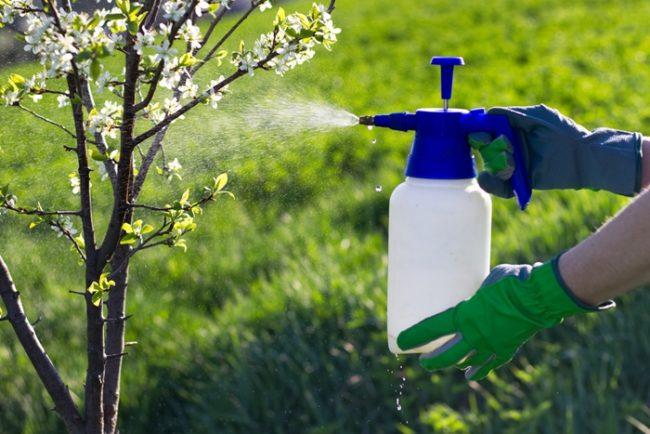
During growth, plants are also susceptible to attack by pests and pathogens, so they require regular spraying with specialized products. Bioprotection is the safest method of plant protection.
The difficulty lies in the fact that there is no universal remedy for diseases or pests, so it is necessary to select a product suitable for the specific disease, which must first be identified. However, a number of biological products can be combined with each other, or a series of sprays with different products can be used. This will help protect plantings and crops, as well as combat existing diseases and pests without harming the plants themselves or the environment.
The use of biopreparations in organic farming makes it possible to obtain the purest possible products that do not harm the human body, but provide only benefits.
To protect potatoes
The Colorado potato beetle is a dangerous pest, capable of completely destroying potato crops. Controlling it is difficult even with chemical methods, as it quickly develops resistance to pesticides. Biological pesticides are effective in this case, as they interfere with the insect's ability to reproduce and negatively impact its development. This naturally controls the pest population, preserving the harvest and keeping the potatoes free of pesticides.
The following preparations are used against the Colorado potato beetle and other potato pests:
- "Actofit".
- "Nemabakt".
- "Bitoxibacillin".
- "Aktarofit".
- "Entocide" and many others.
To protect against potato diseases, the following biological preparations are suitable: "Pantsir KEM", "Nematodos", "Mesitropin", "Boverin", "Trichoderma", "Baikal" for treating soil and planting material, and other means.
Systematic and comprehensive use of biopreparations allows for the protection of plants from harmful environmental influences, increasing crop yields and resistance to pests and diseases, without causing any harm to the biosphere through chemical products.