
To ensure high yields, cultivated plants must be protected from weeds. Treating crops with "Cassius" can inhibit the growth and spread of many harmful plants. The product also offers other advantages: low toxicity to warm-blooded animals, unaffected by weather conditions, low application rates, and no crop rotation restrictions.
What is included in the composition and dosage form
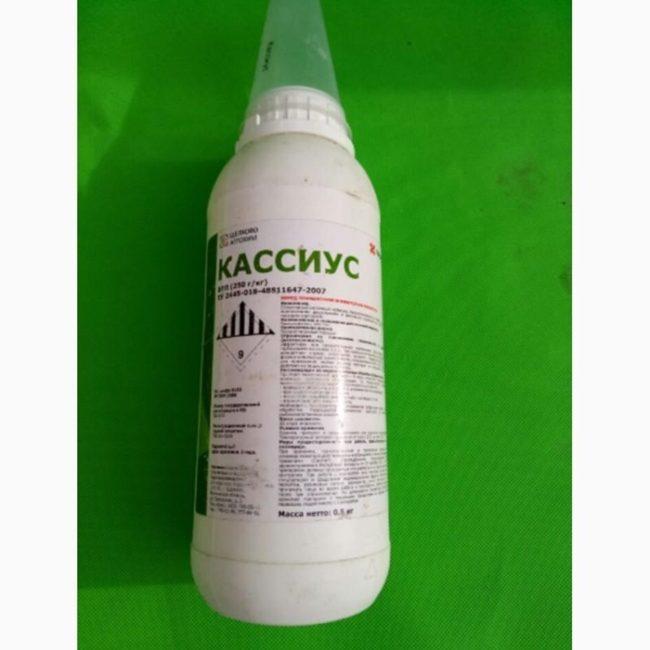
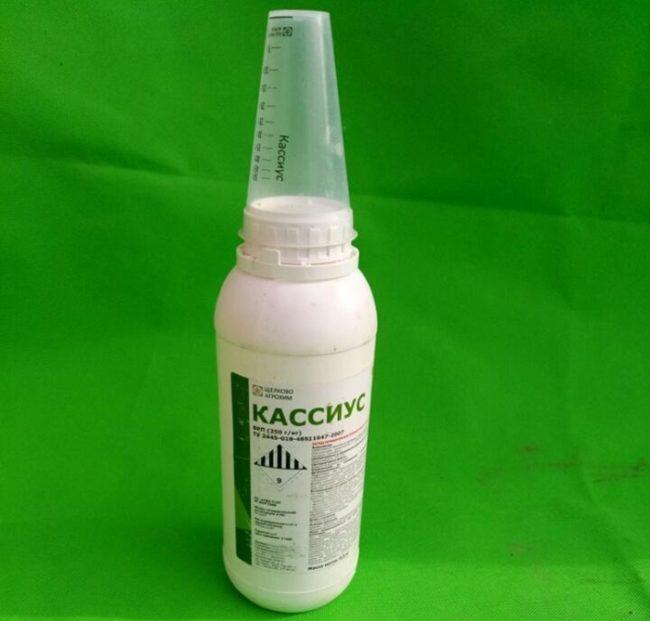
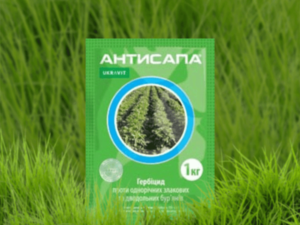
A selective systemic herbicide available as a water-soluble powder. Rimsulfuron is the active ingredient and is used to control the growth and spread of grasses and broadleaf weeds. Its advantage lies in its destructive effect on both annual and perennial weeds, dicotyledonous and cereal crops. The powder is packaged in 0.5 kg polyethylene bags.
What is it used for?
The herbicide is used to kill weeds in tomato, corn, and potato crops. Treating plants with the working solution helps eliminate barnyard grass, chamomile, couch grass, field sow thistle, wild oats, foxtail, amaranth, sedge, and knotweed.
When spraying greenery, keep in mind that annual weeds are susceptible to pests at the 1-4 leaf growth stage. Once perennial weeds reach a height of 10-15 cm, you can begin spraying them.
Mechanism of action
The product is absorbed by weed foliage, so soil moisture levels are irrelevant. The herbicide inhibits cell division at shoot growth points and in the root system. This action causes weeds to wither and die, and the effect lasts throughout the growing season.
The damaging effect manifests itself after 2-3 days with the following symptoms: reddening of leaves, deformation of leaf blades, necrosis of the entire plant.
Complete death of treated plants is observed after 7-14 days.
Consumption rates and instructions for use
To ensure the effectiveness of the working solution, it is important to follow the consumption rates and the manufacturer's recommendations for using the herbicide:
| Cultivated plants | Consumption rates, g/ha | Type of weed | Features of use |
| Potato | 30 and 20 | perennial and annual cereals, dicotyledons | the first time at the stage of hilling the bushes, the second time at the stage of early weed growth |
| 50 | spraying the beds after hilling | ||
| Corn | 40 | dicotyledons, annual cereals | early growth phases of weed crops (at the stage of approximately 2-6 corn leaves) |
| 50 | annual and biennial cereals, dicotyledons | treatment of weeds that have grown to a height of 10-15 cm |
If dry weather sets in or in arid regions, it is recommended to increase the concentration of the working solution. However, it is advisable to postpone treatment if the foliage is wet from precipitation or dew.
Precautionary measures
The herbicide is classified as a Class 3 hazard to bees and humans. Airborne treatment is not recommended. When using the product, observe safety precautions:
- preparation of the working solution and spraying of weeds is carried out using personal protective equipment (rubber gloves and shoes, respirator, safety glasses and special clothing);
- It is prohibited to eat, drink or smoke while working;
- Spraying is carried out in dry, windless weather.
If the solution comes into contact with exposed skin, rinse the affected area with clean running water. If any discomfort (nausea, watery eyes) occurs, seek medical attention.
Is compatibility possible?
Manufacturers note the product's high effectiveness when used alone. However, they offer several options for preparing tank mixes:
- For corn treatment, Cassius is mixed with the herbicide Primadonna, which exhibits several advantages. It has a selective action pattern, high activity (immediately after treatment, even during precipitation), low weed tolerance, and no crop rotation restrictions.
- When growing corn, a tank mix with the herbicide "Drotik" is also used. The product's advantages include: it quickly inhibits weed growth and has no crop rotation restrictions.
To treat potato crops, add the herbicide "Zontran" to the tank mixture. It has a selective effect on plants. The herbicide is also completely degradable in the soil, reduces potato blight, and is economical to use. "Kassius" should not be mixed with organophosphorus insecticides.
How to store properly
A dry, well-ventilated area is the best place to store the product. It is not recommended to store food, animal feed, and herbicides in the same place. Since the powder is sold in standard bags, a hermetically sealed container should be selected for storing unused product.
Analogues
To protect plants from weeds, herbicides that work in a similar way can be used. Manufacturers produce several effective products.
- The post-emergence herbicide "Basis" is used on corn crops. It actively kills established weeds and prevents new ones from sprouting. It is also used for therapeutic and preventative purposes.
- Romulus exhibits high biological activity in the control of annual and perennial broadleaf weeds. It is compatible with many other herbicides.
The popularity of Cassius is due to its long-lasting biological effect and selective impact on crops. When applied to crops, only weeds are destroyed.