
Proper plant care, regular tilling, weed removal, and planting at sufficient ventilation distances are the best eco-friendly ways to control slugs in your garden. During prolonged rainfall, Metaldehyde is the easiest way to control slug growth and spread. When using this product, be aware of its toxicity to humans and animals.
Composition and existing forms of release
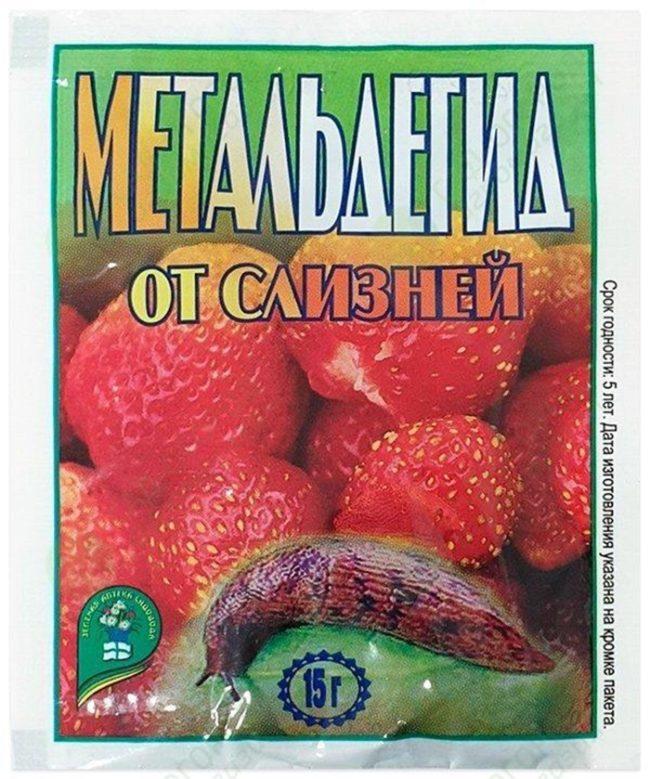
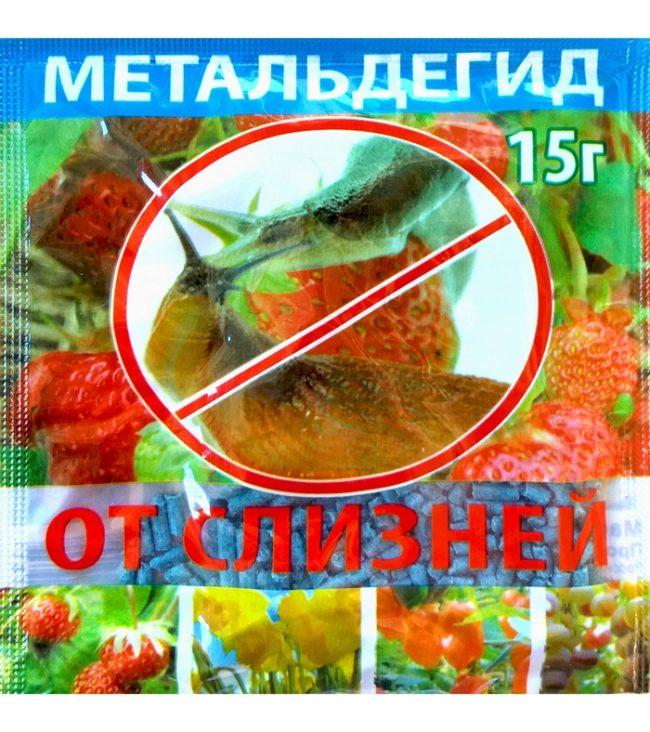
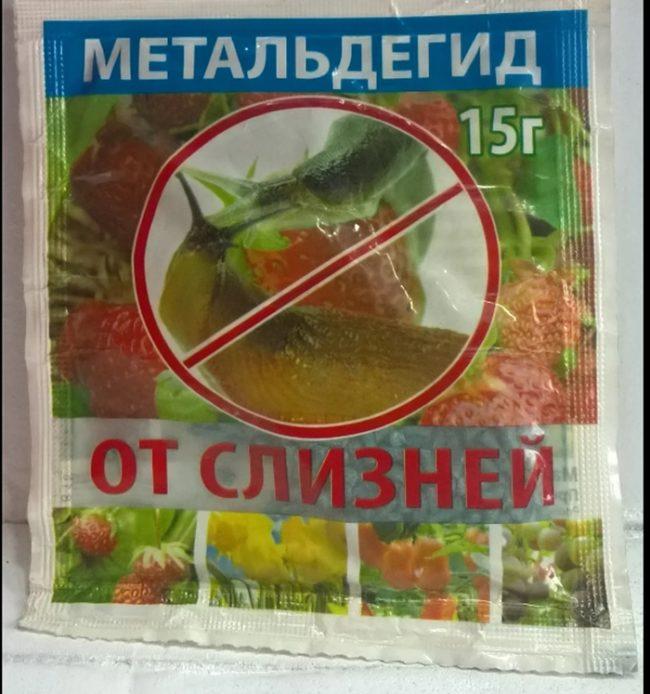
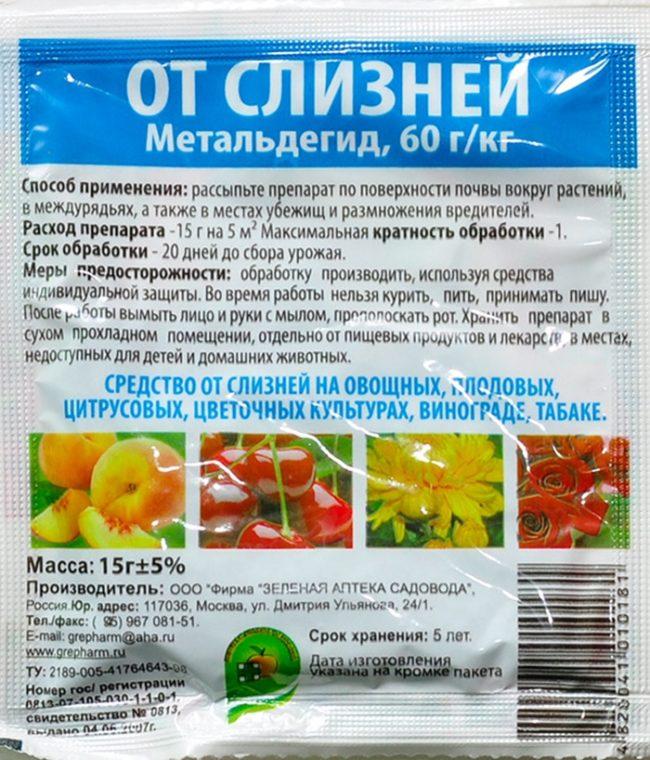
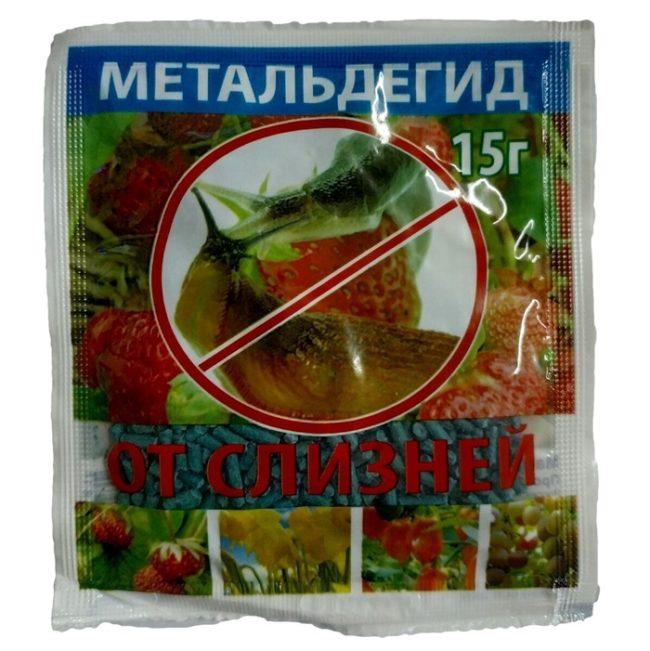
The product is available as granules packaged in polyethylene bags (weight: 15 g or 50 g). Granule size: diameter: 3 mm, length: 5-12 mm. Color may vary (pink, green, blue).
The granules contain 5% metaldehyde, wheat bran, kaolin, and various additives. The active ingredient is metaldehyde, a tasteless, odorless organic compound insoluble in water and alcohol. This product is a pesticide used to control harmful snails and slugs.
Purpose
Metaldehyde is used in garden plots to kill mollusks. It is most often used to clear slugs from vegetable beds and flower beds. It also helps maintain order in grapevines and berry bushes.
Mechanism of action
Slugs cause significant damage to plants, damaging leaves, fruits, and tubers. Ornamental crops are also harmed by slugs. It's also important to note that slugs are carriers of fungal diseases (gray mold, powdery mildew). By eating infected leaves and fruits, slugs transmit fungal spores through their digestive tract and spread them through their slime trails.
Metaldehyde kills mollusks when touched or eaten by damaging the cells of their digestive tract. The pests die 45-48 hours after contact with the pesticide. Granules scattered over an area remain active for 15-25 days.
At the end of its effective period, the preparation decomposes in the soil into safe components.
Instructions for use
The thin skin of a slug is covered with a layer of mucus, which is 90% water. To protect their delicate skin, slugs must constantly renew this protective layer. Rainy weather creates favorable conditions for slug reproduction and migration. On dry days, the pests "hide" under logs, rocks, and in shaded soil crevices. When using the product, follow the manufacturer's instructions and consider the slugs' habits:
- granules are scattered in the form of strips between the rows of beds, along the perimeter;
- If the plants are planted randomly, the preparation is scattered separately under each bush;
- Granules are also scattered on the ground near the mollusk shelters.
The pesticide is used as a ready-to-use bait. The recommended application rate is 15 g per 5 square meters. It is recommended to scatter the product early in the evening, as slugs feed primarily at night or in the late evening. You can also scatter the granules in the morning near the pests' hiding places, when the leaves have slightly dried from the dew. This will kill the slugs in their hiding places when they touch the granules.
Two applications of the product per season are sufficient (weather conditions must be taken into account). However, the final application should be made no later than 20-21 days before harvest.
Safety precautions
The product is classified as Class 2 toxicity for humans. Therefore, safety precautions must be observed when distributing the granules.
Before treating the area, put on personal protective equipment (a respirator, protective clothing, safety glasses, rubber boots, and gloves). Drinking, smoking, eating, and removing personal protective equipment are prohibited during work.
How toxic is it?
Metaldehyde is dangerous to animals and humans. The main symptoms of pesticide poisoning include drowsiness, rapid pulse, convulsions, tremors, nausea, abdominal pain, and vomiting. Two to three days after accidental ingestion, signs of jaundice and liver and kidney damage (poor urine output) may occur. If the poison comes into contact with skin, rinse the affected area with running water and seek medical attention.
In cases of severe poisoning, animals experience increased excitability, paralysis, and respiratory failure. If the product comes into contact with large areas of skin or is ingested, death may occur within 3-5 days without veterinary assistance.
How to store properly
Store the product in a dry, ventilated area. Do not store the poison with food, animal feed, or forage. Unused granules should be placed in a sealed, labeled container.

Substitute products
Manufacturers produce various metaldehyde-based products to combat slugs in the garden.
- "Patrol" is characterized by its rapid action and ease of use. The granules decompose in the soil, causing no harmful effects on the environment. The product does not attract warm-blooded animals, therefore posing no danger to them.
- Bros granules are sold in a practical container with a dispensing lid, making them easy to use and store. The product is active at various temperatures and retains its effectiveness for 2.5-3 months.
Metaldehyde is the optimal solution for effectively protecting crops from slugs. Given the product's toxicity, it's important to follow safety precautions when using it. It's advisable to combine the pesticide with traditional methods of controlling slugs (laying nettle stems under plants and mulching rows with pine needles and nut shells).