
Rodenticides are substances used to kill rodents. These products are now widely used in agriculture. They are used to kill rodents that damage crops and grain reserves. Organic and inorganic products are used as rodenticides. Synthetic substances have become more widespread due to their affordability and ease of use.
What are rodenticides?
This term refers to chemicals used to control rodents. When used correctly, they are highly effective. This category of substances is used to kill the following animals:
- Various species of mice—field mice, common mice, and Eastern European mice—destroy agricultural crops.
- Rats and house mice that destroy warehouses containing agricultural crops.
- House mice, hamsters, and brown and black rats that inhabit homes and warehouses. These products are also used against all types of voles.
History of creation
Initially, mechanical and biological methods were used to control rodents. However, these methods were unsuitable for use in the field or in large storage facilities. To preserve crops, people resorted to all sorts of toxic substances.
One of the first treatments was arsenic, but it failed to gain traction as a rodenticide due to its adverse effects on humans and pets. Subsequently, other arsenic compounds came into use, including arsenite and calcium arsenate.
In the early 20th century, gas methods of rodent control began to be used. Phosgene and its mixture with chlorine were used. The next stage in the development of modern rodenticides included naphthylthiocarbamide, zinc phosphide, and then glyfluorine.
In the middle of the last century, anticoagulants began to be used to protect plants. They are still actively used today.
What types exist?
Depending on the impact on animals, the following categories of rodenticides are distinguished:
- Acute-action treatments quickly kill rodents, taking anywhere from 30 minutes to 24 hours. These treatments include zinc phosphide, arsenic, and strychnine. These are used only by specialized rodent control services.
- Chronically acting agents are also known as anticoagulants. When a rodent ingests poison, toxic substances accumulate in its body. When they reach a critical level, the animal dies. This category includes almost all products sold for household use. Effective anticoagulants include isocin, isoindan, brodifacoum, flocoumafen, and difenacoum.
Rodenticides also vary in formulation. The most popular include the following:
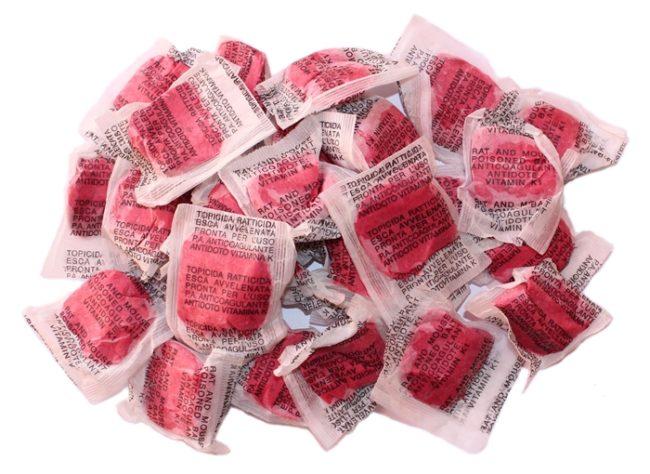
- test baits – “Red”, “Trap”, “Rat Death No. 2”;
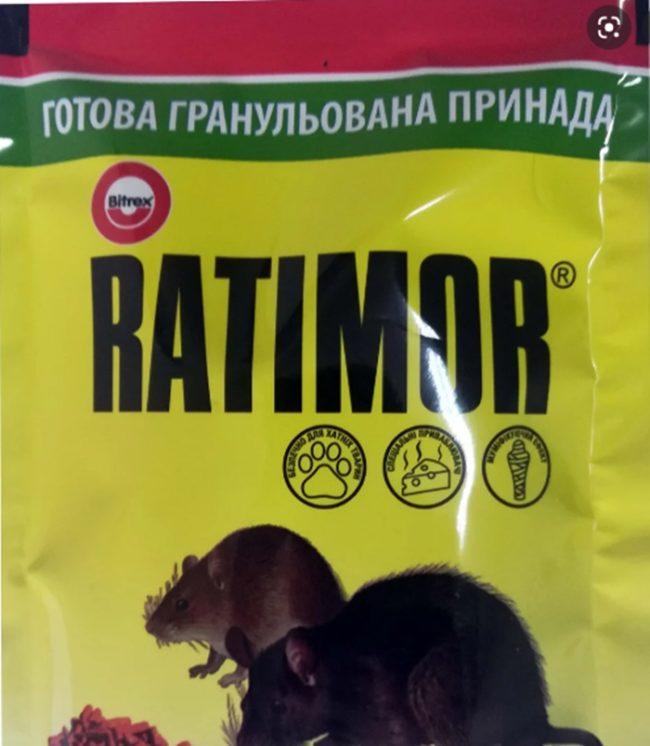
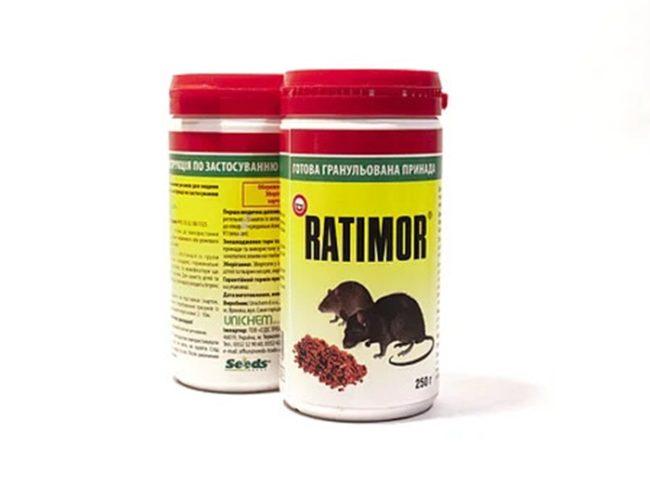
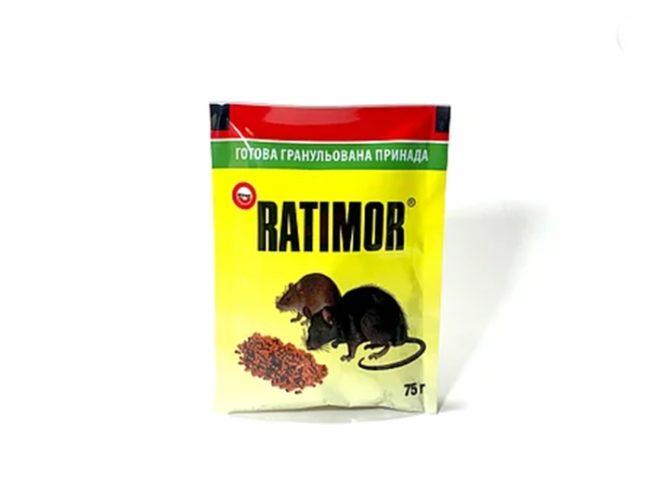
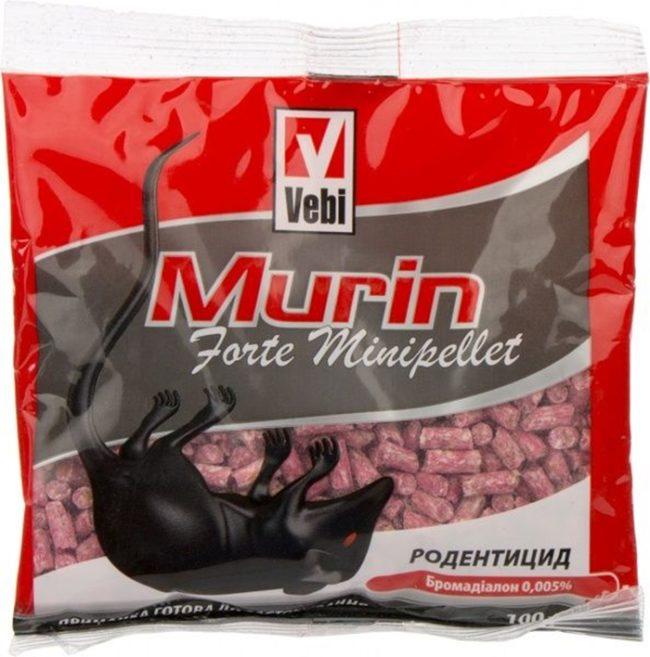
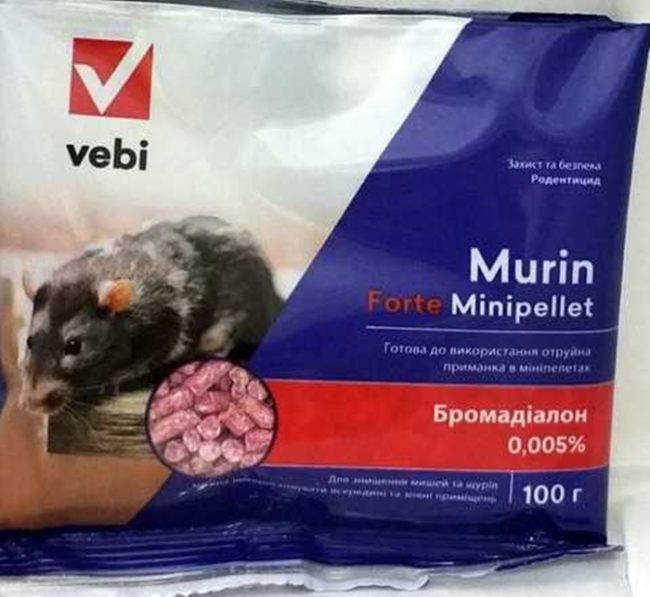
- cereal-based granules – “Rat Death No. 1”, “Ratimor”, “Murin Forte”;
- briquettes - "Kapkan", "Defender", "Bagheera".
Regardless of the form, the baits are brightly colored. This allows for immediate identification and avoids confusion with food products. The most popular options are ready-to-use products that require no preparation or dilution.
How it works and how it penetrates plants
Most rodenticides act on rodents through the intestines, as they act on the animals through the digestive system. New generation products contain anticoagulants.
These are special chemicals that accumulate in the bodies of rodents. As the concentration of these elements increases, they gradually reduce blood clotting and increase vascular permeability.
As a result, animals die due to multiple internal hemorrhages.
The rodents don't experience a sudden deterioration in their health, and therefore don't develop a fear of the bait. They continue to eat it, leading to a buildup of toxic substances in their bodies.
Instructions for use
Rodenticides are effective. To ensure the desired results, it's important to follow the instructions when using them.
Baitless technique
In this case, the poison is placed in areas frequently visited by rodents, such as burrows and tunnels. As a result, the active ingredients come into contact with the skin and are licked off during feeding and grooming.
The following means are most often used for this purpose:
- Rodenticide dusts are made from anticoagulants and powder fillers. These products improve the poison's adhesion to rodents' skin. Talc and silica gel adhere best to fur and skin. Dusts should be sprayed on surfaces where rodents move.
- Rodenticide pastes are made using acute-action agents. The poison is mixed with an adhesive base, such as margarine, petroleum jelly, or grease. These pastes are particularly effective against resistant pest populations.
- Rodenticide foams – these use warfarin and diphacinone in combination with mold-forming agents. These products adhere best, but their effectiveness lasts for a maximum of two weeks. Therefore, they are not suitable for long-term treatments.
Bait technique
In this case, it's necessary to create poisoned baits or use ready-made ones. These can come in the following varieties:
- Powdered – in this case, indirect anticoagulants are used in combination with wheat, oat, and barley flour. Sugar and oat flakes are also added.
- Cereals – in this case, whole or ground cereals or mixtures of them are used.
- Paraffinized baits are a mixture of grains coated in paraffin. Sugar and vegetable oils are also added. These products are especially effective in areas with high humidity.
- Granulated – produced in the form of formed grain mixtures.
- Dough-like baits include flour, sugar, and vegetable oils. These are considered the most attractive to rodents.
- Wet baits are made from a pungent poison combined with bread crumbs or porridge. Minced fish or meat are also added. These mixtures are used if rodents are reluctant to accept dry baits.
- Liquid – in this case, a sugar solution with a concentration of 5-10% is prepared. It can be diluted in water, beer, or milk. A concentrated anticoagulant mixed with vegetable oil is applied on top of the liquid. Water-soluble poisons are also acceptable.
Precautionary measures
All rodenticides are considered poisons, so they must be used with extreme caution, following these rules:
- When handling the product, wear a protective suit and rubber gloves. Protect your eyes with goggles, and your nose and mouth with a respirator.
- You must not drink, eat or smoke while working.
- Treat large areas in groups or pairs.
- People with allergies, pregnant and lactating women are prohibited from contact with rodenticides.
How toxic is it to humans and animals?
Many products pose a danger to people and pets. Therefore, they must be handled with extreme caution. However, some products are low-hazard—for example, anticoagulants are acceptable for use in residential premises, medical facilities, and childcare facilities.
Rodenticides are effective treatments for rodent control. To ensure effective results, they must be used correctly.