
- How to properly preserve compotes for the winter
- Is it necessary to sterilize jars?
- Basic methods and rules of sterilization
- Boiling jars
- Sterilize in the oven
- Steam treatment
- Rapid sterilization in a microwave
- How to properly preserve compote?
- Do you need to turn over jars of compote?
- What problems arise when compotes are not properly canned and stored?
- Why does a jar of compote swell?
- How to roll up compote so that it doesn’t puff up?
- Foam appeared in the jar of compote
- The drink became cloudy
- Cans explode
- Mold has appeared
- What to do with spoiled food
Before the fruit and vegetable season ends, it's time to take full advantage of preserving your produce for the winter. Preparing healthy compotes has long been a tradition for most home cooks. These preserves a wealth of valuable nutrients, which you can enjoy by taking out a jar on a cold evening and enjoying a glass of this delicious beverage. Knowing how to preserve compotes properly can ensure you and your family have a delicious drink all winter long.
How to properly preserve compotes for the winter
Many housewives take up the task of canning compotes at home. To ensure the finished product has a pleasant taste, a beautiful color, and is beneficial for the body without causing any harm, you need to know a few secrets. The first step is to prepare the main ingredients, thoroughly washing and peeling them if necessary.
Next, cook the compote according to the chosen recipe. Before proceeding to one of the most important steps—sterilization—decide on the method and study the procedures. The taste and shelf life of the product depend on the quality of all preparation steps, as well as the subsequent storage of the product.
Is it necessary to sterilize jars?
Sterilization, or pasteurization of jars, is used to disinfect them, eliminating various organisms, including pathogens. Without this step, compote will not have a long shelf life, as microbes remaining on the jar walls will interact, spread, and cause spoilage.
Thorough washing and scalding with boiling water won't reliably rid jars of pathogens. Therefore, it's recommended to heat the jars at high temperatures, as many bacteria can survive up to two hours at 100 degrees Celsius.
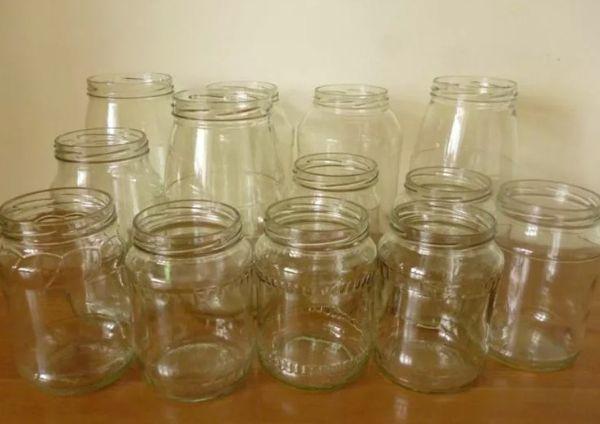
Microbial spores—protective structures that help them survive adverse conditions—can remain viable for even longer. However, when heated, they only awaken and begin to negatively impact the food. To completely eliminate bacteria, sterilization must be carried out with particular care.
Basic methods and rules of sterilization
There are several ways to sterilize containers for preparing compote for the winter.
Boiling jars
Rules for sterilizing containers by boiling:
- Wash the jar with soda and pour boiling water over it.
- Place the bottle upside down over boiling water and keep it there for 10-15 minutes.
- Treat the jar again with boiling water, filling the jar with it and leaving it for 3-5 minutes.
Important! Before sending a jar for sterilization, inspect it for damage, as such containers are not suitable for canning.
Sterilize in the oven
The simplest sterilization method is oven sterilization. For the most accurate sterilization, you'll need an oven equipped with a thermometer.
Take a look Also

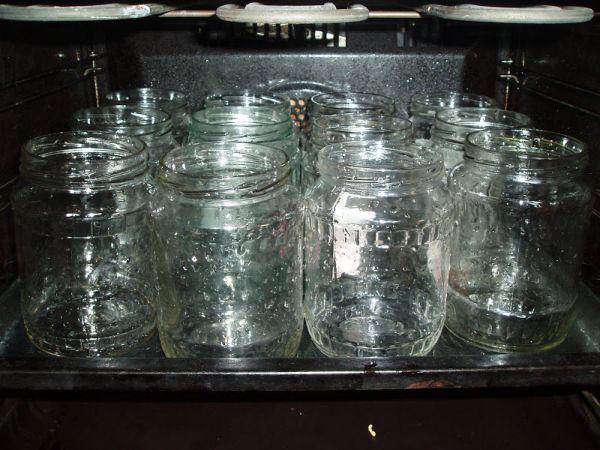
Step by step guide for processing:
- Preheat oven to 100-120 degrees.
- Wash the jars and place them on a rack. Place wet jars upside down, and dry jars down.
- Leave for 20-25 minutes.
Along with the main container, place the lid into the oven, which will later be used to seal the dough.
However, do not use lids with rubber bands as they may burst or melt.
Steam treatment
This is a fairly convenient sterilization method, since you can steam the lids along with the jars.
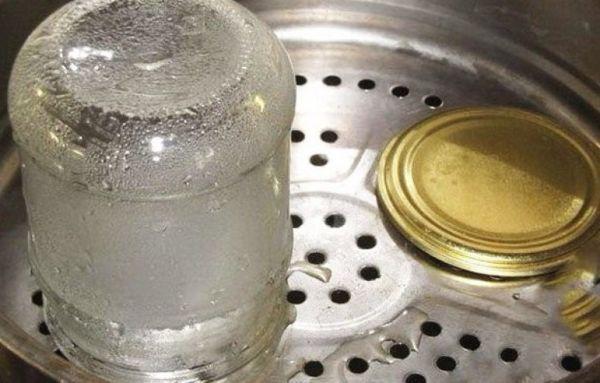
Sequence of actions:
- Take a saucepan of the required size, which depends on the number of jars that will be sterilized.
- Fill the container with water and bring to a boil.
- Rinse the jars and lids, place them in a saucepan and bring to a boil.
- Place a sieve or colander on top and place the jars upside down and leave for 20-25 minutes.
- Sterilize the jars until drops of steam form on them.
- Remove the containers and place them upside down on a clean towel so that the water drains.
By following simple sterilization rules, you can easily destroy all microorganisms that cause food to spoil quickly.
Rapid sterilization in a microwave
New technologies make it possible to speed up and simplify the sterilization of compote jars. The process requires little effort and is carried out in several steps:
- Wash the jars with baking soda or detergent.
- Pour 1 tablespoon of water into each container.
- Place in the microwave. If the jar is too large, turn it on its side.
- Steam containers from 0.5 to 1 liter in microwave mode for no more than 5 minutes at a power of 900-1000 watts. For larger jars, slightly increase the sterilization time, but the results remain the same.
- Carefully remove the jars and place them on a towel.
Important! The water in the container should boil and evaporate. If the liquid is cold, microwave the jar again and check the accuracy of the readings.
How to properly preserve compote?
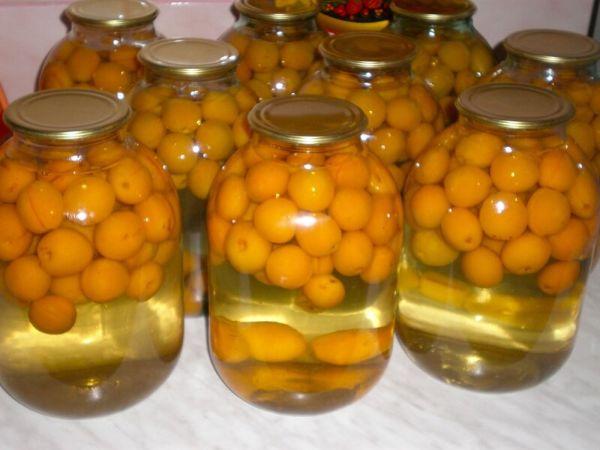
Successfully preserving compote depends not only on the recipe but also on proper equipment preparation. After sterilizing and filling the jar with your favorite drink, it's time to seal it. If the seal isn't tight, the preserves will spoil quickly.

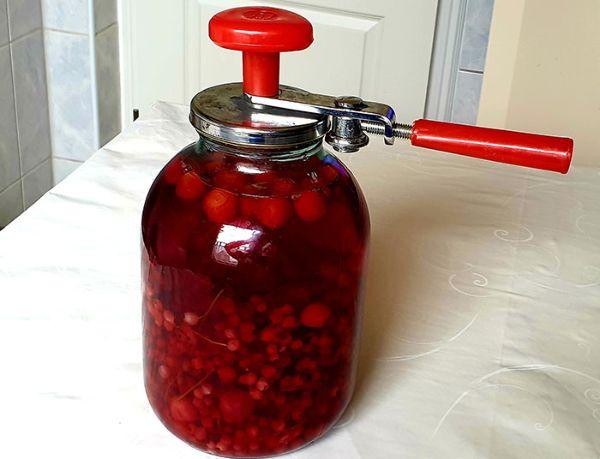
Most often, housewives use a special seaming wrench. You place it on the lid and twist the handle around it several times. The downside of this method is that it's difficult to determine when the jars are properly sealed.
You cannot twist the jar, as the lid may be cut through, and the quality of the product will leave much to be desired.
The most reliable option is a hand-held canning machine. This device is bulky and awkward to use, but it will produce high-quality preserves. Its advantage is the additional second handle and a roller for pressing.
When selecting a key, pay attention to the following details:
- The quality of the device. It should fit comfortably in your hand, the handles should turn smoothly, and not wobble.
- The mushroom-shaped handles with threaded fastening indicate the durability of the device.
- Stainless steel is the best material for the key. This material will increase the life of the device and allow for hermetically sealed containers.
- Avoid using rusty equipment, otherwise the rust will get into the product and cause the compote to spoil quickly.
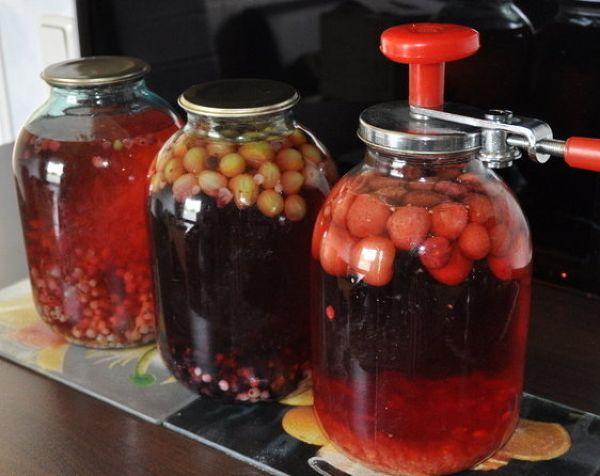
Each device has its own pros and cons, so it's best to choose based on your own preferences and convenience.
Do you need to turn over jars of compote?
When turning the jar upside down, check to see if it's sealed properly. If it's not sealed properly, the compote will leak. It's also easy to notice that if the lid isn't tightly sealed, it will bulge, letting in some air.
This option isn't suitable for simple plastic lids. Such preserves should be refrigerated and consumed promptly.
What problems arise when compotes are not properly canned and stored?
Even experienced home cooks often encounter problems when canning and storing compote, as even the slightest error can occur. Common situations that arise when preserving compote include the following.
Why does a jar of compote swell?
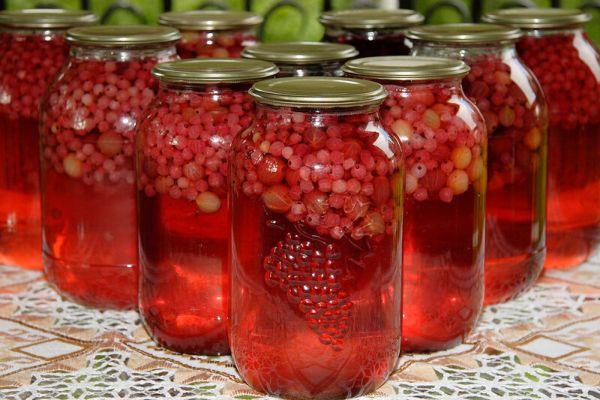
A swollen jar of compote indicates that the contents have spoiled. It's likely that not all microorganisms were destroyed during sterilization. Their activity is accompanied by the release of carbon dioxide, which accumulates on the surface and causes the lid to bulge.
How to roll up compote so that it doesn’t puff up?
To prevent such situations from happening in the future, you should:
- do not use rotten fruits;
- sterilize jars conscientiously;
- thoroughly wash jars from previous canning, especially the necks;
- add enough sugar to prevent the berries from fermenting.
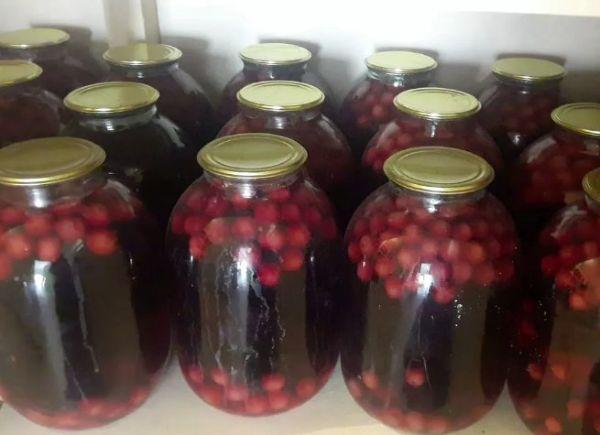
It is also recommended to sterilize the compote after rolling it up; for a liter container, 30 minutes is enough, for larger volumes - at least 1 hour.
Foam appeared in the jar of compote
Compote may foam due to:
- short-term sterilization;
- poor washing of fruits;
- presence of defects on the lid.

Important! Check the seal quality immediately after sealing by turning the jars over.
The drink became cloudy
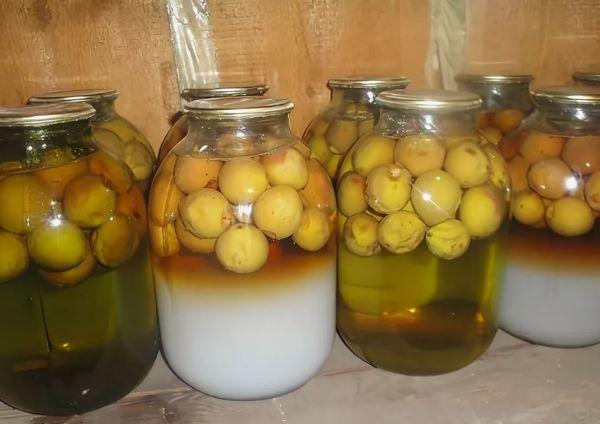
Any compote that has become cloudy or fermented should be discarded. Product spoilage occurs due to a leaky jar seal or inadequate sterilization.
Cans explode
Jars explode due to loose closures or improper sterilization. Bacteria trapped in the closures release carbon dioxide, which accumulates on the surface. The fermentation reaction and the release of large amounts of gas cause the contents to become cloudy, and over time, the container explodes.
The explosion is accompanied by the lid being blown off and a loud bang. This product is strictly not recommended for consumption.
Mold has appeared
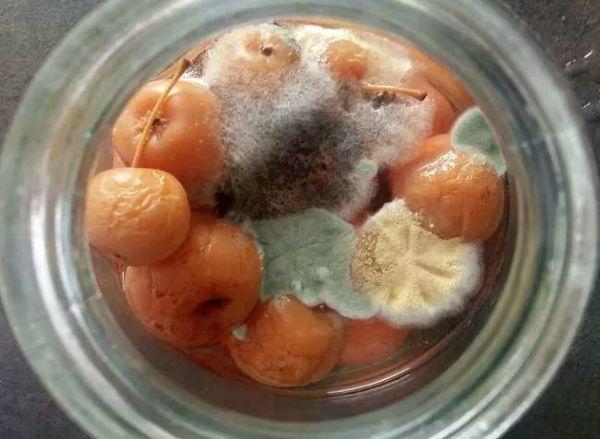
Mold is a common problem when preparing compote for the winter. It appears as small, gray or yellow growths on the surface. There are several causes, including the following:
- poor sterilization of containers;
- defective lids or rubber gaskets;
- poorly washed jars from previous preparations;
- loosely sealed blanks;
- use of containers with defects and chips on the neck;
- failure to comply with hygiene rules during the procedure of preparing containers and products for canning;
- slow process execution, cooling of the compote before closing.
If the product becomes moldy, it must be disposed of.
What to do with spoiled food
There are many simple recipes for making homemade wine from spoiled, fermented compote. A second life for home-canned wine is only worthwhile if the compote is in the early stages of spoilage or has simply been sitting in the pantry for a long time. If mold is visible on the surface, then wine cannot be made from such a product. But you can make natural fruit vinegar.
Homemade compote made from natural ingredients is a great alternative to many store-bought drinks. Just know a few culinary tricks and follow the recipe, and you'll have an incredibly healthy winter supply.
Related posts:
 14 Best Recipes for Making Whole Apple Compote for the Winter
 How to make apricot compote for the winter, recipes with and without pits, for a 3-liter jar
 Simple recipes for plum compote for the winter for a 1-3 liter jar with and without pits
 Simple recipes for making grape compote for the winter in 1-3 liter jars
 Simple recipes for making compote from whole and sliced pears for the winter in a 3-liter jar
 Recipes for zucchini compote with pineapple and orange flavors for the winter
 12 Best Recipes for Apple and Orange Compote for the Winter
 14 step-by-step recipes and instructions for making pumpkin compote for the winter