The Pearl of Siberia tomato is a synthetically bred variety that produces a good harvest even in adverse weather conditions. This cold-hardy variety is especially popular in northern regions where summers are short and not particularly warm.
Features of the variety
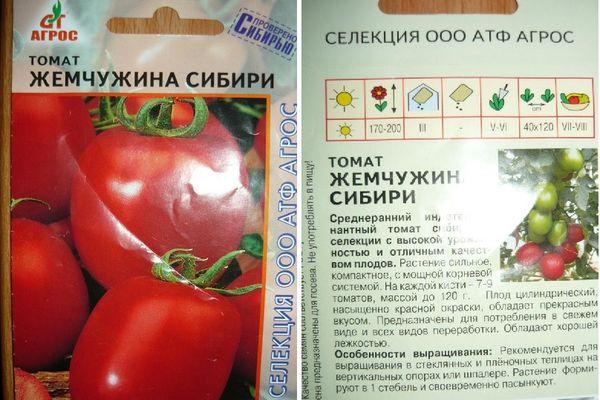
Tomato yields don't depend on cultivation methods. They can be planted both in greenhouses and open ground. Siberian Pearl tomatoes are mid-season, with a ripening period of 115 days. However, some farmers manage to shorten this period and harvest the first fruits several weeks earlier. Siberian Pearl was bred by plant breeders, but is not a hybrid. Therefore, seeds from previously grown tomatoes can be used to sow seedlings.
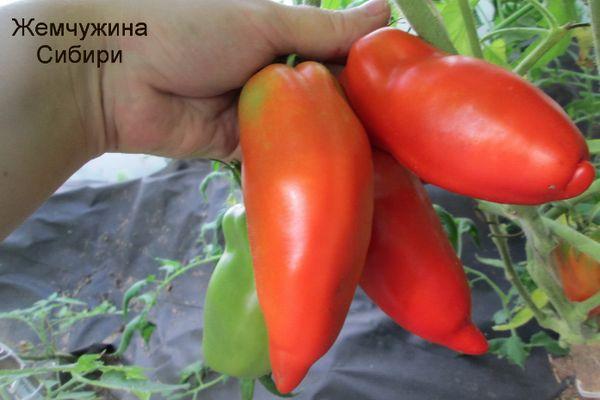
Characteristics and description of the variety:
- stem height 1.5-2 m;
- powerful root system;
- tomato is resistant to most diseases and pests;
- average yield is 3 kg of tomatoes from each plant;
- fruits are elongated, deep red in color;
- 1 bunch contains 7-10 fruits;
- The leaves are light green, medium sized.
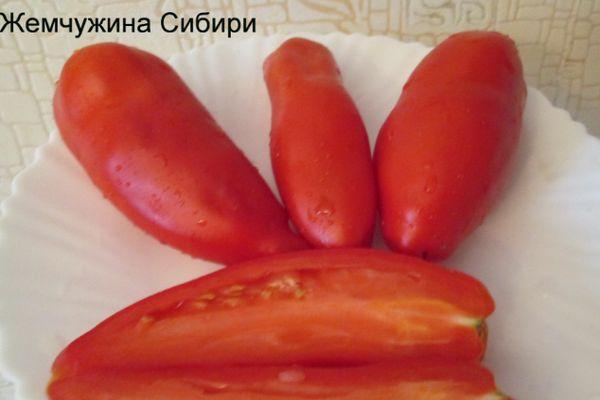
The plant is very robust, despite the height of the stem and the number of fruits, and typically requires no additional support. The few leaves allow for easy inspection of the ovaries and fruits, as well as harvesting without the risk of damaging the branches. The fruits weigh 100-150 g, and the tomatoes are juicy, fleshy, and have numerous seeds.
The skin is thin but firm, preventing cracking, transporting easily, and storing well. They are used in salads, sauces, tomato juice, and canning.
The Siberian Pearl tomato is successfully grown in all regions of Russia, except for areas with extreme temperatures. Furthermore, the variety is popular in other countries as well.
Care instructions
Thanks to its low maintenance and high yield even in cold climates, Pearl of Siberia receives only positive reviews from farmers. And with a little effort, you can not only increase the yield to 4 kg per plant but also shorten the ripening period.
Take a look Also

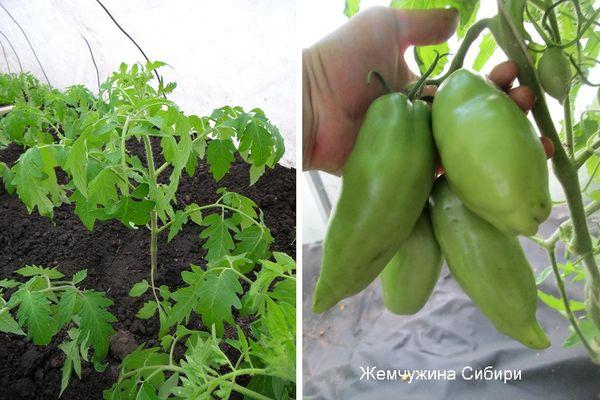
Growing tips
Don't sow tomatoes directly into the soil; seedlings will yield a better harvest. Prepare the seedlings in early March. Place the seeds 1.5 cm deep in mixed soil and cover with plastic wrap until germination. The optimal room temperature is 21°C.
When the sprouts emerge, they are transplanted into individual peat pots. To ensure strong seedlings, good lighting is essential. An artificial light source may be necessary. Water with warm water (19–21°C) and transplant after leaf formation. Harden off the plants two weeks before planting.

When transplanting tomatoes into the soil or a greenhouse, you need to leave 0.5 m between the stems, and the gap between rows is 0.7 m. Watering is done as needed, the water should be warm. Make sure the water penetrates deep into the soil and nourishes all the tomato roots. It's best to water in the morning, so the plant doesn't sit in wet soil overnight when the soil temperature drops.
Regular soil loosening is essential to ensure stable air exchange: this should be done every 3-4 days, after watering. Mulching is rarely used, but when necessary, black plastic is used, which has a positive effect on yield.

The frequency of fertilizing depends on the soil quality. If the soil is good, fertilize only four times per season. Any mineral fertilizer complex can be used. If the soil is depleted, apply fertilizer much more frequently. A deficiency will inhibit tomato growth.
Related posts:
 Description of the balcony tomato Yellow Pearl and cultivation guidelines
 Description of the early tomato Pink Pearl and growing instructions
 Characteristics of the Red Pearl tomato and cultivation techniques
 Description of the Garden Pearl tomato and cultivation techniques for the variety
 A review of the best tomato seed varieties for open ground in the Rostov region
 Description of blight-resistant tomato varieties for open ground and greenhouses
 Description of the best Dutch tomato varieties for greenhouses and open ground
 Description of rare collectible tomato varieties from Valentina Redko, new for 2025