
Conifers are considered to be quite low-maintenance. They don't require much moisture, heat, or light. However, timely fertilization ensures rapid growth. However, gardeners must consider the plant's characteristics and its sensitivity to chemical fertilizers and organic matter. Therefore, many people wonder how to feed conifers in the fall.
When should work be carried out?
Autumn fertilization should begin in September, when plants are gradually preparing for winter. At this time, conifers do not require nitrogen fertilizers. At this stage, it is recommended to apply autumn fertilizers specifically designed for conifers.
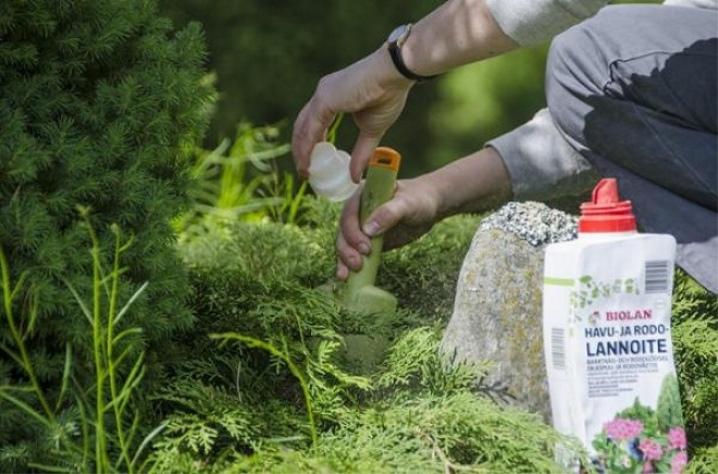
Conifers should be fed until October, following the manufacturer's recommendations. The fertilizer should be evenly distributed around the trunk, mixed with the substrate, and watered generously. For pyramidal plants, apply the fertilizer to an area twice the diameter of the crown.
What kind of fertilizer do conifers need for winter?
To feed coniferous plants for the winter, it is permissible to use a variety of fertilizers - organic and mineral.
Biohumus
Vermicompost is a fertilizer that is easy to use and highly effective. It strengthens the immune system of coniferous plants. Vermicompost contains many microelements and vitamins.
Organic
Organic fertilizers can be applied in the fall, but they should be applied sparingly. Otherwise, there's a risk of plant burns and unwanted foliage growth.
Compost can be used as an organic fertilizer. It's made from plant residues. It's easily digestible by crops because it mimics natural forest soil. To apply the fertilizer, first loosen the top layer of soil, then sprinkle it with compost and carefully incorporate it.
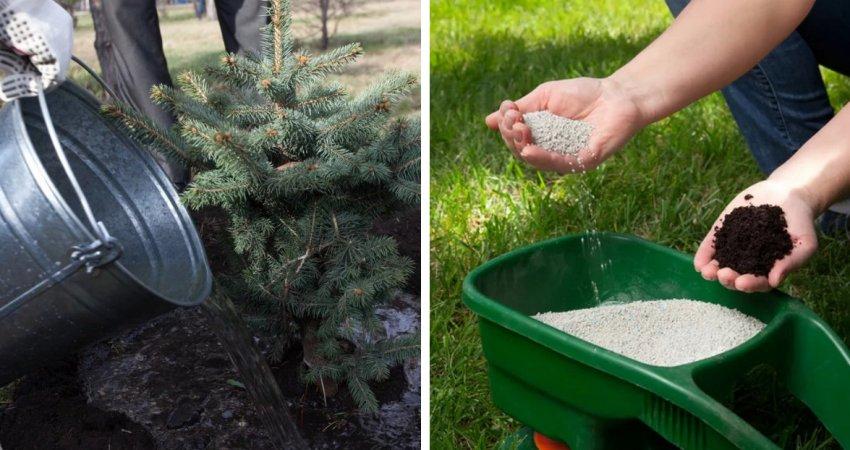
If compost is unavailable, other organic materials can be used. Coffee grounds and herbal infusions are excellent options.
Mineral fertilizers
You can fertilize the soil with effective mineral complexes. However, it's important to choose the right composition. The product should contain a minimum of nitrogen, but plenty of magnesium and other micronutrients.
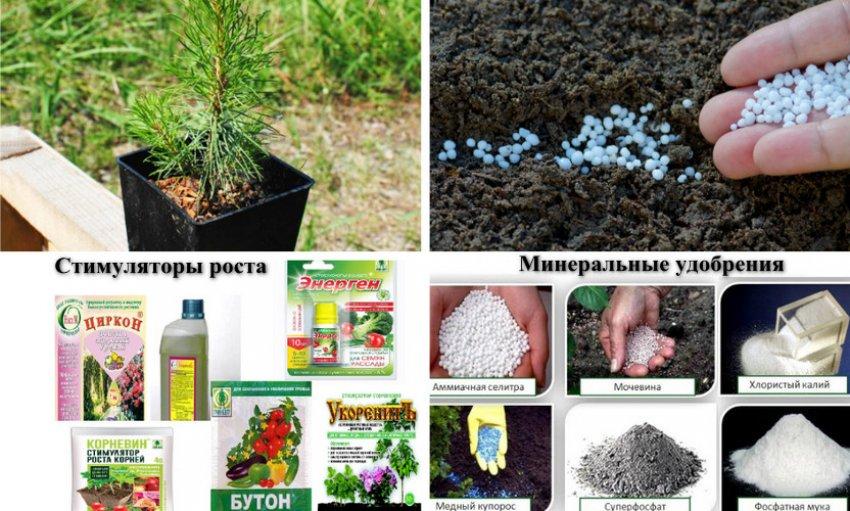
It's important to remember that conifers don't require much nitrogen in either spring or fall. This nutrient stimulates vigorous shoot growth, which is counterproductive for slow-growing conifers. Rapid branch growth prevents them from strengthening and maturing by winter, leading to inevitable plant death. It's important to remember that mineral fertilizers should be applied in dissolved form to allow the root system to better absorb the nutrients.
Nuances of fertilization for individual species
To choose the right fertilizer, it's important to consider the plant species. While conifer care is similar, there are some differences.
For spruce
This crop definitely needs to be prepared for winter. To do this, the area around the tree trunk should be covered with a mulch layer consisting of peat. Non-woven material can also be used for insulation.
Mature plants don't need to be fed unless they show visual signs of starvation. Many spruce trees barely grow until they're six years old, so they require minimal nutrients. For these plants, it's recommended to use special growth stimulants and combinations. These should be used no more than once or twice a year.
After seven years, spruce trees are recommended to be fed. This should be done when the tree begins to grow by 50 centimeters per year. If the site is growing a true forest spruce, not an ornamental dwarf variety, overfeeding is not recommended, as this will ruin the entire landscape design. Gardeners note that with limited nutrition, such trees grow for a maximum of three years. After that, a beautiful, fluffy crown begins to form.
For pine
Before the first frost, the roots of newly planted trees should be covered with an 8-9 cm layer of peat. This also acts as mulch, protecting against frost and preventing moisture loss. In some areas, young pine trees are covered with spruce branches to prevent frost damage to the crown. This material also protects the trees from sunburn in the spring.
It's believed that a mature tree requires no additional feeding. In the forest, leaf mold serves this function, while in garden plots, well-rotted compost is used. When incorporating compost into the soil around the tree's trunk, it's important to keep in mind that the pine tree's root system is located quite close to the surface. Therefore, it can be easily damaged.
Mineral fertilizers for pine trees are applied once a year, just like organic fertilizers. They are typically applied at different times. If compost was used in the fall, mineral fertilizers are applied in the spring, or vice versa.
The best means
Today, there are quite a lot of effective products that can be used to feed coniferous crops.
Bona Forte
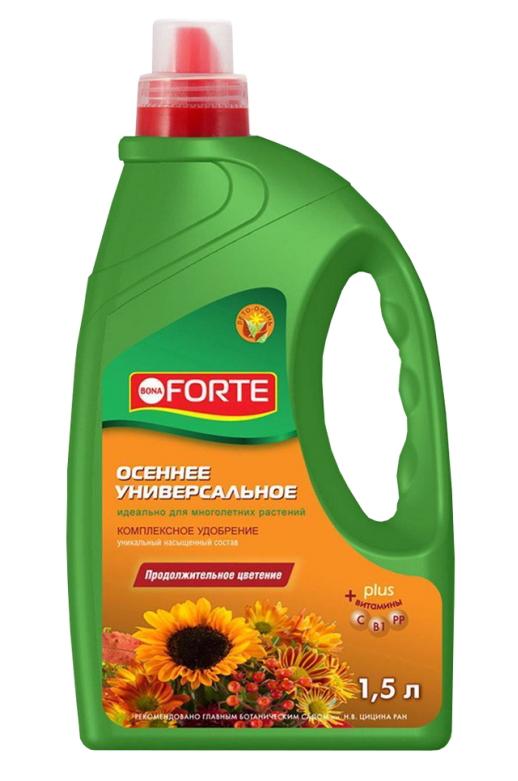
This fertilizer is considered very economical. One 5-kilogram package is enough for 200 coniferous trees. In addition to essential macronutrients, it contains silicon and other substances. It helps prevent damage to needles and promotes root strengthening. It is chlorine-free.
Florovit
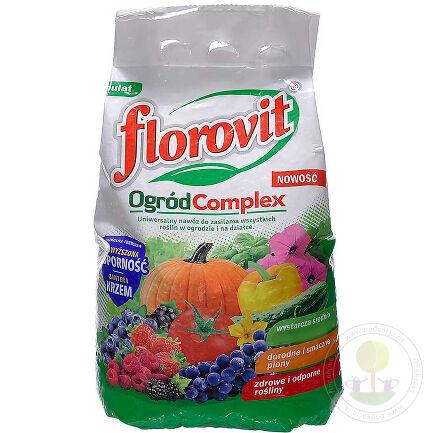
This fertilizer is specially formulated for conifers. It contains minimal nitrogen and high levels of potassium, magnesium, and phosphorus. Applying it in the fall not only nourishes plants but also strengthens their immune system. This allows conifers to survive even the harshest winters.
Osmocote
A distinctive feature of the product is its prolonged effect. When the soil temperature drops below 5 degrees Celsius, the granules stop dissolving. They continue to work well into the spring. Therefore, using the product eliminates the need for spring fertilization.
Conifers require proper fertilization in the fall. These crops can be fed with organic and mineral fertilizers. It's important to follow the instructions carefully.