
- What is included in the composition and existing forms of release
- Operating principle and purpose
- Pros and cons
- Terms of Use
- For indoor plants
- In the flower garden
- For rooting cuttings
- For seedlings
- In the garden and vegetable garden
- Safety precautions
- Is compatibility possible?
- How and how long can it be stored?
- What to replace it with
Pesticides, various fertilizers, and biostimulants simplify plant care and contribute to increased yields. When used according to the instructions, Kornevin also strengthens the plant's immune system and stimulates root formation. The product's advantages include its economical use and the ability to be used in both liquid and dry forms.
What is included in the composition and existing forms of release
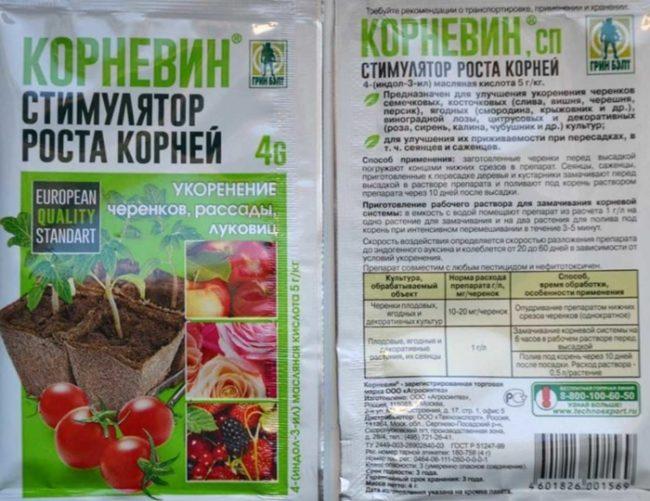
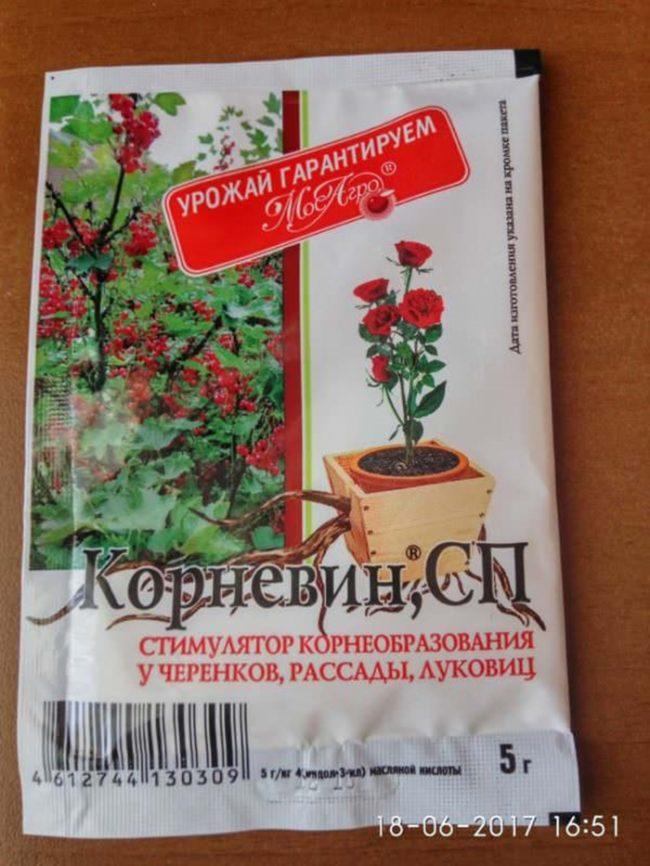
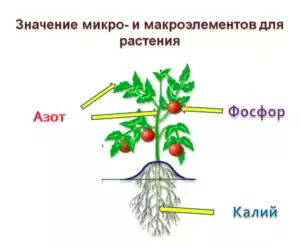
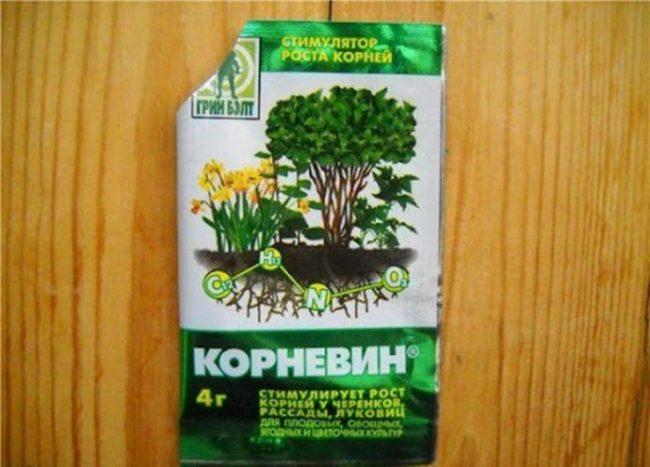
"Kornevin" is a biostimulant. Its main active ingredient is indolebutyric acid, which stimulates root formation. When using this product, please note that it is not a fertilizer. This root growth stimulator does not replace plant nutrition (mineral, organic, or bacterial).
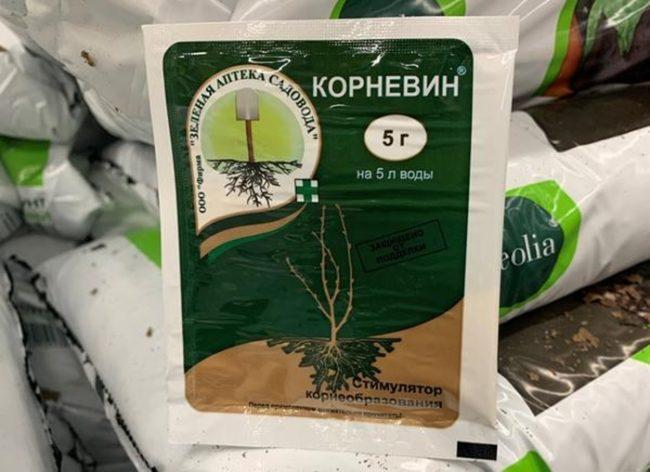
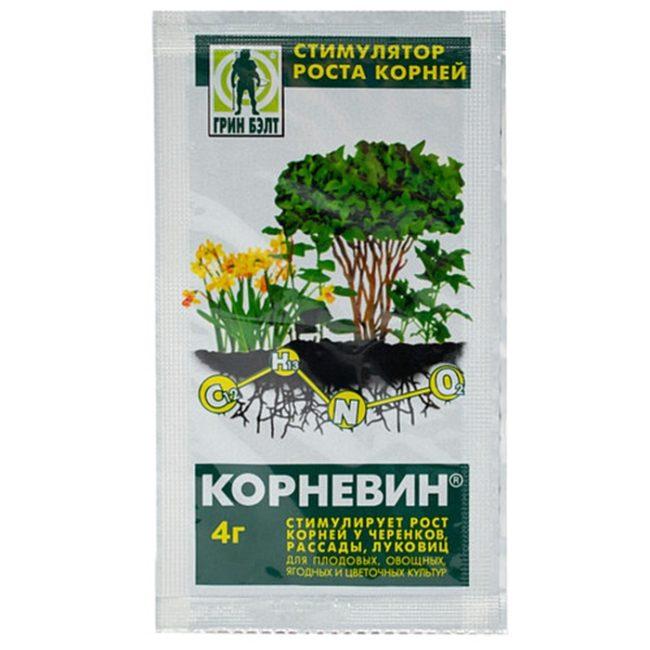
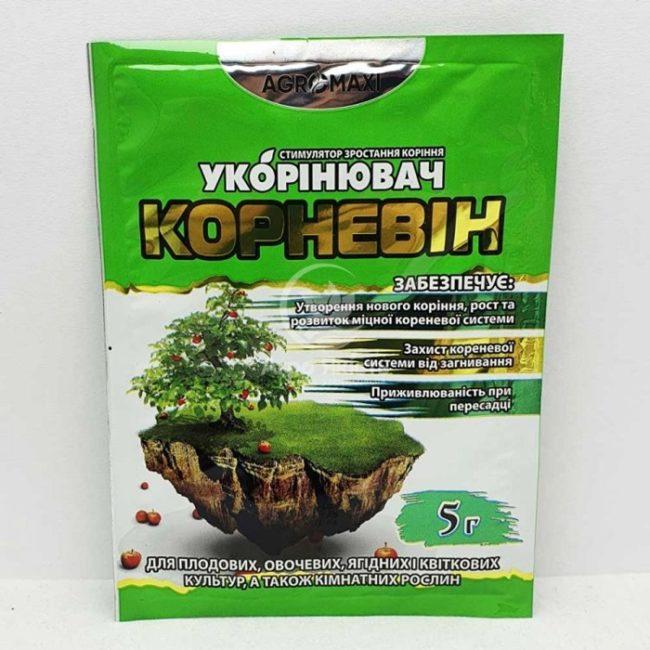
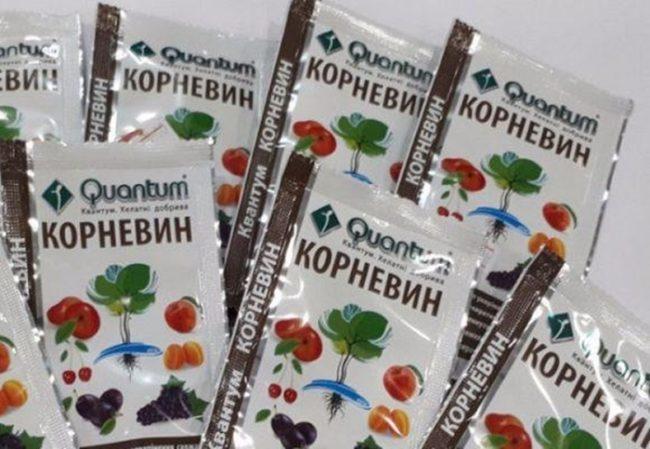
The product is sold in powder form. Standard packaging for home use includes polyethylene bags weighing 5 g, 10 g, or 250 g. For large-scale plant care, it is advisable to purchase a 25 kg package.
Operating principle and purpose
Root formation is influenced by many factors (soil composition, humidity, temperature). The active ingredient in Kornevin initiates cell division and the formation of cell mass. The product is used both in dry form and as a solution.
The freshly prepared solution is used to water the plants and seedlings. Treatment with the working solution improves seedling survival, which promotes early harvest.
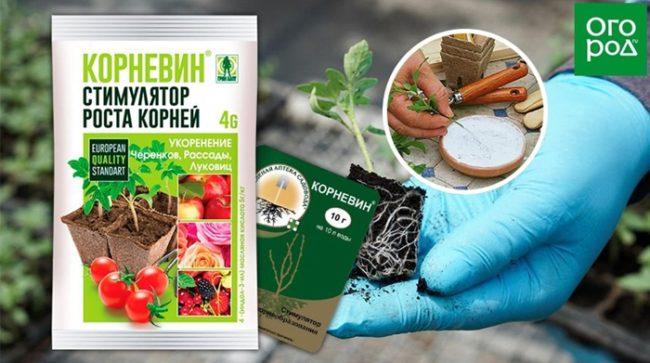
The dried preparation is used for propagating plants by cuttings and transplanting seedlings. The powder is carefully dusted onto the rhizomes of seedlings and cuttings before planting.
Pros and cons
Like any medication, Kornevin has its positive and negative qualities. Its advantages:
- increases plant resistance to adverse factors (temperature changes, heavy rains, drought);
- stimulates flowering of plant crops;
- improves germination of seed material;
- increases plant immunity.
Take a look Also
The drug's deficiency manifests itself in case of an overdose: plant growth slows down, roots rot and die.
Terms of Use
When preparing a working solution or using powder, it is important to follow the manufacturer's instructions and adhere to consumption rates.
For indoor plants
When caring for plants at home, both powder and working solution are effectively used:
- The powder is suitable for dusting roots when replanting plants. The preparation also serves as a preventative against fungal diseases;
- When propagating plants from cuttings or leaves, dilute the powder with water and place the plant parts in a container with the solution. As soon as small roots grow, the young plants are transplanted into pots and subsequently watered with a Kornevin solution.
You can also add dry powder along with fertilizers to the soil mixture when growing any indoor plants.
In the flower garden
For lush flowering, it is effective to use the powder when caring for plants in flower beds and gardens.
| Processing object | Consumption rate, g/liter | Features of application |
| Rhizomes, bulbs, tubers | 5/5 | plant elements are kept in the solution for 15-18 hours |
| Rose cuttings | The cuttings are soaked in the working solution and kept for 10-12 hours before planting. | |
| Ornamental grasses, flower seedlings | plants are watered at the roots (30-40 ml of solution) |
For rooting cuttings
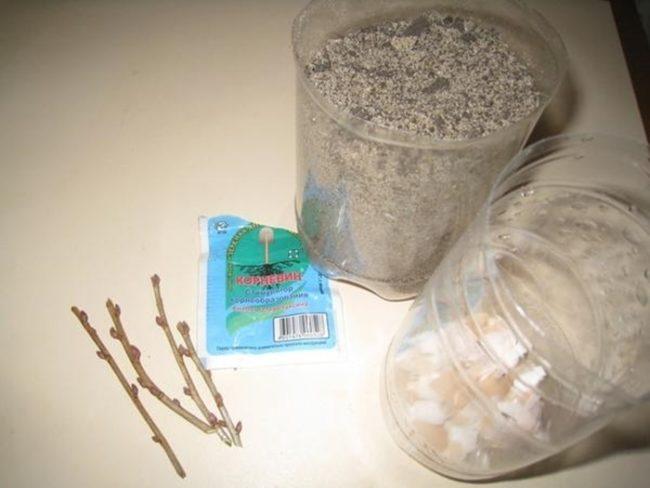
When planting seedlings and cuttings, it's best to use Kornevin in a dry state. To properly propagate trees in the garden, follow these steps:
- the root system of the seedling is carefully cleared of any remaining soil;
- the roots are dusted with a thin layer of powder or immersed in a container with a dry preparation;
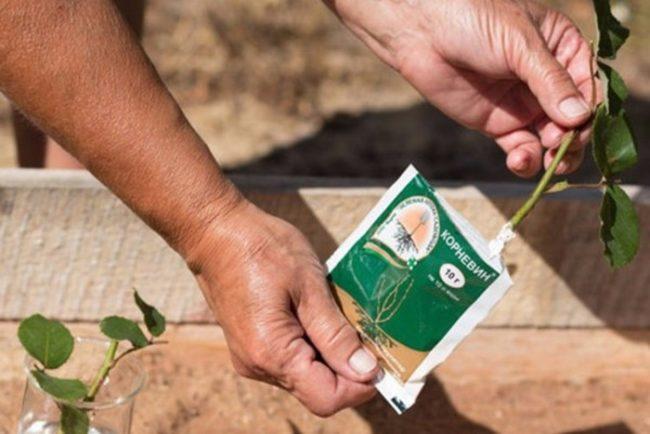
- When planting a cutting, dust the fresh cut with powder and place the plant in a container with wet sand.
To water cuttings after planting, use an aqueous solution of the preparation (2-2.5 liters per unit). Young bushes are watered with a solution at a rate of 0.35 liters per unit.
For seedlings
Treating seed with a biostimulant accelerates seed germination. To do this, use a working solution of the powder (dilute one teaspoon of the product in a liter of water).
When using a biostimulant, it's important to consider the type of seed. It's not recommended to soak seeds with thick skins in the solution, as they risk molding. Powdery seeds can also rot. Therefore, it's recommended to water the seeded areas with an aqueous solution (5 g of powder diluted in 5 liters of water).
To stimulate rooting of planted seedlings, the beds are watered with a working solution. Recommended application rate: 50-60 ml per plant for vegetables, 30-40 ml for flowers.
In the garden and vegetable garden
A popular method for caring for roses and seedlings is to soak the cuttings in a solution for 5-6 hours before planting. The seedlings are then transplanted into a greenhouse or hotbed for further growth. The same procedure is used when growing ornamental or berry bushes.
For vegetable gardening, it's recommended to use a working solution for watering. The recommended dosage is 5 grams of powder dissolved in 5 liters of water. Young plants are watered for the first time immediately after planting. Repeat watering is recommended after 2-3 weeks.
Safety precautions
The product is classified as a Class 3 hazard for humans and insects. However, it's important to remember that you'll be working with a powder that can irritate the respiratory system and mucous membranes. Therefore, safety precautions must be observed:
- When diluting the powder, use special containers and personal protective equipment (respirator, safety glasses, rubber gloves and shoes, special clothing);
- During work it is prohibited to drink, smoke, or eat;
- During the preparation of the working solution, personal protective equipment must not be removed.
If the solution gets on an exposed area of the body, wash the damaged area of skin with running water.
Is compatibility possible?
It is recommended to combine Kornevin powder with various fungicides (mixed in a 10:1 ratio). This technique simultaneously stimulates root formation and kills pathogens.
How and how long can it be stored?
Store the powder in a dry, well-ventilated area. The shelf life of the product in unopened original packaging is 3 years from the date of manufacture. It is recommended to pour unused powder into a hermetically sealed plastic or glass container and label it. The working solution should not be stored.
What to replace it with
Kornevin analogues can be used to stimulate root formation. Popular options include Heteroauxin, Kornerost, and Charkor. Root development can also be enhanced with products containing natural bioregulators, such as Zircon, Epin, and Ribav.
Kornevin is effective for growing any crop. However, it's important to remember that to increase yields, it's important to adhere to the specific growing practices of different crops (watering, temperature, and fertilization).