
Mulching is the process of covering the soil surface with special materials that protect it from drying out and overheating. It also helps improve the soil's physical and agronomic properties. A wide variety of materials can be used for this procedure. Making your own mulch is considered a promising approach. It can be made from a variety of materials, including wood chips, sawdust, and pine needles.
Why do you need to mulch?
Mulching is an agricultural technique that involves covering the soil with a layer of organic or inorganic material. This procedure can be performed in greenhouses or open ground.
Mulching can help solve the following problems:
- maintain soil moisture;
- prevent hypothermia of cultivated plants;
- protect the roots from overheating;
- prevent the leaching of useful elements from the soil;
- protect fertile soil layers from erosive processes;
- improve the appearance of the site.
Making mulch yourself
You can make mulch yourself. A variety of materials can be used, each with its own advantages.
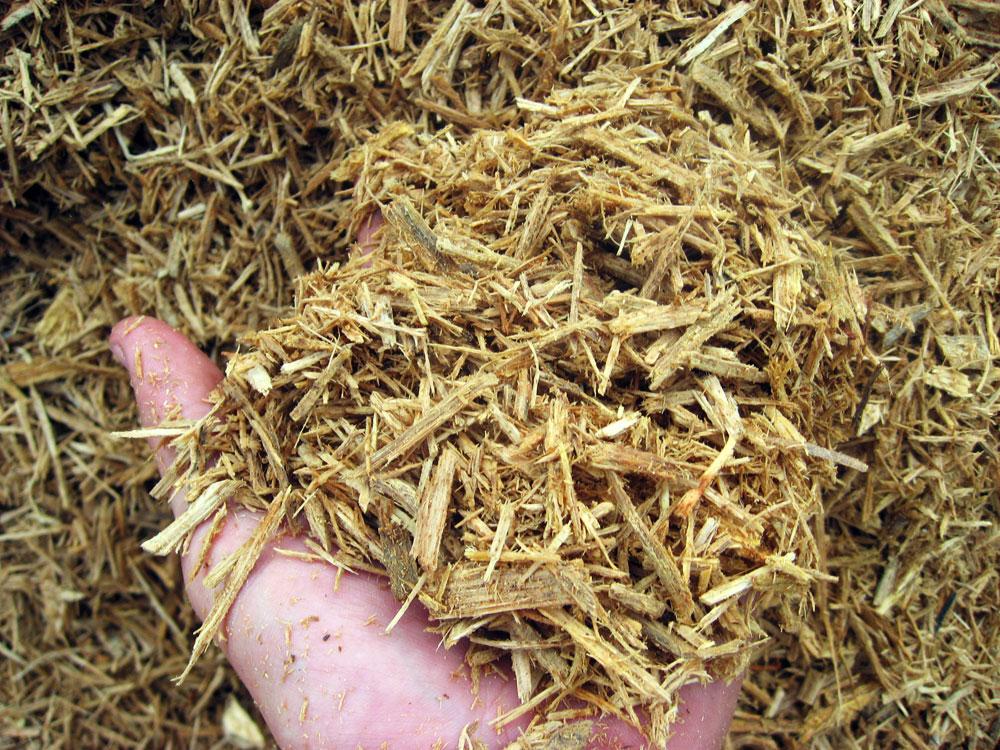
Sawdust
Sawdust left over from processing wood from various tree species, with the exception of conifers, can be used as mulch. It's best not to use fresh sawdust for this purpose, as it absorbs nitrogen from the soil as it decomposes. It's best to use partially decomposed material or apply increased amounts of nitrogen-based substances.
Paper and cardboard
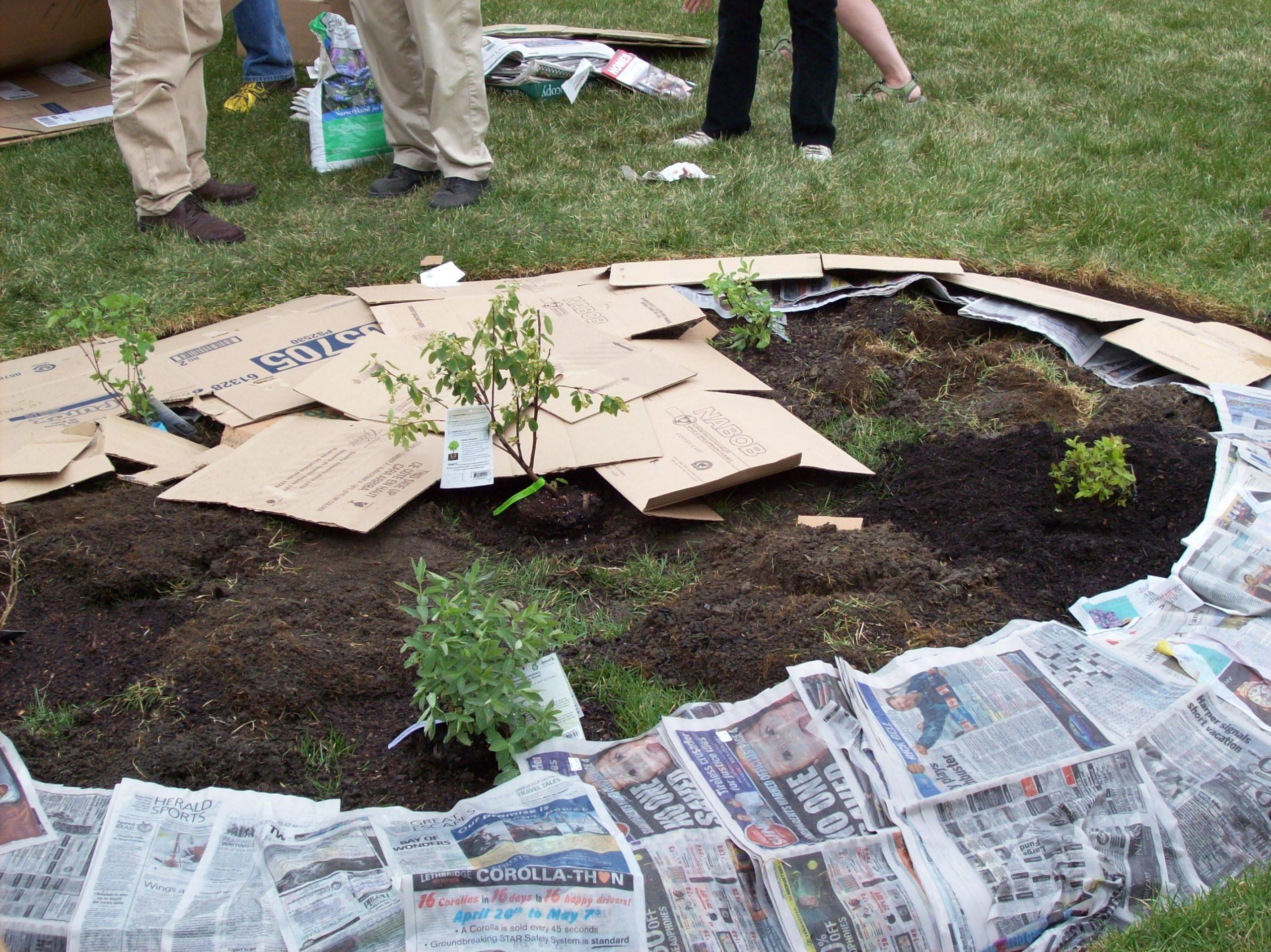
Small pieces of paper or cardboard make excellent mulch. To do this, wet them and lay them in a thin layer on the soil surface. To prevent them from blowing away, cover them with sand or compost.
Using dark wrapping paper creates a soil-warming material. In the spring, the soil will warm up much faster under this covering. This will allow you to plant seeds or seedlings earlier.
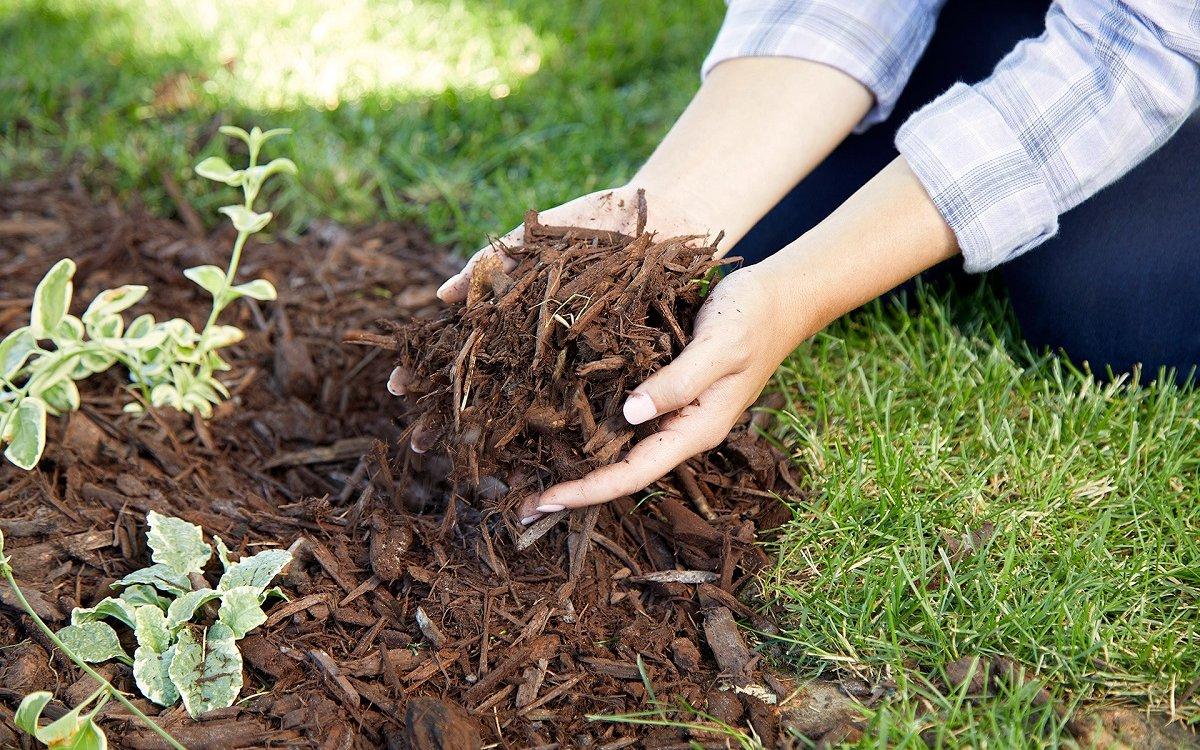
Wood chips
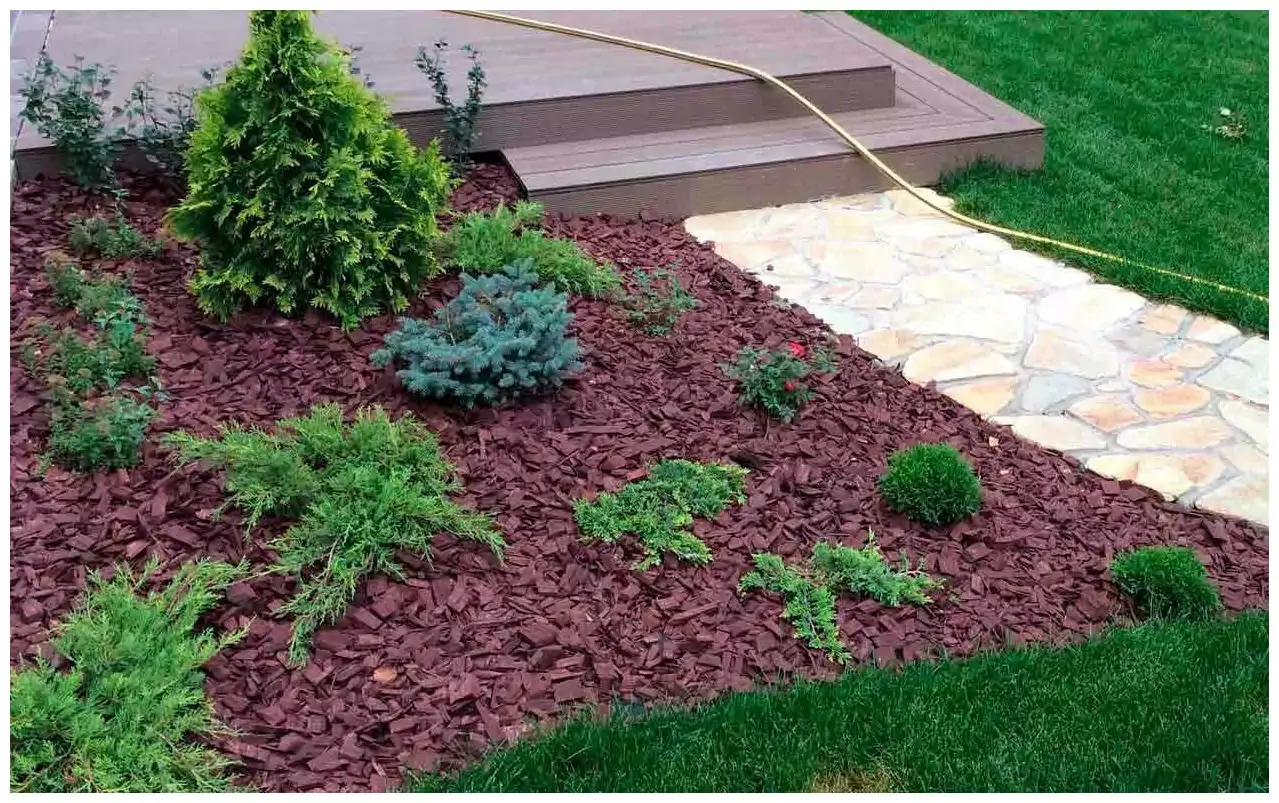
Small wood chips can be used as a covering or decorative material. They can be sprinkled around the trunks of trees and shrubs, especially conifers. Wood chips are also ideal for lining the ground around flower beds and paths.
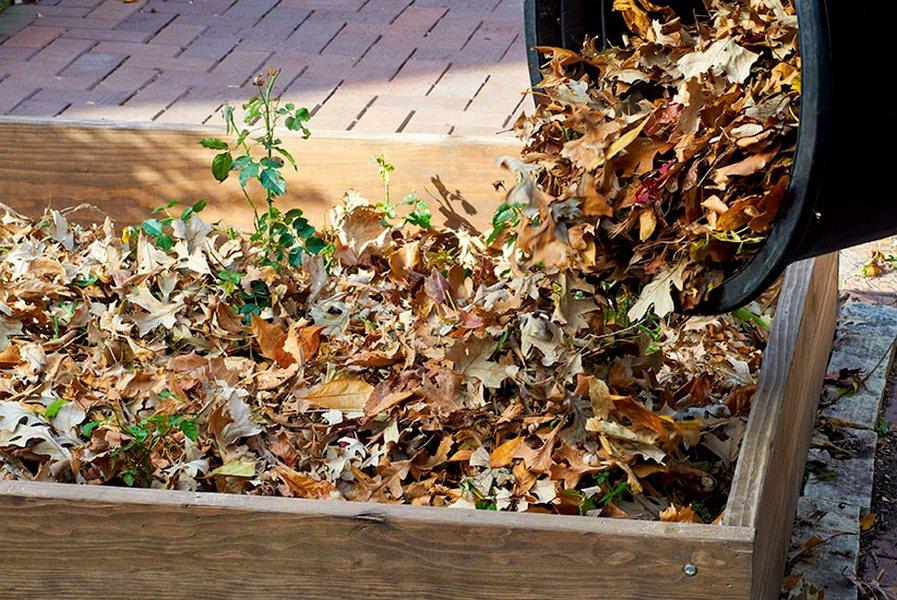
Fallen leaves
Dry leaves are perfectly acceptable for use as mulch. The only requirement is that they come from healthy trees that are free of infections and pests. If these signs are present, it's best to burn the fallen leaves.
When using leaves as mulch, they should be laid on the beds in a 10-centimeter layer. At first, it's important to ensure that the wind doesn't blow them away. When laying down leaves for the winter in the spring, it's recommended to remove them and replace them with fresh material. Similar steps are performed in the fall.
Weeds
After weeding, weeds and garden tops can be dried and used as mulch. It's recommended to use young plants that don't have mature seeds.
Peat
Lowland peat is ideal for mulching garden beds. The material is ideal for covering beds before winter. It can also be used in spring. Peat acts as an effective fertilizer, loosening the soil and making it softer. This type of mulch also improves the permeability of the soil to air and moisture. Fresh, damp peat or older, dry peat can be used for this purpose.
From pine needles
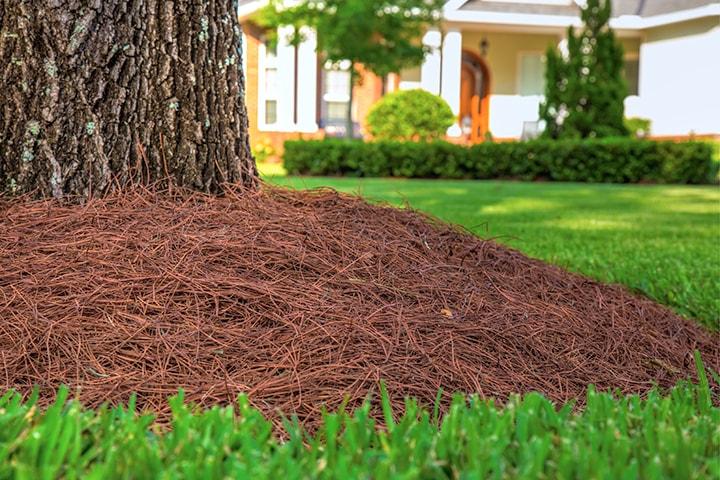
Fallen pine needles make excellent mulch. They are quite loose and do not rot for a long time. This material has an important advantage: it contains phytoncides. This prevents the growth of pathogens and pests, and also stops the spread of slugs. Pine needles can be spread over garden beds in spring or fall. However, they need to be replaced annually. The mulch layer should be about 5 centimeters thick.
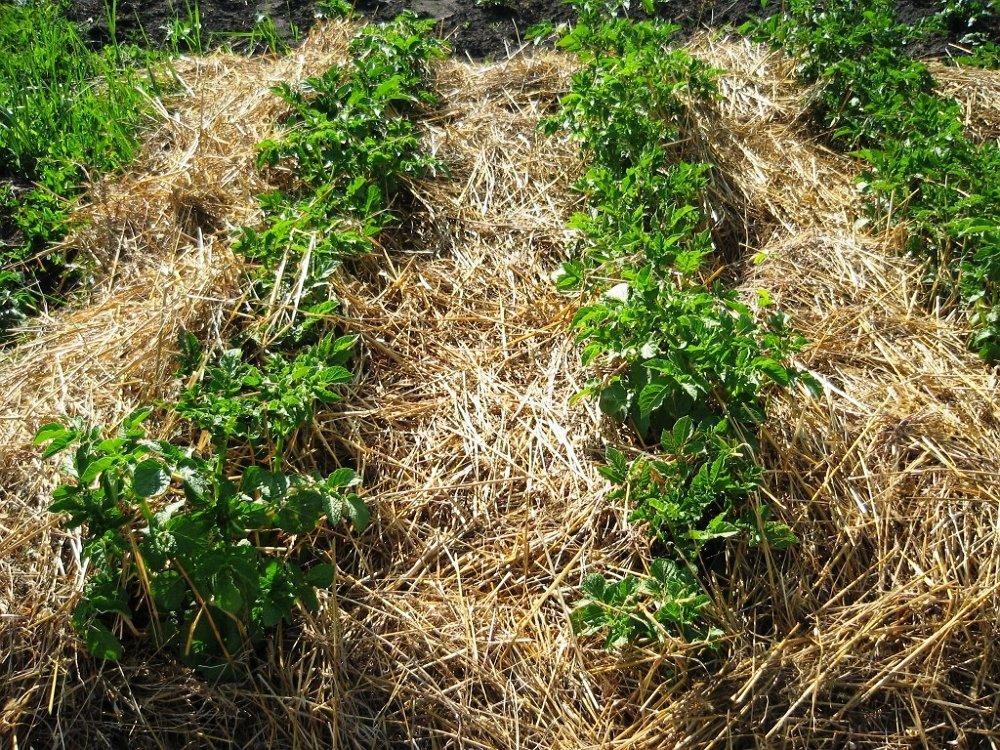
Hay and straw
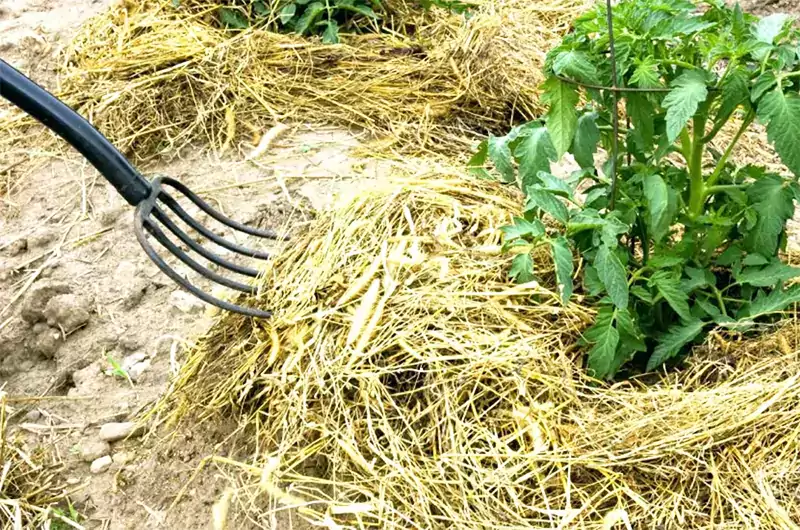
These organic materials are ideal for mulching garden beds. When using straw, keep one important point in mind. This material absorbs nitrogen, so it's important to slightly increase the amount of nitrogen fertilizer when applying fertilizer. Straw can be purchased or found in fields after mowing cereal crops.
When using hay as a mulch, it's important to keep an important consideration in mind. Avoid using material made from grass that has finished flowering and formed seeds. This can lead to the seeds sprouting in the beds, leading to unwanted vegetation overgrowth. If the hay is made from young grass, this risk is eliminated.
Important nuances when mulching the soil
The use of any material as mulch requires compliance with a number of rules and recommendations:
- Foliage can harbor pathogens, requiring treatment with antifungal agents. Hay, straw, and weeds can become a source of pests or seeds for unwanted vegetation.
- Pine needles should be used in combination with ash. This helps prevent soil acidification. Sawdust should be combined with nitrogen fertilizers.
- Fresh peat is not recommended, as it can be harmful to plants. Using high-moor peat acidifies the soil.
- When using paper as mulch, avoid types that are too thick or glossy. These restrict air flow to the plant's root system.
- Applying mulch requires moist soil. Otherwise, the material may prevent adequate water supply.
- Avoid placing mulch close to the stems and trunks of plants. This will encourage them to rot.
The thickness of the mulch layer depends on the material used. The denser the mulch, the less coverage is required. Flowerbeds and beds with mature plants can be completely covered. It is recommended to plant seedlings in holes dug directly into the mulch. It is important to consider the soil properties. For dense loamy soil, a thinner layer is recommended.
In addition to loose organic matter, film and textiles can be used as mulch. Organic materials can be mixed with the soil during digging. As they decompose, they will act as fertilizer.
In spring, mulch should only be applied to well-warmed soil. This will help protect it from drying out. In autumn, mulch should be applied to warm soil. This will prevent the root system from freezing.
Mulching is a fairly effective procedure that can achieve a number of beneficial results. It's also entirely do-it-yourself, using a variety of readily available materials.