
Straw is a fairly common organic material left over after harvesting grain crops. Therefore, gardeners often use it as fertilizer. This material can be incorporated into the soil in late fall. It is also used to make compost and mulch for garden beds. Mulching with straw has its pros and cons, which should be considered before undertaking the procedure.
What is included in the composition and what beneficial properties does it have?
Straw is the dried stems of various crops left after harvesting. This material consists primarily of cellulose and other carbohydrates. Drying causes moisture and some volatile substances to evaporate from the stems. However, carbohydrates and chemical elements found in plant sap remain. This helps enrich the soil with nutrients.
The following elements are present in straw:
- potassium;
- nitrogen;
- phosphorus;
- calcium;
- magnesium.
It will take at least 8 months to saturate the soil with these components. Humus is formed as the substances decompose, which affects the beneficial properties of the soil. To speed up the decomposition process, mineral nitrogen must be added to the mixture. Otherwise, the soil will lose some of its valuable nutrients.
How does it affect soil and plants?
Mulching the soil with straw helps to achieve the following results:
- Protect the plant's root system from drying out. This effect is achieved by retaining moisture. This procedure reduces the frequency of watering and prevents the formation of a soil crust.
- Ensure optimal soil temperature and prevent sudden fluctuations. This prevents the soil from overheating in hot weather and freezing in cold weather.
- Protect plants from weeds. This helps minimize the use of chemicals.
- Improve the composition and structure of the soil.
- Normalize acidity parameters.
- Create conditions for the activity of earthworms and the reproduction of beneficial microorganisms.
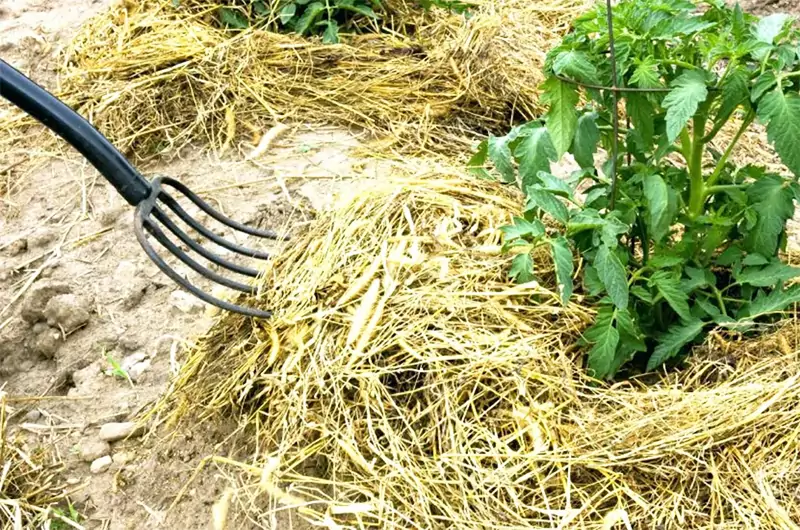
First and foremost, mulching helps protect the soil. This procedure reduces the need for watering, minimizing the need for tilling and weeding. It also reduces the risk of disease and pest attacks.
Pros and cons
Straw has both benefits and harms. The main advantages of mulching garden beds with this material include the following:
- saturating the soil with valuable minerals and natural humus;
- improving the structural characteristics of the soil by loosening it;
- preventing the formation of an airtight crust;
- increasing the quantity and diversity of soil microbiota;
- protection of beds from various types of erosion – solar, water and wind;
- control of weed growth and pest infestation;
- reducing the number of waterings by 1.5-2 times;
- protecting vegetables from dirt and splashes;
- reducing the risk of soil overheating in hot weather and hypothermia in cold weather.
The main drawback of using straw is the risk of mice or other rodents settling in it. It's also not recommended to use this material as mulch for clay substrates. It impairs air circulation, leading to pathogens displacing beneficial microflora. In this case, the straw rots rather than decomposes.
Rules for using straw in the garden and vegetable garden
Straw can be used in a variety of ways on your property. This will enrich the soil with valuable elements and promote the growth of crops.
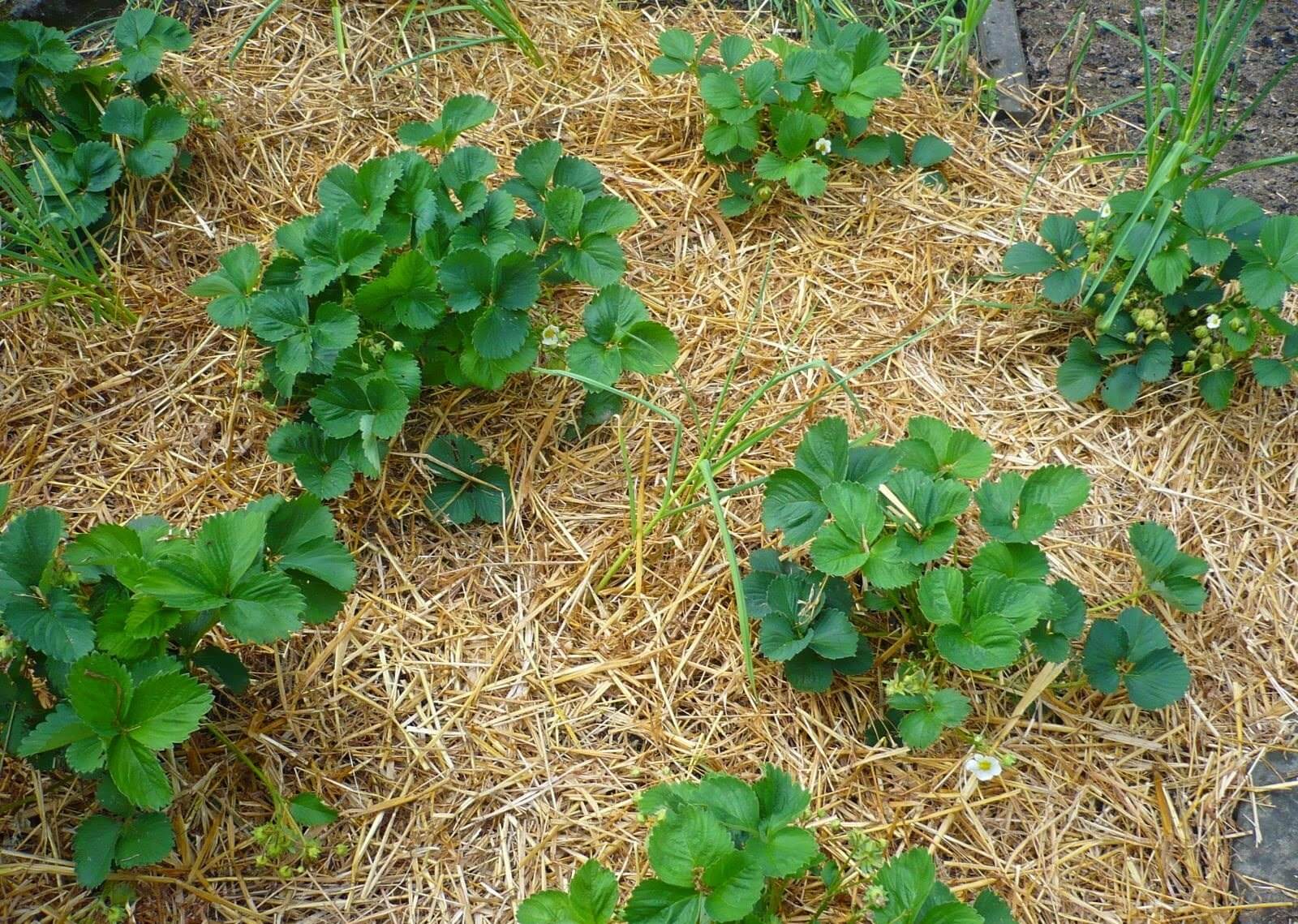
Mulching
Straw mulch is considered a very effective material. It can be used at any time of year. In winter, it effectively protects the soil from frost, and in spring, it prevents plantings from burning. In summer, using straw prevents overheating of garden beds and maintains optimal soil moisture levels.
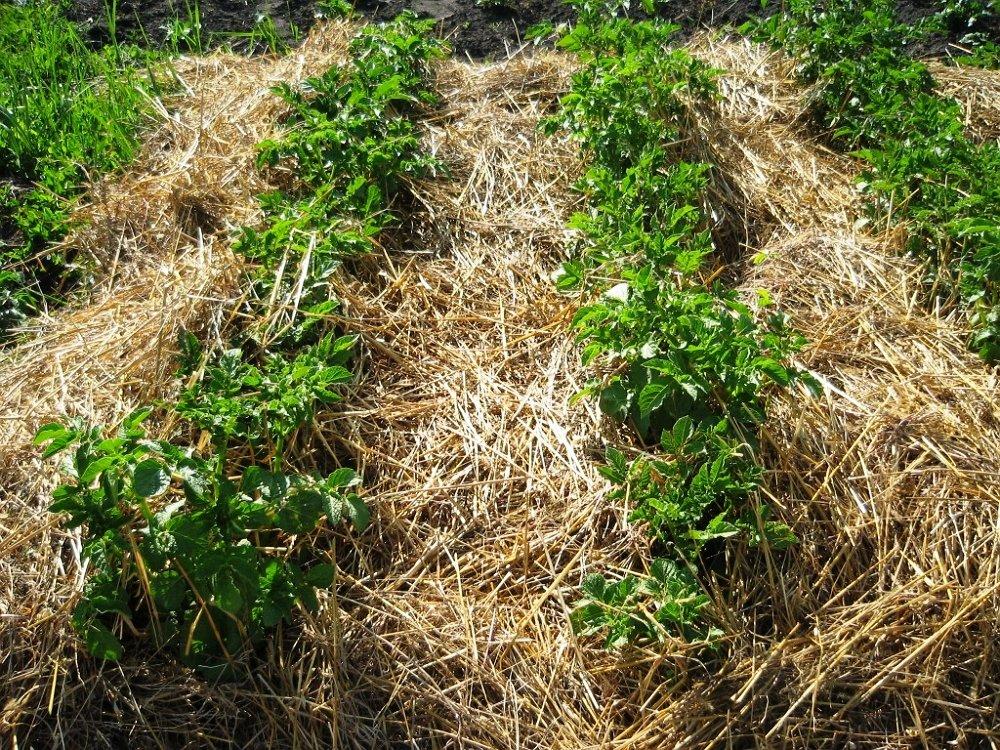
Straw mulch also helps suppress weed growth. Furthermore, this material increases the organic content of the soil, making it loose and airy.
In its pure form
Using straw in your garden is easy. The simplest method is to bury it in the soil in early autumn. However, the effectiveness of this method is directly affected by rainfall. If there's too little rainfall, the straw won't rot. As a result, the plot won't be suitable for planting the following season.
Fertilizer production
Using straw in your garden helps enrich the soil with valuable nutrients. Before adding the material to the soil, it should be thoroughly chopped. The straws should be 9-16 centimeters in size. Before using the material, nitrogen fertilizer should be added to the soil. Nitrogen nitrate or urea can be used for this purpose. 100 kilograms of such fertilizers should be used per hectare.
Dry stems should be placed in the soil at a depth of 13 centimeters. The material will rot slowly. Therefore, it is not recommended to dig the soil too deeply.
Common mistakes when using
Beginner gardeners make the following mistakes when mulching:
- Mulching is carried out in a greenhouse. This procedure often doesn't produce the desired results, as not all organic matter is suitable for use in protected soil. Greenhouse conditions are always characterized by high temperatures and humidity. Furthermore, air circulation is poor. As a result, the straw rots and becomes covered in fungal microorganisms, which leads to the development of various diseases.
- Avoid applying nitrogen fertilizers during mulching. It's important to remember that straw removes nitrogen from the soil. A deficiency of this element adversely affects crop development. To prevent this, apply a manure infusion to the soil before mulching. Urea is also a suitable fertilizer.
- Mulch beds in early spring, immediately after planting the seeds. This procedure negatively impacts the emergence of seedlings and the development of the crop. Mulch beds should only be applied after the soil has warmed completely. Otherwise, there is a risk of crop infection. However, there are certain exceptions. For example, potatoes should be mulched immediately after planting.
- Cover heavy soil with a generous amount of straw. This increases the risk of the bottom layer rotting. On clay soil, it's recommended to lay chopped straw in a layer no thicker than 2 centimeters. Then, add more straw every two weeks.
Take a look Also
Mulching with straw has its pros and cons. This procedure enriches the soil with valuable elements, improves its structure, and inhibits weed growth. To achieve the desired results, it's important to perform it correctly, strictly following expert recommendations.