
Dust is not a specific product, but a formulation in the form of a powder. Essentially, it's a composition consisting of an active ingredient and a filler, intended for dusting. The product was developed back in 1873, but it wasn't until 50 years later that its toxic effect on insects was discovered. After that, the composition began to be used as an insecticide.
Description of the substance
A dust is a form of insecticide. The active ingredients vary. The product is produced in powder form. A common example of an insecticide is DDT, or dichlorodiphenyl trichloromethyldi(p-chlorophenyl)methane. It is produced by condensing chlorobenzene and chloral in highly concentrated sulfuric acid.
DDT is a white, crystalline substance that is tasteless and virtually odorless. The chemical is typically sold as a powder. However, in epidemiological situations, an aqueous solution should be used.
In everyday life, the poison is often called "dust." Originally, this term referred to the powdered form of DDT. It is a topical insecticide that kills pests upon external contact. This is achieved by damaging the parasite's nervous system.
Types of chemicals
Today, dust is quite commonly used, but different chemical compounds are used. This term refers not to the drug or active ingredient, but to the powder—a finely ground mixture of the active ingredient and filler.
Chalk, gypsum, talc, silica gel, kaolin, and various types of clay are used as fillers. Talc and pyrophyllite are considered the most convenient components, as they adhere well to plants.
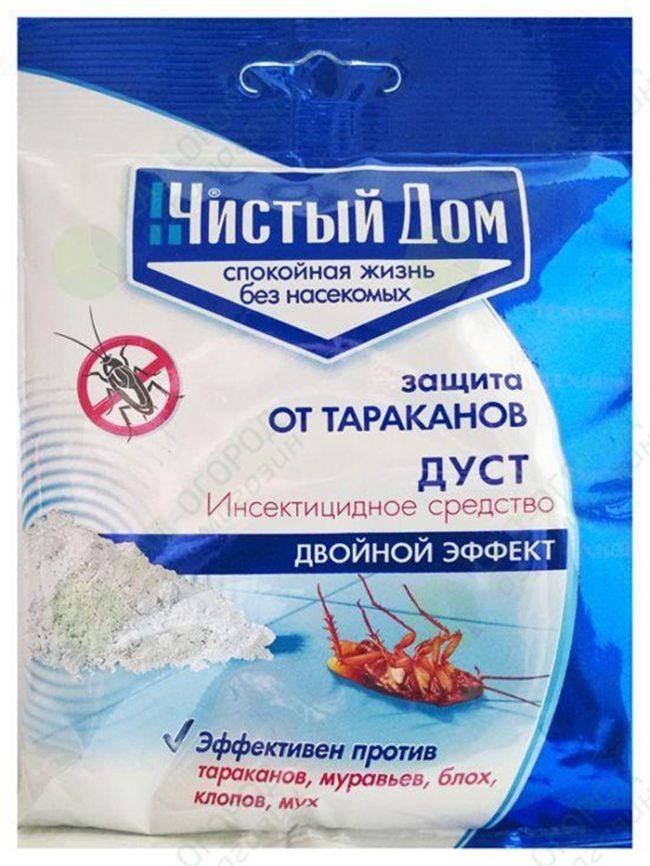
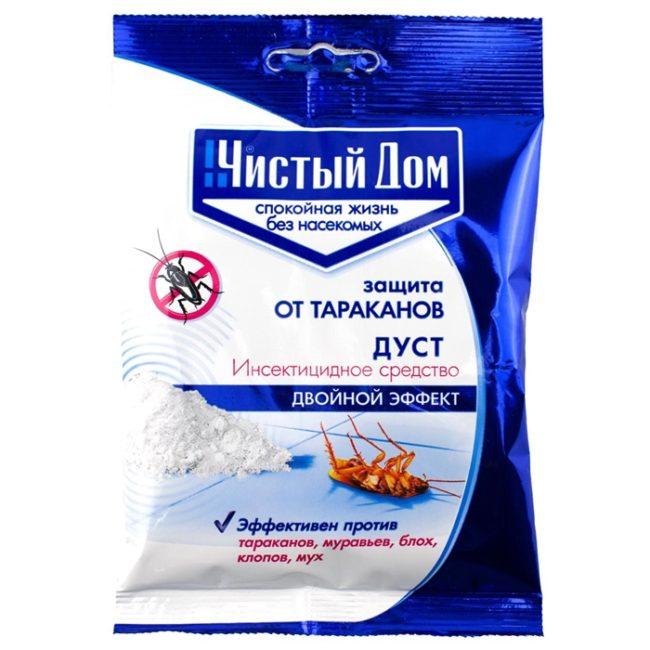
The amount of active ingredient in a dust is determined by its activity and intended use. Typically, it accounts for 1-10%. Active ingredients in modern insecticidal powders can include:
- Organophosphorus compounds (OPCs) are organophosphorus compounds. They have been used since 1965 to replace DDT, hexachlorane, and other organochlorine compounds. These substances are easy to produce and effective against a wide range of insects. They are currently widely used. Active ingredients in insecticides in this group include malathion, chlorpyrifos, and others.
- Inorganic substances – this can be boric acid, sodium tetraborate, zinc phosphide.
- Neonicotinoids are nitromethylene heterocyclic compounds. A good example is the Stozhar RP product.
- Pyrethroids – this includes the well-known product "Iskra." The powdered ant repellent "Fas-Dubl" is also acceptable.
- Phenylpyrazoles – this group includes finpronil. It is present in the drug "Gector," among other things.
Physical and chemical properties
DDT, or dichlorodiphenyltrichloromethylmethane, is a substance produced in the form of white crystals. It is poorly soluble in ordinary water. It mixes much better with organic and other solvents. Dichlorodiphenyltrichloromethylmethane has a distinct odor.
The term DDT is also used to refer to another substance: dichlorodiphenyltrichloroethane.
It has similar properties. Various inert substances are used as fillers in the product. These can include clays, chalk, kaolin, talc, and silica gel.
The amount of active ingredient depends on the product's potency and intended use. It can range from 1% to 10%. Dust has a long shelf life compared to other pesticides. It can be stored in a cool, dry place at high temperatures.
How resistant to decomposition are they?
The insecticide formula is highly resistant to degradation in soil. It is unaffected by external factors such as enzymes, light, and temperature. The composition penetrates the environment in its original form.
The substance and its metabolites can accumulate in crops, soil, and water. They can also concentrate in the human body and animal tissue.
Mechanism of influence on harmful organisms
The chemical effects of the drug have not been adequately studied. However, DDT has a specific effect on nerve impulse transmission in insects. The pesticide disrupts the sodium-potassium pump in nerve cell membranes.
Terms of Use
The substance can be used in a variety of ways. The most effective options include:
- Dust dusting is ground pollination. This method was widely used in the 1980s. It was most often used on plants with dense foliage. Today, this method is rarely used in agriculture.
- Pre-sowing seed treatment is called dry dressing. Today, powders for dusting seeds are quite commonly used. They are used to treat seeds, seedlings, and transplants. This helps protect plants from diseases and prevent attacks by soil-dwelling pests. The active ingredient content can reach up to 90%, with only a minimal amount of filler used. This helps improve grinding and prevents caking during storage.
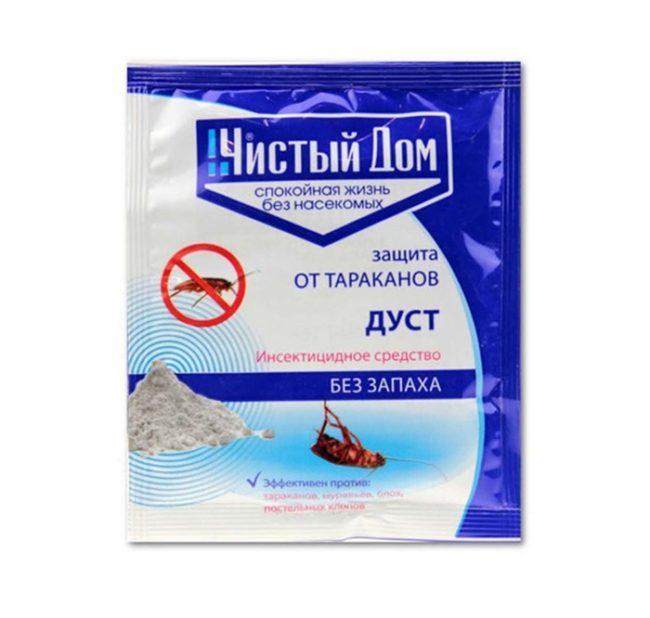
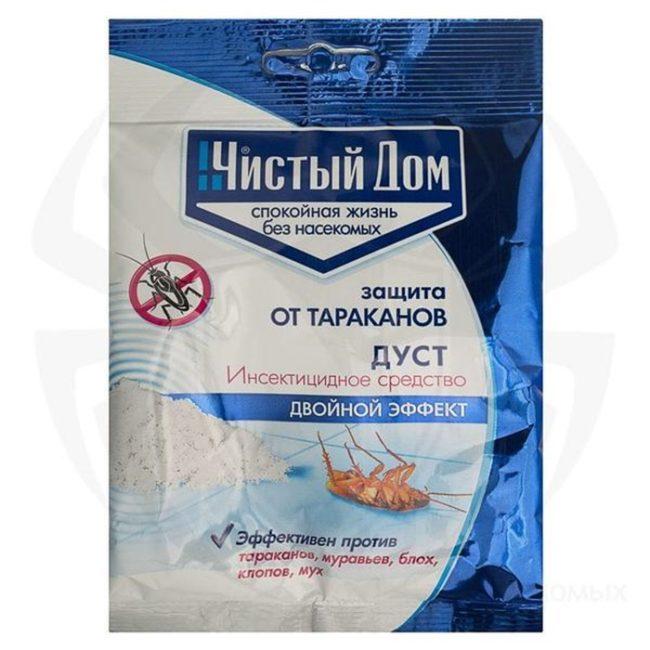
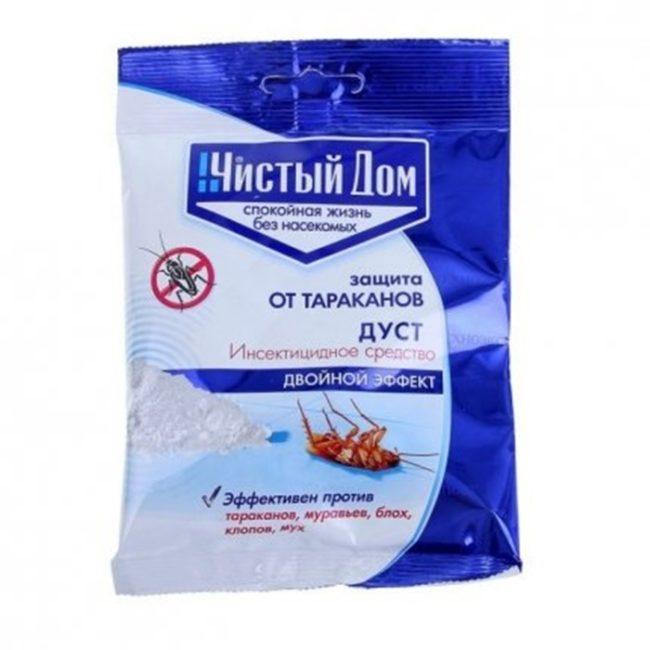
- Medical and household pest control – powders and dusts are often used to control crawling pests. These substances are effective against parasites because the small particles adhere to the body as they move across the treated surface. This results in constant contact with the toxic substance, which causes the rapid death of the arthropods.
Precautionary measures
The composition affects people and pets. Therefore, it is important to follow certain safety precautions when working with dust. These include the following:
- It is recommended to treat the room with open vents or windows. No people or pets should be inside. Food should be placed in the refrigerator or cupboard before treatment. Food containers should be well covered or put away. Aquariums should be tightly covered, and bird cages should be removed from the room.
- It is not recommended to treat the interior surfaces of cabinets. The same applies to other food storage areas and utensils.
- After cleaning, the product should be removed with a damp cloth. However, this should not be done for at least 3-6 hours afterward. To remove dust, use a soap and soda solution. It is recommended to remove it from work surfaces or areas where it could contaminate dishes or food. In other areas out of reach of children and pets, keep the product until its effective period expires, which is 4-6 weeks. It is recommended to leave the solution behind baseboards, pipes, and other hard-to-reach places.
- After treatment, the room must be thoroughly ventilated. This procedure should last at least half an hour.
- All work with dust is recommended to be carried out using personal protective equipment. This requires wearing a headscarf, gown, mask, or respirator. It is recommended to protect your hands with rubber gloves.
What to replace it with
Considering dust as the most common form of DDT, it must be noted that this substance is currently banned. It cannot be used in agriculture or other areas of life.
Therefore, the chemical industry offers many other effective analogs of this drug. DDD, Pertan, and Methoxychlor can be used as alternatives.
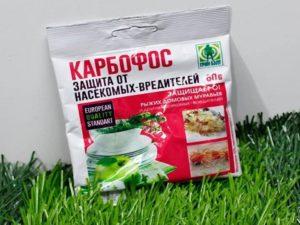
These substances have a similar effect on pests but are considered safer. They decompose more quickly in the soil, but are consistently potent poisons for humans. Therefore, they must be used with extreme caution.
Dust is an effective remedy that helps control a wide range of pests. To ensure the desired results, strictly follow the instructions for use. Compliance with safety precautions is also crucial.