
Knowing how to manage your harvest wisely helps you provide your family with healthy and nutritious foods. Kohlrabi, with its varied winter recipes, is consistently popular among homeowners. The vegetable's core, even raw, has a pleasant flavor, without the typical pungent aftertaste of white cabbage. This is why it's not only preserved and pickled, but also dried and frozen.
Useful properties of kohlrabi
Kohlrabi is sometimes called a lemon growing in the garden, due to the high amount of vitamin C found in its leaves and stalk.
If cabbage is included in the diet and consumed frequently, the body systematically receives:
- vitamins B2, PP, A, B;
- fructose, glucose;
- vegetable proteins, metals;
- mineral salts, carbohydrates;
- pantothenic acid, carbohydrates.
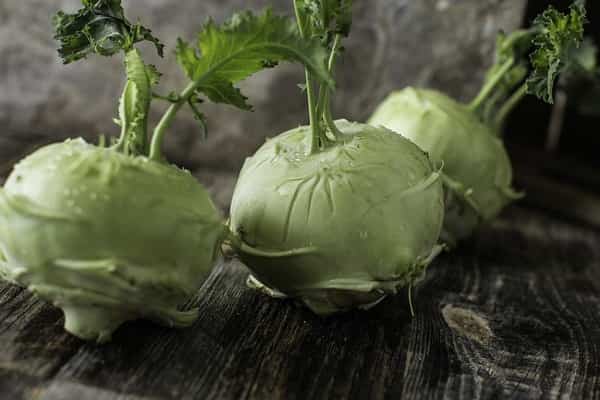
The root vegetable is considered a dietary product, as it's even easier for the body to digest than apples. A small serving leaves you feeling full, all without the risk of fat deposits, and with the potential to maintain a healthy weight—the calorie content per 100 grams is only 42 kilocalories.
Kohlrabi is a good diuretic, calms the nerves, and can relieve inflammation in the stomach or intestines. Fresh kohlrabi juice is recommended to be consumed daily for two weeks for recurring throat problems, anemia, exacerbation of cholecystitis, and hepatitis.
Kohlrabi is not recommended for dietary use except in rare cases, such as those with high acidity, pregnancy, breastfeeding, or pancreatic problems. Kohlrabi should also be replaced with another product in cases of individual intolerance.
Preparing the cabbage
To maximize the benefits of the root vegetable, it's best to consume it immediately after ripening. Shredded young tops and sliced fruits are used in salads, with sauces and seasonings, and in a variety of hot and cold dishes.
Preserving the remaining cabbage harvest requires little more effort than immediately consuming it. The plants will need to be thoroughly washed to remove dirt and dried. Then, you can begin sorting, selecting completely healthy specimens and clearing any remaining rot or damage. A sign of conscientious attention to the preparatory stage is the complete utilization of all healthy specimens.
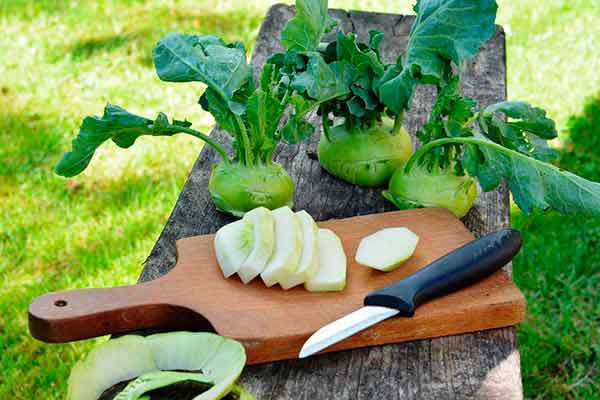
Recipes for winter preparations
There are countless recipes that feature kohlrabi as a main or supporting ingredient. They are treasured by families, published, and mentioned in cookbooks. If you try several, you'll find your favorite methods, which you'll use regularly.
The secret to proper freezing
Freezing is the least labor-intensive way to preserve cabbage. This is the best option, as frozen cabbage remains just as tasty, with virtually no loss of nutrients, as fresh cabbage.
Before freezing, special preparation must be carried out:
- Peel the washed and dried specimens.
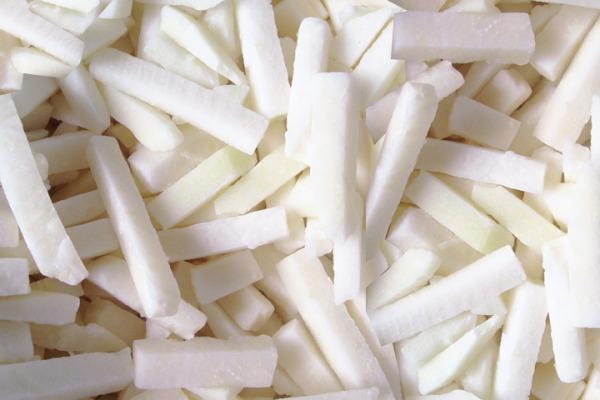
- Chop or grate, depending on what dishes or salads the kohlrabi will be used in.
- Sprinkle the mixture with coarse salt for 20-30 minutes to remove excess juice and bitterness.
- Rinse thoroughly in several waters until the salty taste is removed.
- Blanch small batches of the vegetables in boiling water, directly in a sieve, for no more than 3-4 minutes. You can also use a steamer for the same duration.
Next, the blanched product should cool and dry, after which it can be portioned into bags and placed in the freezer. Kohlrabi is frozen with other vegetables to create special semi-finished mixes. These preserves will keep for about 9-10 months without losing flavor.
Winter salad with carrots and onions
Kohlrabi salad prepared for winter with the addition of carrots or onions has a wonderful flavor. And if you combine these two ingredients, you're guaranteed to have a superb winter salad. Here's what you'll need:
- 2 medium-sized heads of cabbage – shredded into strips;
- large onion - cut into rings;
- 170-200 grams of carrots – grated;
- sugar – no more than 100 grams, 9% vinegar – 50 milliliters;
- a little bay leaf, black pepper, salt to taste.
Add sugar and salt to a liter of boiling water until completely dissolved. Then, simmer the kohlrabi for 5 minutes. Afterward, allow the mixture to drain completely, preparing the jars with spices in the bottom. Next, mix the kohlrabi with the onions and carrots, pack them tightly into the jars, and pour the marinade over the mixture. Pasteurize this delicious salad at 90 degrees Celsius for 45 minutes.
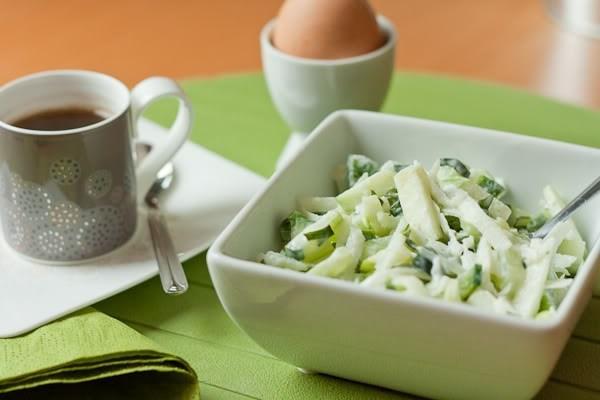
Drying kohlrabi
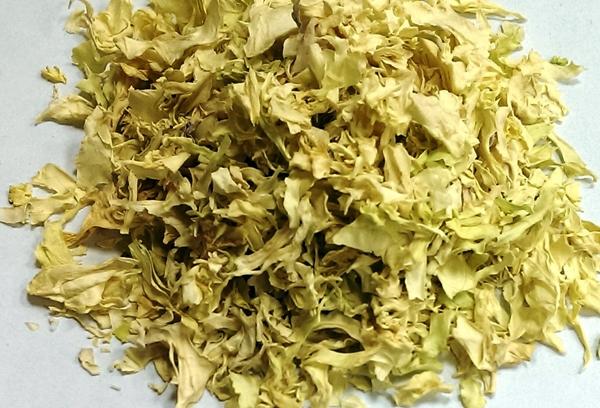
During the warmer months, the kohlrabi is harvested 2-3 times, as soon as the harvest is ripe. If you decide to preserve a large quantity of kohlrabi, for variety, you can dry it. To do this, cut it into 1-1.5 cm strips and blanch it for 5 minutes in water with a pinch of citric acid.
After this, the cabbage is drained and, once completely dry, dried in special devices or on an oven rack at an optimal temperature of 60 degrees Celsius. This method preserves a large amount of nutrients, gives the cabbage a pleasant flavor, and makes it easy to shred.
Abkhazian style salted pieces
In Abkhazia, pickling kohlrabi is traditionally done in a special vessel with an oblong neck. This process is traditionally done in late autumn.
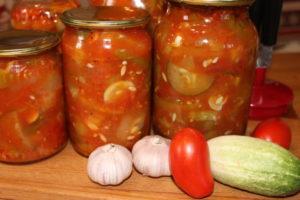
To create a standard portion of the preparation you will need:
- Kohlrabi – 4-5 kilograms;
- Garlic – 30-40 grams.
- Celery – 5 medium sprigs.
- Salt – maximum 150 grams.
- Capsicum – about 100 grams.
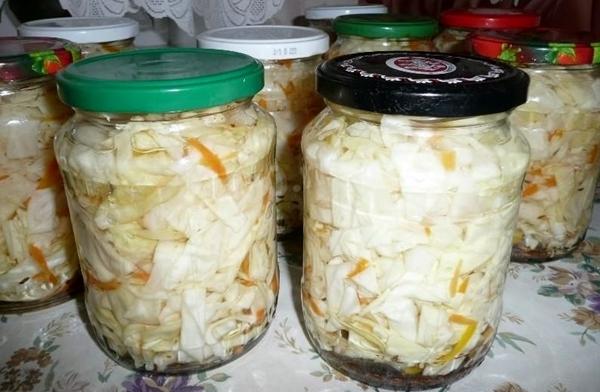
To add a full flavor, add crushed basil seeds, savory, dill, blue fenugreek, and other spices to your taste.
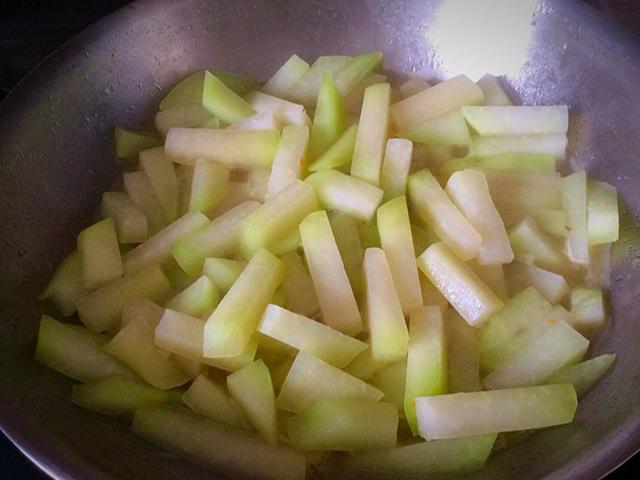
Depending on the size of the fruit, kohlrabi is cut into large pieces or used whole. The stems are peeled first, the leaves are washed, and layered in a container with spices. Once the container is full, the mixture is poured with a strong brine. To give the mixture a beautiful color, it is infused with dried pokeweed, placed in a natural cloth bag.
Canning kohlrabi
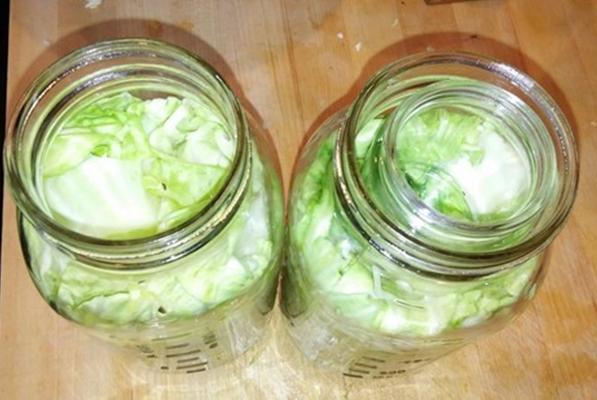
To preserve kohlrabi without other vegetable additives, you only need the cabbage itself, at the rate of: 125 grams of salt, about 3 liters of water, and 15 grams of citric acid per 5 kilograms. The recipe calls for washing the vegetables, shredding them, or cutting them into medium-sized cubes.
Then they need to be dropped into boiling water, where the citric acid and salt have already dissolved. After 5 minutes, you can begin placing the preserves in jars, which, after filling, need to be pasteurized for 30-45 minutes at a temperature of 90-95 degrees Celsius.
Method without sterilization
The busy schedules of modern housewives force them to look for ways to stockpile food without the time-consuming process of pasteurization. To implement this method, you'll need to prepare:
- 1 kilogram of cabbage;
- 500 grams of pepper and similarly carrots;
- 150 grams of coarse salt;
- 400 grams of onion and the same amount of sugar;
- 480 grams of 9% vinegar.
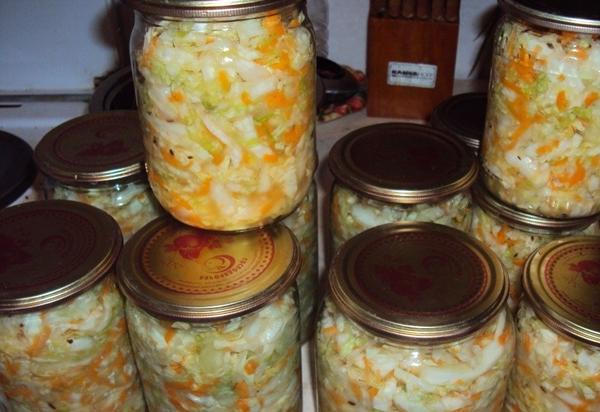
Finely chop the peeled vegetables, mix thoroughly, and literally pack them into prepared jars. Then pour boiling water over the mixture for a few minutes, let it sit for 3-5 minutes, and strain. It's best to process the salad three times, then fill the jars with a boiling solution of water, salt, vinegar, and sugar and seal. This gentle method will keep the cabbage flavorful and very crispy.
It's not recommended to simply store large quantities of root vegetables in the refrigerator. Without prior preparation and freezing, they will spoil within 3-4 weeks.
Marinated with beets
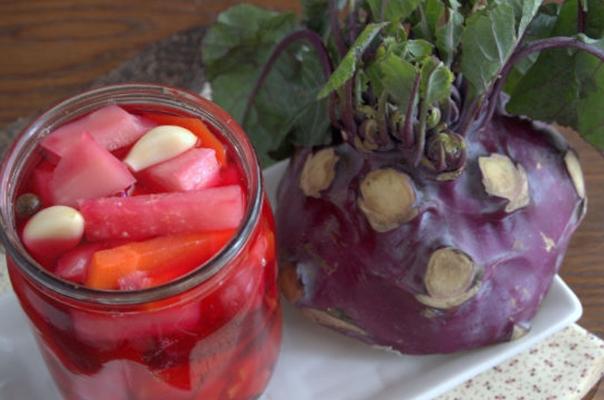
Marinated kohlrabi with beets is eaten as a salad, but it also makes a delicious side dish for grilled meat or baked poultry. To ensure even cooking, the cabbage and beetroot heads should be approximately the same thickness. The following ingredients are used to prepare this pickle:
- 600-650 grams of beets.
- 500-550 grams of kohlrabi.
- 5-7 bay leaves.
- 5-7 cloves of garlic.
- 6-10 peppercorns.
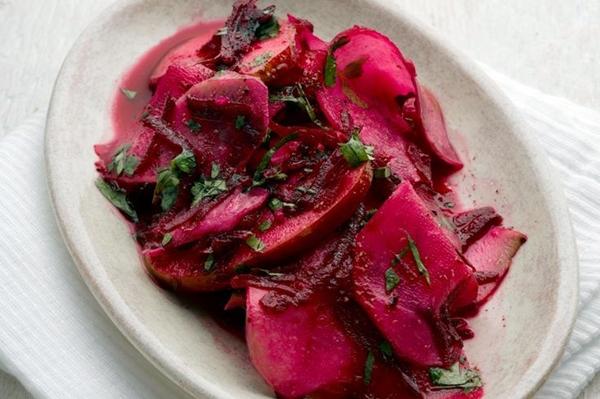
You'll also need sugar, vinegar, and salt to taste, although the average amount used for this amount of raw material is 40 grams, 20 milliliters, and a tablespoon, respectively. Peel the vegetables, removing stems and any damaged areas. It's best to prepare the beets first, as they take longer to prepare. You can boil the whole heads or bake them in foil.
Once ready, the product is cut into small slices, strips, and triangles.
The kohlrabi is immediately sliced into thin slices and covered with vinegar water. Cooking the kohlrabi for 25-30 minutes is sufficient, and once cooked, the mixture is left to cool. The final step is placing the vegetables in jars, pouring the marinade over them, and sterilizing them for 8-10 minutes.
Take a look Also
Pickled with herbs
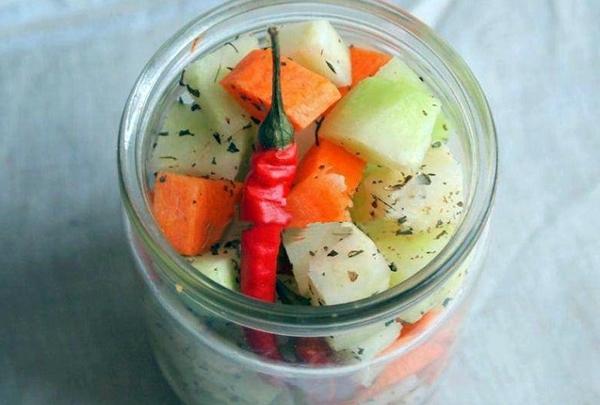
Sauerkraut with herbs is a favorite treat for many people, who can't imagine autumn without it. A standard batch requires 3 kilograms of kohlrabi, 0.5 kilograms of celery root and herbs. For 3 liters of brine, you'll need 150-170 grams of salt.
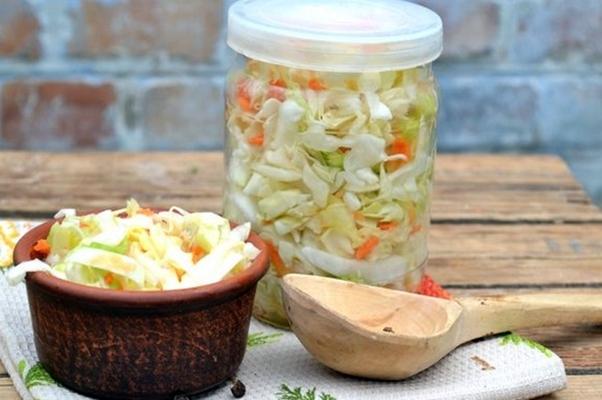
Wash and peel the root vegetables, greens, and celery, then chop the cabbage and blanch for at least 5 minutes. Then, the cooled mixture can be mixed with shredded celery and chopped greens, poured with brine, and pressed down with a light weight so that the liquid completely covers it. The sauerkraut is initially kept warm, and after 2-3 days, it is moved to a basement or other cool place.
Storage conditions
For those with a spacious, well-maintained cellar, storing kohlrabi fresh is a good idea. The ideal temperature for storing the vegetable is considered to be between 5 and 8 degrees Celsius. If suitable conditions are achieved, after harvesting, the vegetables are cleaned, removing any dirt, dried, and only then stored in a utility room. Once harvested, the crop is carefully placed in sand or hung.
Vegetable stock will need to be inspected periodically, removing any that are starting to dry out or spoil for consumption. If there are a lot of them, you'll need to clean and preserve them, pickle them, or freeze them.
A small amount of kohlrabi should be finely grated and frozen in portions, without boiling. In just a few weeks, it can be used as a seasoning for soups and meat dishes.
Related posts:
 Step-by-step recipes for preparing vegetable stew for the winter with and without sterilization
 Description of the best pepper varieties for greenhouses and open ground in 2025
 Simple recipes for making cherry plum jam with and without pits for the winter
 Simple step-by-step recipes for making lingonberry jam for the winter
 TOP 11 Best Recipes for Canned Radishes for Winter and Storage
 TOP 15 recipes for canned mushrooms at home for the winter
 Simple recipes for making pickled honey mushrooms in 15 minutes for the winter, with and without sterilization, at home
 24 Best Recipes for Preserving Beets for the Winter