
- Tips for choosing apples for homemade apple marmalade
- Preparing containers for treats
- Delicious apple marmalade recipes for the winter
- Traditional cooking method
- With gelatin
- Marmalade in sheets
- Apple-lemon
- Let's prepare a sugar-free treat
- Homemade Apple and Plum Marmalade in the Microwave
- Making a winter preparation with agar-agar
- Quick recipe for a slow cooker
- Cooking apple marmalade in the oven
- Apple and pear treat
- Apple pomace preparation
- Storage terms and conditions
Once you've made your own marmalade, you can store it for a long time and enjoy this delicious treat regularly. Homemade apple marmalade for the winter is made without artificial preservatives and colorings, making it a healthy treat. By adding additional ingredients to the traditional recipe, you can discover new flavors and preserves.
Tips for choosing apples for homemade apple marmalade
When preparing marmalade, it makes no difference whether you use hard, ripe apples or soft, overripe ones. The main requirement is ripeness and no signs of rot. There are no specific requirements regarding variety, but it's worth keeping in mind that slightly tart fruits have more natural pectin and gel faster. Such varieties include Gloucester, Royal Gala, and Saffron.
Preparing containers for treats
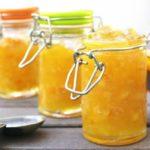
Glass containers are most often used for storing the treat. To ensure long-term storage and prevent spoilage, sterilize the containers beforehand.
To do this, place a metal sieve on a pan with liquid and place the container upside down on top.
When the water boils, steam will engulf the container, and sterilization will take about 15 minutes. Another common sterilization method is baking the jars in an oven at 160 degrees Celsius after washing.
Delicious apple marmalade recipes for the winter
Apple marmalade can be made using a variety of recipes, each with its own distinct process and ingredient list. Choosing the right recipe should be based on your personal taste preferences and culinary skills.
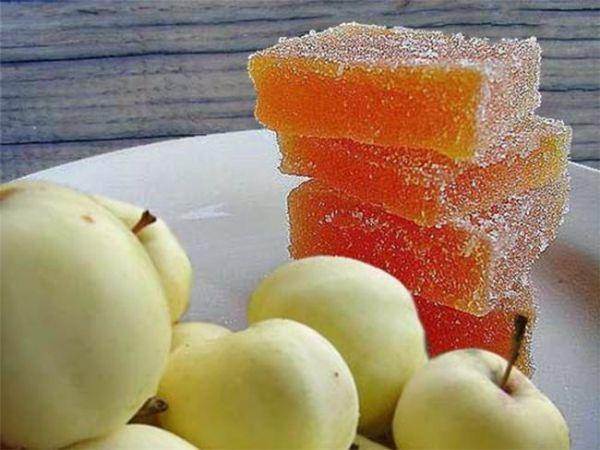
Traditional cooking method
The simplest and most common method for making fruit marmalade is the classic version. The recipe calls for the following ingredients:
- 1 kg of apples;
- 600 g sugar;
- 500 ml of water;
- a pinch of cinnamon.
Various confectionery spices, such as lemon zest, anise, and ginger, can be used as additional ingredients. It is also permissible to completely exclude spices from the recipe in order to achieve the natural taste of the product.

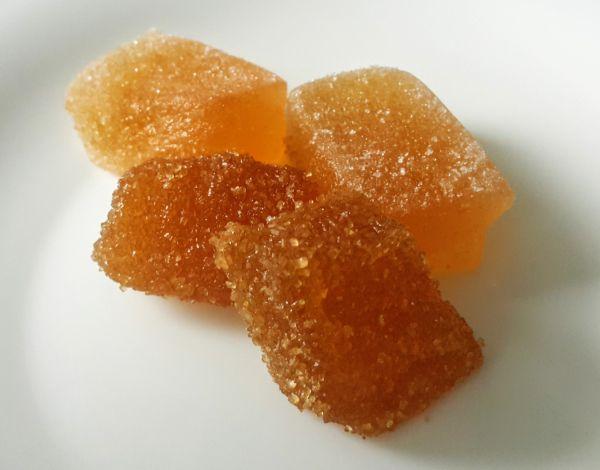
Having prepared the ingredients, marmalade is made as follows:
- The fruits are washed, cores removed, and peeled. Then they are cut into small cubes or slices.
- Place the chopped apples in a saucepan, cover with water, and simmer over low heat until a puree forms. Stir constantly with a wooden spatula to prevent the mixture from sticking to the bottom.
- Halfway through the process, the mixture is removed from the stove, cooled and rubbed through a sieve, after which cooking is resumed.
- Gradually add sugar and spices to the pan, stirring constantly. When the mixture begins to separate from the bottom of the pan, you're ready to finish cooking.
- The viscous delicacy is poured into sterilized jars in the same way as jam, hermetically sealed with lids and put away for storage.
With gelatin
Prolonged heat treatment during cooking reduces the beneficial properties of marmalade, so it's worth considering a recipe that reduces cooking time.
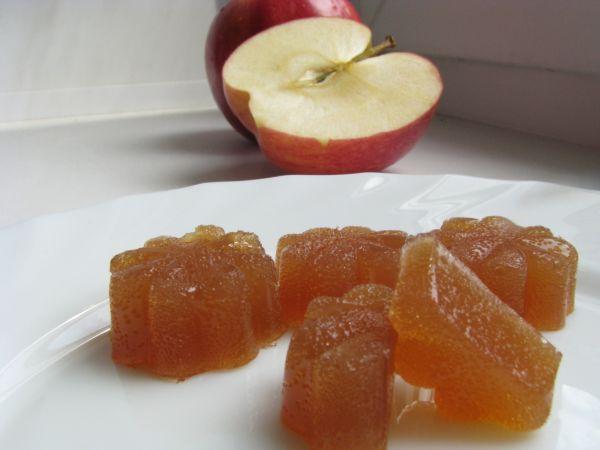
To thicken the mixture faster, add edible gelatin, which should be prepared in advance in the following manner:
- gelatin is mixed with a small amount of cold water and left to swell for 30-40 minutes;
- when the mixture swells, it is heated in a water bath until all the substance is dissolved, but do not bring to a boil;
- the prepared solution is added to the hot apple mixture, prepared according to the classic marmalade recipe, and mixed thoroughly;
- The resulting delicacy is poured into jars or left to cool and then packed in parchment.
Marmalade in sheets
The recipe for laminated marmalade requires first preparing the delicacy according to the classic recipe.
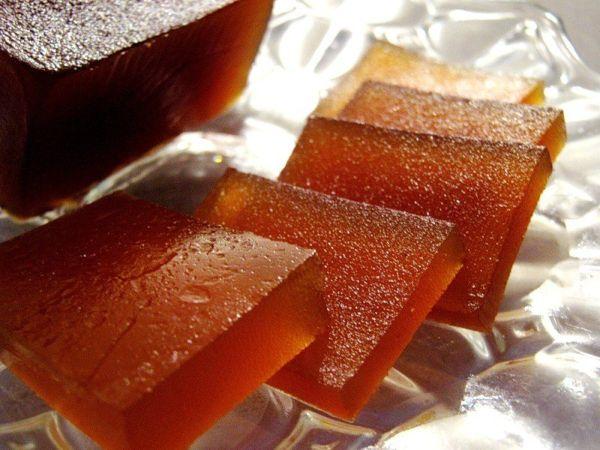
Further preparation has a number of nuances:
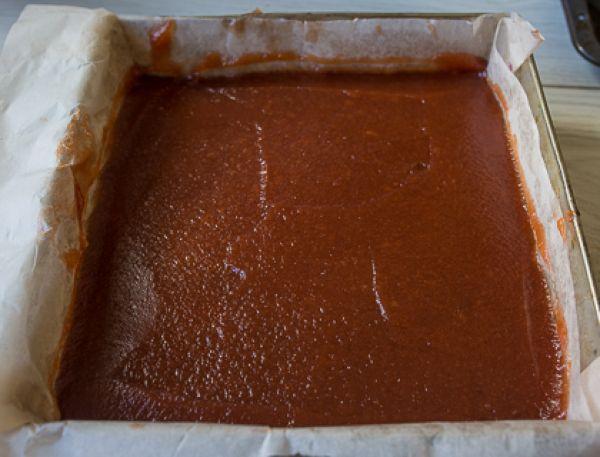
- At the end of the cooking process, the mixture is not poured into containers, but rather poured onto a baking sheet lined with parchment paper. Smooth the surface of the pureed mixture and place the baking sheet in the oven.
- Heat the treat at 90-100 degrees Celsius for a couple of hours. It's acceptable to leave the oven door open 1 cm during cooking.
- The marmalade is left in the oven with the door slightly ajar until it cools completely, then dried for 24 hours at room temperature. Once a crust forms on top, the layer is flipped over, reheated in the oven, and dried.
- The prepared product is cut into slices and served or left for storage.
Take a look Also

Apple-lemon
Adding lemon to the recipe for preparing this delicacy gives it a light and pleasant sourness.
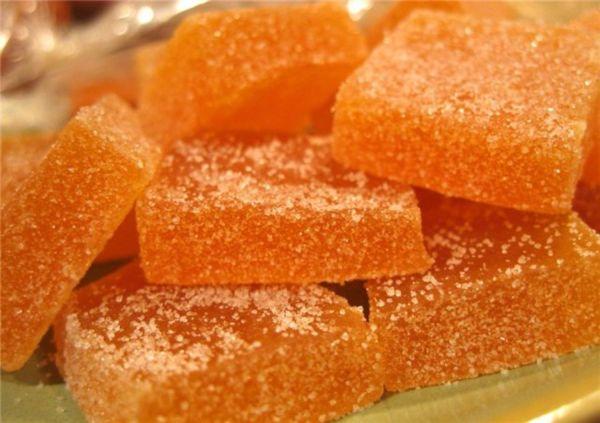
To make apple-lemon marmalade, follow a few simple steps:
- Cut the lemons in half lengthwise, then into thin slices, and remove the seeds. Soak the sliced lemons in 2-3 cups of water and leave overnight.
- Once the lemons have steeped in water, bring the mixture to a boil on the stove and continue cooking for 10 minutes, until the peel has softened.
- The apples are cored, cut into slices and added to the lemon mixture along with sugar.
- Stirring the ingredients, bring the mixture to a boil, then reduce the heat and continue cooking for half an hour. You can judge the doneness by the consistency of the mixture.
Let's prepare a sugar-free treat
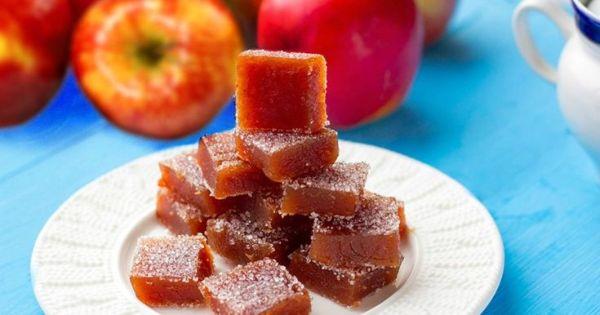
For the sugar-free recipe, peel the apples, cut them into wedges, and microwave them for 6-7 minutes. Meanwhile, dissolve the gelatin in hot water. After removing the apples from the microwave, puree them in a blender and add the dissolved gelatin.
The resulting mixture is poured into molds and placed in the refrigerator to set. This process typically takes 30 minutes to an hour. The finished marmalade can be dusted with powdered sugar or dipped in chocolate.
Homemade Apple and Plum Marmalade in the Microwave
Finely chopped apples can be mixed with pitted plums to make a delicious treat. Place the ingredients in a bowl, sprinkle with sugar, and microwave on high for 20 minutes. Stir several times during the heating process. Then cook for another 20 minutes at half power. Finally, reduce the power to low and continue cooking for another 10-15 minutes.
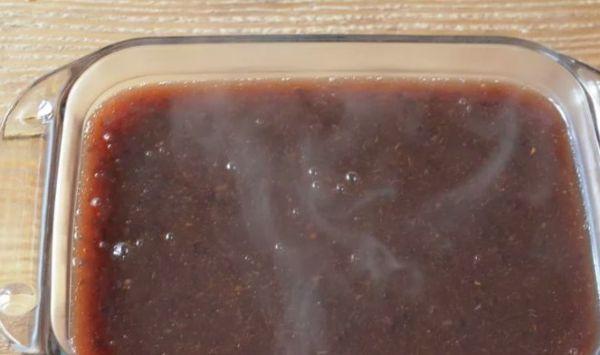
The hot mixture is transferred to a baking sheet or plastic mold and left for 24 hours to dry. The layer is cut into pieces and stored or eaten immediately.
Making a winter preparation with agar-agar
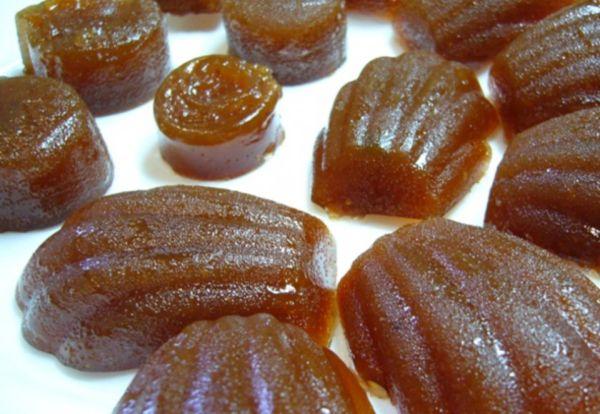
For every 500 ml of applesauce, use 1.5-2 tablespoons of agar-agar. Add 80 ml of water to the thickener and let it sit for 15 minutes. Meanwhile, cook the fruit mixture on the stove with sugar. Once the sugar has dissolved, pour the agar-agar into the puree and continue boiling for 2-3 minutes, stirring regularly. Place the marmalade in a mold and let it dry for a couple of hours.
Quick recipe for a slow cooker
To cook in a slow cooker, finely chop the apples, place them in the bowl, and cook for 50 minutes on the simmer setting. Then puree the mixture in a blender and return it to the slow cooker for 40 minutes. Add sugar and spices and continue cooking for another 1.5 hours, stirring occasionally.
Cooking apple marmalade in the oven
To prepare this baked treat, boil the apple mixture, puree it in a blender, and strain it through a sieve. Place the resulting puree on a baking sheet and bake in the oven for 2 hours on each side at 100 degrees Celsius.
Apple and pear treat
Marmalade with pear can be made using the classic recipe. The pears and apples are cored, peeled, and finely chopped, then prepared according to the traditional recipe.
Apple pomace preparation
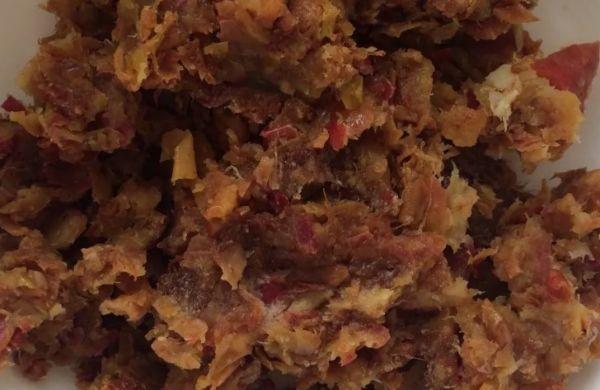
I press the pulp through a sieve to remove the skins and seeds. The resulting mixture is mixed with sugar and boiled until it forms a thick consistency. The product is dried for 1-2 days and cut into slices.
Storage terms and conditions
Depending on the recipe, marmalade can be stored for 1-3 months. If frozen, the product has an unlimited shelf life. Immediately after cooking, the treat can be placed in sterilized glass containers and, after cooling, rolled up with lids. The dessert layers can be wrapped in parchment paper. Store in the refrigerator or freezer.
Related posts:
 12 simple recipes for making plum jam with pits for the winter at home
 10 simple recipes for making gooseberry marmalade for the winter
 15 Best Redcurrant Jam and Jelly Recipes for the Winter
 27 Best Homemade Pear Jam Recipes for the Winter
 27 Best Homemade Apple Jam Recipes for the Winter
 Simple step-by-step recipes for making melon jam for the winter and tips on choosing the fruit and storing the preserves
 12 Best Recipes for Making Amber Pear Jam with Slices for the Winter
 The 42 Best New Year's Dessert Recipes for 2020