
Sun-dried tomatoes stand out among the most common methods of preserving tomatoes for the winter. This dish originates from Mediterranean cuisine. A store-bought jar is expensive, but during the season, you can easily make your own. Sun-dried tomatoes are based on the most ancient method of preserving fruit for the winter—drying. The fastest and easiest way to prepare sun-dried tomatoes is in a modern electric vegetable dehydrator.
Benefits of drying tomatoes in an electric dehydrator
Traditionally, vegetables were dried naturally in the sun. Today, home conditions in most regions of Russia don't allow for this to be done properly. Drying tomatoes outdoors requires a stable temperature of at least 30 degrees Celsius for several days, low humidity, and the absence of insects. This method is only used in sunny areas and in private yards or garden plots.
Tomatoes can also be dried in a conventional gas oven, but they often burn and dry out because the oven can't maintain the required temperature. Furthermore, a stovetop left on for several hours creates heat in the room, which is especially unpleasant in the summer.
An electric stove is a good option, even better if it has a convection oven. It allows you to set the temperature to around 100 degrees Celsius and maintain it until the tomatoes are done. The downside is that such an appliance uses a lot of electricity and can also raise the room temperature.
If you make homemade preserves regularly, the best solution is to purchase a dedicated electric dehydrator. Its advantages include:
- quickly brings the fruits to the desired state;
- consumes electricity economically;
- can be used at home or in the country;
- has several modes, a temperature controller for different workpieces.
Take a look Also


Selecting and preparing the main ingredient
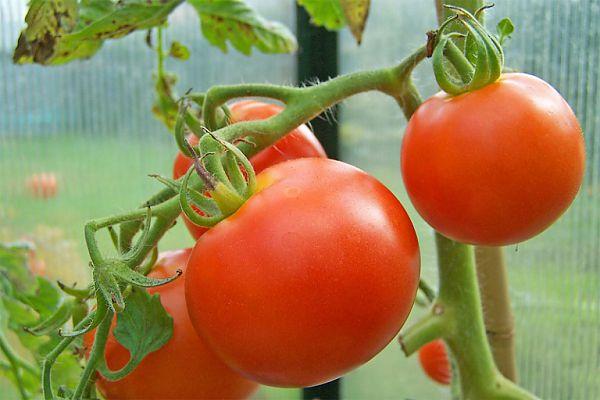
Small tomatoes—cherry, cocktail, or plum—are best for sun-drying. They should be ripe, firm, and fleshy.
Wash and dry the tomatoes thoroughly, remove the stems, and cut them in half. Some recipes recommend removing the entire inside, including the seeds and membranes, leaving only the walls for drying. To increase the volume of the finished product, use a teaspoon to scoop out only the seeds and liquid.
How to choose a dryer
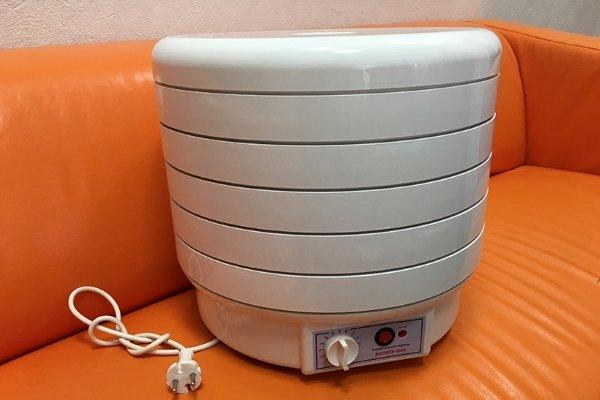
When purchasing an appliance, you should focus primarily on your needs. All dehydrators are divided into convection, which dries vegetables using heat and air, and infrared. The latter are significantly more expensive, but use lower temperatures and preserve more of the nutrients in fresh produce.
Power is an important parameter. A 350-400W unit is suitable for home use; more powerful units can handle large quantities of produce in a short time, but they consume a lot of electricity. For making a few harvests from your garden each season, a powerful dehydrator isn't necessary.
You should also pay attention to the device's control method, the number of modes, the presence of a thermostat (important!), and the volume of the trays.
For safety, modern devices are equipped with automatic shutdown after a certain period of time, protection against interruptions in electrical systems, and protection against overheating.
Preparation
First of all, you need to select all the ingredients according to the recipe, sort the tomatoes and greens, make sure of their quality, and weigh them.
Vegetables
Wash the tomatoes, dry them with paper or cloth towels, cut them into halves, and remove the pulp.
Spices
Salt, ground black pepper, and dried spices are used during the drying process. Basil, thyme, oregano, and rosemary, traditional Mediterranean ingredients, go well with tomatoes. Ground paprika, coriander, and celery root are also used. A ready-made blend of ground Provencal or Italian herbs is also convenient.
Take a look Also

If you plan to store sun-dried tomatoes in jars with oil filling, you can add fresh garlic and basil. For dry preservation, use garlic powder.
The process of drying tomatoes for the winter
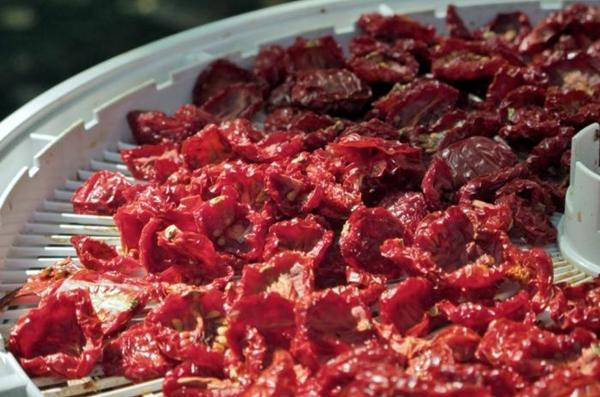
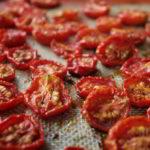
The sliced tomatoes are laid out cut-side up on the drying trays. Another advantage of this technique is that no foil, parchment, or other material is required for drying. The tomato slices are salted and seasoned according to the recipe. There should be space between them to allow air circulation. The required temperature is 70-80 degrees Celsius (165-175 degrees Fahrenheit). Drying time is 6 hours.
The key to the drying process is removing the tomatoes at the right time. Cooking time depends on the moisture content of the fresh tomatoes, the size of the slices, and the specific features of your dehydrator. After 6 hours, open the appliance and inspect the tomatoes, remove any that are ready, and continue drying for another 2-3 hours. The finished slice should be elastic but not moist, neither crispy nor overdried. There should be no indentation in the pulp when pressed.
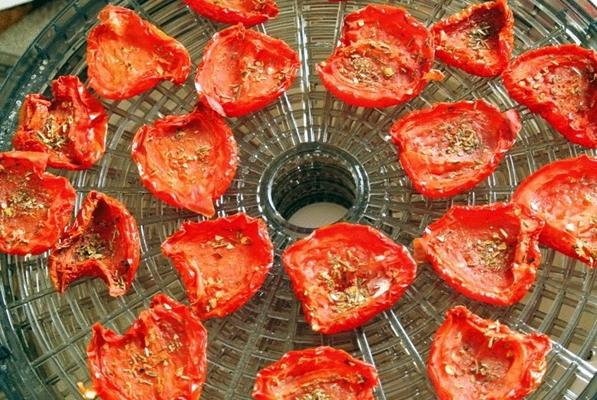
It is especially important to choose the right time so that prepare sun-dried tomatoes Without marinating. The oily liquid has preservative properties, and dry slices are more susceptible to mold if not dried thoroughly. Over-dried tomatoes will be tasteless.
If you are drying tomatoes in the appliance on several trays, it is recommended to change their positions every 2-3 hours, as heating at different levels may be uneven.
Always read the instructions for your electric dehydrator and take its specific features into account, as the recipes are designed for a typical unit. Specific models may have their own nuances!
Preparing the filling and placing it in the jar
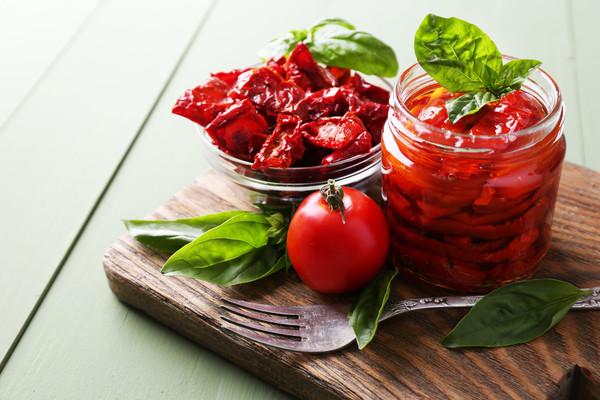
Allow the dried tomatoes to cool and place them in sterilized jars. Small containers of 300-500 ml are ideal. Pack the slices tightly, layering them with thinly sliced garlic, basil, and a sprig of rosemary (one per jar), if desired.
Fill the jars to the top with oil. Olive oil is traditionally used, but sunflower oil, which is less expensive, works just as well. Seal the jars with nylon or screw-on lids and store in a cool place. After 3-4 weeks, the tomatoes will have marinated and are ready to eat.
Sun-dried tomatoes in marinade have a wide range of uses in home cooking. They're delicious on their own, as an appetizer, or as a sandwich topping. They can also be used in salads and main courses. The aromatic oil isn't wasted; it also works well as a dressing for many dishes.
Further storage
Jars of sun-dried tomatoes in oil should be stored in the refrigerator or cellar at a temperature no higher than 5°C (41°F). Well-dried tomatoes, without fresh garlic, can be stored for up to six months at room temperature, away from direct light.
Store the slices, unoiled, in airtight containers in the refrigerator. They can be soaked briefly in water before eating. This mixture can also be blended into a powder suitable for soups, risottos, and pilafs.
The shelf life, regardless of the method of preservation, is 8 months. Once opened, remove tomatoes only with a clean, dry spoon or fork.
Related posts:
 Description of the best varieties of black tomatoes for open ground and greenhouses
 15 simple recipes for pickling tomatoes in jars for the winter
 16 Best Quick Pickled Tomato Recipes for the Winter
 How to make marinated tomatoes in jars for the winter using a Bulgarian recipe
 TOP 20 step-by-step recipes for sun-dried tomatoes at home for the winter
 How to make pickled tomatoes without skins for the winter, quick pickling recipes
 TOP 17 recipes for pickled sweet tomatoes for the winter
 The 14 Best Tomato and Aspirin Recipes for a 3-liter Jar for the Winter