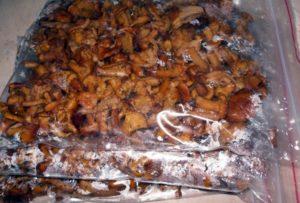
Mushrooms contain a lot of valuable protein, and they rightfully occupy a place in cuisines around the world. There are several cooking methods: boiling, frying, freezing, salting, and pickling. This article will cover how to freeze and store porcini mushrooms.
Why should you freeze porcini mushrooms?
Freezing is used to preserve the properties of mushrooms and keep them for as long as possible. All known species can be frozen this way—birch boletes, aspen boletes, chanterelles, boletuses, and porcini mushrooms. Industrial freezing is used to extend the shelf life of oyster mushrooms and button mushrooms, but homemade frozen mushrooms will have a significantly better flavor.
Important: Frozen mushrooms are a long-term reserve for making delicious soups, stir-fries, and winter salads. Just be sure to carefully sort your harvest before processing, removing any spoiled, stale, or overly moist stems and caps.
The porcini mushroom is prized by connoisseurs for its delicate and rich flavor; its protein-rich fleshy parts rival meat in energy value. Properly preserving this treasure, such as freezing it, allows you to enjoy this delicious and nutritious delicacy for a long time.
Selecting and preparing mushrooms before freezing
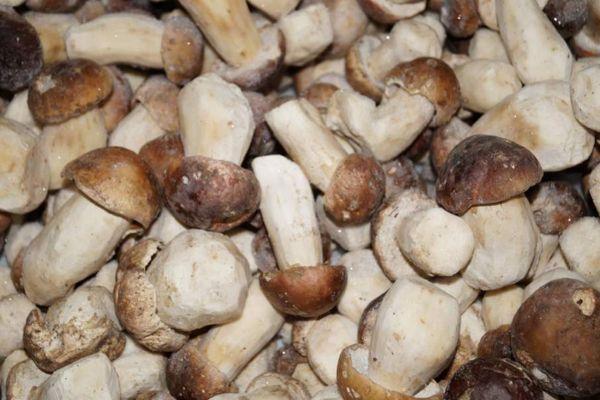
Experienced cooks place special emphasis on preparing mushrooms for long-term storage. This will determine whether they'll last long enough in their original state or whether the whole freezing venture will end in failure. So, for storing mushrooms in the freezer, you'll need:
- fresh;
- strong;
- clean;
- with minimal liquid content.
If you use mushrooms that are two or more days old, they will spoil almost immediately after defrosting. The same applies to caps and stems that have been heavily soaked in water and have absorbed moisture. It's essential to clean the mushrooms' surfaces before cold packaging, removing any debris, twigs, or damaged areas. Whole, firm, and fresh mushrooms will retain their flavor for a long time, while "old," bruised mushrooms will immediately lose their shape after thawing and will look very unappetizing and gray.
Methods for freezing porcini mushrooms for the winter
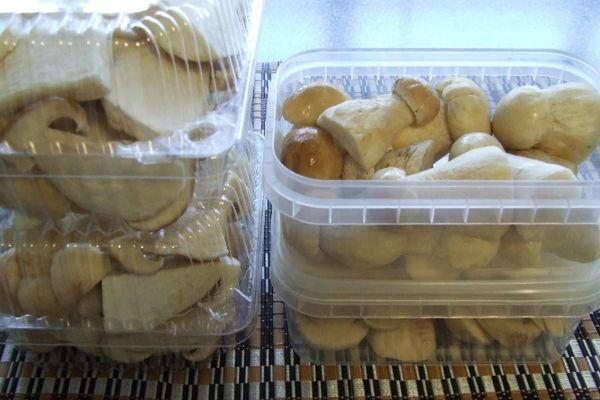
There are several classic ways to freeze porcini mushrooms, and the recipes are quite simple: either chilling them raw or after pre-boiling. The choice of method is entirely up to you.
"Raw" saves time on processing for direct freezing, "cooked" allows you to quickly prepare a dish from a semi-finished product - soup or roast.
Under no circumstances should you mix different mushrooms. Firstly, each type has its own structure: some mushrooms have a strong stem and a loose cap, others are very delicate and quickly lose their marketable appearance if handled carelessly, and others are different.
Secondly, such a "hodgepodge" will affect the taste of the product - you will get some kind of average mushroom, similar to everything at once, as if it was taken from the farthest refrigerator of an ordinary supermarket.
This product has no more merit than a hastily purchased block of frozen champignons with an indeterminate flavor. Our goal is to fully preserve all the nuances of the porcini mushroom's exquisite flavor.
Raw
This method allows for the maximum preservation of the mushroom's flavor and its original form. Fresh, firm, worm-free, and clean mushrooms are essential, so the sorting process is meticulous. Any damaged, watery, or overly soft stems or caps are ruthlessly discarded—they are not suitable for freezing.
Next, process the mushrooms whole or, after cutting them, into slices—whichever is more convenient. For freezing, use zip-lock bags made of thick polyethylene: they keep the contents secure and are easy to open.
Boiled
This method requires mandatory heat treatment. It's also used when unsure (or wary) of raw mushrooms, although all mushroom pickers and cooks unanimously say: if you don't know whether your find is edible, it's best not to pick it. This method is well suited for preserving "substandard" mushrooms: broken caps, damaged (but not rotten) stems, and small mushrooms.
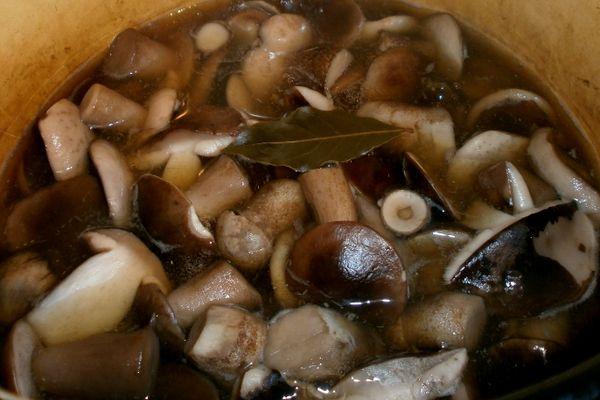
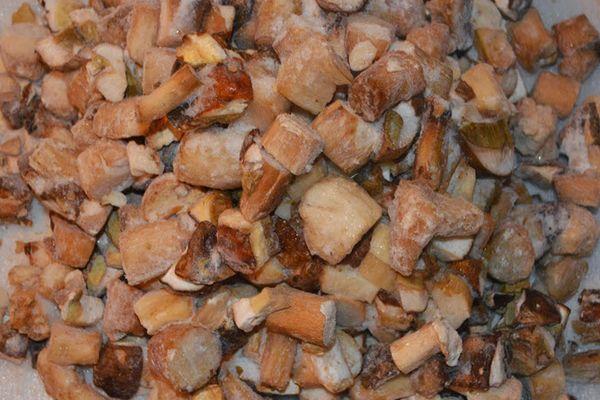
Boil the product for no more than 5 minutes before freezing, after slicing or dicing. Immediately add to boiling water, then let cool, strain, drain in a colander, and then place in a refrigerated bag. You can use one large bag or several small ones—whichever is more convenient, but the latter is preferable.
A small portion is used immediately, and can easily be used to make a pie or soup, but an opened package of a larger volume will then have to be re-frozen, which is not very good.
Stewed
Another way to reduce the time spent preparing a ready-made dish: sort, clean, and wash the mushrooms, cut them into small pieces, then fry them over low heat in vegetable oil (for no more than 20 minutes). Another method is to simmer them in the oven on a baking sheet in their own juices—this better preserves the piquant, slightly sweet flavor of the mycelium. Once completely cooled, place the mushrooms in bags and freeze.
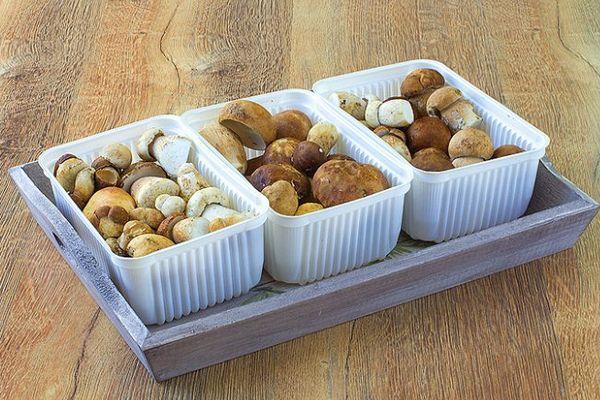
Fried in the freezer
One of the most well-known preserving methods, familiar to every experienced home cook, is to fry the mushrooms in vegetable or butter, then place them in suitable glass jars and cover them with the resulting juice. Frying in lard is also possible, depending on personal taste preference. Thermally processed mushrooms, coated in lard, can be stored for quite a long time, retaining all their flavor.
Freezing broth
A simple method for the lazy and those who value homemade products over store-bought semi-finished products. Prepared (cleaned and sliced) mushrooms are boiled with spices or simply cooked. The finished broth can be preserved in several ways:
- In glass jars.
- Food containers.
- In regular packaging bags.
- Divided into cubes.
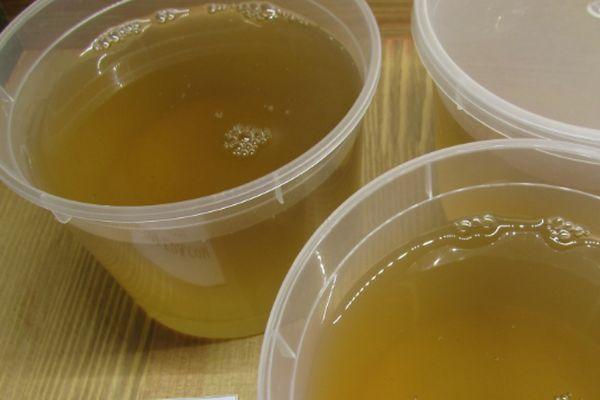
Any of the methods listed will allow you to quickly prepare a hearty lunch or dinner using pre-frozen, rich mushroom broth.
How long can they be stored?
A reasonable question that arises among lovers of home-made preserves: How long do frozen mushrooms last? And what about semi-finished products made from them? If you follow the above conditions (mushrooms are firm and fresh, undamaged, and free of wormholes and rot), the product will keep in the freezer for up to a year. But to ensure this, remember a few simple rules.
Important: The lower the temperature, the longer the shelf life (the longest shelf life is achieved at -18°C), and mushrooms removed from the refrigerator should be used immediately without any residue—refreezing is not permitted.
How to defrost mushrooms properly?
Freezing and packaging raw, boiled, or fried mushrooms is only half the battle. They also need to be defrosted properly. To ensure frozen products retain their flavor and don't lose it within a few minutes, it's recommended to transfer them from the freezer to the refrigerator before cooking. This intermediate defrosting will allow the semi-finished product to gradually warm up, preserving its color and flavor.
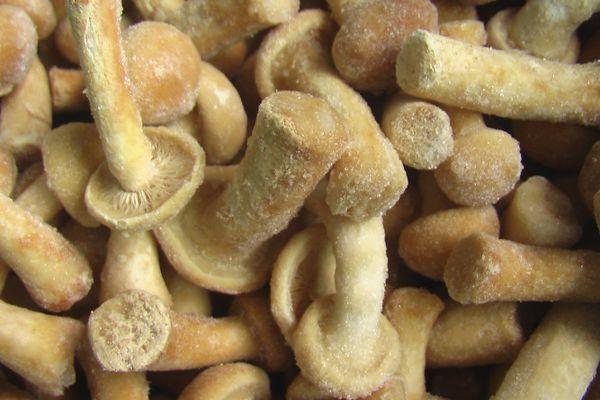
The forced defrosting method favored by some housewives in the microwave or oven is actually harmful, not beneficial: instead of fragrant, delicious mushrooms that tasted like they were picked yesterday in the forest, you'll end up with an unappetizing, grayish mess that's too scary to eat.
Carefully selected, carefully cleaned, and properly frozen mushrooms (raw, cooked, or stewed) will retain their delicate, unique flavor for a long time, making them ideal for soups, stews, or cold appetizers. This is crucial for the royal porcini mushroom—a recognized favorite among boletus, russula, and butter mushrooms.
Related posts:
 Is it possible to freeze mushrooms for the winter in the refrigerator, and how to do it correctly at home?
 Simple step-by-step recipes for making pickled porcini mushrooms for the winter at home
 Simple recipes for pickling mushrooms hot and cold at home for the winter
 The best recipes for preparing cold and hot salted russula mushrooms for the winter at home
 25 simple recipes for pickled mushrooms for the winter
 How to properly marinate milk mushrooms in jars, recipes for winter preparation
 Step-by-step recipes for making pickled boletus mushrooms for the winter at home
 Step-by-step recipes for making pickled saffron milk caps for the winter at home