
- Which mushrooms are suitable for pickling?
- Is it possible to pickle mushrooms in a plastic container?
- Preparatory stage of salting
- Sorting
- Cleaning
- Slicing
- Soaking
- Methods of salting mushrooms
- Quick pickling
- Hot method
- Cold method
- Dry salting
- In a barrel
- Without vinegar
- Pickling frozen mushrooms
- Recipes for pickling mushrooms at home
- Milk mushrooms
- Chanterelles
- Honey mushrooms
- Oyster mushrooms
- Butterlets
- Porcini mushrooms
- Chanterelles
- Bulls
- Piglets
- Volnushki
- Cowsheds
- Storing salted mushrooms
For fans of "silent hunting," autumn is primarily associated with forests, clean air, and the chance to reap a bountiful harvest. They know numerous ways to preserve their catch, how to pickle a wide variety of mushrooms, creating a delicious winter food supply. Later, family, friends, and acquaintances will enjoy this delicacy.
Which mushrooms are suitable for pickling?
Only mushrooms growing deep in the forest are suitable for pickling, as well as for eating in general. It's best to leave mushrooms growing near roads, as their porous structure allows them to absorb, like a sponge, toxins and heavy metals caused by high levels of exhaust fumes.
It's also best to leave oversized, visibly aging mushrooms, whose caps are full of wormholes, to feed forest creatures. After cleaning, there's almost nothing left—it's best to look for a newly sprouted colony. It's recommended to search early in the morning, around 5 a.m.; harvested at this time, they'll retain their firmness and will keep longer.
Is it possible to pickle mushrooms in a plastic container?
Using plastic containers for pickling is highly discouraged. However, if you need to pick mushrooms immediately and have no other available container, you can use barrels or containers designed for hot and cold foods. The walls of such containers will withstand the aggressive environment of a strong brine for some time.
Then, after the salting process is complete, the supplies need to be transferred to a wooden, enamel or glass container.
Preparatory stage of salting
When you get home, schedule the treatment so it begins throughout the day, ideally right away. If you have urgent matters to attend to, it's recommended to soak the mushrooms in cool water. This will extend their shelf life by 10-12 hours, no more. If left alone until evening, the harvest will begin to dry out, activating the worms.
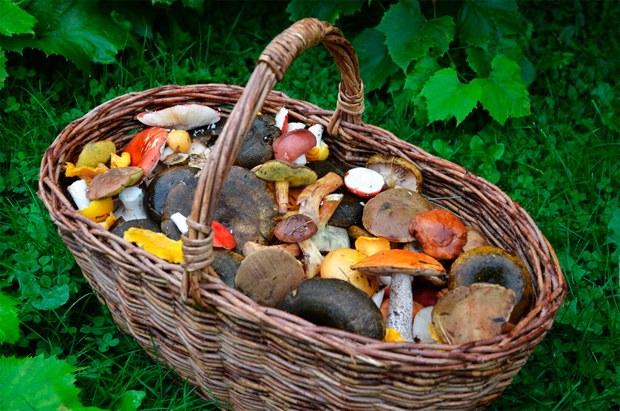
Sorting
The first stage of work is sorting, during which:
- mushrooms are divided into types;
- suspicious specimens are discarded;
- spoiled ones are selected;
- leaves and broken branches are removed.
If you're short on forest produce, you can pickle a unique assortment, choosing the most suitable recipe.
Cleaning
Treatment is impossible without a second step—cleaning off any stuck-on dirt or slimy coating on the caps of some species. For this, simply use water, preferably running water. Stagnant water will need to be changed until it's completely clear. Saffron milk caps require the least amount of cleaning time; sometimes, simply wiping them off is sufficient.
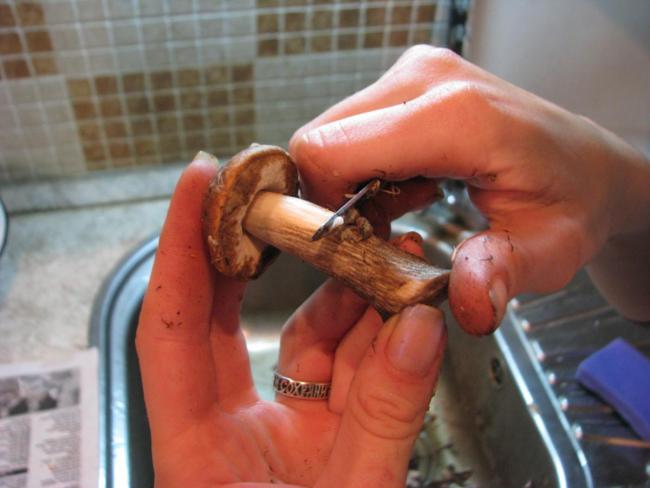
Slicing
Cleaned mushrooms should be chopped, especially larger specimens. The pieces should be at least approximately the same size to ensure the resulting pickle has a consistent, excellent flavor. First, cut off the stems 5 millimeters from the bottom of the cap; then, if desired, chop the remaining pieces further.
Soaking
A significant number of mushrooms have a bitter taste, which can be removed by soaking them in a container of cool water for varying periods of time.
For example:
- Milk mushrooms – about 5 days.
- Volnushki – 3 days.
- Milk mushrooms – 2 days.
- Bittersweet – 4 days.
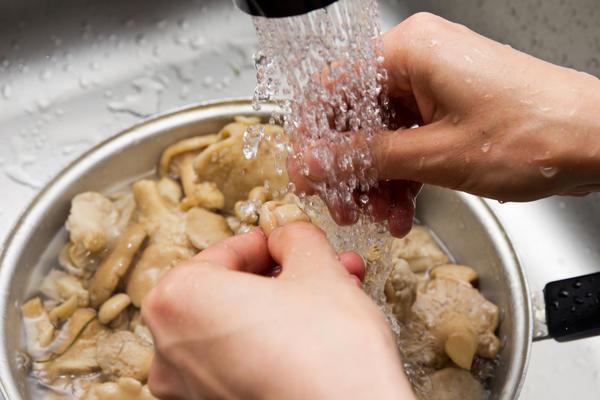
The water used for soaking should be changed twice daily. However, porcini mushrooms, russula, and saffron milk caps do not require debittering. They are immersed in salted water for a short time, just enough to allow any remaining worms to float to the surface.
Methods of salting mushrooms
Due to its simplicity, pickling mushrooms is popular, which has given rise to a variety of methods. These include quick, hot, cold, and dry pickling. Recipes have been created for this type of processing not only fresh but also frozen mushrooms.
Quick pickling
For quick pickling, jars are primarily used, as their individual portions simplify storage. The method is simple and accessible: place the caps, then the stems, at the bottom of the container and sprinkle them generously with salt. Once the liquid turns brown, the delicacy is ready to eat.
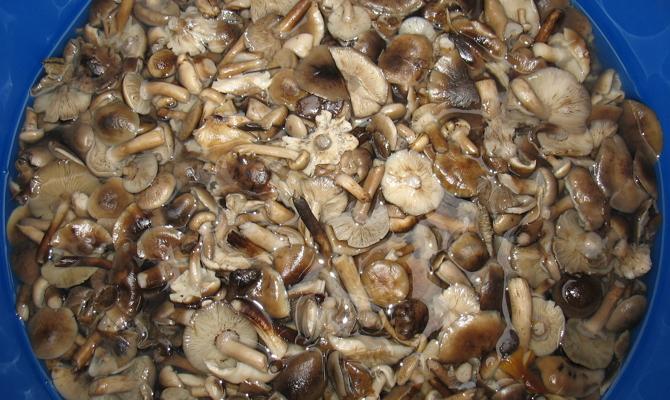
Quick salting is not used for long-term storage, but the method is excellent for creating a delicacy in the shortest possible time.
Hot method
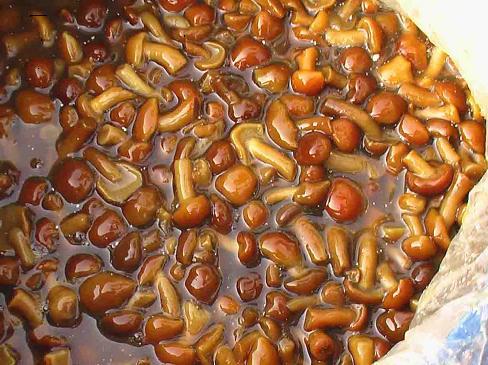
The hot method is also simple, requiring little effort. Prepare an enamel saucepan, add half a glass of salted water per kilogram of mushrooms, and add the spices. Cook, stirring frequently, for 10-25 minutes. Once the mushrooms begin to settle and the brine becomes clear, turn off the heat. Hot-prepared delicacies are ready for consumption only after 40-45 days.
Cold method
Mushrooms that don't require pre-boiling can be cold-salted. After soaking, the raw caps are placed in alternating layers no thicker than 5-6 centimeters with salt in a barrel or large pot.
To improve the taste, the following are also used:
- dill umbrellas;
- cherry leaves;
- currant branches;
- caraway seeds.
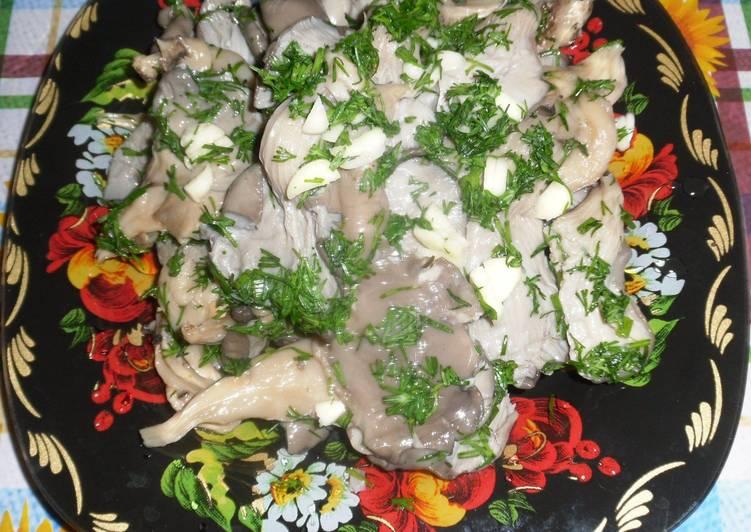
A weight is placed on top, the dishes are covered with natural fabric and taken out to the utility room.
Dry salting
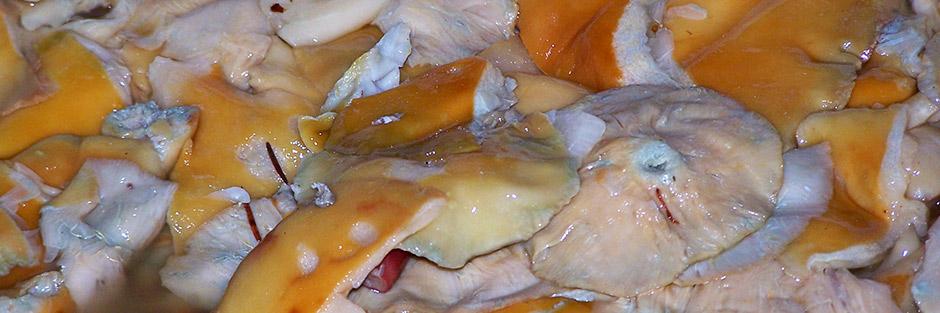
The dry salting method is primarily suitable for russula, saffron milk caps, and sometimes russula. The mushrooms are placed in a barrel, sprinkled with coarse salt, and pressed down with a weight. The released juice should be sufficient to cover the mushrooms. Do not add water; the product, with its own piquant flavor, does not require aromatic herbs or spices. It is not recommended to use iodized salt for stockpiling, as it quickly causes the mushrooms to sour.
In a barrel
Mushrooms are salted in a wooden barrel, or even better, made of oak, using a weight. However, beforehand, the container must be prepared by tarring it and then checking the quality of the work by filling it with water.
Liquid should not leak through cracks. The barrel must also be sterilized by brushing, rinsing with boiling water, or fumigating with juniper.
Without vinegar
Preferring to use a minimum of auxiliary ingredients, mushroom pickers often avoid using vinegar. Red currants can be used as a substitute, which is highly recommended for those with gastrointestinal problems and even for gourmets. Blackcurrant leaves are used for pickling, imparting a pleasant aroma and flavor.

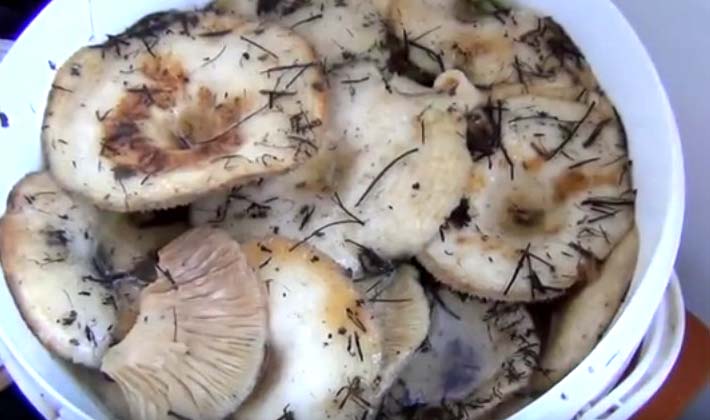
Pickling frozen mushrooms
Since mushrooms are frozen only after they're fully prepared, pickling them becomes very simple. This method is often used when freezer space is needed, or for a holiday. Defrost naturally, without additional heating. Once they've drained, you can begin layering them (with salt and spices) into glass jars. Products of this type should be used within 2-3 weeks.
Recipes for pickling mushrooms at home
The correct method for salting mushrooms depends on the type. This will enhance the flavor and extend the shelf life of the product.
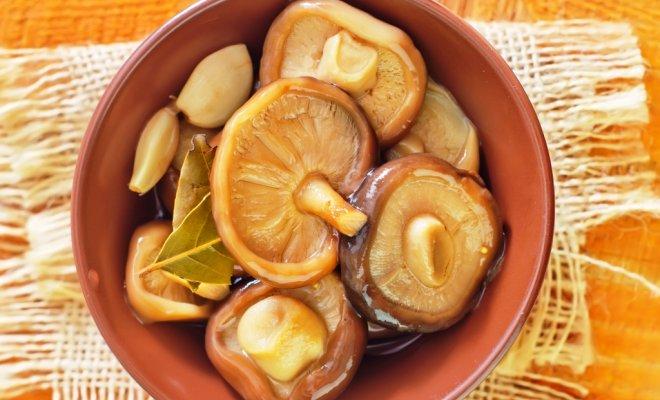
Milk mushrooms
To salt 1 kilogram of breasts using the cold method, you will need several ingredients:
- 80-100 grams of salt;
- 3-4 dill umbrellas;
- 5 black peppercorns and the same amount of allspice;
- 3-4 cloves of garlic.
You can also add a bay leaf, depending on your taste. The spruce mushrooms are placed in a container with salt already at the bottom. Once filled, the container is refrigerated for 3.5-4 weeks.
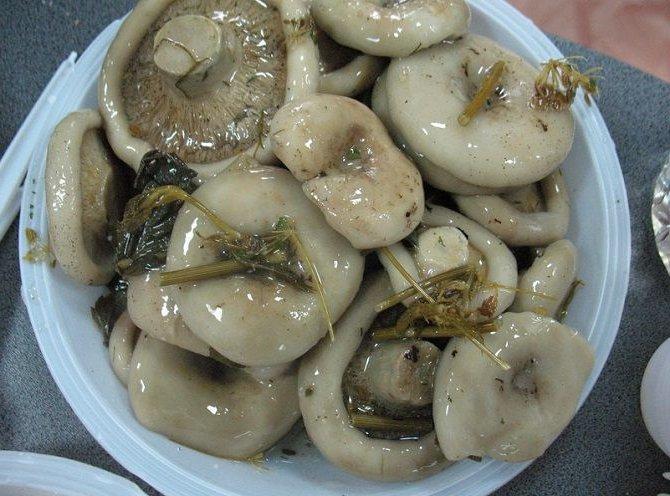
Chanterelles
Preparing saffron milk caps involves cleaning and removing the stems, as only the caps are used for pickling. For every kilogram of mushrooms, you'll need salt and at least 5-7 cloves of garlic. Soak the caps in water for just 5-10 minutes, then rinse them with boiling water and place them in a colander.
While the mixture is draining, finely chop the garlic. Finally, mix the ingredients, place them in a container, and seal tightly. Salted saffron milk caps stored in a cool place.
Honey mushrooms
For pickling honey mushrooms You'll need a standard set of spices and other ingredients to suit your taste: black pepper, bay leaf, dill sprigs, and black currants. Cleaned mushrooms should be soaked in salted water, then tightly packed in layers into a saucepan and pressed down with a weight. Let the mushrooms sit for 4-5 days, after which time the resulting liquid should be discarded.

Oyster mushrooms
Preparing oyster mushrooms isn't much different from preparing saffron milk caps or honey mushrooms. You'll also need to remove the tough stems and wash the healthy caps. Blanch the mushrooms for about 6-7 minutes.
During this time, the brine is re-prepared, and spices, all ingredients, and salt are added. After cooking, the brine is strained, boiled again, and used to fill the jars with the mushrooms already in place. The prepared mixture can be included in the diet after 5-6 days.
Butterlets
If the sticky layer on the boletus cap isn't removed, the finished product will taste unpleasant. Since water only makes this mushroom swell, it's best to dry it a bit before processing, and only then begin peeling it using a cloth or knife.
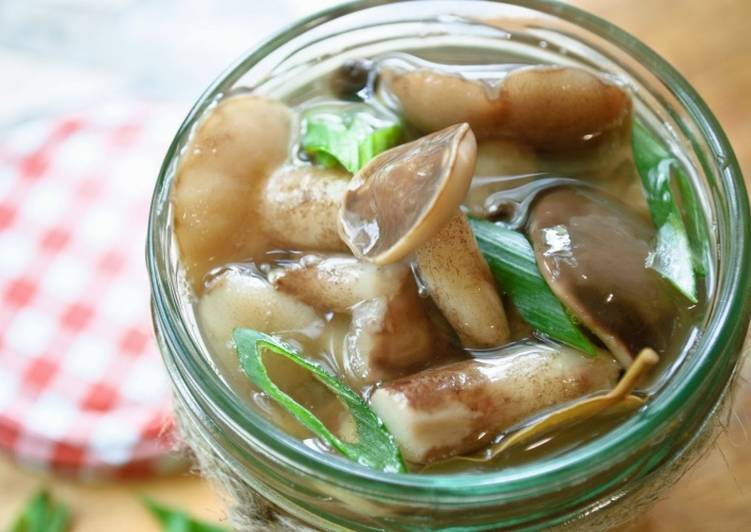
Butterlets are salted as follows:
- Boil for 20 minutes.
- Allow to drain using a colander.
- They are placed in layers in a barrel.
- Press down with a weight for 1-2 days.
Then the mushrooms can be transferred to a glass container, covered with brine, and sealed. The product is ready for consumption in three weeks.
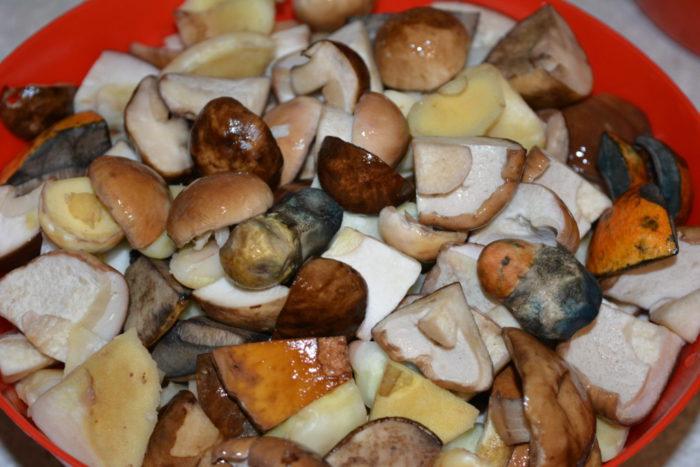
Porcini mushrooms
White mushrooms for pickling They can be used whole or sliced. For the brine, you'll need a standard set of ingredients: currant leaves, salt, black pepper, dill sprigs, and garlic. Add the mushrooms to boiling water and simmer for 25-30 minutes. During this time, stir them frequently and carefully skim off any foam that forms. Then, place the mushrooms in jars, pour the brine over them, and seal.
Chanterelles
Chanterelles retain their flavor and aroma well after cold pickling, which is prepared by soaking them for 24 hours. The brine should be tart and salty, so a little citric acid is added to the water. Chanterelles are placed in jars in layers; a little vegetable oil is often poured on top of the pickled mushrooms to enhance the flavor.
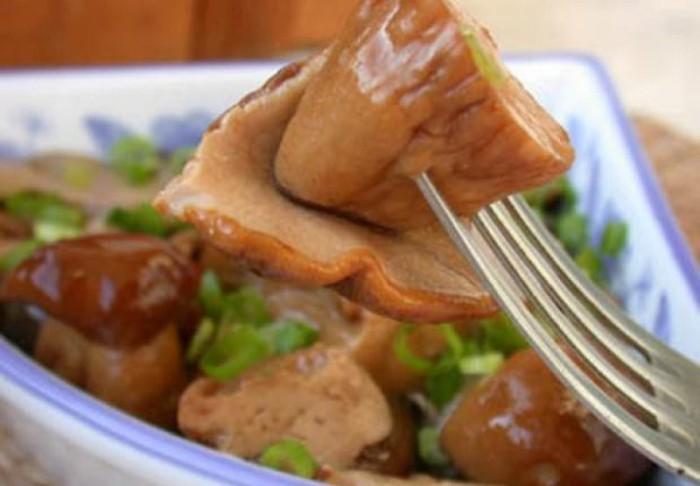
Bulls
The slightly bitter taste of the gobies is a signal that they need to be soaked before being prepared for winter. This process takes several days, during which the water must be changed. After some time, the mushrooms can be boiled for 20-25 minutes, cooled, and transferred in layers into jars. The salting is added at the end, just before sealing the jars with lids.
Piglets
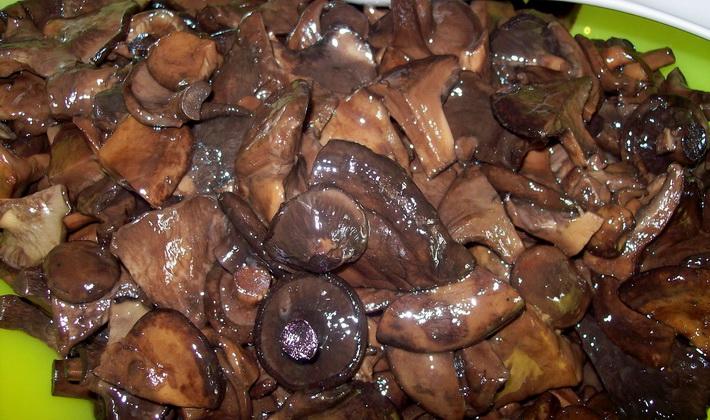
Due to several preparatory steps, working with pig mushrooms will require some patience. After soaking for 24 hours, the mushrooms need to:
- boil for 6-7 minutes;
- rinse;
- boil again for 25-30 minutes;
- rinse again.
Now the prepared mushrooms are transferred to salted water, where they soak for 35 minutes. Then, the mushrooms are placed in jars, covered with salt, and pressed down with a weight. These mushrooms are salted until fully cooked, for at least 1.5 months.
Volnushki
Salting the tremors The curing process lasts 1.5-2 months, and during this time, they need to be stored at a temperature of 0-10 degrees Celsius. Soaking the mushrooms takes 2.5-3 days. Otherwise, cold curing doesn't have any special nuances.
Cowsheds
The soaking time for the mushrooms is limited to three days, after which they can be boiled (30 minutes) and drained. The brine for jarring is prepared separately and used only after the mushrooms have been added, after which they have been boiled.
Storing salted mushrooms
It's recommended to store mushroom stock in a cool place, otherwise the product will spoil, mold, and "run away." In some cases, it can still be saved, but the flavor will inevitably suffer from such manipulation.If pickles are kept in suitable conditions, they remain good until spring. After the new mushroom season begins, it is not recommended to include expired products in your diet.
Related posts:
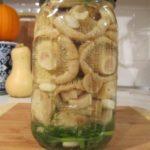 The best recipes for preparing cold and hot salted russula mushrooms for the winter at home
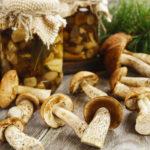 Simple step-by-step recipes for making pickled porcini mushrooms for the winter at home
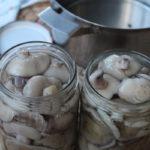 Step-by-step recipes for preparing salted butter mushrooms for the winter using cold and hot methods in jars
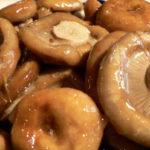 Delicious recipes for pickling milk mushrooms at home using both cold and hot methods.
 Is it possible to freeze mushrooms for the winter in the refrigerator, and how to do it correctly at home?
 Simple recipes for pickling milk mushrooms at home using cold and hot methods for the winter, and storage rules
 How to properly marinate milk mushrooms in jars, recipes for winter preparation
 25 simple recipes for pickled mushrooms for the winter