
- Why do you need to freeze mushrooms?
- Advantages and disadvantages of freezing
- Mushrooms suitable for freezing
- How to choose and prepare mushrooms correctly
- Utensils needed for freezing
- Preparing the refrigerator
- Methods of freezing at home
- Raw mushrooms
- Salty
- Boiled
- Blanched
- Stewed
- Fried
- Mushrooms with broth
- Baked
- What temperature is required for freezing?
- Shelf life and storage rules for frozen products
- How to properly defrost mushrooms
Mushrooms are a valuable source of protein, dietary fiber, vitamins, and essential amino acids. They have a beneficial effect on the cardiovascular and nervous systems, boost the immune system, and promote wound healing and recovery from illness. And, of course, they're simply a delicious food that can be used to create countless wonderful dishes. These unique gifts of nature are preserved for the winter in a variety of ways. How to properly freeze mushrooms will be discussed below.
Why do you need to freeze mushrooms?
Freezing is the most optimal method for preserving food for a long period. No more than 20% of the nutrients are lost during this process. If all the rules are followed, mushrooms can be preserved from summer for over 12 months. Preserving them yourself allows you to significantly reduce your winter expenses, as they sell for several times more at this time than during the peak growing and harvesting season.
Advantages and disadvantages of freezing
Freezing is an ancient method of food preservation. It has long been observed that exposure to cold extends the shelf life of foods while leaving their appearance and taste virtually unchanged.
The positive aspects of deep freezing include:
- Fast and easy processing.
- Minor loss of raw material weight.
- Preservation of taste, aroma, color and shape.
- Unlimited cooking possibilities after defrosting.
- Minor loss of nutritional value.
Of course, there are some negative aspects:
- High energy intensity.
- The need for significant space for accommodation.
- Maintain a constant temperature. Repeated defrosting is strictly prohibited.
Mushrooms suitable for freezing
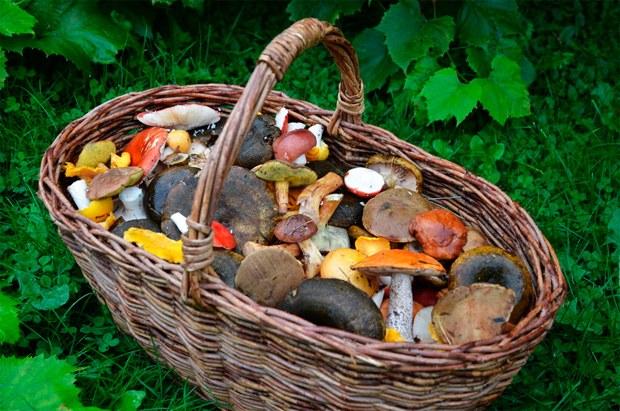
All mushrooms can be frozen, but not all can be preserved raw. Based on their structure, they are divided into marsupial, lamellar, and tubular mushrooms. The latter can be frozen without prior cooking. Of the lamellar mushrooms, only oyster mushrooms and button mushrooms are preserved fresh. The rest are cooked first and only then frozen as semi-finished products.

How to choose and prepare mushrooms correctly
Only young, fresh, and undamaged specimens are suitable for cold preservation. Processing should be done within 24 hours of harvesting. Old, overripe specimens undergo active protein breakdown, which is comparable to rotting.
The waste products of worms and larvae are toxic to humans. Infected mushrooms are not recommended for consumption, much less canning. Improper preparation can lead to severe poisoning.
The raw materials must be sorted, cleaned of debris, and any unsuitable ones—sluggish, wrinkled, or wormy ones—discarded. Then they must be washed and dried. Removing water prevents the products from freezing. Large specimens should be sliced; smaller ones can be preserved whole. The skins of butter mushrooms must be removed.
Utensils needed for freezing
Frozen mushrooms are stored in food-grade plastic containers or bags. Bags are preferred, as they save space and allow for more compact packing. If you decide to use containers, choose square or rectangular ones to ensure compact storage in the freezer.
To preserve flavor and aroma, containers should be filled to eliminate as much air as possible. Vacuum-sealed containers are recommended. Air can be squeezed out of plastic bags by hand. Airtight packaging prevents unwanted drying and odor transfer when mixed products are placed next to each other.
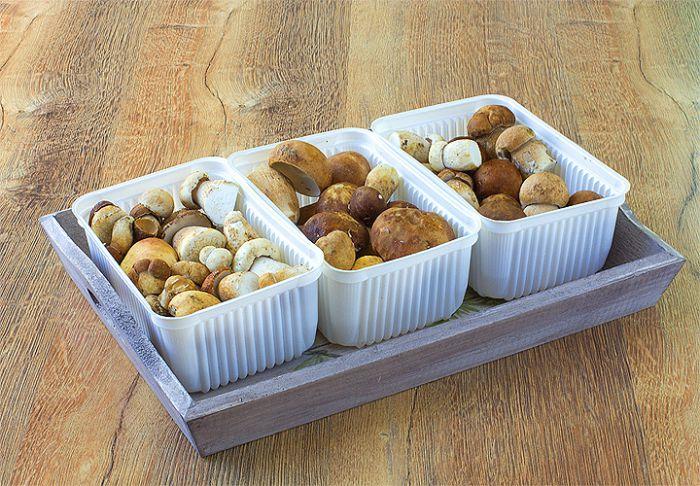 Mushrooms should be frozen in small portions, to be consumed shortly after thawing. If for any reason the mushrooms are not cooked within 24 hours of being removed from the freezer, they should be discarded; otherwise, they can cause serious food poisoning.
Preparing the refrigerator
Before storing food for a long period, clean the refrigerator to remove any unpleasant odors. Select a freezer compartment away from meat, fish, and seafood. Adjust the temperature to the lowest setting 3-4 hours before storing food.
The temperature in the freezer should be -18˚C and below.
Methods of freezing at home
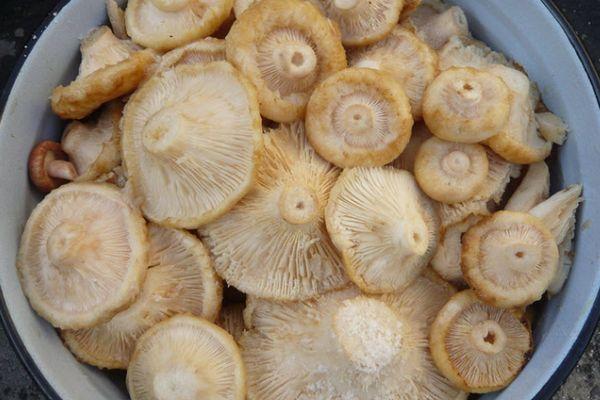
Mushrooms can be frozen raw or cooked—boiled, fried, or baked. Non-bitter mushrooms, such as aspen mushrooms, birch boletes, moss mushrooms, button mushrooms, boletus, butter mushrooms, and oyster mushrooms, can be frozen fresh. Species that produce a distinctive milky juice should be soaked in salted water and then boiled. After this, the mushrooms are removed from the water, cooled, dried, placed in prepared containers, and frozen.
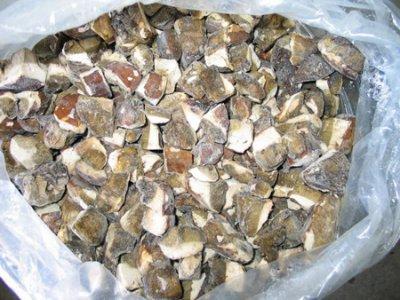
Raw mushrooms
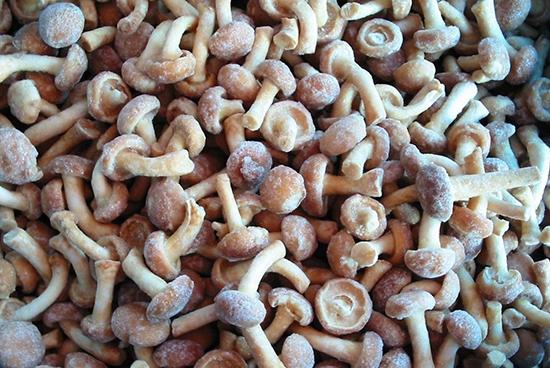
The easiest and fastest way to freeze mushrooms is to preserve them fresh and whole. After sorting, washing, and drying, they are laid out in a single layer on a small tray and placed in the freezer. Once frozen, they are placed in bags and stored in a prepared area. Mushrooms frozen this way can be used to prepare any dish. Their flavor, aroma, shape, and color are preserved during storage. They can even be pickled.
Salty
Salted mushrooms are kept in the refrigerator at a temperature of up to +5°C for no longer than 2 months. Freezing extends the shelf life to 1 year. Drain them in a colander, let the brine drain, squeeze lightly, divide into bags, and place in the freezer. As needed, defrost a portion, season with onion and vegetable oil, and enjoy.
Boiled
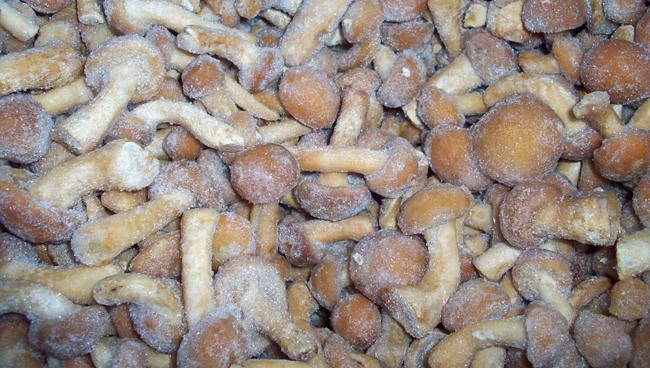
If fresh mushrooms are not in good condition—bruised or broken—they should not be frozen raw. Brief boiling in lightly salted water is intended to inhibit the growth of pathogenic microflora and extend shelf life. Cooked mushrooms shrink in volume and become soft.
You can use this recipe:
- 1 kg of mushrooms;
- 1 carrot;
- 5-6 allspice peas;
- 2 bay leaves;
- 1 clove;
- salt to taste.
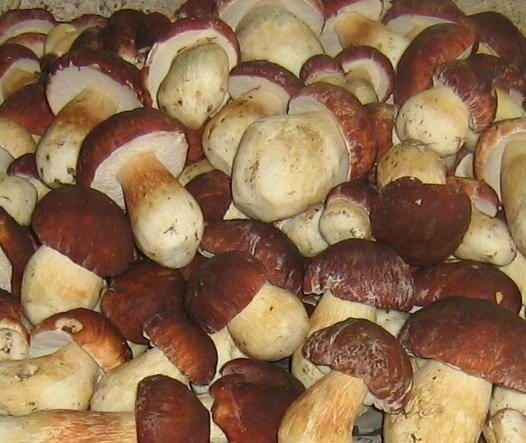
Boil all ingredients except the mushrooms until the carrots are soft. Drop the mushrooms into the boiling brine and simmer for 10 minutes, skimming off any foam. Drain, squeeze lightly, and pat dry with a towel. Package and freeze.
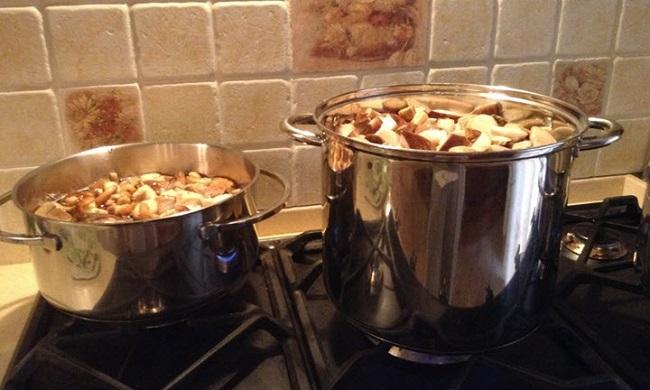
Many mushrooms are conditionally edible, have a bitter taste, or are downright poisonous when raw. These include the russula, the russula, the milk mushroom, the oak mushroom, the honey fungus, the rowan mushroom, and the morel.
Before freezing, they must be prepared in the following order:
- soak for 24 hours, changing the water several times;
- boil three times in large amounts of water (5 liters per 1 kg of raw material);
- discard the product in a colander.
After each cooking, discard the broth and rinse the mushrooms. Boiling them in salted water completely removes the bitterness, and the toxic substances are destroyed by heating to 70°C.
Blanched
Before freezing mushrooms for the winter, it's recommended to blanch them. This is the quickest cooking method, softening them slightly and making them less brittle. There are two blanching methods:
- The brine is cooked in a ratio of 20 g of salt per 1 liter of water with the addition of citric acid on the tip of a knife.
- The product is placed in a colander and immersed in boiling water for 2 minutes.
- Immerse in ice water for the same amount of time.
- The colander is placed in the sink to drain the liquid.
- The mushrooms are laid out on cloth towels to dry.
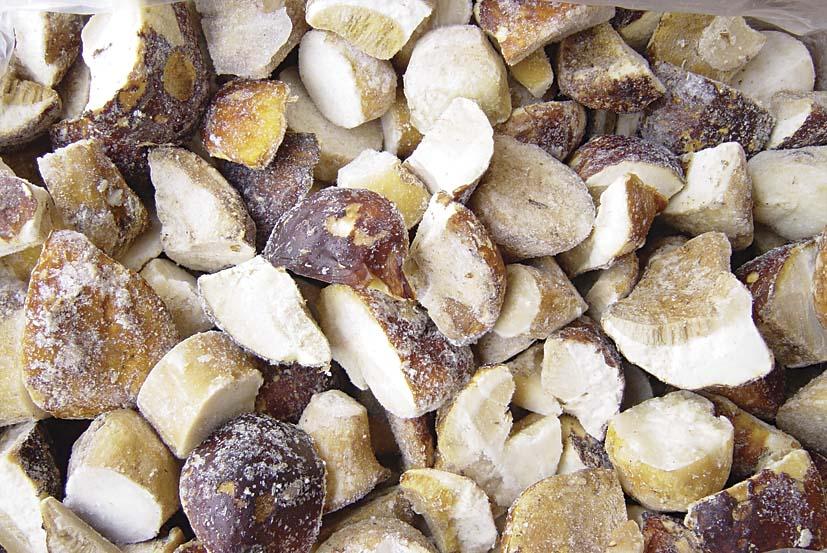
Steaming for 5 minutes is also possible. To do this, use a steamer or place a colander with the prepared ingredients over a pan of boiling water.
Stewed
If you have unexpected guests, a catastrophic lack of time, or a sudden urge to stand at the stove, there's a solution: stewed mushrooms. First, lightly boil or blanch them. Then simmer in a thick-walled pot for half an hour with onions and spices. Once all the moisture has evaporated, turn off the heat, cool, package, and place in the freezer. Here's an interesting recipe with wine, for example.
For this you will need:
- 800 g mushrooms.
- Half a glass of dry white wine.
- 1 tsp allspice.
- 100 ml vegetable oil.
- Salt, herbs.
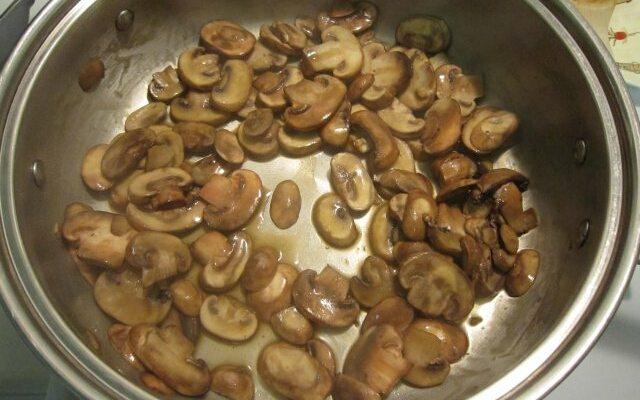
The product is sliced, simmered in a stainless steel pot for 20 minutes, and seasoned with salt. At the end of cooking, wine, pepper, and herbs are added. Bring to a boil, then cool and package.
Fried
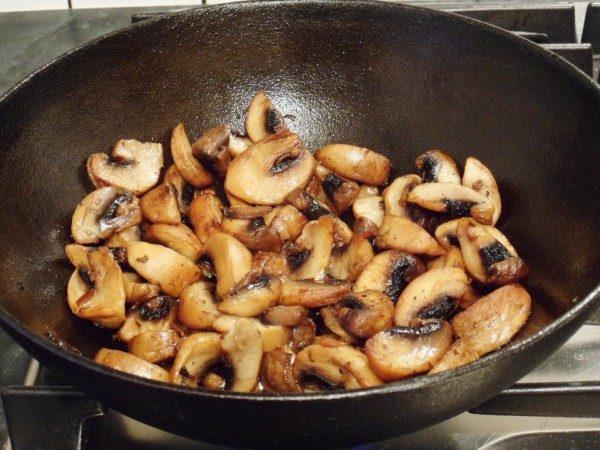
Preserving fried mushrooms is also a quick fix for any occasion. Any fat will do, but butter or vegetable oil is most commonly used. This semi-finished product will keep for 3-4 months, after which the oil will begin to taste bitter. Blanch the mushrooms, sauté over low heat until the liquid has completely evaporated, then season with salt and spices to taste. Cool, divide into individual portioned bags, and place in the freezer.
Mushrooms with broth
When cooked, sponge mushrooms produce a delicious and aromatic broth, which can also be cold-preserved. You can cook them with carrots and potatoes, season with salt and spices, and pour the mixture into freezer-safe containers. This makes an excellent semi-finished product that's ready to eat immediately after defrosting.
Mushrooms and broth are often prepared separately, placing the solid base in a bag and the liquid in a plastic container.
Baked
A semi-finished product with a vibrant flavor and aroma is obtained by baking mushrooms in the oven. To do this, line a baking sheet with foil, place whole or sliced champignons, boletus, birch boletus, or aspen boletus on it, and bake until done without adding oil. This will cause them to dry out slightly and require further cooking after defrosting.
What temperature is required for freezing?
It's recommended to freeze mushrooms at temperatures of -18°C or below. It's important that the freezing process occurs as quickly as possible. Slow freezing causes the liquid inside the mushroom tissue to form large crystals, which will rupture the cells. This will negatively impact the quality of the defrosted product. To ensure rapid freezing to the full depth, place the mushrooms in small portions, leaving gaps for cold air circulation.
It is essential to leave notes on the packaging indicating the date of storage.
Shelf life and storage rules for frozen products
The shelf life of mushrooms in the freezer depends on the temperature:
- from -20 to -18 ˚С the preparations are stored for up to 12 months;
- from -18 to -14 ˚С the shelf life is reduced to 4-6 months;
- at temperatures up to -12 ˚С it can be stored for no more than 3-4 months.
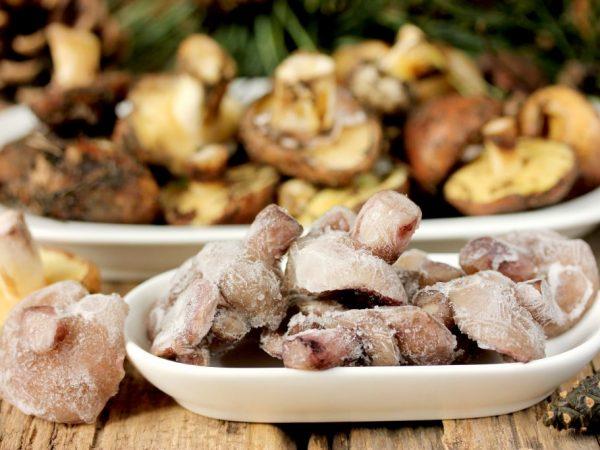
Frozen products should be kept at a constant temperature; -18°C is ideal. Thawing is permitted only once; refreezing is prohibited.
How to properly defrost mushrooms
Defrosting is a slow process. Raw mushrooms can be defrosted in the refrigerator for 24 hours or at room temperature for about 3 hours. Frozen mushrooms, after stewing, boiling, or frying, can be defrosted in the microwave using the appropriate setting in several batches, with breaks. When doing this, set the weight to half the required amount, leaving 10 minutes between each defrosting step. This will ensure a more even heating effect. You can also cook mushrooms without defrosting by placing them in a saucepan of water and immediately over the stove.
Freezing halts all biochemical processes that cause food spoilage—the growth of bacteria, mold, and yeast. These invisible companions of any food don't die at subzero temperatures and will continue to thrive after defrosting. Therefore, it's essential to minimize the time food is exposed to the open air before cooking and eating.
Related posts:
 Simple step-by-step recipes for making pickled porcini mushrooms for the winter at home
 The best recipes for preparing cold and hot salted russula mushrooms for the winter at home
 How to properly marinate milk mushrooms in jars, recipes for winter preparation
 25 simple recipes for pickled mushrooms for the winter
 Simple recipes for pickling mushrooms hot and cold at home for the winter
 Step-by-step recipes for making pickled saffron milk caps for the winter at home
 TOP 40 Hot Dish Recipes for New Year 2020: What to Cook
 Simple recipes for pickling milk mushrooms at home using cold and hot methods for the winter, and storage rules