Gardeners who grow their own produce often face the challenge of preserving some of their harvest for the winter. While this may seem like a no-brainer, it does raise the question: How to properly freeze squash or other vegetables for the winterIn this case, it is necessary to carefully consider the freezing procedure for this crop variety, as well as subsequent defrosting methods, to ensure the fruits retain their nutritional content and vitamins.
Is freezing allowed?
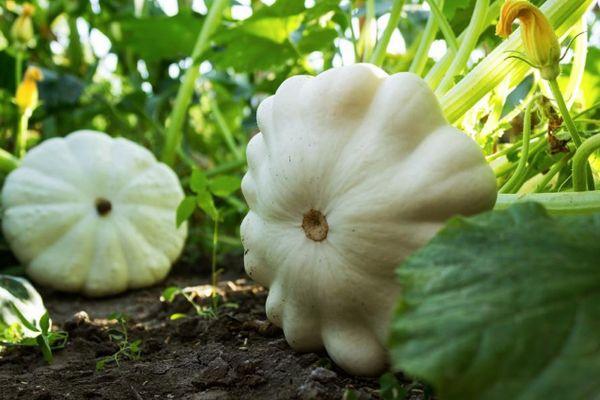
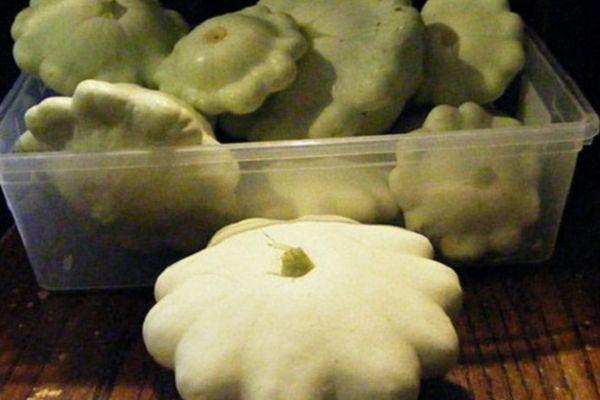
This vegetable variety is related to squash and pumpkin. It contains a wealth of beneficial components, nutrients, and vitamins. In practice, if you want to preserve the flavor of squash over the winter, you must follow the freezing guidelines. Failure to do so will result in the vegetable losing most of its beneficial properties and flavor.
After freezing, the product also requires appropriate storage conditions; to preserve its flavor and vitamins, it is recommended to maintain a constant temperature in the storage area.
Features of the procedure
When performing this task, you will encounter some nuances that you need to pay attention to:
- Small fruits are selected for frozen storage.
- When choosing a product, it is not recommended to use overripe fruits.
- To preserve vitamins and flavor in the product, it is necessary to follow the technology.
- Before freezing, some preparatory work must be carried out.
- Depending on the size of the fruit, the freezing method is selected.
- After the procedure, the product is placed in storage.
If you take these points into account, you can preserve foods for the winter that will contain a lot of useful components and vitamins.
If defrosting is necessary, it is also necessary to follow the process technology so that the taste of the fruit does not deteriorate at this stage.

Selection of fruits
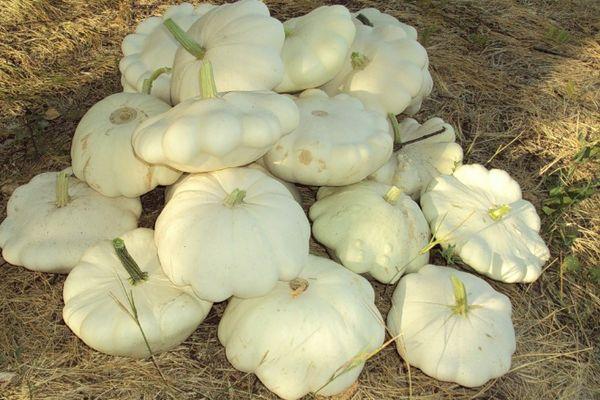
Particular attention should be paid to the selection of squash. Here are a few recommendations to consider:
- do not use overripe squash;
- store small specimens;
- select specimens without damage;
- watch for the presence of the stalk.
The best option for freezing and storing is partially unripe vegetables that have 1-2 weeks left before ripening.
If unripe vegetables are selected for freezing, then after harvesting they need to be allowed to sit for several days before freezing.
Preparing for the procedure
The preparatory stage includes the following series of actions:
- products are thoroughly washed to remove dirt;
- Next, you need to dry the squash from moisture;
- large squashes must be peeled;
- After drying, the specimens are placed in bags.
Small vegetables are stored whole, while larger ones need to be pre-cut into slices.
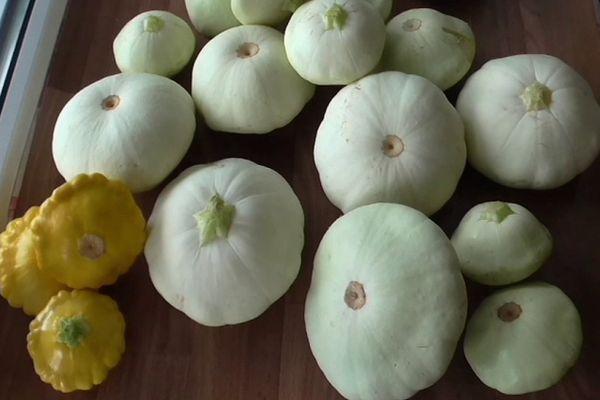
Frozen culture can be stored under the required conditions for up to 10 months.
Freezing options
In practice, there are two excellent methods for freezing squash:
- storage frozen fresh;
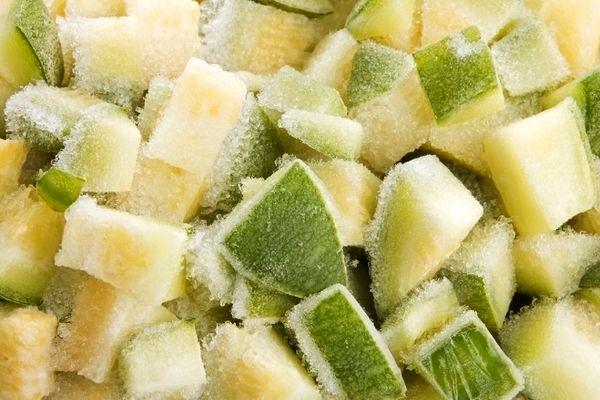
- storing frozen vegetables cut into small pieces.
In general, storage technology does not have any significant differences, which cannot be said about preparing fruits for freezing.

Fresh
To freeze this crop fresh, select small fruits. Wash them thoroughly to remove any dirt. Check for defects. Then, arrange them on flat plates and place them in bags. The contents are then placed in the freezer for two hours, and then stored in a low-temperature storage facility.
In pieces
This type of freezing involves the following algorithm of actions:
- large specimens are selected;
- vegetables are thoroughly washed and dried;
- the peel is checked for damage;
- then the skin is removed from the fruit;
- the selected specimen is cut into small pieces;
- flat dishes are prepared;
- pieces of squash are evenly distributed;
- Everything is placed in a bag and then in the freezer for two hours.

To prevent the pieces from freezing together, use flat dishes and spread the slices out evenly.
Storage
Vegetables are stored in conditions where low temperatures are maintained at all times. If you use a refrigerator, there's no need to remove the squash from the freezer. Optimal storage conditions are -18°C (-18°F). At temperatures around -10°C (-14°F), the squash won't last longer than three months.
To preserve the taste and essential vitamins in squash, low temperatures are required (the lower this temperature, the longer the vegetables will be stored).
Defrosting the product
If necessary, remove the food from storage and defrost it. The best defrosting conditions are to store vegetables in the refrigerator for a day. However, if you need to prepare a dish quickly, you can keep the frozen food at room temperature for a few hours.
It is not recommended to place frozen pieces under hot water, as they quickly lose their flavor and nutrients.
Related posts:
 How to properly freeze ginger at home in the freezer for the winter and is it possible
 What's the best way to freeze bell peppers for the winter at home? Storage times
 Simple recipes on how to properly freeze fresh radishes for the winter and whether it's safe to do so
 How to freeze fresh, fried, and baked eggplants for the winter at home in the freezer
 Is it possible to freeze mushrooms for the winter in the refrigerator, and how to do it correctly at home?
 The best recipes for freezing vegetables at home for the winter
 How to properly freeze chanterelles fresh for the winter at home and is it possible
 TOP 10 recipes for freezing tomatoes for the winter in the freezer at home, in pieces and whole