
The most convenient and easiest mushrooms to pickle are saffron milk caps. This is because they require no special preparation. Some mushroom pickers see no point in pickling them and simply eat them fresh. But for those who enjoy stocking up on pickled mushrooms, there are several recipes for properly pickling saffron milk caps.
Preparing the mushrooms
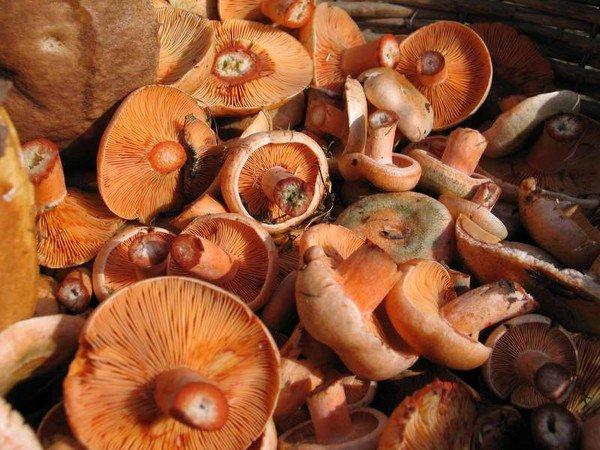
Before you begin cooking saffron milk caps, or more precisely, pickling them, you need to prepare them. First, it's important to sort them, removing any damaged or otherwise defective ones.
Please note! It is advisable to select saffron milk caps of similar size for pickling, as they will be salted evenly while maintaining their juicy, firm texture.
Cleaning saffron milk caps for pickling
Before you begin cleaning saffron milk caps, it's important to know that you shouldn't delay this task, as in warm indoor conditions, mushrooms quickly begin to spoil, becoming limp, and the forest aroma evaporates into the air. Furthermore, such mushrooms can even become dangerous.
How you clean mushrooms depends on how you plan to use them. Some require boiling or soaking, while others simply require dry cleaning.
Experienced mushroom pickers begin cleaning saffron milk caps directly in the forest. All you need is a small, sharp knife to remove any blemishes and the most stubborn dirt, such as caked-on mud. Also, remove any hardened parts of the mushroom stems immediately. This allows you to immediately detect the possibility of worm infestation.

Cleaning mushrooms by boiling is only suitable for hot canning, which involves heat treatment. To do this, cover the saffron milk caps with water, add a little salt, and boil for 5 minutes.
When using the cold salting method, preliminary cold processing will also be required.
Soaking mushrooms
Beginners and inexperienced home cooks often wonder whether soaking saffron milk caps before pickling is necessary, and how to do it properly. As mentioned earlier, this process is essential for the cold pickling method.
It consists of the following stages:
- First, you'll need to remove any stuck-on dirt and leaves. A regular kitchen sponge and a damp, clean cloth will do the trick. An old toothbrush will also work well for removing dirt from between the slats.
- Remove the rough bottom part of the stems and wash the mushrooms in a deep container.
- Drain the dirty water, fill it with clean water, and add 2 tablespoons of salt. When choosing a container for washing mushrooms, it's important to ensure it's made of a non-metallic material.
- Leave the mushrooms in this water for several hours. Then drain the water and rinse the saffron milk caps under cold running water. Leave them for a while to allow excess moisture to escape.
Now you can start pickling the mushrooms.
Peculiarities of salting saffron milk caps (to prevent them from darkening)
When preserving mushrooms, especially at home, a common problem is their appearance changing, specifically, blackening. This most often occurs during soaking, boiling, or pickling. However, this doesn't mean the product is unusable.
It is necessary to check the product for mold and unpleasant odors and, if there are none, consume it with confidence.
Let's consider what causes such a change in saffron milk caps:
- Some mushrooms may not be completely covered by brine during cooking. Exposure to air causes color changes. salted mushrooms can be used without fear.
- The presence of different types of saffron milk caps is possible. Spruce mushrooms will inevitably turn black after cooking.
- Using excessive amounts of spices during cooking. This is especially true for dill, which tends to turn mushrooms black.
- Long-term storage before processing and cooking.
Please note! To preserve the saffron milk caps' original color, avoid soaking them for too long. If absolutely necessary, the recipe calls for soaking them for no more than 5 minutes.
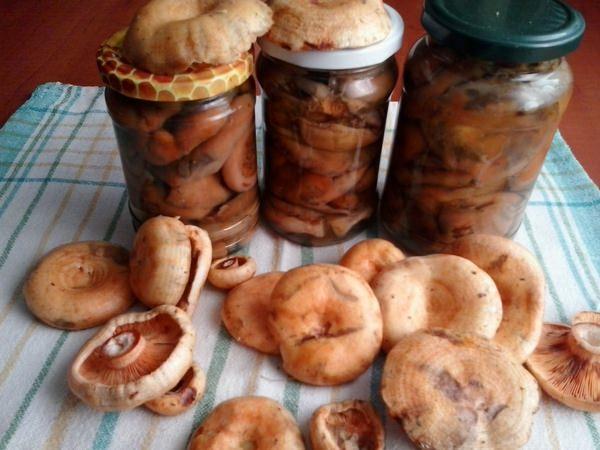
Recipe for pickled saffron milk caps in glass jars
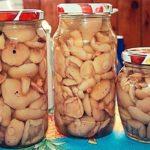
Pickling saffron milk caps in glass jars of various sizes is the most common method. This is because they are easier to store indoors. It's important to do this correctly to prevent the mushrooms from fermenting and spoiling.
This method requires the following list of ingredients:
- saffron milk caps – 2 kilograms;
- table salt – 1 ½ tablespoons;
- granulated sugar – ½ tablespoon;
- black pepper – 10 peas;
- bay leaf – 5 pieces;
- nine percent vinegar – 50 milliliters;
- purified water – ½ liter;
- onions – 2 heads.
Step-by-step marinating process:
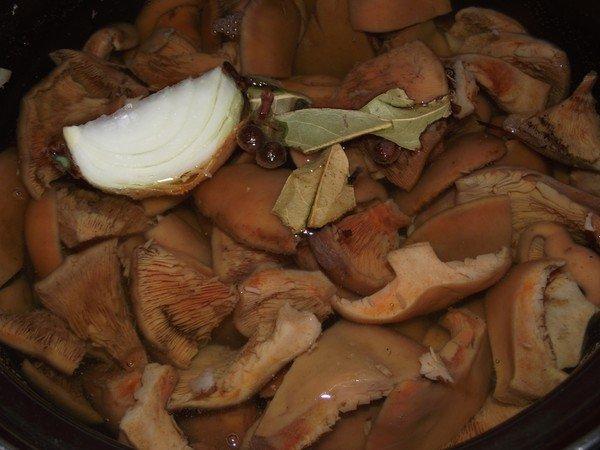
- Cover the pre-prepared (peeled and washed) saffron milk caps with cold water, add the peeled, whole bulbs, and place on the stove. Bring to a boil.
- Cook for 20 minutes, then drain through a colander. Set aside to allow excess moisture to drain, discarding the onions first.
- Pour ½ liter of water into a saucepan, bring to a boil, and then add the mushrooms. Cook for 5 minutes.
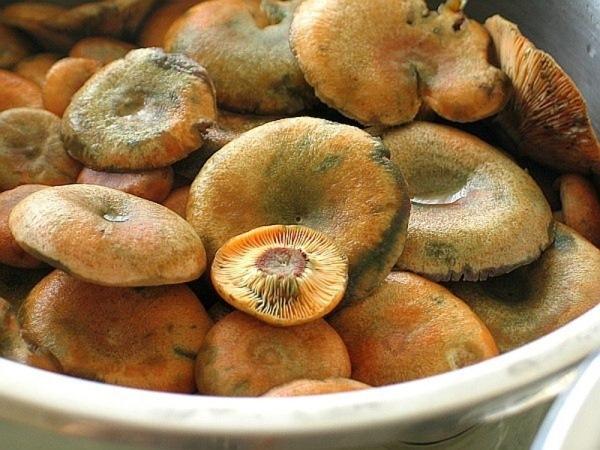
- Add bay leaf, black peppercorns, granulated sugar, and table salt to the saffron milk caps. Boil for 2 minutes and add vinegar. Boil for another 3 minutes.
- Place the saffron milk caps in previously sterilized jars, pour in the marinade and seal tightly with sterilized lids.
- Turn the jars upside down, wrap them in a warm cloth, and leave them undisturbed until they cool completely. For storage, it's best to use a darkened basement with a temperature no higher than 10°C.
Take a look Also
It turns out very tasty. In a few days, you'll be able to try the mushrooms.
Hot salting method at home
The hot method for pickling delicious saffron milk caps at home is the most time-consuming and labor-intensive. It relies on heat treatment of the product. The main advantage of this method is that even less-than-fresh specimens can be used. There's also no need to select mushrooms of similar size.
For pickling you will need the following ingredients:
- 5 kilograms of saffron milk caps;
- 250 grams of table salt;
- clove buds (dried) – 10 pieces;
- 50 grams of blackcurrant leaves;
- 2 garlic cloves;
- 10 black peppercorns;
- 10 bay leaves.
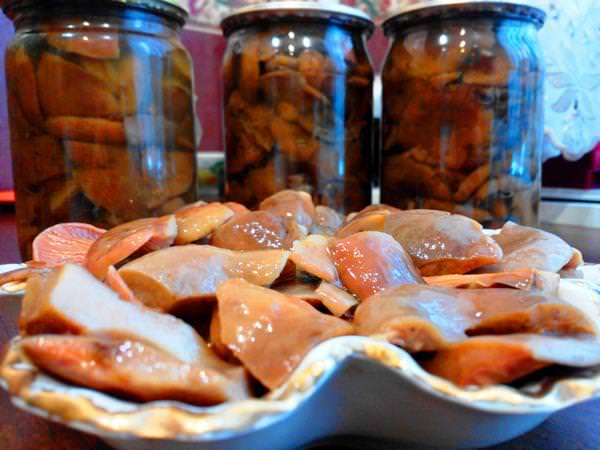
How to cook mushrooms the famous hot way correctly:
- Sort the mushrooms, discarding any damaged or wormy ones. Clean and quarter the largest saffron milk caps thoroughly. Place a pot of water on the stove and bring to a boil.
- Add the prepared saffron milk caps and ensure they are completely covered. Boil for 2 minutes on high heat. Reduce the heat slightly and boil for another 3 minutes, skimming off any foam that forms.
- Drain the water through a colander and leave until completely cool.
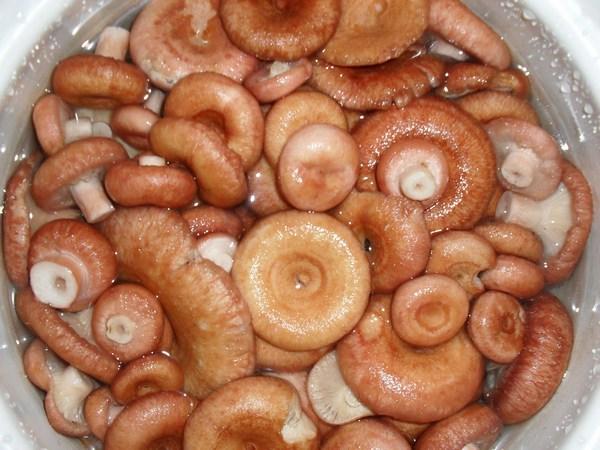
- Prepare a container for pickling mushrooms and fill it with boiled saffron milk caps. It's best to place the mushrooms cap-side up, as this will allow them to absorb the salt more effectively. Season each layer with salt and sprinkle with the prepared spices.
- Cover the container with several layers of clean cheesecloth and apply a weight (a flat plate with a three-liter jar of water on it will do). Store for 6 weeks in a cool, dark place (temperature should be between 0 and 7°C).
Please note! While salting the saffron milk caps, monitor the brine's color; it should remain brown. A darker color indicates spoilage.
Cold method
To pickle saffron milk caps using the chosen cold method, you will need to first prepare the following ingredients:
- 5 kilograms of mushrooms (saffron milk caps);
- 20 grape (cherry) leaves;
- 5 tablespoons of table salt;
- 4 bay leaves;
- 30 black peppercorns;
- 2 or 3 dill umbrellas.
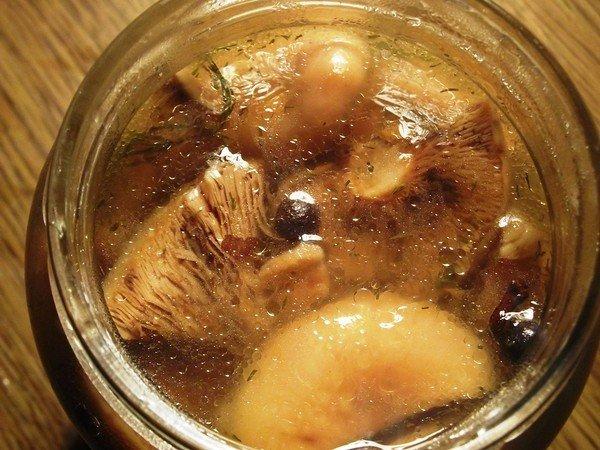
More about pickling mushrooms:
- Pour boiling water over grape or cherry leaves, then dry them. Place half of the leaves in the bottom of the mushroom pickling container to form a cushion.
- Prepared mushrooms should be thoroughly cleaned of dirt and then rinsed in cold water.
- Remove excess moisture with paper towels or leave for a while to drain.
- Spread the saffron milk caps evenly over the leaf cushion in layers, each no more than 7 centimeters high.
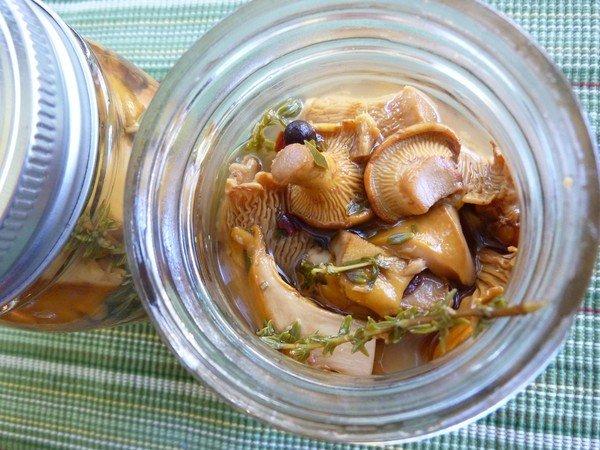
- Each layer should be sprinkled with salt, topped with bay leaves, peppercorns, and dill. The final layer of mushrooms should be covered with the other half of the prepared grape leaves.
- Place a flat dish on top of the leaves, the diameter of which is slightly smaller than the diameter of the container.
- Place a heavy object on top of the dish to act as a press.
- After a month, the mushrooms will be ready for immediate consumption. For easy storage, they can be transferred to sterilized jars, filled with brine, and covered with nylon lids. Store in the basement.

You can also pickle saffron milk caps using the cold method, using regular glass jars instead of large containers. This not only makes the preparation easier, but also extends the shelf life of the prepared mushrooms.
To prepare you will need:
- 4 kilograms of cleaned and fully prepared saffron milk caps;
- 130 grams of table salt;
- 5 dried cloves;
- 3 garlic cloves;
- 1 small bunch of fresh dill.
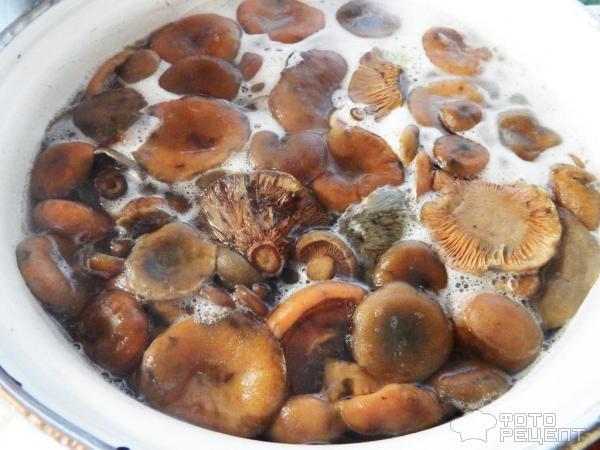
How to pickle mushrooms:
- In a deep bowl, combine the mushrooms with all the prepared spices. Fresh dill and garlic should be finely chopped beforehand.
- Mix the mixture thoroughly with your hands, put it under a press and leave it to infuse for just a few hours.
- Carefully sterilize the jars before placing the saffron milk caps in them. The resulting brine should also be poured into the jars. It's important to ensure the saffron milk caps are completely submerged in the brine. If there isn't enough liquid, you can top it up with plain boiled water.
- Cover the containers with nylon lids and then store them in a refrigerator or basement.
The second cold method for pickling saffron milk caps is much simpler and quicker. Therefore, beginners should start with this option.
Rules for storing canned food
Once the canning process is complete, a logical question will inevitably arise: how to store mushrooms salted according to a specific recipe?
First of all, you need to adhere to the following rules:
- the temperature should be in the range from 0 to +6 ºС;
- mandatory absence of light - both sunlight and artificial;
- protection of containers from mold penetration;
- It is advisable to use glass jars for storage.
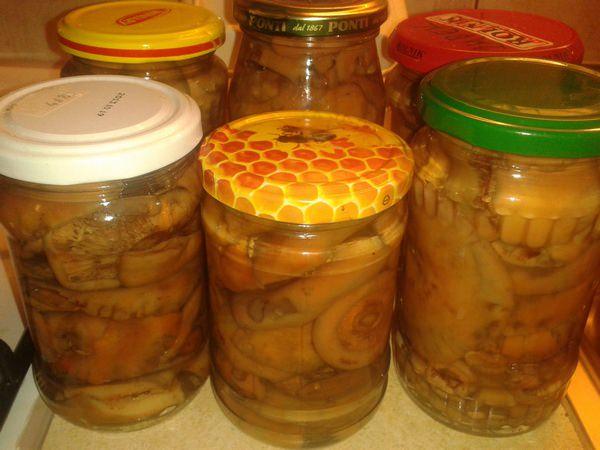 A basement is ideal for storing pickled mushrooms. However, the room should be treated with special agents beforehand to prevent the spread of rot and mold.
You can also use a refrigerator, since the temperature is easily regulated and light rarely reaches it.
Related posts:
 Step-by-step recipes for making pickled saffron milk caps for the winter at home
 Simple step-by-step recipes for making pickled porcini mushrooms for the winter at home
 Simple recipes for pickling mushrooms hot and cold at home for the winter
 The best recipes for preparing cold and hot salted russula mushrooms for the winter at home
 TOP 15 recipes for canned mushrooms at home for the winter
 How to properly marinate milk mushrooms in jars, recipes for winter preparation
 25 simple recipes for pickled mushrooms for the winter
 Is it possible to freeze mushrooms for the winter in the refrigerator, and how to do it correctly at home?