Cloudy brine in pickled cucumbers is a nuisance every homemaker has encountered while preparing winter supplies. Canning seemed to have been done according to all the rules, and the prepared jars were stored in a dark place. But something went wrong—over time, the brine changed. We'll help you figure out why cucumbers in jars are turning cloudy and what to do about it.
Reasons why cucumbers in jars turn cloudy
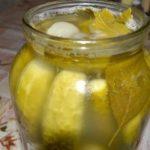
Have you noticed that your jars have bulged and the brine has turned cloudy? This means there was a mistake at one of the canning stages.
This may happen for the following reasons:
- The cucumbers weren't washed properly. Even a little dirt on the surface of the vegetables, which gets into the jar, can cause rot.
- The canning jars were not washed thoroughly, or ordinary detergents were used to clean them. Remember to wash the jars exclusively with water and baking soda. Soap remaining on the walls after rinsing can cause the solution to become cloudy.
- You need to wash not only the container and cucumbers, but also the herbs you're using. Give them just as much attention.
- If you used sea or iodized salt instead of regular table salt, it may cause the brine to change color later. This salt contains specific components that influence this.
- You didn't properly sterilize your jars and lids. This applies to both empty containers and those already filled with cucumbers and brine.
- You didn't seal the jars properly or the seal was compromised. This could have happened due to existing chips or cheap, poorly made lids.
- Don't skip the soaking process before pickling. This will help replace the air in the cucumbers with water, preventing the brine from clouding.
- Sometimes, brine turns white due to external factors beyond your control. For example, it could be cucumbers laced with chemicals, which, even after soaking, haven't lost all their harmful substances.
- Jars are stored at very high temperatures. Ideally, they shouldn't exceed 5-7 degrees Celsius. It's best to keep pickles in a cellar, refrigerator, or any other cool place.

Are cucumbers with cloudy brine edible?
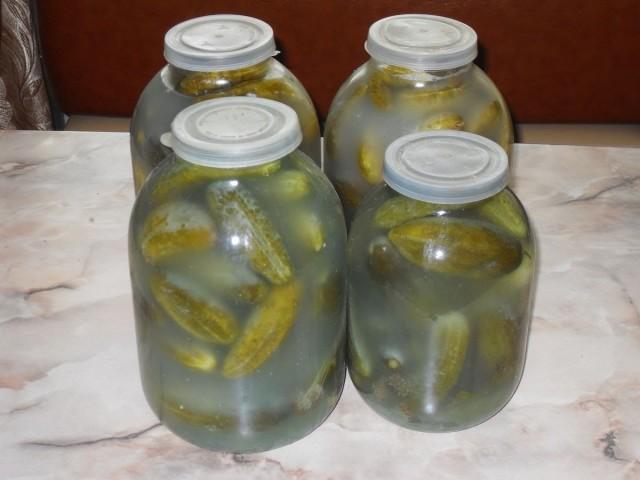
It's very difficult to answer this question definitively, as even the freshest canned goods can still contain botulism bacteria. This can cause serious digestive upset and, in the most severe cases, food poisoning. First, you need to determine how badly spoiled your pickles are.
If you notice the characteristic cloudiness of the solution a couple of days after canning, you can try to correct the situation. If the jar lid hasn't bulged, you can simply open it and drain the spoiled solution.
Now you can choose two ways to save the cucumbers: prepare a new solution or revive the old one.
First, do the following:
- pour boiling water over the vegetables;
- leave them for 5-7 minutes;
- drain the water and add the brine.
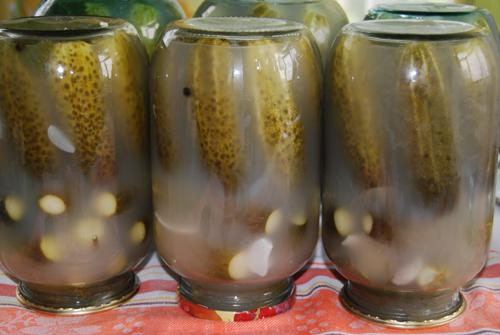
Bring the solution to a boil, add to the jars, and dilute with the prescribed amount of vinegar, then seal tightly. Alternatively, you can use the seals. If the lids don't bulge, the pickled vegetables are ready to eat. Refrigerate the cucumbers for a week. During this time, any unpleasant sediment will settle to the bottom, and you'll notice a clear, transparent brine. The cucumbers can be used in vinaigrettes and other dishes where their slightly altered flavor won't be noticeable.
If you notice jars with bulging lids, don't take any chances. It's best to discard such preserves immediately, as they're likely harboring harmful bacteria.
How to revive cloudy canned food
Of course, it's easier to make new pickles than to try to fix the ones that didn't turn out well. Analyze your mistakes and avoid them in the future.
It's important to know how early you notice the first signs of fermentation in your canned goods. If this happens soon after sealing and the lids haven't yet bulged, you can try re-canning them. Pour out the solution, rinse the cucumbers, and replace with freshly prepared cucumbers. This method works in most cases. You can do this without removing the vegetables from the jar. Simply pour boiling water over them and wait a few minutes, then pour in the prepared solution. Don't forget to add vinegar and let the jars sit upside down for 24 hours.
Important: Be prepared for the taste of "re-preserved" cucumbers to be different from regular pickles. Therefore, you can use the preserved pickles in salads, soups, etc.
Once again, we reiterate that these steps should only be performed if the lid is not bulging. Otherwise, you risk harming your health and that of your loved ones.
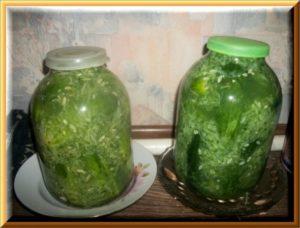
Methods to prevent the appearance of "suspicious" sediment
When the brine turns cloudy, most housewives decide to get rid of the preserved food, as they believe it can cause digestive upset, and the taste of the vegetables themselves will change significantly.
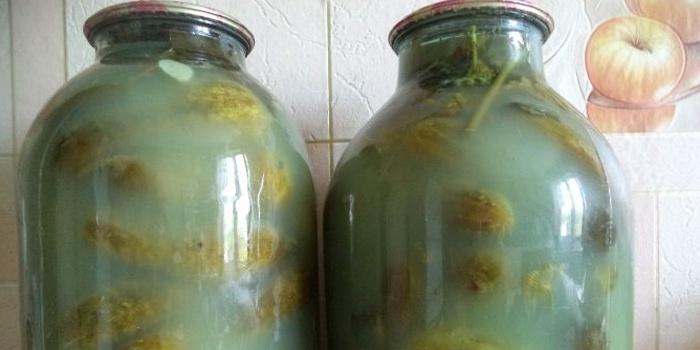
To avoid any unpleasant consequences during the preservation process, you should follow these basic recommendations:
- Wash the vegetables thoroughly. Clean off any dirt, stems, and any rotten spots. Soak them for a few hours, then rinse again.
- Wash the baking soda jars thoroughly, removing any food or other dirt from the surface. Avoid using detergents, as their chemicals will adhere to the jars. Inspect the jars for any signs of deformation or damage. Run your fingers around the neck to check for chips or cracks.
- Follow the recipes and don't add any ingredients to suit your tastes. If the recipe calls for boiling the solution for ten minutes, do so for that amount of time, no more and no less. If the recipe calls for adding vinegar and salt, be sure to do so. Use only proven recipes recommended by family or friends—then you'll get crispy and delicious cucumbers.
We recommend purchasing stainless steel or white lacquered tin canning lids. These are considered the most reliable and will help protect the product from fermentation. Use firm cucumbers and never overripe ones. They are hollow inside and trap air, which accelerates the fermentation process. Add hot pepper or horseradish root to prevent spoilage.
Attention to detail and adherence to the recipe will help you make delicious pickles. If you find cloudy jars, follow the tips we outlined above. Never eat preserves with bulging lids.
Related posts:
 Recipes for pickling crispy cucumbers with and without aspirin, vinegar, and for the winter in jars
 How to prepare pickled cucumbers in adjika for the winter without sterilization and Caucasian style: recipes
 20 simple step-by-step recipes for pickling cucumbers for the winter
 Why do jars of cucumbers explode? What to do? How to save and reseal them? Is it safe to eat?
 18 Best Recipes for Winter Pickled Cucumbers with Citric Acid in Liter Jars
 How to properly pickle cucumbers for the winter in jars so they don't explode: recipes with citric acid and aspirin
 33 of the best recipes for delicious cucumbers for the winter
 Can you preserve and pickle Zozulya cucumbers? The best winter recipes with tomatoes, peppers, and rowan berries.