
Experts identify several reasons why jars of cucumbers explode. These problems arise due to the structure of the fruit and improper canning procedures. However, in some cases, the cucumbers remain suitable for re-canning.
Causes of cloudy cucumbers and exploding jars
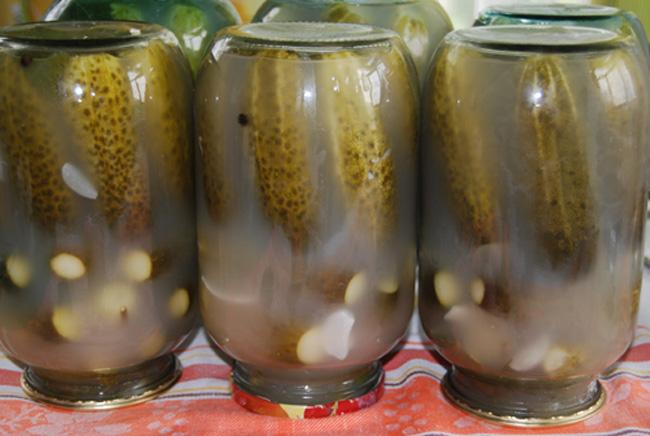
Cucumbers have a heterogeneous structure. Microorganisms accumulate inside the fruit, which can affect the pickling process for the winter. Due to bacterial activity, the liquid inside the jars and the cucumbers change color (become cloudy). Furthermore, the microorganisms trigger processes that increase pressure inside the glass container, eventually causing it to explode.
The main factors causing damage to containers include:
- air getting into the jar due to a poorly sealed lid;
- insufficient washing of cucumbers and sterilization of containers with lids;
- using iodized salt instead of table salt for salting;
- lack of acetic or citric acid in the brine.
It is also not uncommon for the brine to become cloudy due to the fact that the wrong varieties of cucumbers were used for pickling (large salad, dessert and others).
Storage conditions are equally important. After sealing and cooling, jars should be stored in cool places (cellars), away from sunlight.
If the container is heated to high temperatures, the liquid begins to ferment, resulting in increased carbon dioxide levels and pressure inside the container. This leads to the can exploding.
Air ingress
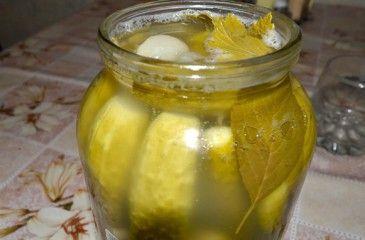
The lids of pickle jars open when air enters the container. Oxygen stimulates the growth and development of microorganisms, which initiate the fermentation process of the brine.
The main cause of air ingress is believed to be a faulty seaming machine. It doesn't ensure a proper seal between the lid and the jar, allowing gas exchange between the outside environment and the contents of the glass container. To avoid this, it's recommended to place each jar on newspaper after sealing and then cover it with a blanket for 24 hours. Another cause of air ingress is insufficient water. The liquid should reach the rim of the jar.
Take a look Also
Incorrect preparation
Most canning recipes call for a vinegar-based brine. However, the amount of vinegar added to the jar is strictly regulated. Failure to adhere to the correct ratio of ingredients will reduce the quality of the brine and increase the risk of the container rupturing.
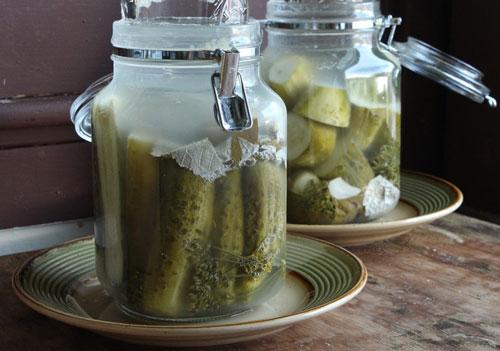
Moreover, the proportions vary depending on the type of ingredients used. For pickling just cucumbers in a 3-liter jar, use one teaspoon of vinegar. However, if you're also adding tomatoes and/or peppers with horseradish, the concentration of the essence should be reduced.
It's equally important to thoroughly wash all ingredients, including herbs, before canning. Even the slightest trace of dirt can cause the jar to explode.
Another equally important detail that affects the shelf life of pickled cucumbers is the choice of cucumbers. The following varieties are suitable for pickling:
- Hermann;
- Funny guys;
- Pickling;
- Fontanelle.
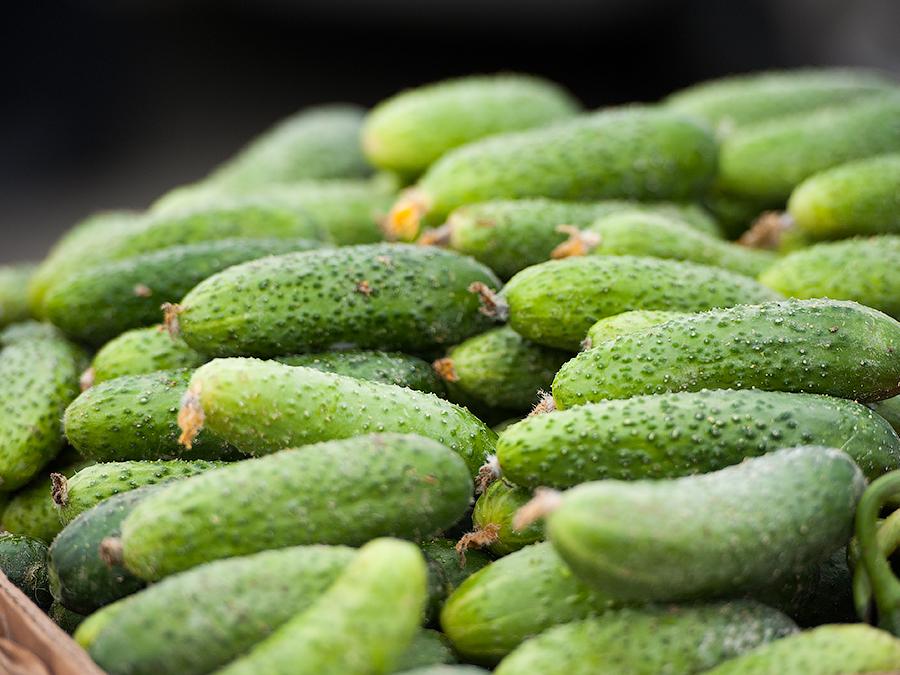
When choosing vegetables for canning, it is recommended to pay attention to the following parameters:
- Size. Fruits 10-12 centimeters long are suitable for canning.
- Peel thickness. Thick cucumbers remain crisp after pickling. To check the thickness of the peel, simply poke it with your finger: if it's difficult to poke, the cucumber is suitable for pickling.
- Spike color. Ideally, the spines should be dark in color. Cucumbers with these spines allow brine to pass through easily.
For jarring, it's recommended to use fruits with deep green skin. Lighter skin indicates they're overripe. These vegetables contain air-filled cavities.
Poor preparation of jars
Regardless of the recipe chosen, vegetables must be canned in sterilized containers. Jars should be cleaned over steam, and lids should be cleaned in boiling water. On average, this process takes about 5 minutes. However, many recommend increasing this time. Also, the vegetables should be canned immediately after steaming.
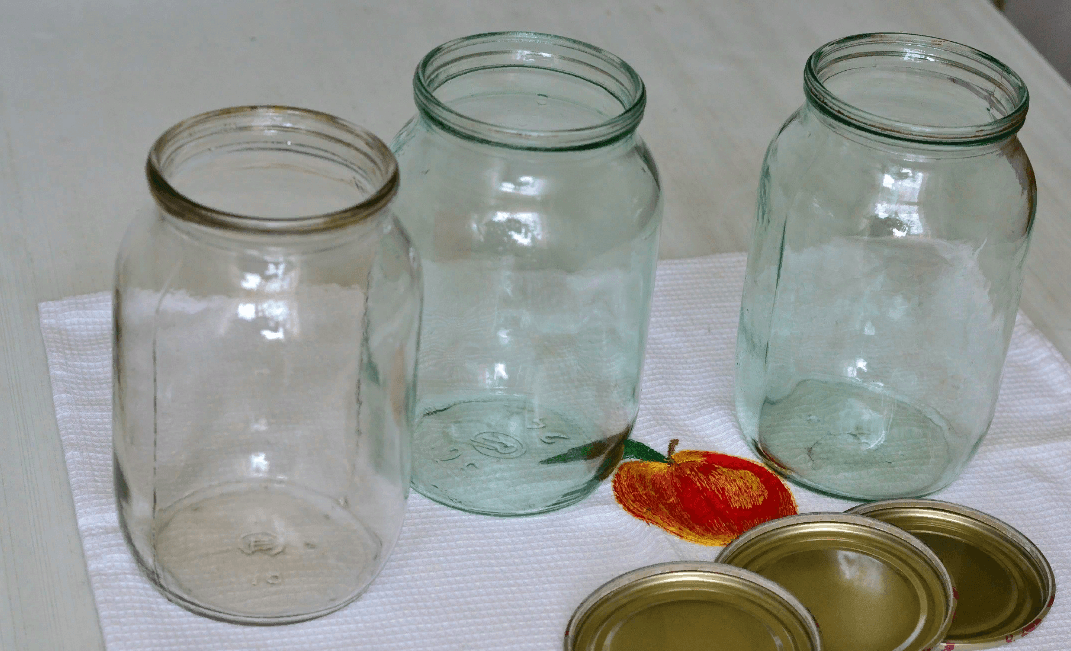
Pickled cucumbers will last through the winter in jars if the containers are sufficiently clean. This applies not only to traces of dirt but also to soap or chemical residue. It's also important to use undamaged jars, free of cracks and chips. Pay particular attention to the area around the neck.
Take a look Also
Why do they turn over and wrap jars?
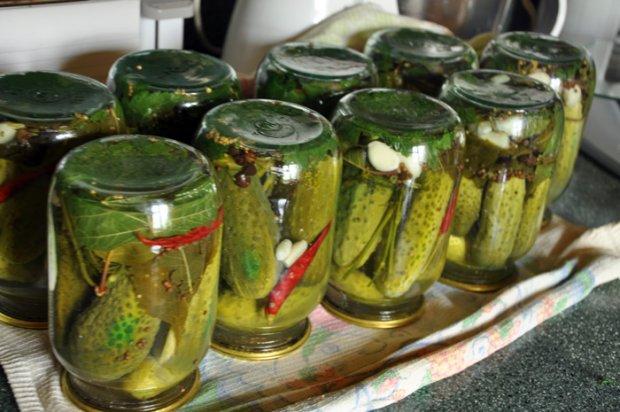
After canning, containers with vegetables are turned over for two reasons:
- Check for leaks. If the lid isn't tight, water will leak onto the surface after turning it over.
- Sterilizing the jar. After turning the container upside down, hot water will completely heat the container, including the area around the lid.
Wrapping the jars after pickling cucumbers serves a similar purpose. The longer the container stays warm, the more likely it is that any potentially harmful microorganisms inside will be destroyed. This also improves the cucumbers' flavor. Warm, marinating vegetables will more quickly soak up the marinade.
Wrapping serves another purpose: by gradually cooling the jars, the risk of hot glass cracking when in contact with a colder surface is reduced.
Is it possible to reuse cloudy cucumbers?
If the cucumbers have turned cloudy, you can reseal them, provided they remain firm and the lid hasn't bulged. It's recommended to do this 4 days after the brine has changed color.
If the cloudiness of the fruit is caused by lactic acid, the jar should be placed in a cool place (preferably in the refrigerator) for one week.
During this time, the sediment settles to the bottom, and the liquid regains its original clarity. The disadvantage of this method is that the cucumbers acquire a distinctive flavor. Therefore, these fruits are used as an ingredient in rassolnik (picky soup) and other dishes.
Can you eat cucumbers in cloudy brine?
Although cloudy pickles can be salvaged, in some cases the fruit remains unfit for consumption. The vegetables are safe to eat if the lid hasn't bulged and several days have passed since the pickling process. In this case, the snack will be lightly salted.
Cloudy cucumbers, after several months, are still ready to eat, provided the lid hasn't bulged and the container remains airtight. However, these fruits can be eaten only after being heated (with boiling water). Otherwise, the snack should be discarded.
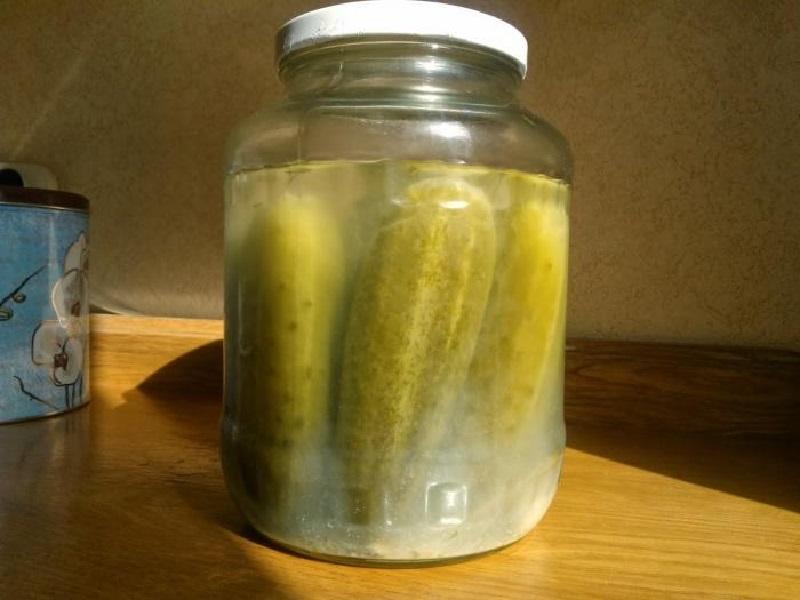
How to save exploded cucumbers?
To determine whether exploded cucumbers can be revived, taste them by biting into a small piece. Bitter cucumbers should be discarded.
If a jar of pickles explodes, you can save the preserves by following these steps:
- Rinse the fruit under cold running water, and then in a saline solution (20-30 grams of salt per liter of water).
- Soak vegetables in cold water for 20 minutes.
- Re-sterilize the jar and lid.
- Boil the brine twice with an interval of 15 minutes and replace the spices and herbs.
- Place cucumbers in a jar and pour boiling marinade over them.
- Pour a teaspoon of vinegar essence into a 3-liter container.
- Roll up the jar.
Take a look Also

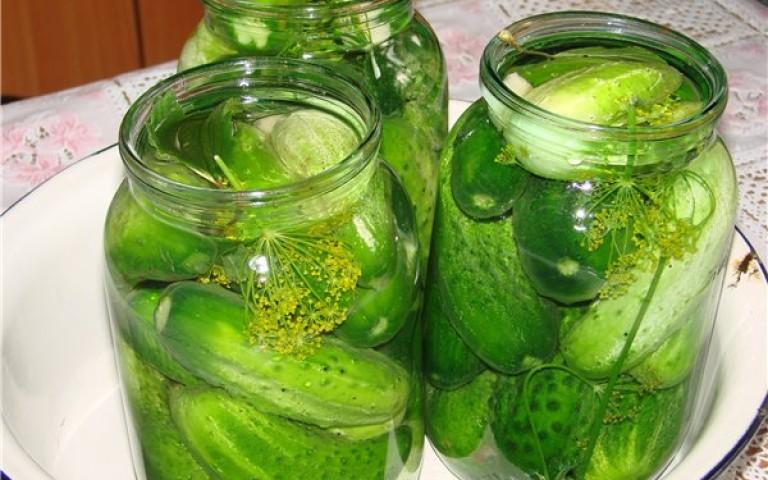
This recipe will produce cucumbers that taste like pickled cucumbers. The second recipe allows you to give the cucumbers the desired color:
- Wash the vegetables and place them in a sterilized container.
- Pour clean boiling water over the fruits.
- Pour boiling water into a saucepan, add ½ of the salt and sugar from the amount indicated in the original recipe.
- Boil water and pour into containers, adding 2 aspirin tablets (calculated for a 3-liter container).
After this, you need to roll up the containers and cover them with a blanket.
How to prevent pickle jars from exploding?
To prevent cucumber jars from exploding, rinse the jars with boiling water or bake them in the oven at 100 degrees Celsius for 10 minutes before sealing. Lids should also be boiled in boiling water before sealing.
It's recommended to soak cucumbers for 1 hour first (4 hours if store-bought). Larger vegetables should be canned in individual jars. Also, follow the recommendations above: avoid air infiltration, follow the recipe, and seal the lids tightly.
Related posts:
 TOP 30 best varieties of cold-resistant cucumbers with descriptions and characteristics
 Description of the best varieties of Chinese cucumbers, planting, growing and care
 How to prepare pickled cucumbers in adjika for the winter without sterilization and Caucasian style: recipes
 35 Best Powdery Mildew-Resistant Cucumber Varieties with Descriptions
 Description of the best varieties of pickling and barrel cucumbers for greenhouses and open ground
 How and with what to cover cucumbers from the cold in open ground, what to do for protection
 TOP 10 ways to freeze fresh and salted cucumbers at home for the winter
 How to sterilize jam jars in the microwave: methods and rules