
- Which cucumbers are suitable for winter preservation?
- Which ones are not suitable?
- Signs of a high-quality pickling variety
- Is it possible to salt and marinate?
- Greenhouse and hothouse cucumbers
- April cucumbers
- Lukhovitskys
- Smooth
- Yellow cucumbers
- The best varieties for pickling
- Greenhouses
- For open ground
- Popular cucumbers for pickling
- Universal varieties for canning
- Rules for harvesting cucumbers for canning
- The best recipes
- Cold salting
- Hot salting
- Spicy recipes
To prepare a high-quality snack for the winter, you need to choose the right cucumber varieties for pickling. Not every variety of this vegetable is suitable for canning. Cucumbers must meet certain requirements so that the preserved cucumbers will last until spring without losing their flavor. It's also important to harvest the cucumbers from the garden.
Which cucumbers are suitable for winter preservation?
Both greenhouse and open-ground cucumbers are suitable for winter storage. Experienced home cooks, however, prefer the latter, as these vegetables are more flavorful and delicious.
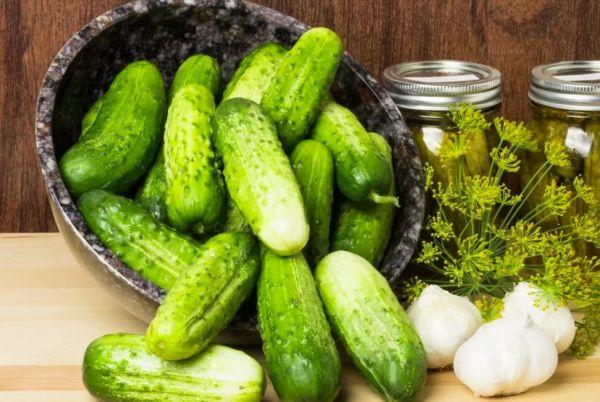
The main characteristics of good pickling cucumbers include the following criteria:
- small number of seeds in fruits;
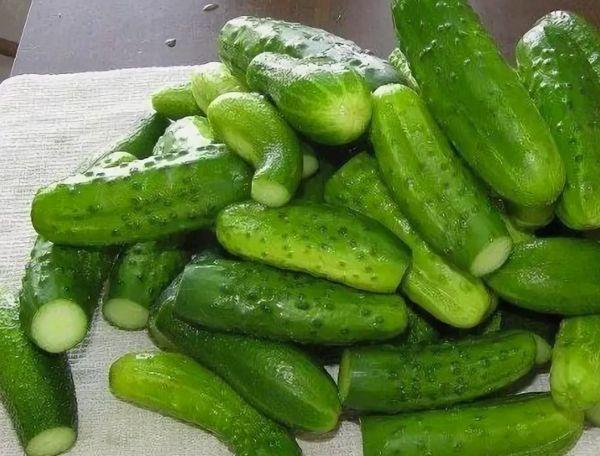
- the presence of black spines and a bumpy skin surface;
- the size of the vegetable does not reach more than 15 cm;
- the skin of the vegetable has a rich green color, which does not disappear when pickled;
- crispy flesh, no voids inside the cucumber.
Which ones are not suitable?
When preserving for the winter, avoid vegetables with the following characteristics:
- overripe, large cucumbers;
- vegetables from supermarkets;
- gnarled cucumbers of irregular shape;
- fruits with white pimples;
- thin-skinned vegetables;
- withered fruits with a yellowish coating;
- washed cucumbers.
Signs of a high-quality pickling variety
The manufacturer indicates on the seed packaging the intended use of the cucumbers. For pickling, select vegetables labeled "all-purpose." This means that the fruits are consumed both fresh and used for canning. Gardeners consider such varieties as "Boych-s-Thumb," "Tesha," "Rodnichok," "Adam," "German," "Murashka," and others. Choosing from a wide selection of seeds is easy.
Is it possible to salt and marinate?
It's worth taking a closer look at the different varieties of cucumbers to determine which ones are ideal for pickling and which ones are not recommended.
Greenhouse and hothouse cucumbers
Greenhouse cucumbers are less commonly used for Pickled vegetables for the winter are more suitable than those grown outdoors. However, even in this category, there are favorites preferred by experienced home cooks.
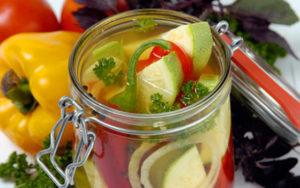
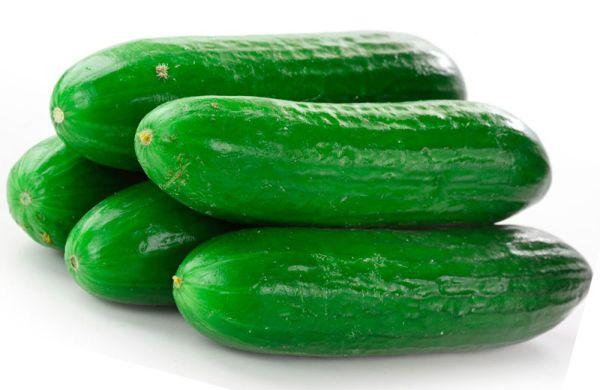
The list of pickling vegetables includes the following varieties:
- Marfinsky;
- Pallas's cat;
- Home;
- Relay;
- Solar;
- Martha.
This is far from a complete list of pickling varieties grown in greenhouses and hotbeds.
April cucumbers
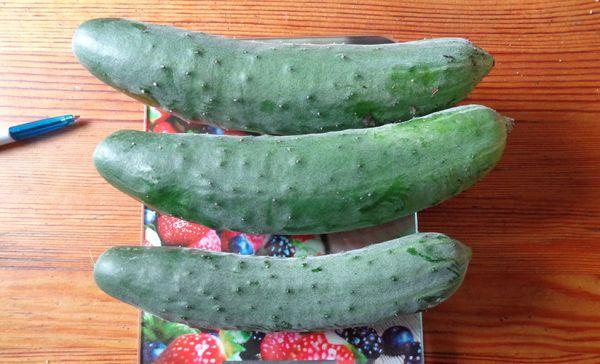
You can determine whether a cucumber is suitable for pickling by its description. Aprelskiy F1 is a hybrid variety. This parthenocarpic, self-pollinating vegetable is successfully grown by gardeners both outdoors and indoors. They grow to a maximum of 25 cm in size and have a bumpy surface. According to gardeners, this hybrid is excellent for pickling and marinating. Moreover, it ripens evenly, eliminating the need for a lengthy canning process.
Lukhovitskys
Lukhovitsky cucumbers have been grown by locals for a long time and are ideal for pickling for the winter. The soil and climate conditions of this Moscow region town allow for a harvest with a delicious crunch, thin skin, and smooth flesh.
They ripen early, are resistant to the diseases that affect this crop, and are cold-resistant. They are suitable for both fresh consumption and winter preservation.
Smooth
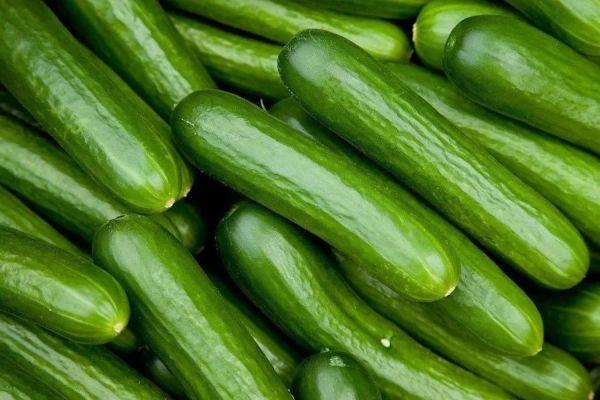
Preserving smooth-skinned cucumbers for the winter is not recommended. They become tasteless when pickled, fall apart in the jar, and you won't get that delicious crunch from them. It's best to eat these fruits fresh.
Yellow cucumbers
Typically, yellow cucumbers aren't used for pickling; they're used in salads. To do this, peel them and remove the core, which contains the tough seeds.
The best varieties for pickling
There are a huge number of cucumber varieties available for winter storage. Before purchasing seeds, familiarize yourself with their names and study the description of the variety or hybrid.
Greenhouses
It's also possible to can greenhouse cucumbers, but it's important to choose the right variety. The best varieties include:
- Pickling. The fruits of this variety grow no larger than 11 cm, making them ideal for canning in liter-sized jars. Small spines and light stripes are located throughout the surface of the vegetable. The cucumbers are slightly rounded. A plus for this variety is its resistance to most plant diseases.
- Nezhinsky 12. This variety boasts good yields and is popular with gardeners. The small oval cucumbers have a wonderful crunch when pickled, are not watery, and have a pleasant flavor. Small black dots cover the entire surface of the vegetable.
- Zozulya F1. A hybrid suitable for both indoor and outdoor cultivation. A plus is the lack of need for pollination by bees. This oblong and smooth vegetable can be harvested 40 days after planting. It demonstrates high yields.
- Murashka F1. Another hybrid suitable for both pickling and canning. Resistant to temperature fluctuations and common diseases. Its crisp texture and vibrant, pleasant flavor make it a favorite among gardeners.

For open ground
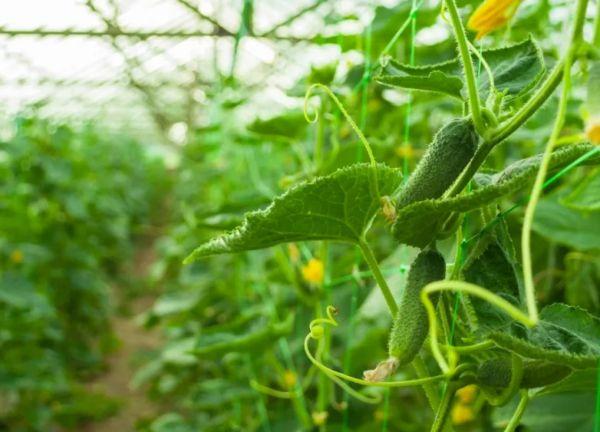
The selection of varieties for open ground is much wider. Among the favorites are the following:
- Mother-in-law F1. The black-spined and medium-tuberculate fruits grow up to 10-12 cm. The vegetable is resistant to sudden cold snaps and temperature fluctuations. The main thing is to harvest the cucumbers on time, as they tend to overgrow.
- Tom Thumb F1. A hybrid gherkin, ideal for pickling for the winter. The smooth, cavity-free flesh is not bitter and has small seeds. The average height is 8-10 cm.
- Smuglyanka F1. The fruits have black spines and are 10-12 cm in size. The flesh is not bitter, tasty and crisp.
Popular cucumbers for pickling
The most popular varieties include the following cultivars and hybrids:
- Era;
- Altai;
- Bushy;
- Fabulous;
- Mommy's Favorite F1;
- Lilliput F1;
- Funny guys F1;
- Parisian gherkin.
Universal varieties for canning
Universal varieties can also be canned. Their only drawback is that they have lower yields.
Popular types include:
- Crane chick;
- Droplet;
- Stork;
- Marinda;
- Squadron;
- Ira.
Rules for harvesting cucumbers for canning
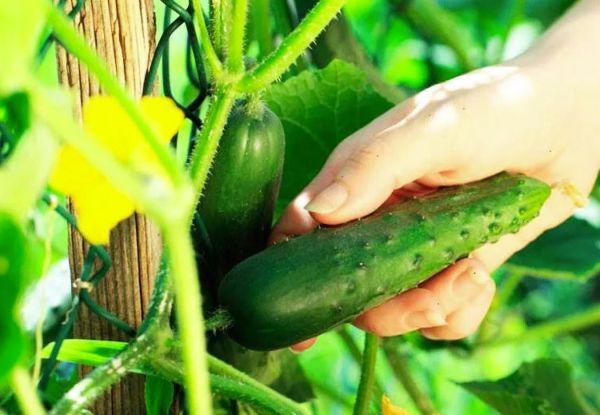
To ensure a crisp and delicious product, it's important to harvest cucumbers for pickling correctly. This should be done either early in the morning or in the evening, as the sun begins to set. Carefully separate the cucumbers from the vines, being careful not to damage the plant. If long-distance transportation is planned, do not remove the flowers at the ends of the cucumbers, as this will ensure they are preserved better.
The best recipes
From the collection of the best recipes, every housewife will choose the option she likes.
Cold salting
Ingredients:
- 2 kg of cucumbers;
- 5-6 cloves of garlic;
- 2 tablespoons of coarse rock salt;
- 1 tablespoon of granulated sugar;
- 2 horseradish leaves;
- 3 dill umbrellas and parsley;
- half a hot pepper.
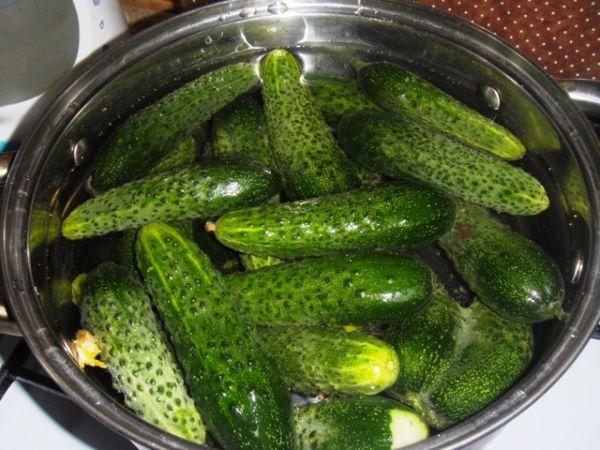
Place the washed vegetables in a deep saucepan and cover with an upturned plate. Cover with cold water and let sit for 2 hours. Pour 1200 ml of water into another container, add salt and sugar, and bring to a boil. After the brine has cooled slightly, refrigerate for 2 hours.
Place the cucumbers in a sterile container, sprinkle them with seasonings and herbs. Pour the cold marinade over them, cover with cheesecloth, and let them sit for 5 hours. Then, seal them with regular lids and take them to the cellar.
Hot salting
The following components are prepared:
- 3.5 kg fresh cucumbers;
- 200 grams of coarse salt and 3 teaspoons of granulated sugar;
- a few cloves of garlic;
- oak leaves, cherry, currant and dill umbrellas.
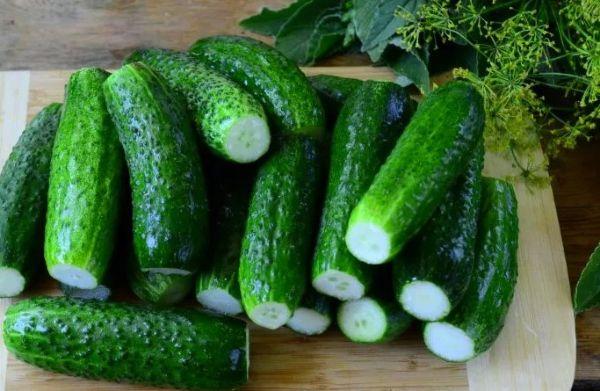
Cut off the stems and tips of the cucumbers and place them in clean jars. Add the garlic and aromatic herbs. Dissolve the specified amounts of salt and sugar in three liters of water, bring to a boil, and pour the marinade over the jars. Place the jars in a sterilizer and seal with metal lids.
Spicy recipes
Allspice peas, chili, basil, mustard seeds, coriander, onion rings, or carrot slices are used as piquant seasonings to enhance the flavor of the preserves. It all depends on the cook's preference.
Related posts:
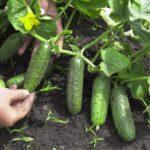 Top 50 Best Cucumber Varieties for Polycarbonate Greenhouses with Descriptions
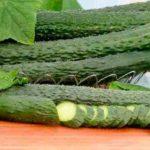 Description of the best varieties of Chinese cucumbers, planting, growing and care
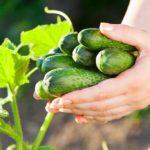 TOP 30 best varieties of cold-resistant cucumbers with descriptions and characteristics
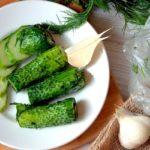 TOP 10 recipes for quickly preparing lightly salted crispy cucumbers using cold and hot methods in a saucepan
 20 simple step-by-step recipes for pickling cucumbers for the winter
 35 Best Powdery Mildew-Resistant Cucumber Varieties with Descriptions
 Description of the best varieties of pickling and barrel cucumbers for greenhouses and open ground
 The best cucumber varieties for open ground in the Moscow region and their cultivation