
The Yabloki Na Snego tomato is suitable for Siberian and Ural conditions: the variety's characteristics and description place it among the crops with universal use and cultivation. A good tomato harvest can be obtained in both greenhouses and garden beds. Gardeners rarely use this variety for greenhouses.
General appearance of the plant
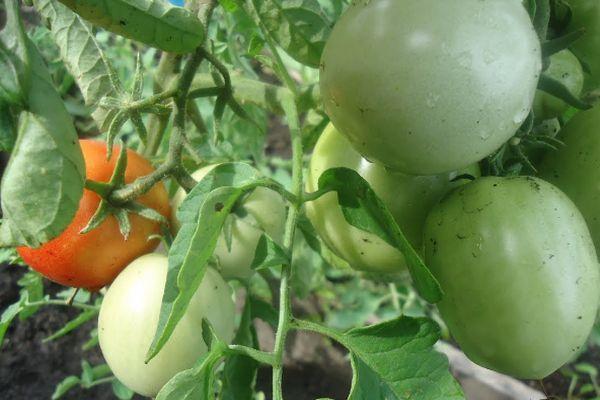
The Yabloki na Snegu (Apples on the Snow) tomato variety is classified as a determinate variety. The bush quickly forms 4-5 branches with flowers and ovaries, and then stops growing. The fruits ripen uniformly, but after this, the plants must be removed from the beds, as they do not set further fruit. When growing tomatoes in greenhouses, this creates inconveniences: areas occupied by early-ripening tomatoes that quickly finish fruiting remain empty from mid-season.
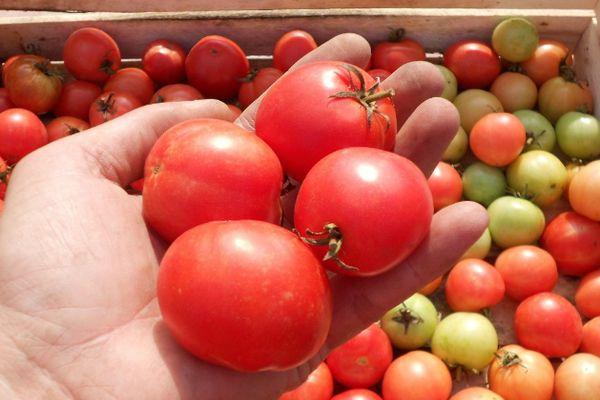
Snow Apple tomato bushes grow to just 50 cm in height. They don't require staking and rarely produce side shoots, so they require little care. If the beds were prepared in the fall and enriched with organic matter and minerals, the plants don't require fertilizing. They are resistant to most common diseases and don't require antifungal treatment.
The variety yields 2.5-3 kg per plant. Tomatoes can be planted quite densely, with up to 6 plants per square meter. The yield per unit area can be quite high, reaching 15-18 kg.
Due to the compact size of the bushes, Apples on the Snow is also appreciated by those without a garden plot. Reviews from these gardeners indicate that the tomatoes can be grown successfully on a balcony or window. The poorly developed root system allows this variety to be planted in containers of approximately 5 liters. When growing this way, it is important to water the plants regularly.
Description of fruits
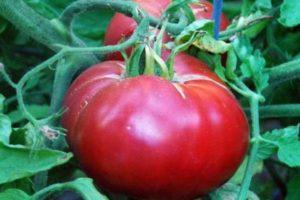
The fruit is round, without ribbing. The tomatoes are slightly flattened at the ends. A cluster produces 7-10 tomatoes of equal size and weight (50-70 g). The ovaries ripen simultaneously and mature with a slight delay. The first ripe tomatoes can be picked as early as late June, and after 10-12 days, large numbers of tomatoes begin to ripen en masse.
The skin of the Apples in the Snow tomato is firm but thin. It doesn't feel rough when eaten fresh, and it doesn't crack when canned. The skin is bright red, uniform in color, with no green spots near the stem.
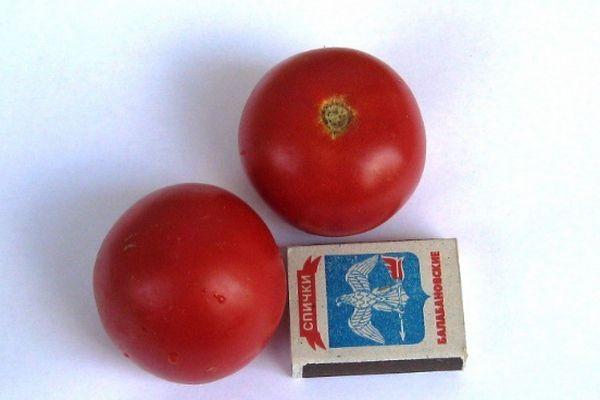
The flesh is quite firm but not dry, with a pleasant, meaty texture. It retains its firmness when canned. The flesh is red, with a small uncolored area near the stem. The flavor is average: these sweet and sour tomatoes lack either exceptional sugar content or an exotic flavor or aroma.
In terms of their intended use, Apples in the Snow tomatoes are considered a versatile variety: they're delicious fresh and also suitable for winter preserves. Their thin skin makes them a pleasant addition to salads, while their thick outer walls make them suitable for stuffing, snacks, and baking.
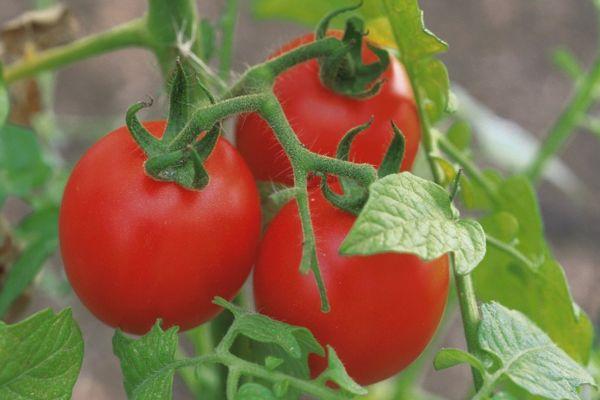
Tomatoes can be preserved for winter in a variety of ways. Calibrated tomatoes are ideal for canning whole tomatoes. Processing them yields excellent tomato juice or puree, which can be used to make various sauces and lecho, or can be simmered to form a paste. Smaller tomatoes can be dried: they won't have the delicate sweetness of specialty varieties, but they are perfectly suitable for sandwiches.
How to grow apples in the snow?
To sow seeds, use store-bought soil or create your own soil mix by combining equal parts fine sand, garden soil, and humus. For every 5 kg of soil used for planting tomatoes, add 1 tablespoon of ground chalk or eggshells. To kill pathogens, soak the soil in a hot, dark pink solution of potassium permanganate or bake it in the oven for 30 minutes.
Take a look Also

Spread the seeds over the surface of pre-moistened soil and sprinkle with dry sand. Plant them no more than 0.5 cm deep. Cover the prepared containers with plastic wrap and place them in a warm place (25°C). When seedlings appear, remove the plastic wrap.
Seedlings are pricked out when 1-3 true leaves appear. When transplanting, the stems should be buried 1.5-2 cm deep. Seedlings are planted in a 10x10 cm pattern. Further care for the seedlings consists of timely watering.
When planting in a permanent location, follow a 30x50 cm pattern. This allows for six plants per square meter and maximizes the yield. Under these conditions, tomatoes fill out quickly and ripen evenly. Avoid overly dense plantings, as they will lack sunlight, which will affect flower formation. In cold, rainy summers, overly dense plantings can encourage the spread of late blight pathogens.
Related posts:
 Is it possible to preserve apples for the winter at home and how do they last?
 The best recipes for pickled apples at home for the winter in a 3-liter jar, using the cold and hot methods
 27 Best Homemade Apple Jam Recipes for the Winter
 How to properly freeze apples for the winter at home in the freezer and fruit storage rules
 TOP 6 recipes for pickled tomatoes in snow with garlic for the winter for a 1-3 liter jar
 Simple recipes for thick apple jam and confiture for the winter at home
 14 Best Recipes for Making Whole Apple Compote for the Winter
 Step-by-step recipes for pickling whole and sliced apples at home for the winter in jars
An excellent variety, these tomatoes are great for pickling, as they are small and fleshy. They grow without problems, and no special fertilizers are needed. For feeding, I recommend buying BioGrow.