
- Dosage form and components in the composition
- Mechanism of action and purpose
- Pros and cons
- How to use correctly
- As a basic fertilizer
- As a top dressing
- Prevention and protection of plants
- When to apply
- In the spring
- In the fall
- Safety precautions
- How to store it correctly and for how long
- What to replace it with
For full development, plants require organic and mineral fertilizers. These substances must be applied in the correct dosage. More and more gardeners are opting for the universal Borofoska fertilizer. This product contains a complex of essential microelements for plants. Boron is considered one of the most valuable components of this fertilizer. Without it, garden crops cannot grow, flower, or bear fruit properly.
Dosage form and components in the composition
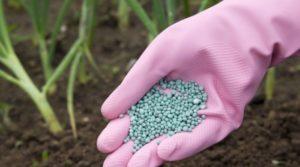
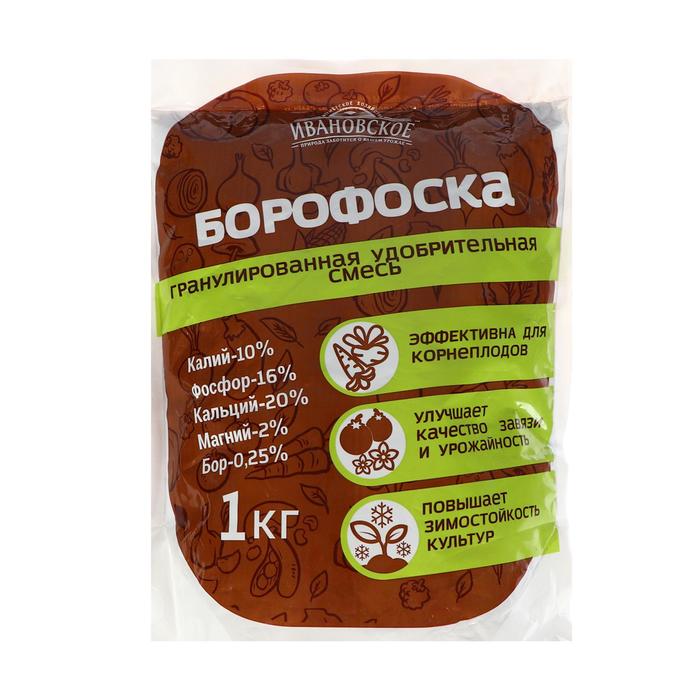
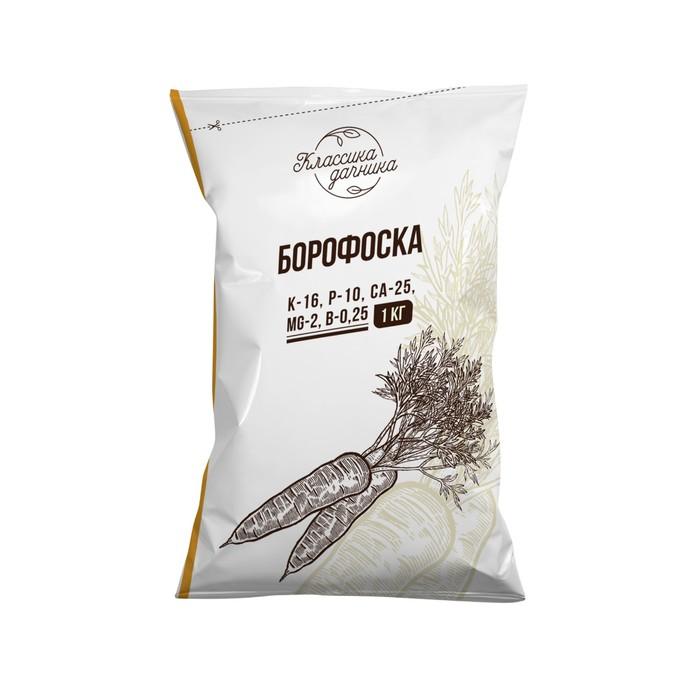
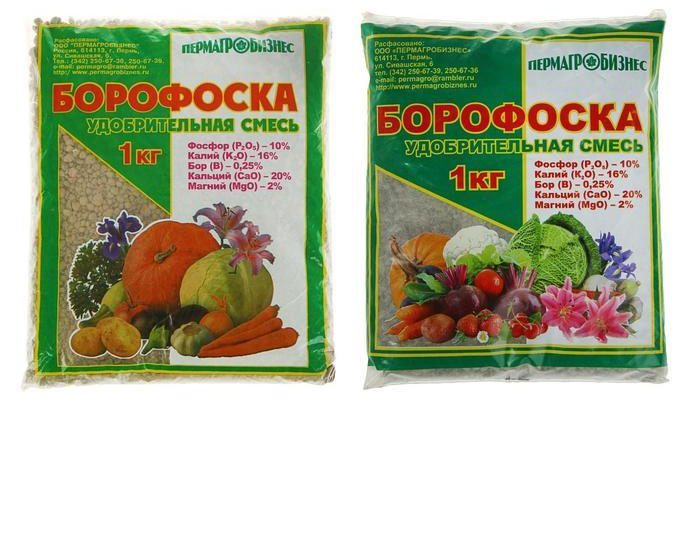
Borofoska is a universal, balanced fertilizer available in granular form and containing essential micro- and macroelements for plants. The fertilizer contains the following:
- 20% calcium – this mineral is essential for fruits. It resists infection by putrefactive bacteria and helps strengthen tissue cells. It plays a role in metabolic processes and promotes the complete synthesis of proteins and carbohydrates. It restores ion balance and facilitates nitrogen absorption.
- 16% potassium – this substance ensures normal protein and carbohydrate metabolism. It promotes the full development of vegetative parts and helps accumulate sugars and vitamins. It also improves the shelf life of fruits.
- 10% phosphorus – this component promotes root restoration and strengthening. This substance prepares plants for flowering and has a beneficial effect on the development of fruits and ovaries.
- 2% magnesium – this element optimizes photosynthesis and stimulates the development of above-ground parts. It also ensures excellent tillering of plants.
- 0.25% boron – this component stimulates nucleic acid metabolism, promotes flowering, and provides protection against pathogenic microflora. It also helps combat blackleg and dry rot. It helps prevent root and core rot.
Mechanism of action and purpose
Using Borofoska on garden plants achieves a comprehensive effect. The product helps achieve the following results:
- accelerate growth and development;
- activate metabolism;
- normalize protein and carbohydrate metabolism;
- provide plants with energy;
- strengthen the immune system.
Borofoska can be used multiple times. It is approved for use in rooting seedlings.
It can be used on roses and other garden flowers. The substance can then be used to strengthen immunity, increase crop yields, and protect against diseases. These treatments typically need to be repeated twice during the season.
Pros and cons
The application of Borofoska achieves a number of positive effects. The product offers the following advantages:
- optimal proportions of components;
- no risk of accumulation of the product in the soil;
- ease of assimilation of components;
- absence of chlorine substances in the composition;
- no risk of phosphorus leaching from the soil;
- preventing the accumulation of nitrates and heavy metals in fruits;
- strengthening the immune system;
- ensuring full vegetation, flowering and fruiting;
- reducing the alkaline reaction in the soil.
How to use correctly
To ensure the product achieves its desired effect, it's important to learn how to use it correctly. The substance can be used as a primary or secondary fertilizer. It's also often used for preventative purposes.
As a basic fertilizer
As a primary mineral fertilizer, Borofoska can be used on all soil types. It is applied throughout the entire fruit development and ripening period. When applying Borofoska, it is important to adhere to the following guidelines:
- For autumn plowing, 85-95 grams of the product should be applied per 1 square meter.
- When digging up the trunk circle of fruit and ornamental plants in the fall, it is worth using 30-40 grams of the substance.
- For young trees and bushes, 30 grams of the product will be sufficient.
- Before planting potatoes and other root crops, apply up to 70 grams of fertilizer.
As a top dressing
Using additional nutrients in spring and summer ensures full fruiting and the ripening of a high-quality crop. Borofoska can be used in granular or working solution form. To prepare and use a nutrient solution, follow these steps:
- Take 1 tablespoon of the preparation and mix with 8-9 liters of water.
- Use no more than 1 liter of liquid per plant.
- Water the pre-moistened soil with the solution.
- Apply fertilizer 3-4 times during the season, at intervals of 2-3 weeks.
For pears, apples, raspberries, gooseberries, and currants, Borofoska should be applied in liquid form. The following should be considered:
- Take 2-3 tablespoons of the substance and mix with 10 liters of water.
- Water the tree trunk circle.
- Use 5-10 liters of the substance per plant. The exact dosage depends on the plant's age.
Prevention and protection of plants
Borofoska can protect garden plants from blossom-end rot. As this disease progresses, tomatoes and peppers begin to turn black at the tips. Gradually, the infection affects all the fruit, leading to yield losses. The problem is believed to be caused by calcium absorption issues. Darkening of the fruit at the base is caused by boron deficiency.
In such cases, it's worth using Borofoska. It can be used both outdoors and indoors. Tomatoes and peppers should be treated for the first time at the ovary formation stage. Experienced gardeners even add a pinch of the fertilizer to the planting holes. In this case, use no more than 1 small spoonful.
When to apply
To ensure the product achieves its desired effect, it's important to adhere to the application schedule. This product can be used at any time of year.
In the spring
With the arrival of spring, the soil needs nitrogen. Gardeners use calcium nitrate or urea. In late spring, Borofoska is very useful. It stimulates bud formation, flowering, and fruit set. In summer, it protects plants from diseases and strengthens the immune system.
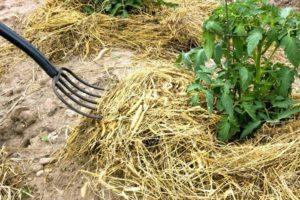
When applying Borofoska in spring, you should be guided by the following standards:
- For grasses and green manure, it is recommended to apply up to 100 grams of the preparation per 1 square meter.
- Before planting legumes, flax and cereals, 60-65 grams of the substance should be used.
- When digging up a plot before planting vegetable crops, it is worth using up to 6 kilograms of fertilizer per 100 square meters.
In the fall
In the fall, it's best to use fertilizers that contain a minimum of nitrogen. This will help plants prepare for the dormant period. Borofoska is nitrogen-free, but it does contain high amounts of potassium and phosphorus. These nutrients are beneficial for apple trees, pear trees, and shrubs. Gardeners recommend applying 40 grams of the product per square meter.
Safety precautions
This product can increase soil acidity. It should not be used when growing plants that are intolerant to acidic soil. Wear personal protective equipment when handling the fertilizer.
How to store it correctly and for how long
The medication should be stored in a dry, dark place. It should be kept in its original, sealed packaging. In this case, the shelf life is 2 years.
What to replace it with
Effective analogues of Borofoska include:
- "Good master";
- "Atlanta";
- Granfoska.
Borofoska is a beneficial fertilizer that has a beneficial effect on plants. To ensure effective application, it's important to follow the instructions carefully.