
- Chemical composition of lentils
- Calorie content and nutritional value
- Benefits and harms to the human body
- For men
- For women
- For children
- Use for various ailments
- Norm for consumption
- Can you eat sprouted lentils?
- How to preserve beneficial properties during cooking?
- Folk recipes with lentils
- Contraindications for use
- Germination method
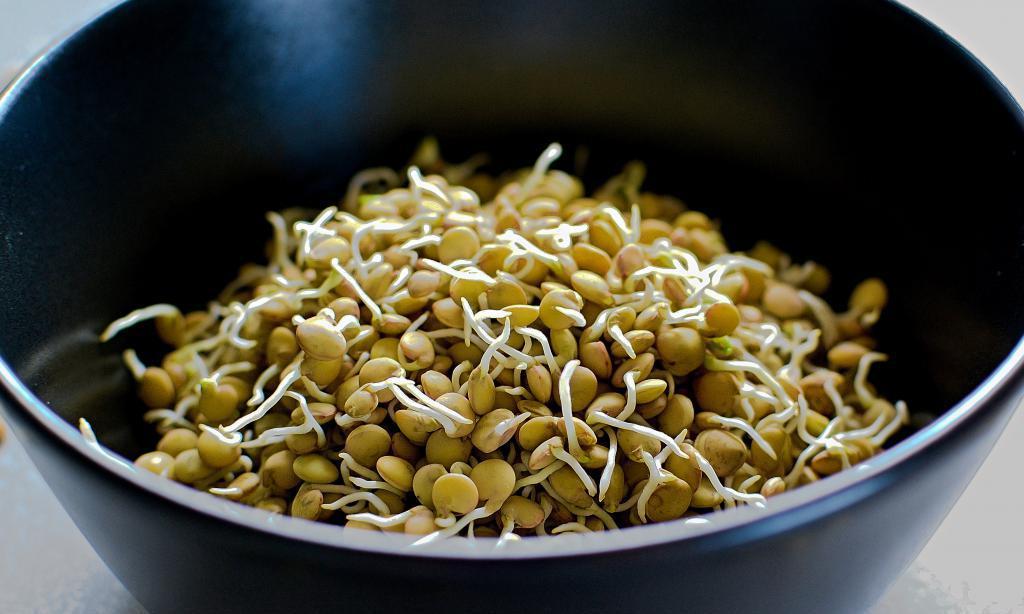
Many people are interested in The benefits and harms of sprouted lentilsThis product improves health and helps with a variety of conditions. It contains a large number of vitamins and microelements. This makes it suitable for combating anemia, improving vascular health, and preventing infections. It's important to note that this product has contraindications. Therefore, it's important to read the list of restrictions before using it.
Chemical composition of lentils
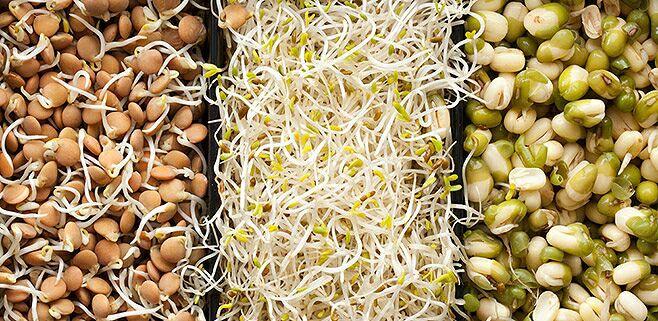
Sprouts are extremely healthy. This is due to their unique composition. They contain a high amount of protein and carbohydrates, which provide the human body with energy.
The iron and mineral content helps improve blood composition and saturate soft tissues with this element. Sprouts contain many amino acids, including the following:
- lysine – normalizes calcium absorption and promotes its transport to bones;
- tryptophan – improves mood and normalizes sleep;
- Methionine – copes with depression, eliminates inflammation and liver pathologies, relieves muscle pain;
- Thiamine – improves glucose production and promotes carbohydrate absorption.
Sprouted lentils contain many vitamins and minerals. They also contain a large amount of fiber, which makes them beneficial for the digestive system.
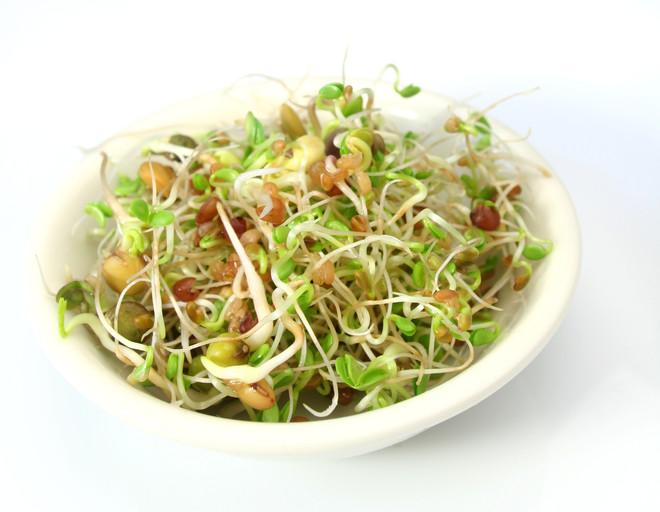
The composition contains a whole complex of vitamins:
- A – normalizes the functions of internal organs, improves immune function, increases resistance to viral infections.
- Group B – normalizes the absorption of beneficial elements, regulates lipid metabolism, and enhances protective functions.
- E – normalizes digestion, strengthens the immune system, improves the appearance of skin, nails, and hair.
- K – helps to cope with injuries, eliminates internal bleeding and ulcerative defects.
- D – strengthens bones, regulates hormonal balance.
- PP – maintains normal functioning of the body.
- U – heals damage to mucous membranes.

Calorie content and nutritional value
Raw lentils contain 106 kilocalories. They contain carbohydrates but are almost fat-free. Boiled lentils contain 111 kilocalories, while roasted lentils contain 101 kilocalories.
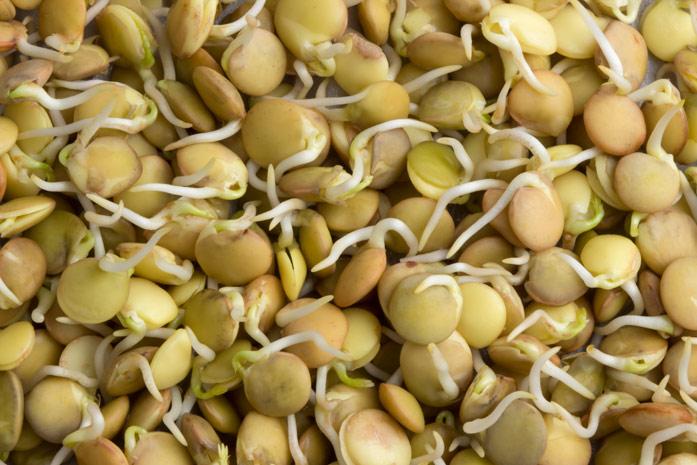
100 grams of lentils contain the following components:
- 25 grams of protein;
- 1.6 grams of fat;
- 46.5 grams of carbohydrates;
- 15 grams of water;
- 2.8 grams of ash.
Benefits and harms to the human body
Before consuming sprouts, it's worth reviewing basic medical advice. The product benefits a variety of people.
Systematic consumption of sprouts can improve the condition of the body:
- normalize the functions of the digestive organs;
- improve the functioning of the genitourinary system;
- strengthen the immune system;
- normalize the appearance of the skin;
- strengthen nails and hair;
- increase hemoglobin levels.
For men
Eating beans helps men cope with genitourinary disorders. They also normalize hormonal balance, increasing testosterone levels.
For women
Lentil sprouts help manage reproductive system disorders and alleviate the unpleasant symptoms of menopause.
For children
Consuming this product in childhood stimulates growth processes. It strengthens bones and normalizes brain function.
Use for various ailments
Sprouts can be used to prevent viral infections. Consuming the product after an infection significantly alleviates its progress. The product contains a large amount of potassium, which is beneficial for arrhythmia and helps combat atherosclerosis.
It also contains easily absorbable iron, which helps increase hemoglobin levels and stimulates the production of new blood cells.
The valuable properties of sprouts help to use them in such cases:
- treatment of anemia;
- combination treatment of uterine bleeding;
- improving the condition of blood vessels and eliminating excessive bleeding;
- prevention of bronchitis and pneumonia;
- recovery from colds and tonsillitis.
Norm for consumption
Nutritionists recommend not consuming this product more than twice a week. This is due to the presence of components that interfere with the absorption of nutrients.
Can you eat sprouted lentils?
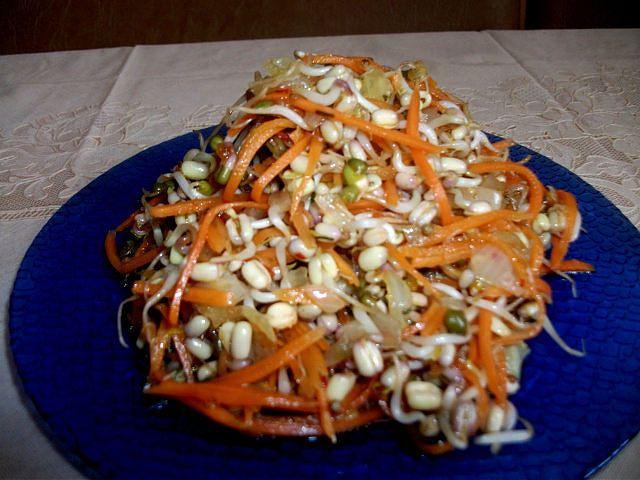
Lentil sprouts are used in a variety of ways, including cooking. They're often added to soups and salads. They can also be used as a seasoning for main courses. A salad with lentil sprouts is a wonderful source of nutrients.
The plant pairs well with vegetables. It can be safely combined with cucumbers and tomatoes. Lentils and arugula are especially beneficial. These components have a beneficial effect on the body. Sprouts are beneficial for the stomach, provided there are no digestive disorders.
How to preserve beneficial properties during cooking?
The product can be stored in the refrigerator for up to 5 days. Do not soak the beans before cooking. They should be sorted and used. Sprouts are best eaten fresh. However, they can be added to boiled and fried dishes.
Folk recipes with lentils
Sprouts can be mixed with additional ingredients. This increases their nutritional value. Combining them with dried fruits is especially beneficial:
- Pour boiling water over the prunes and dried apricots and leave for a quarter of an hour;
- chop dried fruits;
- mix with a glass of lentil sprouts;
- add a little sesame oil to the mixture;
- add sesame seeds and stir.
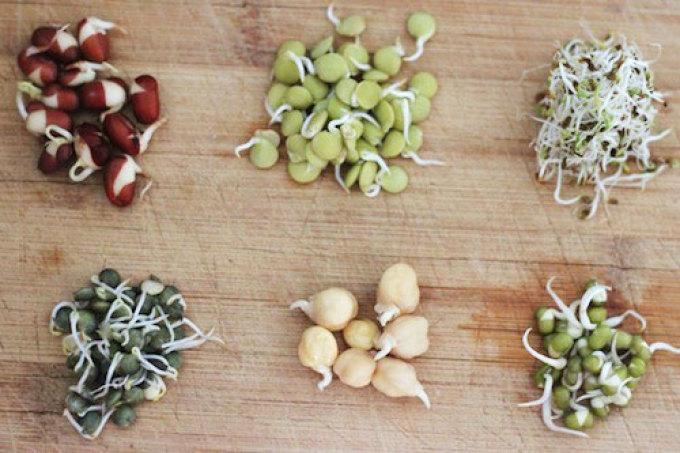
Also, grains and sprouts can be mixed with fruits:
- take 1-2 apples and grate them;
- add 100 grams of sprouted lentils;
- season with honey;
- mix thoroughly;
- You can add a little cinnamon.
A good option would be a mixture of sprouts and chickpeas;
- mix sprouted lentils and chickpeas;
- add 1 tablespoon of olive oil;
- add 1 spoon of flax and sesame seeds;
- season with honey.
Contraindications for use
Lentils are a legume, so they promote increased gas production in the intestines. This product is not recommended for people with digestive disorders. Dysbacteriosis is also considered a contraindication.
It is recommended to limit lentil consumption in the presence of gallbladder and kidney pathologies.
Contraindications include gout, joint damage, and uric acid diathesis. The product leads to the production of purines. Therefore, it is not recommended for people with arthritis.
Germination method
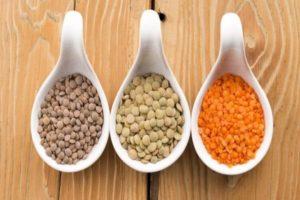
Any variety of lentils can be sprouted. Larger seeds take slightly longer to germinate, but they produce a more flavorful product. To sprout, take whole lentils and rinse them under running water. Place them on a plate. You'll need about a handful of lentils. Pour water over them, making sure the water completely covers the lentils. Experienced lentilists recommend using about 150 milliliters of water for an average-sized handful of lentils. This ensures a high-quality sprout.
Take a look Also

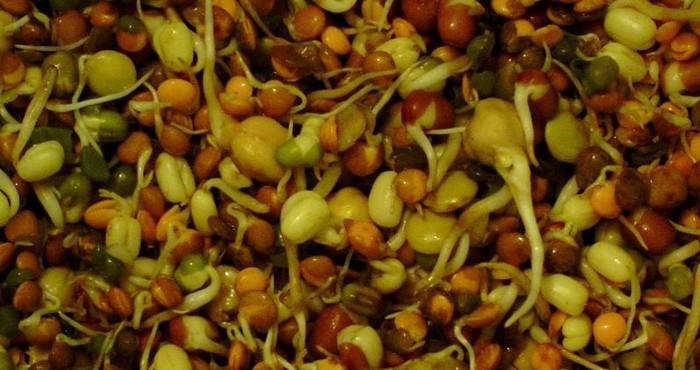
The next day, drain the water, rinse the seeds, and place them back on the germination plate. Add a small amount of water and cover with several layers of damp cheesecloth. Soak the lentils for three days. Sprouts should appear on the second day.
When soaking plants, there's a risk of rot. The main causes include poor-quality water, insufficiently clean containers, or poorly washed beans. Therefore, it's important to ensure the cleanliness of the product and container.
You can also sprout lentils using the jar method. To do this, separate the large seeds from the small ones and transfer them to a 1-liter jar. Rinse the lentils. Then fill the jar three-quarters full with water. For 1 cup of lentils, you'll need 200 milliliters of liquid.
After 24 hours, rinse the beans and add enough water to completely cover them. Soak for another day at 15 degrees Celsius (59 degrees Fahrenheit). On the second day, you'll see the first sprouts. However, germination will take at least 3 days.
Sprouted lentils are a very beneficial product used to treat various ailments. To ensure maximum benefit, strictly follow the sprouting and consumption instructions. It's also important to be aware of any contraindications.
Related posts:
 The benefits and contraindications of lentils for the human body
 How and where lentils grow, description of varieties and cultivation technology
 Description of the types and varieties of lentils: green, red and orange, their differences and distinctions
 Is it safe to eat lentils while breastfeeding? Benefits and recipes
 The benefits and harms of lentils for weight loss, rules of consumption, and the best recipes
 The benefits and harms of peanuts for the human body, properties and contraindications
 The benefits and harms of gooseberries for human health, properties and uses
 The best eggplant varieties for growing in a polycarbonate greenhouse: planting and care