
- Description and characteristics of lentils
- Popular varieties
- Specifics of crop cultivation
- Preparing the soil for lentils
- Pre-sowing seed preparation
- Sowing lentils
- Combination with other plants
- The intricacies of caring for lentils
- What fertilizers should be applied?
- Irrigation scheme
- Treatment against diseases and pests
- Anthracnose
- Ascochytosis
- Gray rot
- Pea aphid
- Snails and slugs
- Methods of reproduction
- Growing characteristics in different regions
- Cleaning and storage
This valuable legume crop originated in Southwest Asia due to its excellent taste. Lentils are considered the recognized leader among legumes in terms of their vegetable protein and essential amino acid content. They can be grown in gardens if you understand how they grow and what care methods are needed. Various varieties have been developed, each with its own distinctive color and grain quality.
Description and characteristics of lentils
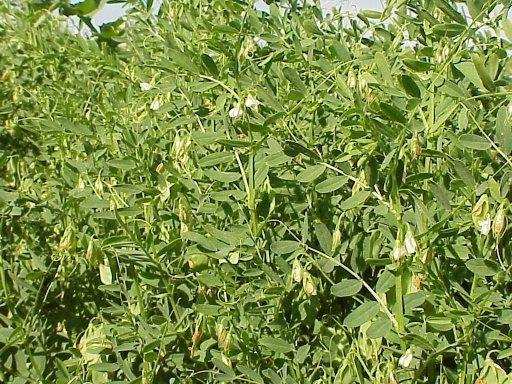
The plant is an annual. Green, paripinnate leaves on short petioles appear on erect or prostrate stems. The blades end in a tendril or rudimentary tendril. The lentil flower is white, pink, or purple, small, up to 4-8 millimeters in diameter. After flowering, small diamond-shaped fruits appear. Each bivalve pod contains up to 1-3 seeds. The color of the pod shell varies depending on the variety. Many of the beans resemble small coins and reach 2-9 millimeters in size.
The crop is grown with both large and small grains. With proper care, lentil yields can reach up to 22 centners per hectare. It is successfully grown in the Saratov region and Kazakhstan.
Popular varieties
A distinction is made between food and fodder lentils. Black, green, and red lentils are used for grain production. Salad green varieties are used in salads and as a side dish. Black grains are suitable for soups. Brown varieties are used in soups and porridges.
Among the varieties of lentils, the most popular ones are:
- The mid-season Lyubava variety is prized for its high-quality grains. It takes 75 days for the plant to reach full maturity. The bright yellow lentils are harvested in July and August.
- The Luganchanka hybrid boasts excellent flavor and yield. The plants are drought-tolerant and resistant to lodging.
- Petrovskaya is famous for its large grains.
- The small black beluga lentils resemble the caviar of a valuable fish.
- The mid-season Puy variety was developed by French breeders. It is distinguished by its marbled color and unique flavor.
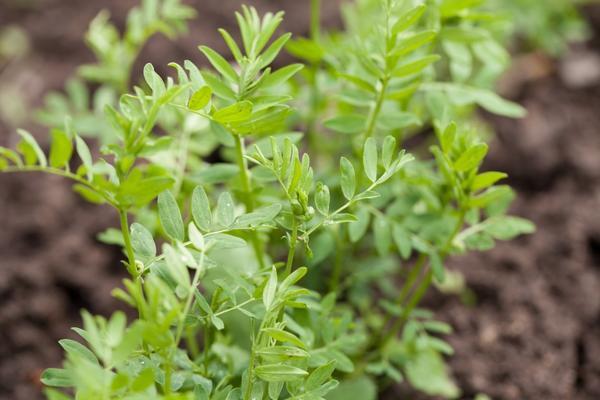
Green lentils are a variety of brown lentils. The seeds are harvested immature.
Specifics of crop cultivation
Lentil cultivation technology is similar to that of legumes. The plants are undemanding and easily tolerate weather and climate extremes. They are also demanding in terms of light and soil composition.
Preparing the soil for lentils
Prepare a well-lit area for the legumes. The soil should be loamy or sandy. The key is neutral pH and looseness.

Legumes prefer medium-nutrient soil. This can be improved by adding superphosphate and potassium salt. 50 grams of fertilizer per square meter of soil is sufficient. In the fall, dig the soil after applying fertilizer. You can sprinkle a bucket of compost, but too much nitrogen in the soil is undesirable for the plants. In areas with high levels of nitrogen fertilizer, foliage growth begins, to the detriment of the beans.
Pre-sowing seed preparation
To prevent diseases, soak seeds in a pink solution of potassium permanganate for 20-30 minutes. A boric acid solution will also work. Rinse and dry the planting material.
It's recommended to soak the seeds in a growth stimulant for 24 hours. This will increase germination by 20%.
Sowing lentils
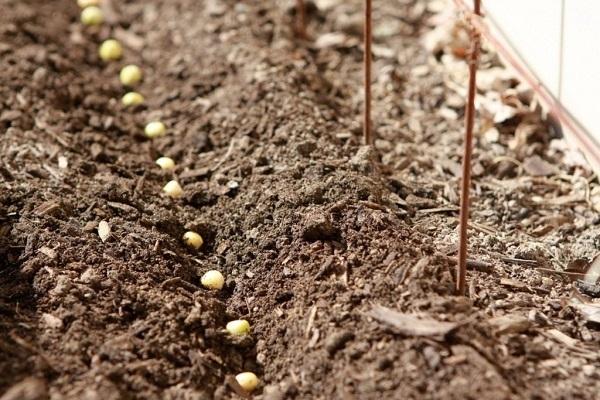
The prepared soil at the lentil planting site is loosened or dug over. After harrowing, furrows are made 4-5 centimeters deep. The seeds are planted in these furrows at a distance of 10 centimeters. The density of the seeding should be optimal to reduce weed infestation. This is important for farmers cultivating legumes on an industrial scale. The soil should be lightly compacted and sprinkled with wood ash.
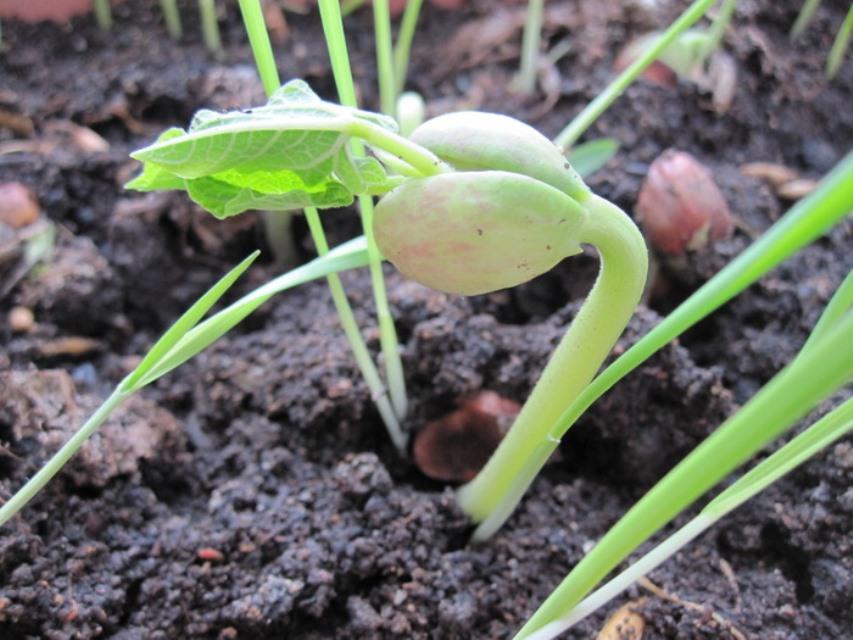
The crop is easy to grow. Two weeks after sowing, it produces uniform shoots. The vegetable grows slowly indoors, but this is considered completely normal. After flowering, lentil growth will accelerate.
Combination with other plants
It's best to plant lentils in areas of the garden where potatoes and corn were grown. Lentils pair well with all vegetables. Their presence enriches the soil with nitrogen, which is important for the growth of potatoes and tomatoes. Other legumes should not be planted near lentils. Furthermore, lentils should not be planted after rapeseed, sunflower, mustard, or flax.
The intricacies of caring for lentils
This vegetable crop is easy to grow. It requires regular weeding between rows. Legumes respond well to fertilizers containing phosphorus and potassium.
What fertilizers should be applied?
Nitrogen fertilizers should be applied before planting. Manure should not be used, as this will result in increased green mass instead of bean production.
During the flowering period, use wood ash as a fertilizer. It contains both phosphorus and potassium. Water the beds every two weeks.
Irrigation scheme
This vegetable plant is considered a moisture-loving crop. During dry summers, seedlings need generous watering. Before flowers appear, the crop requires significant irrigation, especially for large-seeded varieties. During periods of drought, the leaves begin to curl and the flowers fall off.
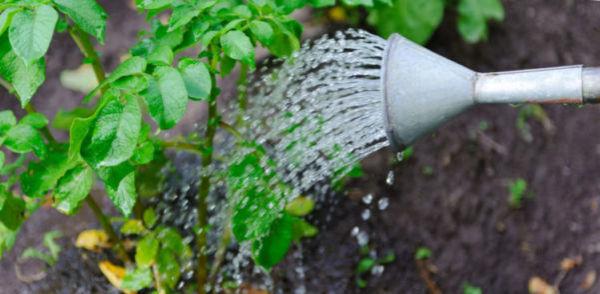
During flowering, reduce watering. Excessive moisture will negatively impact fruit set. High humidity prolongs the growing season, and plants are more susceptible to disease.
Treatment against diseases and pests
Compared to other legumes, lentils are rarely affected by pathogenic microorganisms. Only under unfavorable weather conditions and high air and soil humidity do plant diseases develop. Weed infestations in lentil fields contribute to the development of infections. Timely application of herbicides will prevent weeds.
The drug "Kinetic" is effective; one treatment with it is enough for the entire growing season of the legume crop.
Anthracnose
The disease is accompanied by yellowing and drying of leaves. The fungus is spread by wind from plant debris. Disease can be prevented by regularly removing plant debris after harvest, weeding, and burning it. Chemical control methods include treatment with Fitosporin.
Ascochytosis
One of the most serious diseases is associated with poor-quality seed material. Spores persist in plant debris. All green parts of the plant become covered with brown spots. These spots can also be found on beans. Over time, the center of the spot becomes lighter, and dark spots appear. The pathogenic fungus remains in infected seeds for a long time. Infection of the planting material can be identified by its appearance. The seeds are shriveled and germinate poorly.
To prevent ascochyta blight, seeds should be treated with the preparation "Olympus" or "Olympus Grand" before planting.
Gray rot
Botrytis fungus attacks the soil or stems and beans, causing their rot during flowering and fruit formation. The pathogen is most active in weed-infested fields and densely populated crops prone to lodging during wet and cold summer periods.
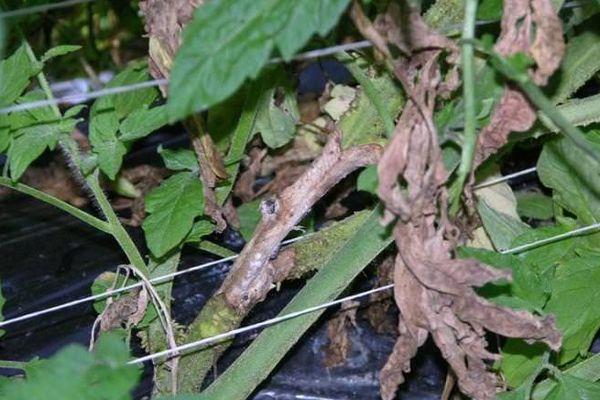
The disease can be identified by:
- leaf fall;
- lack of bean filling;
- grayish coating on the tissues of stems and leaves.
Gray spores are visible when cleaning fungal-infected areas. They rise into the air, making breathing difficult.
To restore the health of diseased plants, treat them with the fungicide "Varro." Two treatments are sufficient to protect the plants from fungal infection.
Pea aphid
One of the main pests of legumes, this aphid reaches only 2 millimeters in length. These black, soft-bodied pests suck the juices from leaves, young shoots, and inflorescences. Aphid colonies quickly expand, causing significant damage to lentil crops.
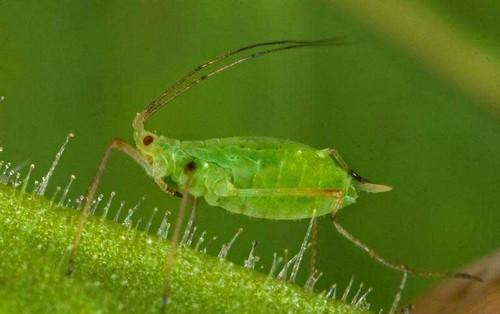 In case of a massive infestation of the pest, it is necessary to carry out 2-3 treatments with insecticides.
Snails and slugs
High soil moisture in lentil beds will lead to snail attacks during the day and slugs at night. They eat the plant leaves, contaminating everything with their droppings and mucus. Mustard powder is effective against pests. Sprinkle it over the lentil beds, but only in dry weather. Wood ash is a good deterrent. It also makes an excellent fertilizer for the plant. Pest traps are also helpful. Pieces of slate or planks can be placed near the bed. Slugs can be easily found and collected under them.
Of the chemical agents, the drug "Groza" is effective and is used according to the instructions.
Methods of reproduction
Like all annual crops, lentils are most often propagated by seeds. Before planting, the seeds are treated with disinfectants, fungicides, and growth stimulants. They are planted in the spring, after the danger of frost has passed. For better seed germination, the soil should be warmed up to 5-10 degrees Celsius.
In areas with late springs, lentils are sown first for seedlings. This is done a month before planting outdoors. During this time, the seedlings will become strong and will be able to bear fruit successfully.
Growing characteristics in different regions
The benefits of lentils for humans are obvious. The beans contain easily digestible protein. Therefore, they are grown everywhere. In the south, the plant can be grown with ample moisture. Although many varieties are drought-tolerant, yields will be higher with frequent watering. In fact, lentils naturally thrive in the soils of southwest Asia, where heat and high humidity combine.

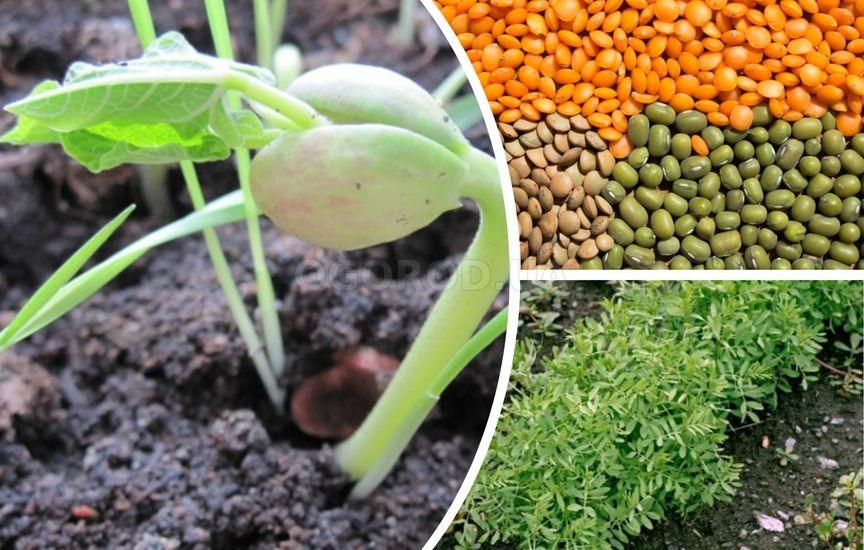
Those living in Siberia can also grow lentils at their dacha. Just be sure to choose early-ripening varieties. The Volga region is suitable for growing legumes on an industrial scale. The Southern Urals have a suitable climate for cultivating the plant. Breeders have developed their own varieties for each region. varieties of lentils.
Cleaning and storage
The main crop of the crop is formed on the lower and middle branches. The lower beans are harvested first. As they approach maturity, they turn brown. Unripe beans can also be harvested. They are successfully eaten green.
Harvesting should be done with a combine harvester, ensuring the dried seeds are threshed promptly. Delays in harvesting will reduce the quality of the grain.
Next, the lentils are cleaned and sorted. If the seeds are still damp, they should be dried in ventilated areas. Store the prepared lentils in dry areas. Avoid piling them in a thick layer, as this will cause the seeds to rot.
Related posts:
 The benefits and contraindications of lentils for the human body
 Description of the types and varieties of lentils: green, red and orange, their differences and distinctions
 The benefits and harms of sprouted lentils, their chemical composition, and advice from doctors
 Is it safe to eat lentils while breastfeeding? Benefits and recipes
 The benefits and harms of lentils for weight loss, rules of consumption, and the best recipes
 How to propagate and grow peas, cultivation technology, and care in open ground
 What is basil and what does it look like, description of varieties and where it grows
 Causes and treatment of eggplant pests and diseases, how to combat them at home