
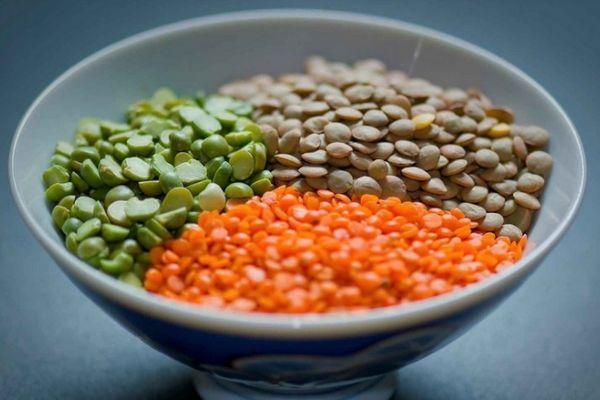
Lentils have been a staple in the human diet since ancient times. The plant belongs to the same legume family as peas and beans. The seeds cook quickly and are an inexpensive, low-fat source of protein, vitamins, minerals, and fiber. There are many varieties of lentils, varying in color, shape, and texture. Let's take a closer look at what lentils are and their health benefits.
Classification and description
Lentils are a plant in the legume family. Only one variety is cultivated—food grade. It is an annual plant that grows in bushes 30-75 cm tall. Its leaves are compound, paripinnate, and oval.
The flowers are small and vary in color. After flowering, a diamond-shaped bean forms, containing up to three seeds. These small oval grains can vary in color depending on the variety. Lentils have numerous beneficial properties, making them widely used in cooking. They can be mashed, fried, stewed, or added to soup.
Types of lentils
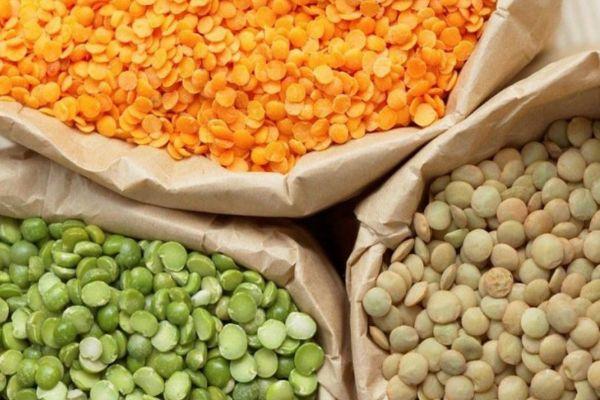
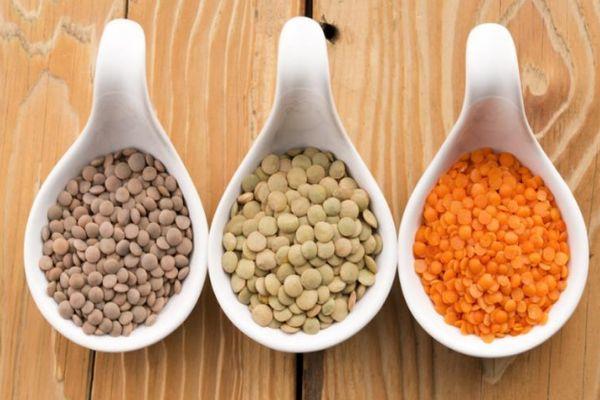
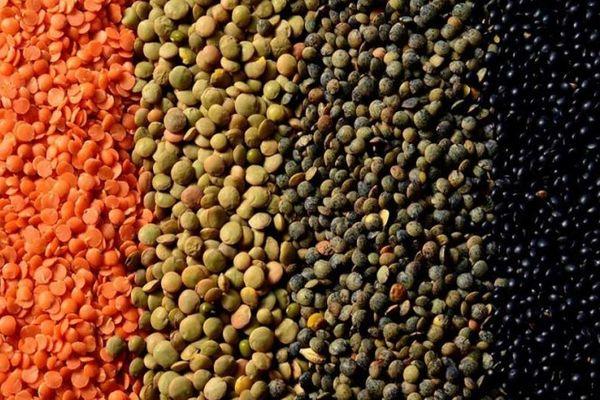
Lentils are classified by size, color, and seed shape. Lentils are classified by size as small-seeded or large-seeded. Lentils can also be classified as classic (green and red) or specialized (black and brown). Each of these types is associated with specific lentil varieties. Popular green lentil varieties in Russia include Novaya Luna, Oktava, Anfiya, and others.

Black lentils
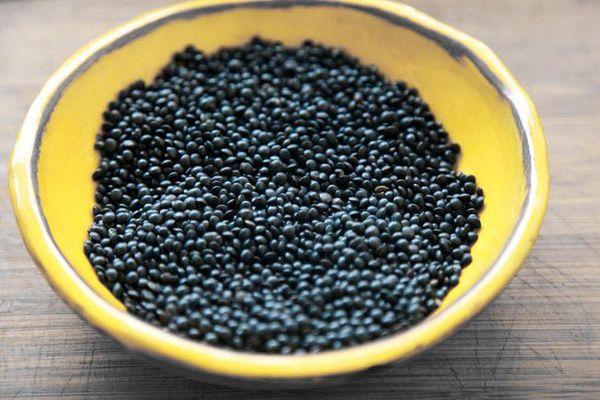
Black lentils are very popular, but also the most expensive. When cooked, the kernels resemble black caviar, but are slightly lighter. Because of this resemblance, this variety is often called "Beluga." The lentils are small—2-3 mm in diameter. Their surface is smooth and glossy. The flowers are darker than other varieties, ranging from dark pink to light purple.
The plant contains 35% protein. It also contains a substance that acts as an antioxidant, giving the fruit its black color. This variety was developed in Canada, but is most popular in India.
Red lentils
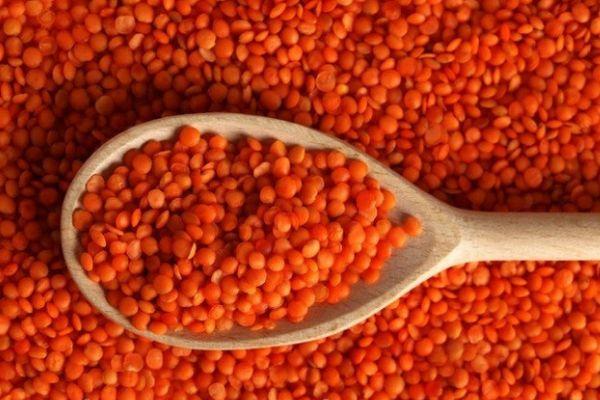
This crop is common in Asian countries. Its pale red color is why it's also called pink. The fruits are uncoated, so they cook very quickly. If cooked longer than necessary, they can become overcooked. Almost all of them have small seeds.
The plant contains a lot of protein, vitamins A and B, and other micronutrients. It improves digestion and has a positive effect on the body as a whole.
Green lentils
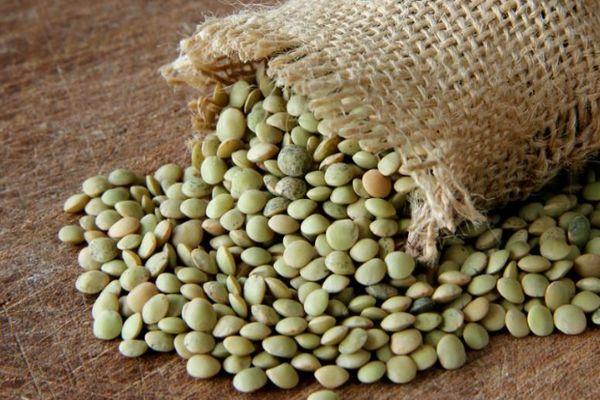
As mentioned above, green lentils are primarily grown in Russia. They are called "plate lentils" because their seeds are flat and resemble a plate. The lentils are large and green; small-seeded varieties are rare. Their color can vary from olive to dark green. They contain a high amount of protein.
Yellow lentils
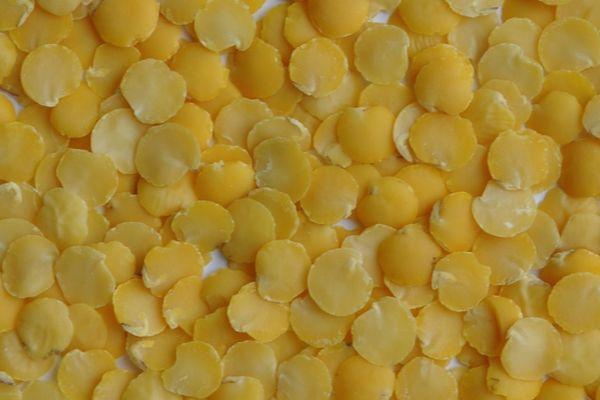
Yellow lentils are primarily grown in Europe, America, and Asia. However, they are most common in India, where they are used to prepare a traditional dish called sambhar. They have a high glycemic index (GI) of 30.
Some green varieties (Eston, Laird) have a special skin. If removed, the fruit takes on a yellowish tint. However, the yellow variety has a neutral flavor, while the green variety has a more pronounced one.
Mexican yellow lentils are the most common. They have very large seeds, and when cooked, they have a nutty flavor and pleasant aroma. Red-heart lentils are also popular.
Brown lentils
This is the most widespread variety of the plant in the world. It's easy to grow, so it's planted in many countries.
The most popular variety of brown lentil is Pardina. It's also called variegated because the lentils vary in color—some are slightly darker, others lighter. It's used to make soups and porridges. The seeds are quite hard and don't overcook, so they're used for canning.
This variety was developed in Spain but has become widespread worldwide. It has a thin shell and is fairly firm, so it doesn't fall apart when cooked. However, it's best to soak the seeds in cold water for several hours before cooking. This is the only variety that requires soaking.

Beneficial properties of the plant
Lentils contain up to 35% protein, comparable to meat and dairy products. Other nutrients include molybdenum, folate, tryptophan, manganese, iron, phosphorus, copper, vitamin B1, and potassium.
Lentils are also a source of phytochemicals and phenols. Lentils are often compared to meat due to their nutritional value, making them popular among vegans and vegetarians. Their seeds do not accumulate toxins and pesticides, so they have only positive effects on the body.
The plant has the following beneficial properties:
- Supports central nervous system function. 100 grams of cooked seeds contain 358 micrograms of folate—almost 100% of the daily requirement for this nutrient. This vitamin helps prevent birth defects in newborns.
- Helps regulate blood sugar levels. Fiber maintains blood sugar levels at a constant level.
- Its fiber content improves digestion. Its GI value ranges from 18 to 45, making it safe for diabetics. It binds and removes toxins from the body, making it suitable for use after food poisoning.
- Lentils strengthen the heart. They are a good source of magnesium, which is essential for the restoration of the heart muscle and circulatory system. Eating lentils provides the body with antioxidants, which reduce the risk of atherosclerotic diseases. They also prevent cell and gene damage and slow the aging process.
- Eating legumes can help prevent cancer. Research has shown that vegetable lectins, various types of plant protein found in lentils, have a significant effect on neutralizing cancer cells. Lectins induce cytotoxicity and apoptosis, meaning they have a high potential for cancer cell death.
- The plant speeds up metabolism, making it an excellent addition to your diet.
Lentils can be combined with a variety of foods, so there are a wide variety of recipes for preparing them. They contain slow-digesting carbohydrates, making them a great addition to your diet while losing weight.
Iron
Lentils are an excellent source of iron. Iron is an essential component of hemoglobin, which carries oxygen in red blood cells. In another form, called myoglobin, iron stores oxygen in muscles, so we have an extra supply ready to support our muscles when activity levels increase.
The immune system also requires iron, which supports white blood cell growth and serves as a prooxidant. These, in turn, help synthesize free radicals, which white blood cells use to destroy invading pathogens. One serving of lentils contains approximately 1 mg of iron, providing 37.5% of the daily value.
Vitamins
100 grams of cooked lentils contain approximately 20% of the daily value of potassium, zinc, magnesium, and vitamin B6, as well as 20 grams of protein. Lentils do not contain complete protein, as they lack two essential amino acids—methionine and cysteine. However, they are an excellent source of lysine. This amino acid is involved in the formation of serotonin, the happiness hormone.
The seeds also contain various vitamins:
- B Has a positive effect on the functioning of the nervous system and kidneys.
- B Regulates metabolism in the body. Improves the condition of skin, hair, and nails.
- Folic acid (B9). This is a very important micronutrient, especially for children. It is essential for bone marrow development. The plant contains the daily requirement of this vitamin.
- Nicotinic acid. Participates in metabolic processes, normalizes blood composition, and reduces cholesterol levels.
Furthermore, the plant is a source of electrolytes. Potassium is one of the most important electrolytes in the human body, along with calcium, phosphorus, magnesium, and sodium. As an electrolyte, potassium is essential for the proper functioning of all cells, tissues, and organs in the body. This element also helps regulate the amount of water in the body and maintain proper blood pH levels.
Lentils are recommended for children. Due to their high content of beneficial components, they boost immunity in children, making them an excellent preventative for various illnesses.
Phytoestrogens
Lentils contain a large amount of phytoestrogens. These are plant compounds whose structure resembles estradiol. Therefore, their consumption can cause an estrogenic effect. They reduce the risk of tumors and ease the symptoms of menopause. Green, orange, and brown lentils contain the highest amounts of phytoestrogens, while black lentils contain slightly less.
Calorie content of lentils
Dry green beans have more calories than cooked ones, at approximately 300 kcal. 100 g of cooked green beans contain approximately 120 kcal and a small amount of fat, which helps maintain a healthy weight.
Red lentils contain approximately 100 kcal per 100 g, yellow and brown lentils 105 kcal, and black lentils 110 kcal. However, if you cook them with other ingredients, the calorie content of the dish will change. Therefore, it's important to consider the calorie content of other ingredients when preparing the dish.
Harm and contraindications
Lentils are rich and nutritious, making them a safe choice for adults, children, the elderly, and even pregnant women. However, in some cases, their consumption can be harmful. Here are some contraindications:
- Impaired purine metabolism. The plant's seeds contain large amounts of these substances. Eating lentils with a purine metabolism disorder can lead to the development of gout.
- Kidney disease. The seeds contain a large amount of protein. Long-term consumption can damage the renal tubule epithelium. They also contain oxalate compounds, which deposit on the kidney surface and lead to kidney stones.
- Flatulence. Gases are formed when legumes are broken down by enzymes found in the intestines. Regular consumption of legumes will result in constant bloating.
Therefore, lentils are not recommended for daily consumption. However, they can be an excellent addition to your diet.
Culinary uses
Lentils are classified as small-seeded and large-seeded. Small-seeded varieties are more popular due to their superior flavor. Each type of plant has its own culinary uses:
- Brown lentils are firm enough to keep their texture from falling apart. They're used in soups, stews, and salads. They have a nutty flavor.
- Yellow seeds cook very quickly. Therefore, they are added to soups, porridges, and stews. These fruits have a neutral flavor.
- Green lentils are easy to cook without becoming overcooked. They're great added to salads or used as a side dish. They have a very pleasant, nutty, mushroomy flavor.
- Red groats are widely used in Asian cuisine.
- Black seeds have a sharp taste. Their color fades slightly when cooked.
Take a look Also

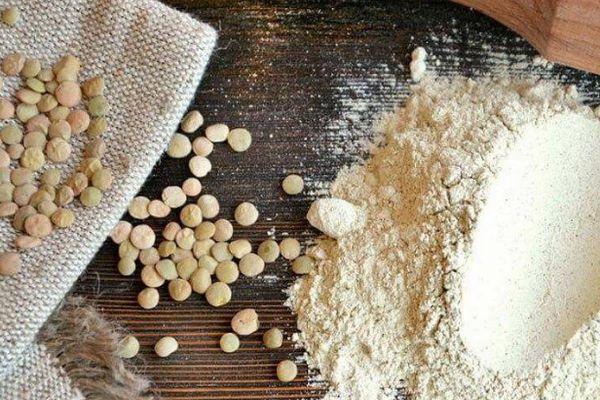
The seeds are also used to make flour, which is used to make bread. They also make a delicious drink, somewhat reminiscent of coffee.
How to boil lentils
Cooking time for lentils depends on the variety. Brown lentils cook the fastest—20 minutes, red lentils—30 minutes, and green lentils—about 40 minutes.
The grains triple in size during cooking. They can be cooked round or split. The latter are usually added to soups, while whole grains make a delicious porridge.
It's most often cooked in a saucepan. To do this:
- Pour cold water over the seeds and let them sit for a few minutes. Then drain the water.
- Place the lentils in a saucepan. Add water at a ratio of 1 part seeds to 2 parts liquid.
- Bring to a boil and add a little vegetable oil. This will help the lentils soften after cooking.
- Cook for 20-40 minutes over low heat, stirring regularly.
- A few minutes before the porridge is ready, add salt and spices to taste. You can season the porridge with parsley.
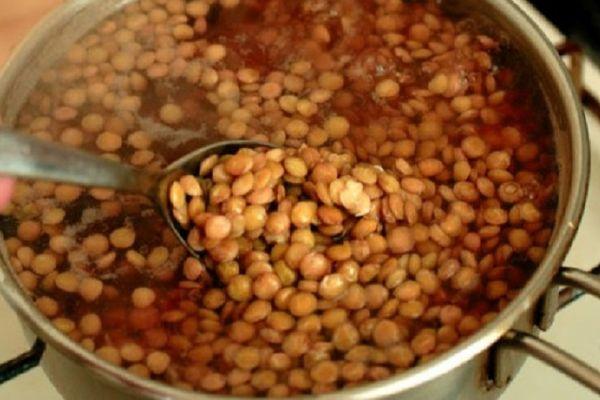
You can also cook the seeds in a slow cooker or microwave. The same ingredients are used. Microwaving has the advantage of softening the seeds within a few minutes. In this case, cook with the lid open and use microwave-safe utensils.
How to store lentils
Lentil seeds can be stored for a long time without losing their flavor. However, they become harder over time, requiring longer cooking times. In this case, cook them until they are soft.
It's not recommended to store lentil seeds for longer than 1.5 years. It's best to keep the seeds in a dark place or in dark jars. Exposure to light will damage their shell, causing them to turn pale. If room humidity exceeds 15%, lentils should not be stored in plastic bags. Condensation will form on them, causing the seeds to spoil quickly.
If the surface of the fruit becomes darkened, becomes pale, or has an unpleasant moldy odor, it is not recommended to eat it.
Cooked lentils should be refrigerated in a special airtight container for no more than 5 days. It's not recommended to store them at room temperature for longer than 12 hours. Freezing them can last longer—up to 6 months. Their consistency may change after defrosting, but the flavor will remain the same.
Related posts:
 The benefits and contraindications of lentils for the human body
 How and where lentils grow, description of varieties and cultivation technology
 The benefits and harms of sprouted lentils, their chemical composition, and advice from doctors
 The benefits and harms of lentils for weight loss, rules of consumption, and the best recipes
 Is it safe to eat lentils while breastfeeding? Benefits and recipes
 Is it possible to soak treated cucumber seeds before planting and how to do it correctly?
 The benefits and harms of red beans for the human body: for women, men, and children
 Description and characteristics of the best seeds of pea varieties and types